


Framed Watercolour Miniature
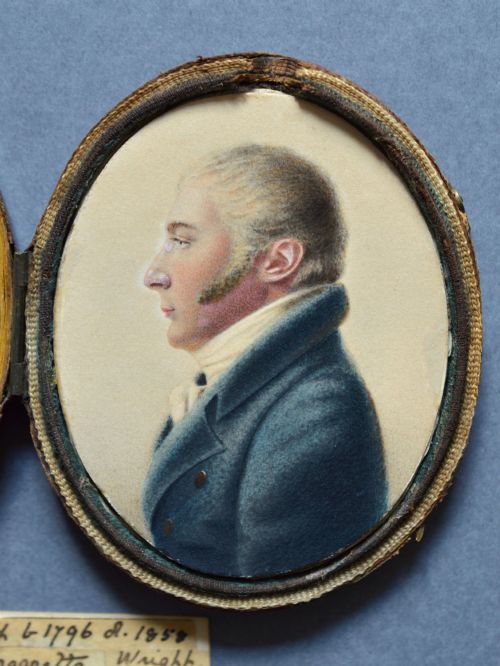
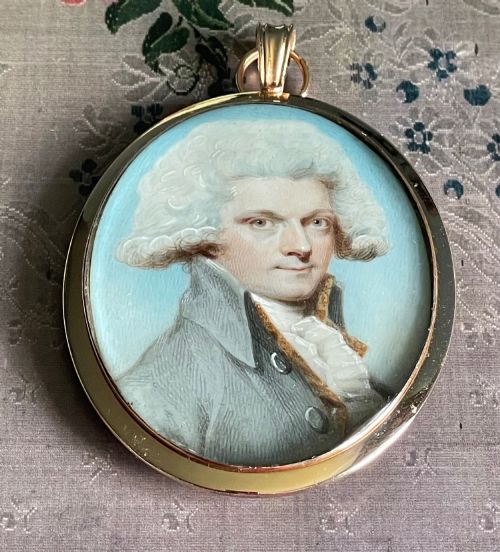
These framed watercolour miniature works capture likenesses in exquisite detail across the 18th, 19th, and early 20th centuries.
Framed Watercolour Miniature
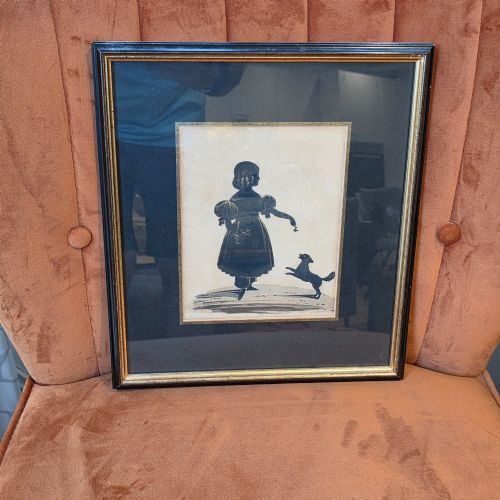
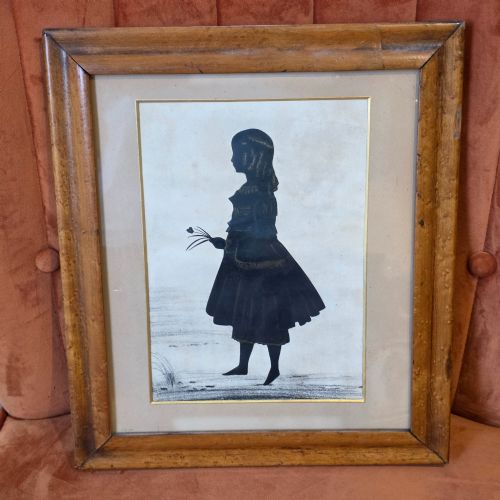
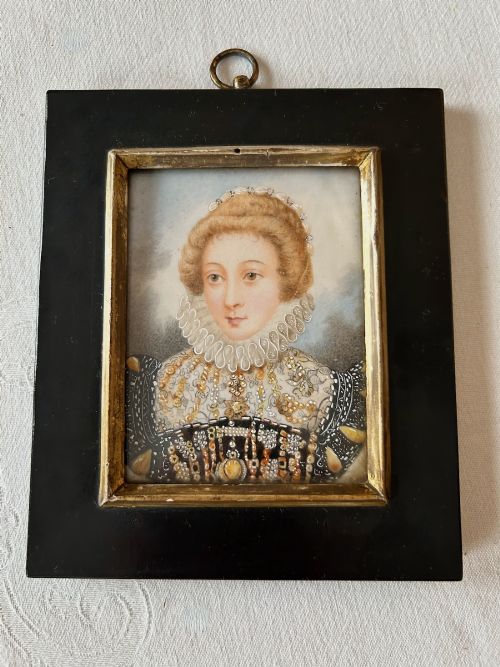
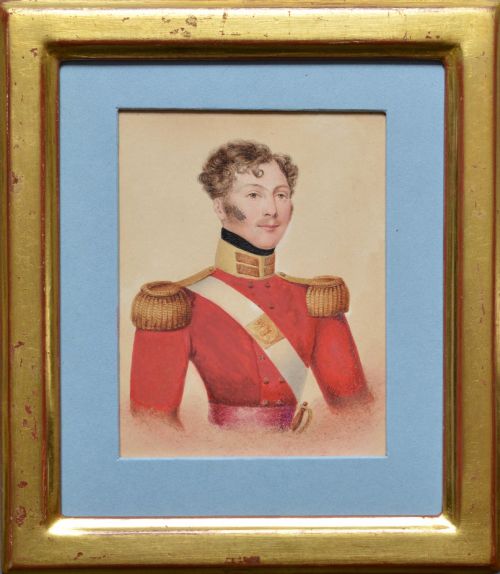
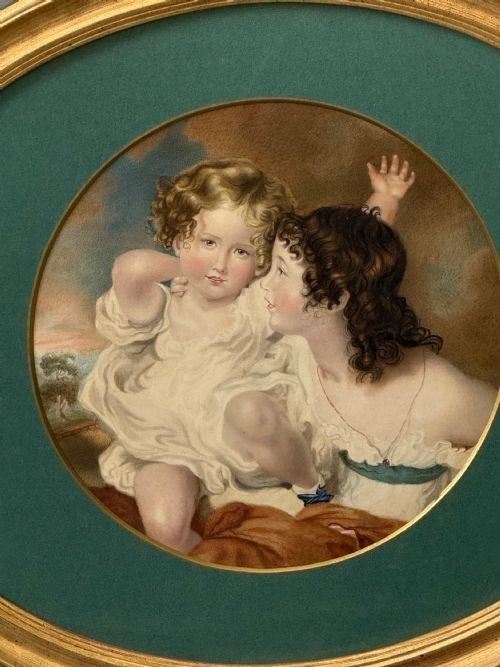
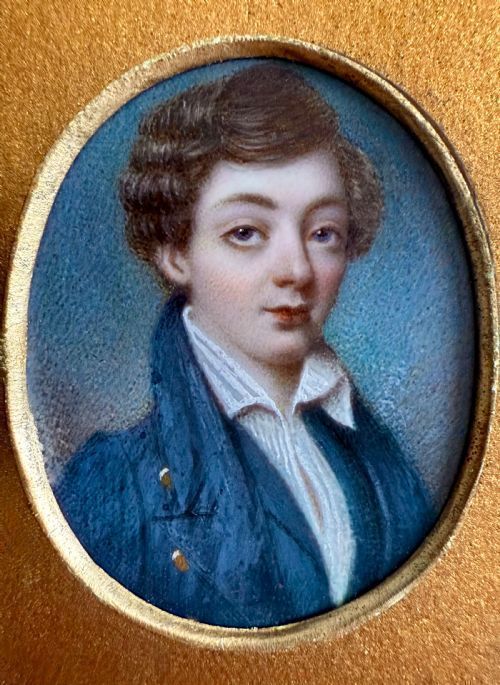
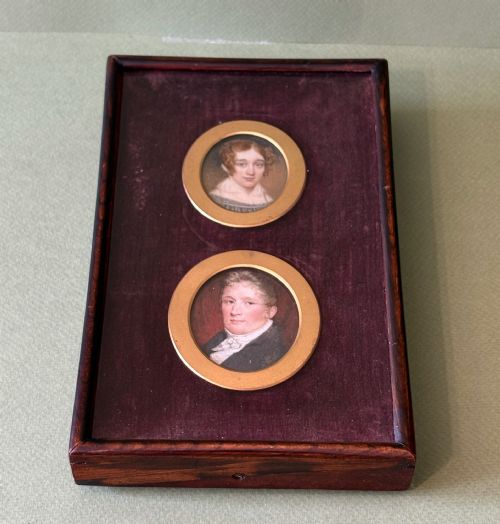
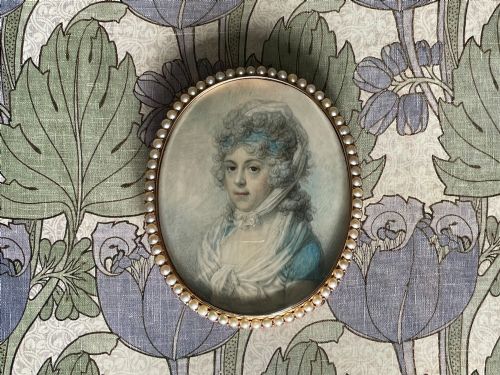
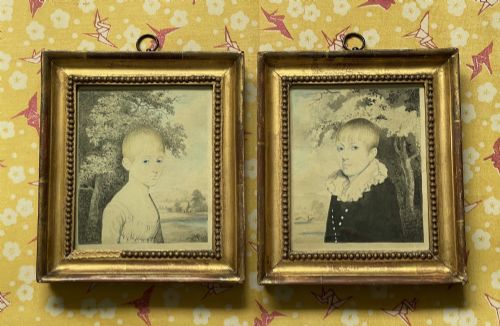
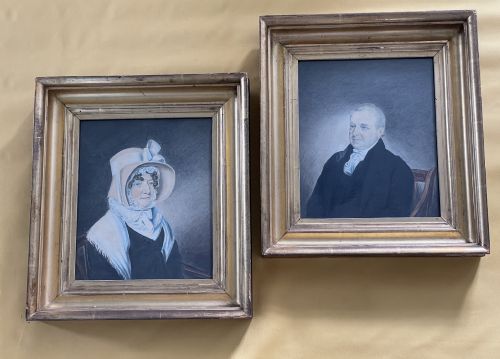
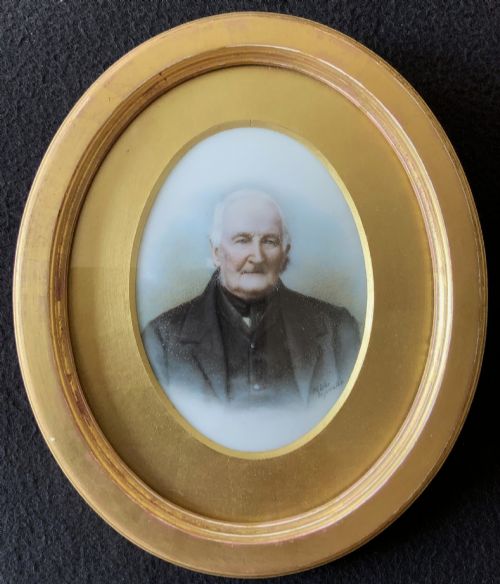
When searching for a framed watercolour miniature, a buyer encounters intimate portrait paintings executed on a small scale. These works predominantly depict gentlemen, ladies, children, and officers from the Georgian, Regency, and Victorian eras.
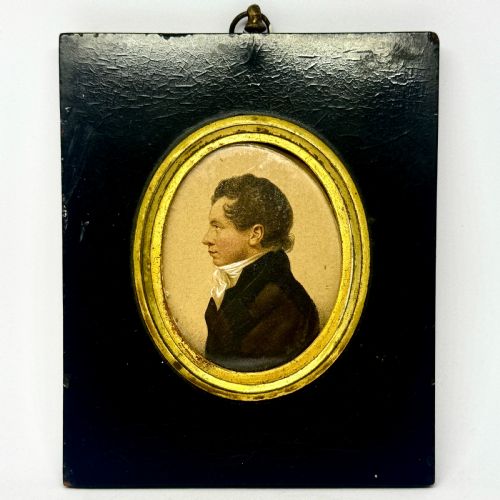
The selections on this page commonly present oval formats housed within period timber, ebonised, or gilt metal surrounds. Examples range from British school works to French, Anglo-Indian, and American folk art pieces.
How they were made
Artists painted these delicate likenesses using watercolour and gouache upon paper, card, and glass. Cut-paper silhouettes also appear alongside traditional pigment work.
Makers housed the finished paintings within protective enclosures utilising glass, wood, brass, gilt metal, gold leaf, and ebonised wood frames.
Listings feature 18th-century, Regency, and Victorian periods utilising watercolour, paper, glass, gilt metal, and ebonised wood.
What varies in quality
Mastery of facial expression and fine brushwork separates the finest portraits from simpler folk art renderings. The precision of the sitter's costume details and the preservation of the pigment dictate distinction.
The integrity and originality of the surrounding frame, whether gilt metal, brass, or ebonised wood, heavily influence the overall character of the piece.
William James Hubard·Henri Fradelle·Thomas John Horsley·Charles Shirreff·Richard Cosway·Frederick Buck·John MacKenzie·Dumont·Charles Hayter·William Naish·Albin R Burt·George Engleheart
The Framed Watercolour Miniature Glossary
- Miniature painting
- A small-scale portrait created with meticulous brushwork. These works demand immense control due to their confined dimensions.
- Ebonised wood
- Timber stained or treated to resemble expensive ebony. Makers frequently utilised this dark finish for 19th-century portrait frames.
- Gilt metal
- Metal treated with a thin layer of gold or gold-coloured finish. This material provided a bright, ornate border for Georgian and Victorian likenesses.
- Silhouette
- An image represented as a solid shape, usually black, showing profile views. Artists frequently cut these from paper before framing them alongside watercolours.
- Regency
- A stylistic period spanning the early 19th century. Pieces from this era often display distinct neoclassical clothing and refined framing.
Framed Watercolour Miniature: Frequently Asked Questions
What periods do these miniatures cover?
The listings span from the mid-18th century through the Georgian and Regency eras into the Victorian period and the early 20th century.
Most pieces concentrate heavily within the 18th and 19th centuries, showcasing changing portraiture styles over time.
How were these miniatures originally displayed?
Owners typically hung these small artworks closely together on drawing-room walls or placed them upon desks and mantelpieces.
Their compact scale allowed individuals to carry personal likenesses of family members or officers while travelling.
What materials protect the watercolours?
Original glass frontages protect the delicate paper and pigment surfaces from dust and moisture damage.
Frames constructed from ebonised wood, brass, and gilt metal surround the glazing to secure the miniature within.
How do I identify a Regency miniature?
Regency pieces often feature sitters in distinctive period dress, such as high-waisted gowns for women and tailored cravats for men.
The framing techniques and soft watercolour palettes from this era also point towards the early 19th-century timeline.