

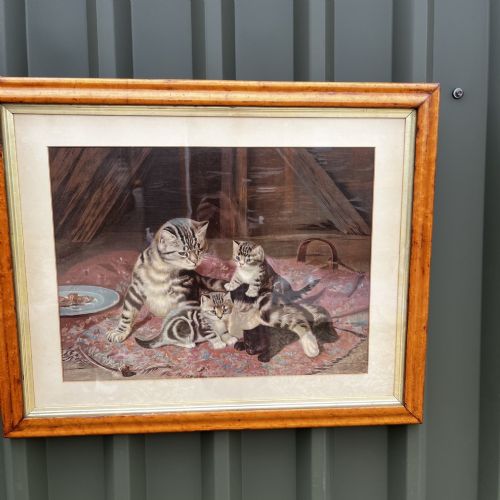
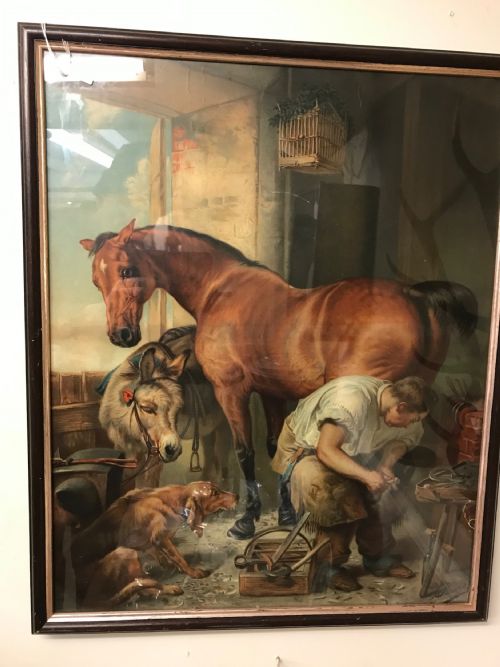
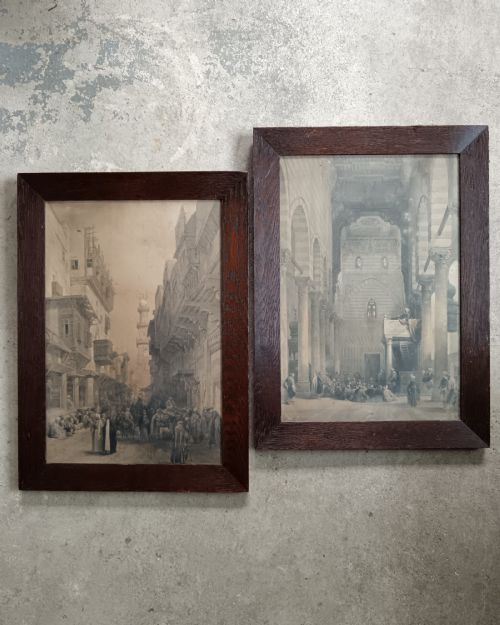
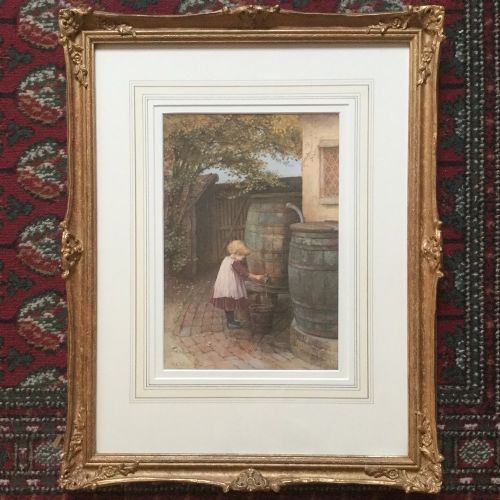
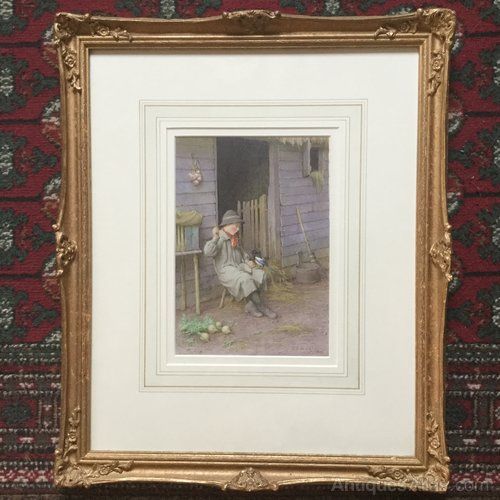


Framed Victorian Lithograph
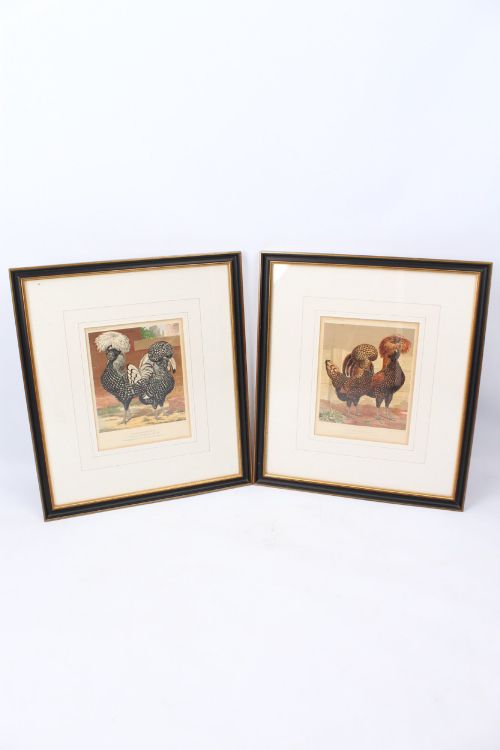
A framed victorian lithograph brings nineteenth-century colour and ink to the wall, housed behind glass in traditional wood and giltwood moulding.
Framed Victorian Lithograph
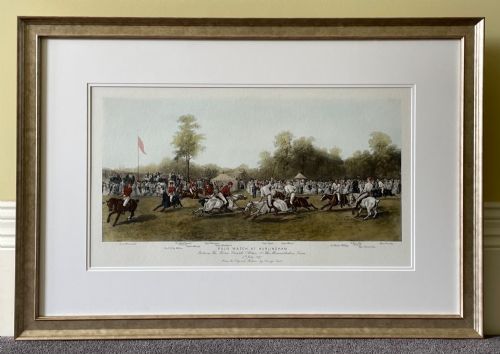
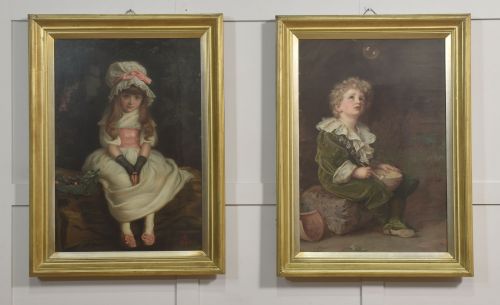
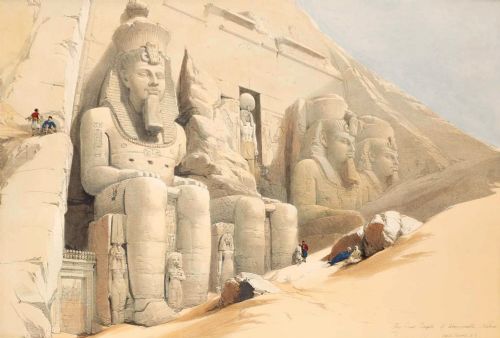
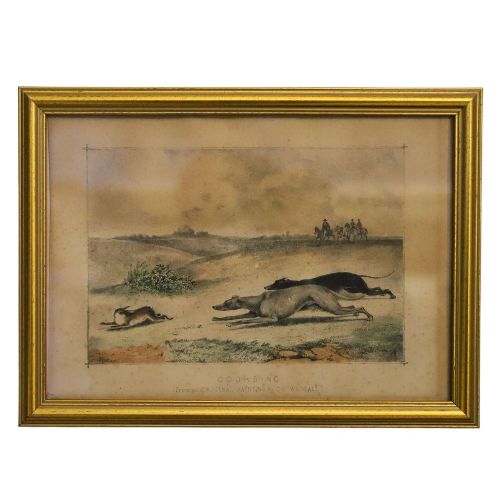
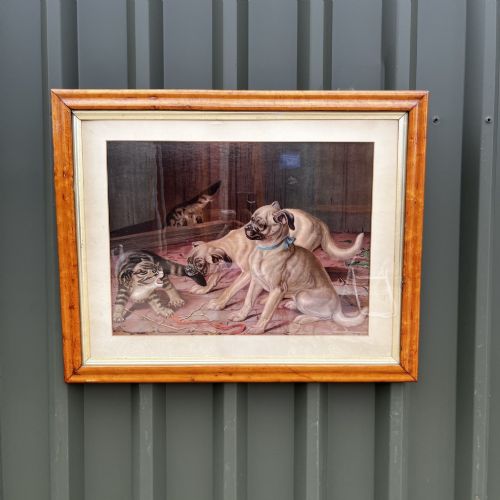
A buyer seeking a framed victorian lithograph encounters a varied assortment of nineteenth-century printed works, including natural history studies, advertising pieces, and social caricature. The selections span genres such as sporting scenes, architectural plans, and orientalist views.
Most examples originate from the Victorian and Edwardian periods, frequently presented within contemporary or later wooden frames equipped with glass. Subjects range from feline portraits and domestic animal studies to military reviews and political figures.
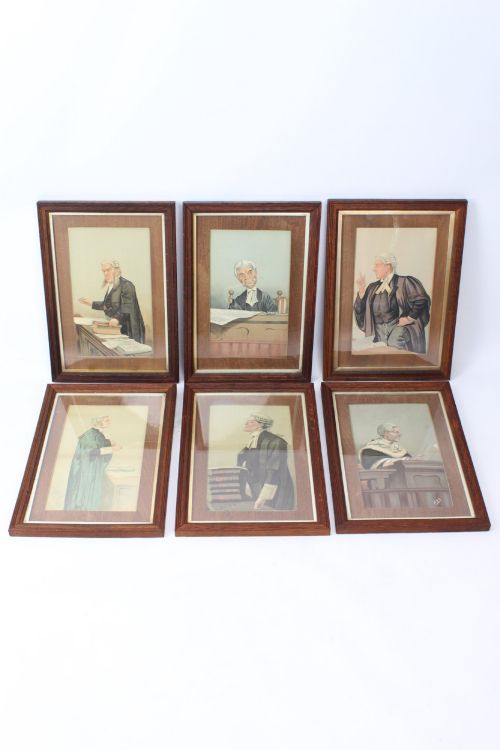
The inventory encompasses single sheets alongside pairs and larger sets, such as consecutive vanity fair caricatures or architectural sequences. These pieces reflect the popular visual culture of the era, reproduced through chemical printing methods onto paper.
Materials and construction
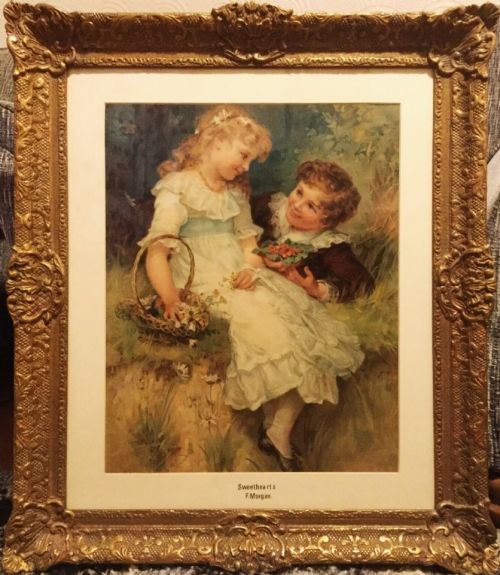
Production relies primarily on paper sheets marked with ink through lithographic processes, occasionally enhanced with hand colouring or rendered as multi-coloured chromolithographs. Many instances incorporate gold leaf or giltwood highlights within the timber frames.
Framing typically involves oak or other hardwoods paired with protective glass glazing to safeguard the delicate paper surface beneath. The assemblies frequently retain original framing components from nineteenth-century firms or later specialist makers.
Listings feature paper, ink, glass, wood, gold leaf, giltwood, and oak across the nineteenth and twentieth centuries.
Evaluating craftsmanship and condition
Distinction across the range rests upon the sharpness of the ink impression and the vibrancy of any applied colour, alongside the retention of wide margins. Original framing materials and period glazing significantly influence the integrity of the piece.
The reputation of the original artist or publishing source, such as known Victorian periodicals or named painters, elevates certain examples above standard decorative prints.
Frederick Morgans·David Roberts·C H Weigall·Horatio Henry Couldrey·Edwin Henry Landseer·Louis Haghe·Charles Edward Wilson·Louis Wain·Charles Burton Barber
The Framed Victorian Lithograph Glossary
- Lithography
- A planographic printing process based on the repulsion of oil and water on a limestone slab or metal plate. It allows for the reproduction of detailed tonal drawings and broad colour areas.
- Chromolithography
- A colour lithographic technique using multiple stones or plates, one for each ink colour. This method creates rich, multi-toned prints without requiring manual hand tinting.
- Giltwood
- Timber carved and coated with a thin layer of gold leaf or gold paint. It frequently forms the decorative moulding of nineteenth-century picture frames.
- Sporting art
- Depictions of field sports, racing, and equestrian pursuits. These subjects were popular themes for Victorian prints and illustrated periodicals.
Framed Victorian Lithograph: Frequently Asked Questions
How do I identify a true nineteenth century print?
Examine the paper texture under magnification to detect dot patterns associated with modern offset printing rather than flat ink coverage. Genuine period examples often display age toning and appropriate plate marks.
Check the framing materials and backboards for historical fixings, old labels, and timber types consistent with the Victorian era.
Can these pictures be safely hung in direct sunlight?
Ultraviolet light rapidly fades nineteenth-century inks and hand-applied watercolours on paper. Position pieces away from direct windows to preserve the original pigment.
Utilising museum-grade UV-filtering glass during framing provides additional protection against environmental degradation.
Were these works originally published as single sheets?
Many items were issued as individual subscription plates, whilst others originated as bound plates within weekly periodicals or advertising campaigns. Vanity fair prints, for instance, were released weekly inside the magazine.
Advertising posters and decorative series were similarly distributed independently for domestic display.
What is the best way to clean the glass and frame?
Wipe the glass gently with a microfibre cloth lightly dampened with water or standard glass cleaner, taking care not to let liquid seep behind the frame rebate. Moisture can damage vulnerable paper edges inside.
Dust wooden and giltwood mouldings dry with a soft brush to prevent accumulation without disturbing fragile surface gilding.