


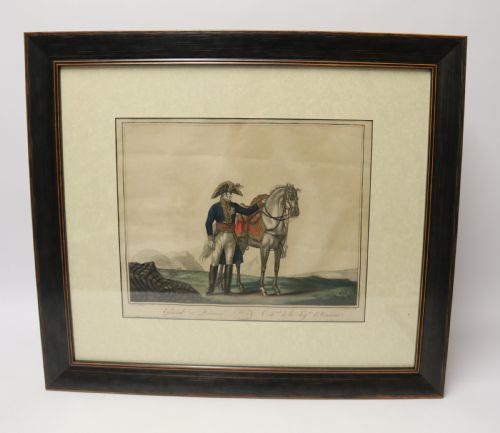


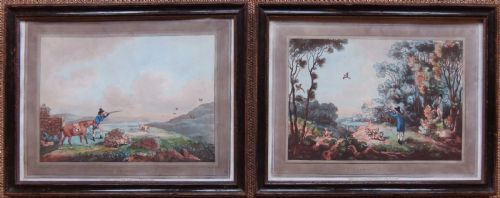


Antique Coloured Equestrian Print
These antique coloured equestrian print works capture the energy of historic field sports, bringing centuries of sporting heritage straight to your walls.
Antique Coloured Equestrian Print
An antique coloured equestrian print represents a distinct branch of sporting art, focusing on horses, hunting scenes, and coaching events. These works appear primarily as framed prints, engravings, and lithographs produced across the Georgian and Victorian eras.
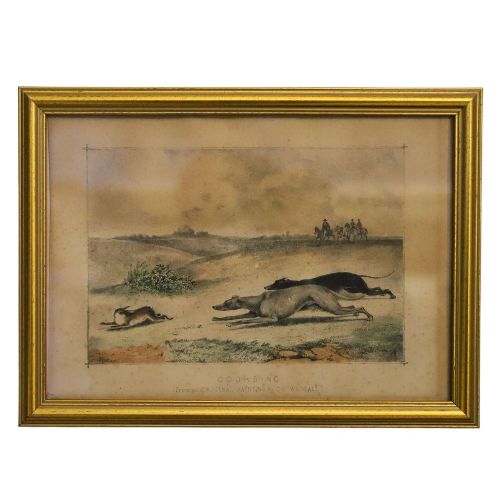
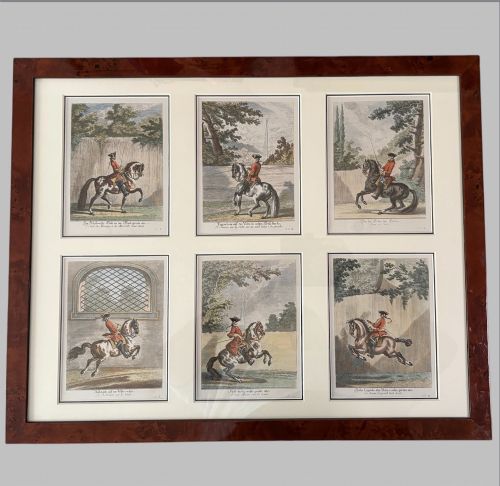
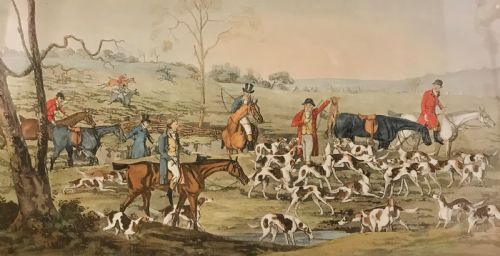
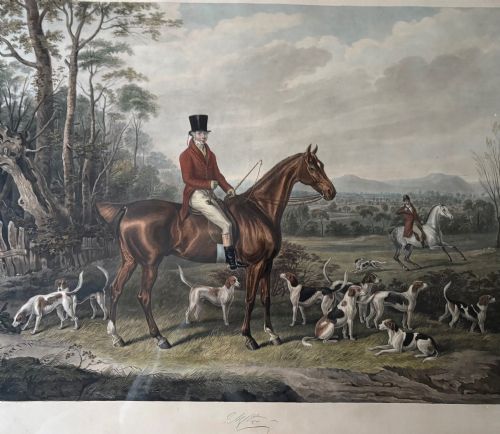
The selections span various methods of coloration, ranging from hand-tinted copper engravings to mid-nineteenth-century lithographs. Buyers encounter subjects depicting hare coursing, fox hunting, and formal coaching meets framed in wood, burr wood veneer, or gilt frames.
The originators of these images include prominent artists and publishers from the eighteenth and nineteenth centuries, capturing the dynamic movement of horses and riders. Each piece reflects the visual culture of British and European field sports during periods of rapid artistic reproduction.
How they were made
Makers utilised copper plates for early engravings, pressing inked designs onto paper before applying manual watercolour tints by hand. Later nineteenth-century examples often relied on lithographic techniques, capturing finer tonal shifts and multiple colours directly on the printing stone.
Framing materials reflect the domestic fashions of their respective periods, utilising simple wood mouldings alongside ornate gilt frames and burr wood veneers. Protective glass covers the paper surface, preserving both the ink and the delicate watercolour pigments underneath.
Several prints preserve the frantic energy of nineteenth-century hounds outpacing both riders and common sense.
What varies in quality
The distinction between standard prints and superior examples rests upon the crispness of the original plate impression and the precision of the watercolour application. Skilled colourists added subtle washes that enhanced the depth of the horses and landscapes without obscuring the underlying lines.
Condition and preservation dictate the desirability of each piece, particularly regarding the stability of the paper and the vibrancy of the ink. Original framing elements, such as period gilt wood or burr wood veneer surrounds, add considerable contextual integrity to the artwork.
C. H. Weigall·Ridinger·Aiken·George Morland·W Ward·Charles Hunt·Francis Calcroft Turner·Sam. Howitt
The Antique Coloured Equestrian Print Glossary
- Engraving
- A printmaking technique where an artist cuts lines directly into a metal plate to hold ink. This method produces sharp, precise lines that define the musculature of horses and riders.
- Lithograph
- A planographic printing process based on the repulsion of oil and water on a limestone or metal surface. It allows for smooth tonal gradations and rich colour application.
- Aquatint
- A variant of etched printmaking that creates areas of tone resembling watercolour washes. It frequently appears in sporting prints to render skies and shaded ground.
- Mezzotint
- A tonal method of engraving that works from dark to light by roughening the metal plate. This technique yields velvety blacks and soft atmospheric effects.
- Crystoleum
- A Victorian method of applying a transparent print to the inside of concave glass and hand-painting the reverse. The paper backing is rubbed away, leaving only the pigment trapped in oil or varnish.
Antique Coloured Equestrian Print: Frequently Asked Questions
How do I date an equestrian print?
Dating relies on examining the paper stock, the printing technique, and any printed publication lines or inscriptions at the margin. Stylistic clues in the clothing and tack of the riders also point to specific decades.
Earlier Georgian plates differ significantly from later Victorian lithographs in their ink density and paper texture. Comparing the publisher details against known operating dates provides further chronological clarity.
Are these prints hand coloured?
Many examples feature delicate watercolour tints applied by hand over a printed monochrome base. This technique was common in the eighteenth and nineteenth centuries to enliven sporting subjects.
Close examination under magnification reveals the brushstrokes and subtle variations in pigment density. Not every print received this treatment, as some relied entirely on multi-stone lithography for colour.
How should I frame and display them?
These works require conservation-grade mounting to prevent acid transfer from backing boards to the historic paper. Keeping them away from direct sunlight protects the fugitive watercolour pigments and ink from fading.
Many pieces survive in their original gilt wood or burr wood veneer frames, which complement the traditional aesthetic. Maintaining stable indoor humidity prevents warping in both the timber frames and the paper substrates.
What subjects are most common?
Fox hunting, coaching scenes, and shooting represent the most frequent subjects found in this category. These themes dominated British sporting art throughout the Georgian and Victorian periods.
Depictions of specific historical personalities, such as John 'Mad Jack' Mytton, occasionally appear alongside generic field sports. Each subject reflects the aristocratic and rural pursuits of the era in which it was published.