

Framed Victorian Art
Framed victorian art brings nineteenth-century paintings, watercolours, and silhouettes into modern spaces within traditional timber and gilt frames.
Framed Victorian Art
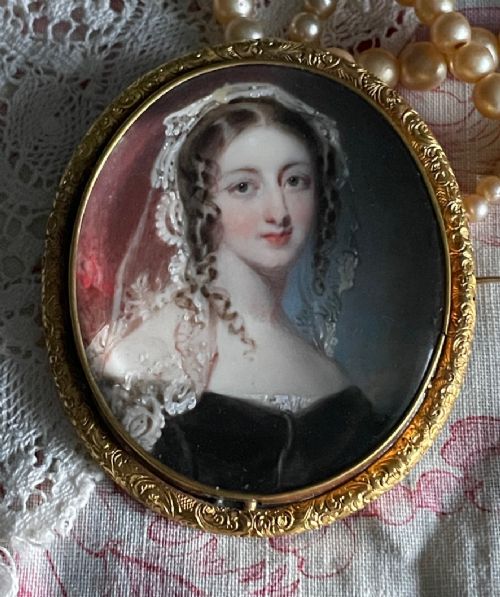
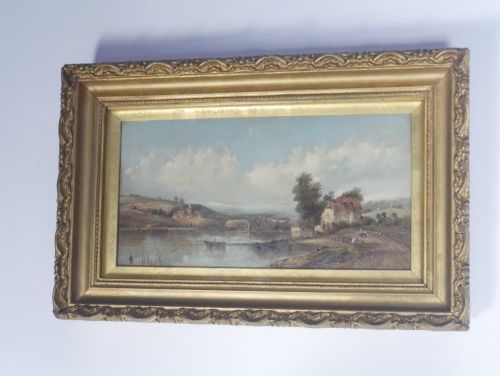
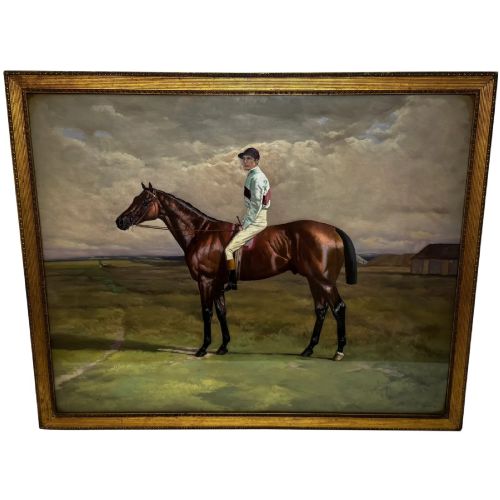
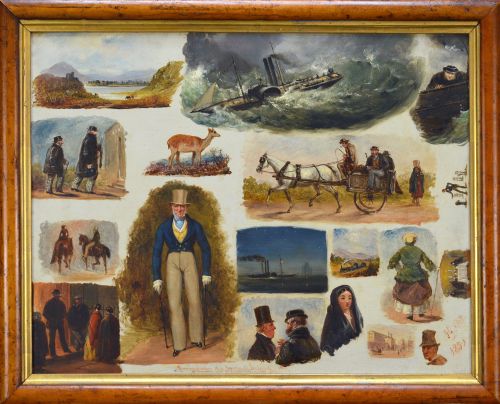
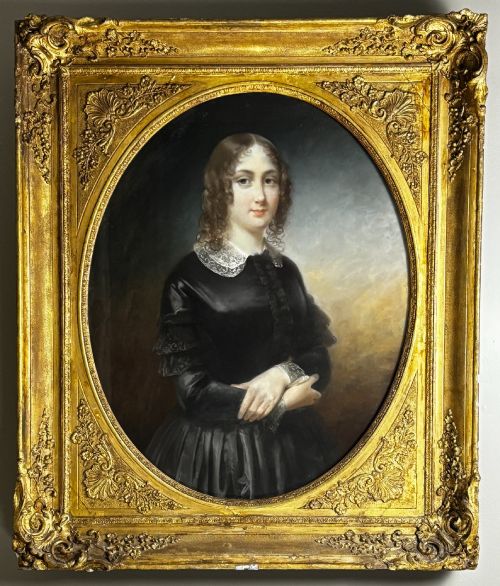
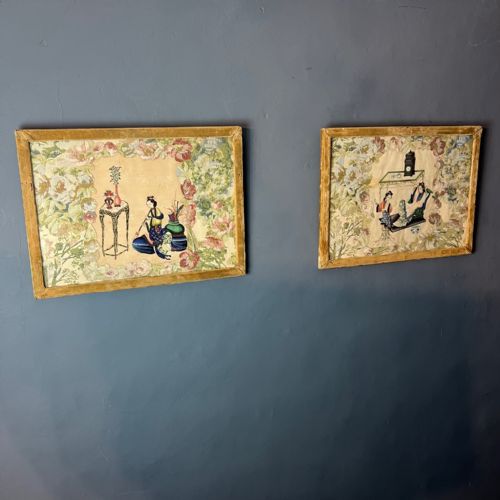
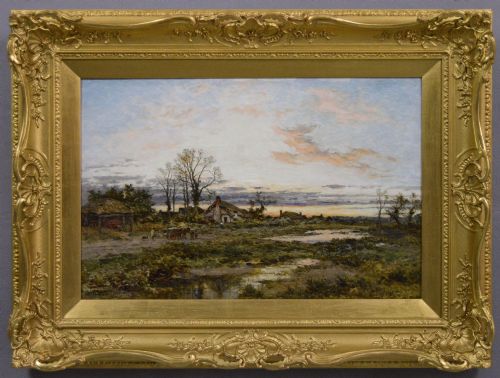
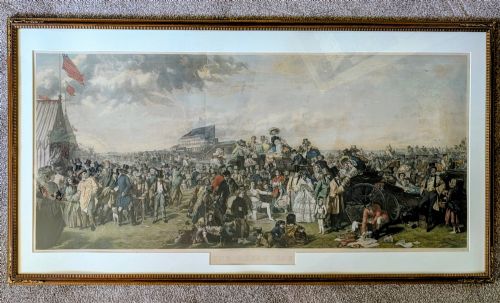
Framed victorian art encompasses a wide variety of nineteenth-century creative output, from detailed oil paintings on canvas and panel to delicate watercolours and cut-paper silhouettes. These works capture the diverse tastes of the period, ranging from romantic landscapes and sporting scenes to intimate portrait miniatures and natural history studies.
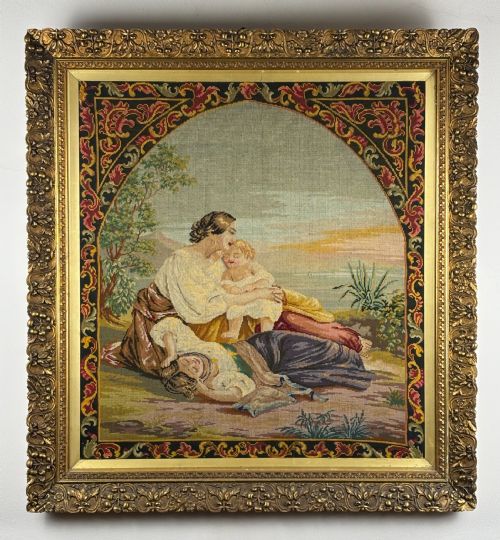
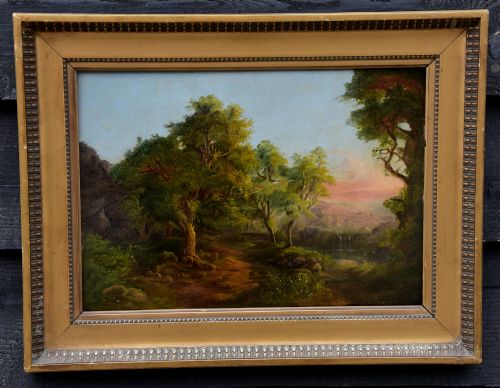
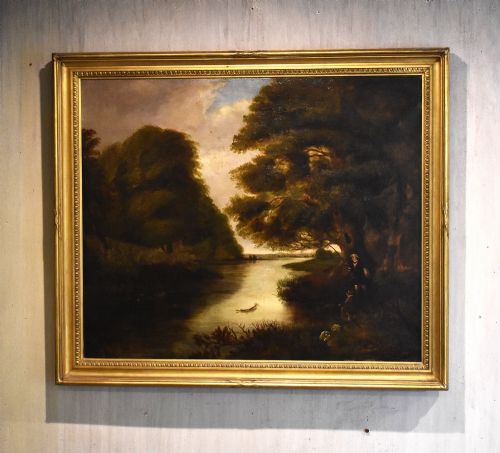
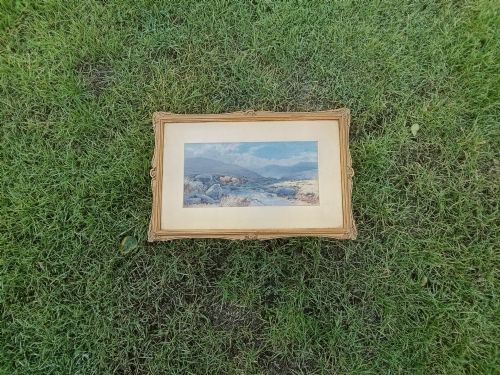
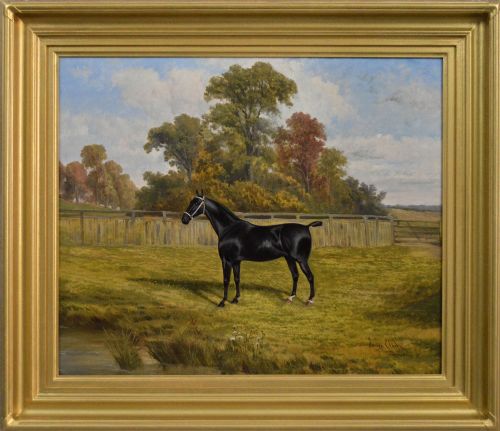
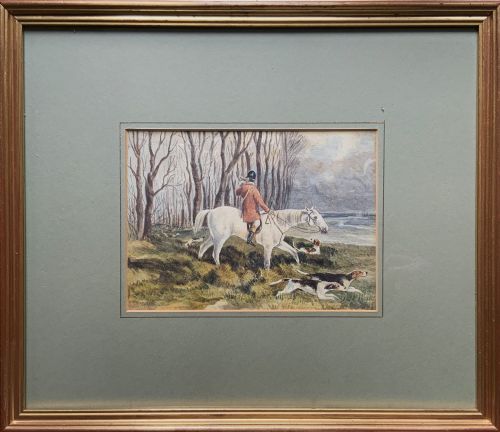
The most common examples on this page are mid- to late-nineteenth-century watercolours and oil paintings depicting landscapes, coastal scenes, and figurative subjects. Many retain their original or period-appropriate frames, often constructed from wood and finished with gold leaf or gilding.
How They Were Made
Artists of this era worked primarily with oil paint on stretched canvas or wooden panels, and watercolour or bodycolour on paper. Pigments were applied with brushes to build up depth, light, and texture, particularly evident in the rich impasto of landscape and portrait oils.
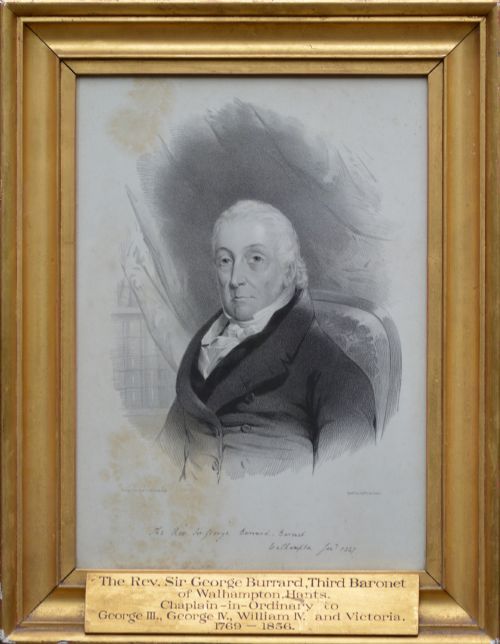
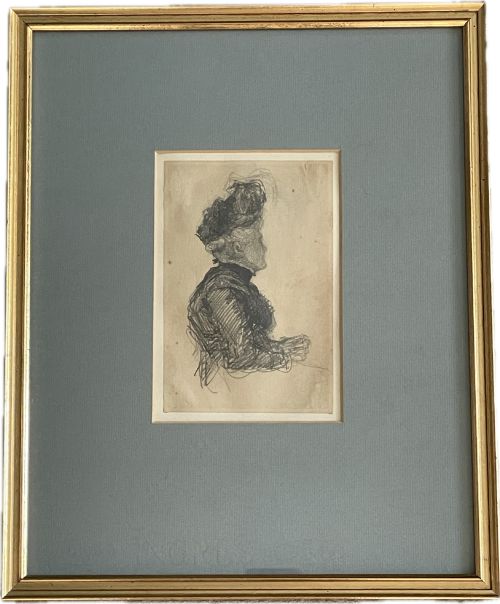
Works on paper frequently involved delicate pen and ink work, lithography, or intricate hand-cut silhouettes mounted against contrasting backgrounds. These pieces were protected behind glass and housed within timber frames, which were frequently ornamented with gesso and finished in gold leaf.
Framed Victorian Art Retail Price Guide 2026
Typical asking prices for framed victorian art among the pieces listed under this phrase on Sellingantiques today, from the lower quarter to the upper quarter. They describe what is for sale here now, not the wider market.
Listings feature works spanning the nineteenth century, utilising materials such as oil on canvas, watercolour, gilt wood, and cut paper.
What Varies in Quality
Quality in these pieces rests primarily on the skill of the draughtsmanship and the confidence of the brushwork, distinguishing accomplished academic output from more amateur domestic efforts. Anatomy in figurative or animal subjects, perspective in landscapes, and the subtle handling of light reveal the master's hand.
The condition and authenticity of the framing also play a major role, as period gilt wood or carved frames that complement the artwork enhance the overall integrity of the piece. Well-preserved surfaces free from heavy restoration or pigment darkening represent the finest survivals.
William Bird MD FLS·George Sydney Shepherd·Henry Barraud·George Armfield·H Medlycott·Guido Bach·Theude Grönland·Sir Joseph Noel Paton·William James Hubard·William Oliver·Eugène Verboeckhoven·Richard Sebastian Bond·William Beattie-Brown·George Fotherly Hargitt·Thomas Miles Richardson Jnr·James Orrock·William Henry Earp·Felix Stone Moscheles·Sir James Dromgole Linton·Valentine T Garland·John Maler Collier·William Howard Hardy·Frederick Marriott·Arthur Wardle·Henry Stacy Marks
The Framed Victorian Art Glossary
- Bodycolour
- Watercolour mixed with a white pigment to render it opaque, adding density and highlights to works on paper.
- Gilt Wood
- Timber that has been coated with a thin layer of gold leaf or metallic powder, frequently seen on nineteenth-century frames.
- Lithograph
- A printmaking technique based on the immiscibility of oil and water, used to produce multi-coloured reproductions and illustrations.
- Silhouette
- An image representing the outline of a subject, usually a profile cut from black paper or painted in solid dark pigments.
- Portrait Miniature
- A small, highly detailed painting, often executed on ivory, vellum, or prepared card during the nineteenth century.
Framed Victorian Art: Frequently Asked Questions
What periods do these pieces cover?
The works span the nineteenth century, with a heavy concentration on Victorian production alongside examples from the Regency and Edwardian eras. Later twentieth-century pieces occasionally appear reflecting earlier styles.
Dates generally rely on artist signatures, exhibition records, or stylistic markers inherent to the specific medium.
How were these artworks originally displayed?
Framed pieces were hung in domestic parlours, libraries, and galleries, often grouped closely together on walls lined with patterned paper. Their heavy timber and gilt frames were chosen to project status and complement interior furnishings.
Watercolours and silhouettes required glass protection to shield fragile pigments and paper from dust and atmospheric soot.
How do I identify a Victorian watercolour?
Victorian watercolours typically employ transparent washes on heavy rag paper, sometimes enhanced with bodycolour for highlights. They frequently depict pastoral landscapes, coastal views, or moral narratives.
Signatures, dates, and framing styles matching nineteenth-century conventions help confirm the period of execution.
Can I hang these in direct sunlight?
Direct sunlight should be avoided because ultraviolet rays quickly fade nineteenth-century watercolours, pigments, and dyed papers. Oil paintings are more resilient but still suffer from prolonged heat and exposure.
Positioning pieces away from south-facing windows preserves the integrity of both the artwork and its period frame.