



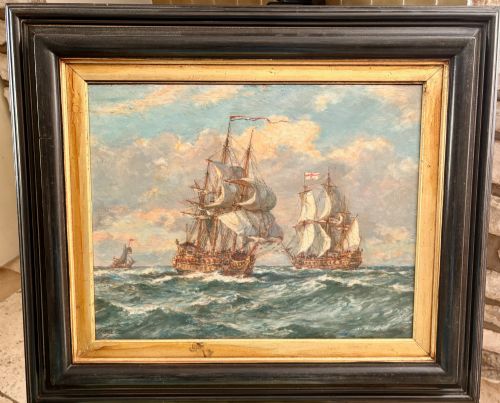
Framed Seascape Wall Art
Framed seascape wall art captures maritime life and coastal views on canvas and paper, bringing historic ships and open water into domestic interiors.
Framed Seascape Wall Art
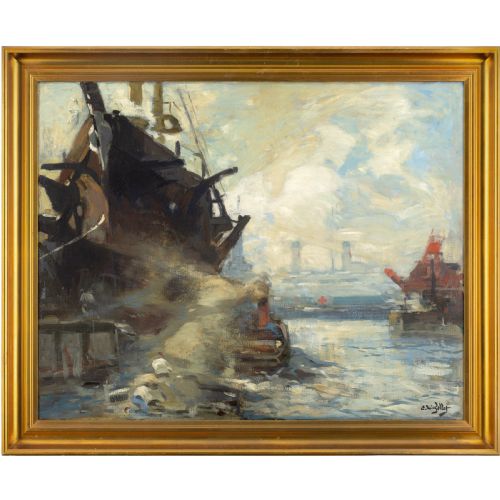
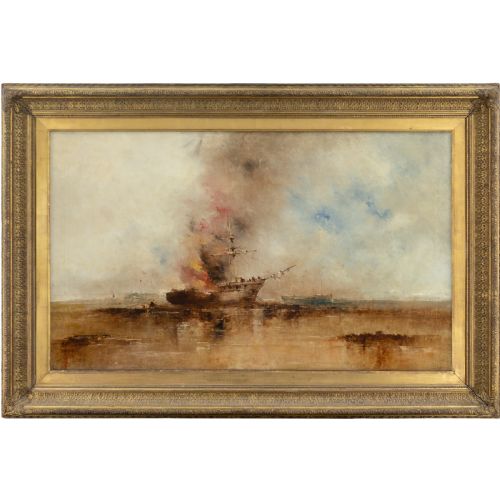
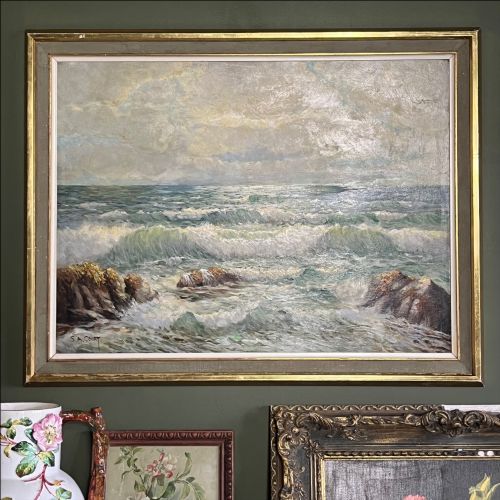
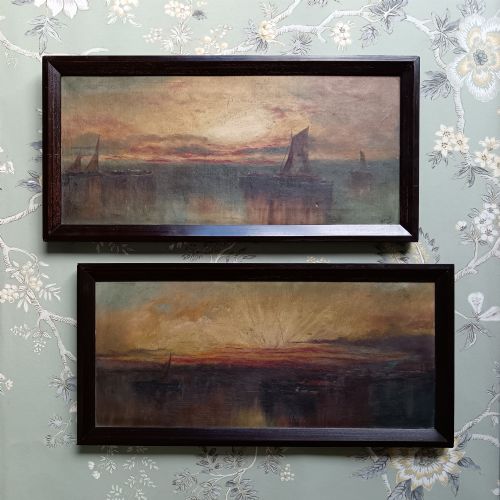
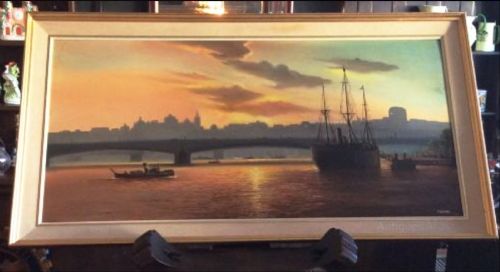
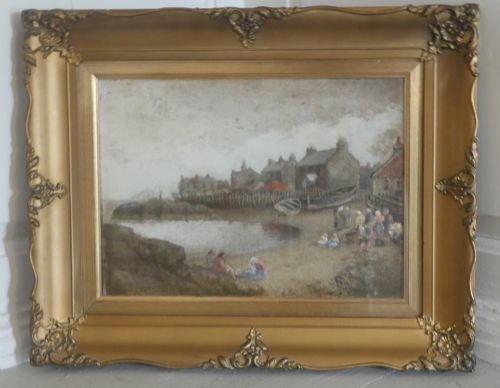
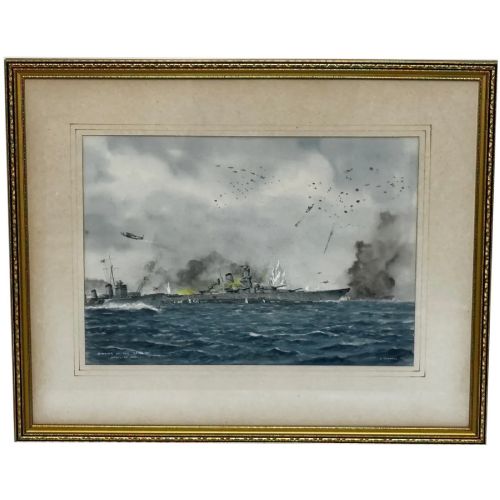
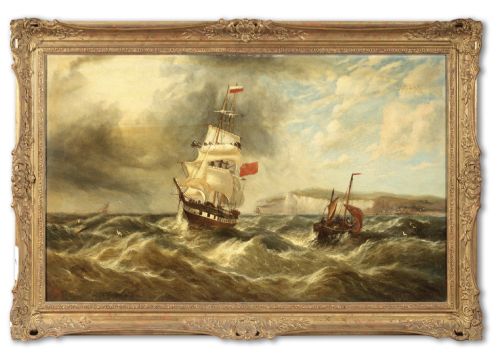
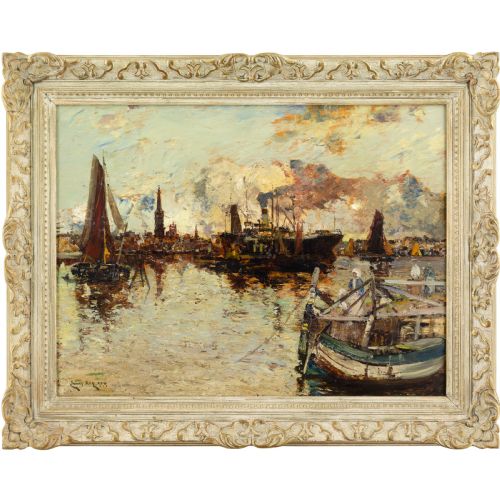
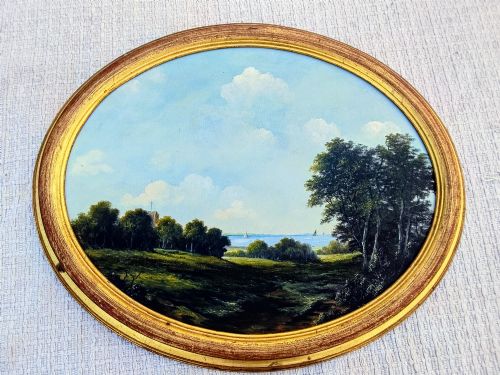
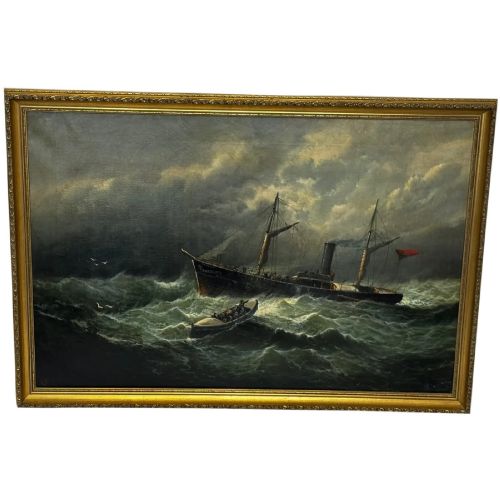
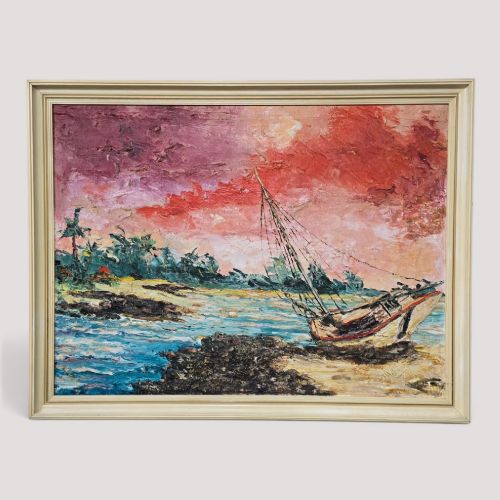
Framed seascape wall art gathers marine oil paintings, watercolours and gouache works dating from the nineteenth century into the mid-twentieth century. These works depict coastal harbours, naval battles, merchant vessels and quiet beaches across Britain and Europe.
Most pieces on this page originate from the Victorian and Edwardian periods, stretching through British Impressionism to mid-century views. Subjects range from traditional English fishing boats in Cornwall to panoramic scenes of Venice and the Thames.
Formats span from small panels and oval canvases to large horizontal oil paintings housed in period wooden and gilt frames. Buyers find both signed works by known marine artists and contributions from regional European schools.
Materials and Technique
Painters recorded coastal light using oil paint on canvas or wooden panel, and watercolours on paper. Artists worked in studios or en plein air to capture transient weather conditions over rough seas and calm harbours.
Support frames combine carved wood and gilt surfaces to enclose the artwork. Many compositions incorporate layered brushwork or textured finishes to render water, sky and sails.
Framed Seascape Wall Art Retail Price Guide 2026
Typical asking prices for framed seascape wall art among the pieces listed under this phrase on Sellingantiques today, from the lower quarter to the upper quarter. They describe what is for sale here now, not the wider market.
Ships brave sudden gales and calm Venetian canals within the same afternoon on these walls.
Quality and Execution
Quality rests upon the handling of light, atmosphere and maritime detail within the medium. Stronger works convey motion in water and meteorological accuracy in skies and rigging.
Condition of the canvas, paper stability and the integrity of the original wood and gilt frames distinguish standard decorative output from works by accomplished marine painters.
James Hardy·James Orrock·Eugène-Louis Gillot·William McAlpine·Sidney A Court·B Nash·Edward Mills·Eric Tufnell·William Banks Fortescue·John Rose Miles·James Kay·William Broome·Bernard Gribble·Bonaventura Peeters·F Corpuz·Clive Browne·Peter Brannan·Francis Moltino·Bernard Benedict Hemy·Thomas Creswick·Lucy Pratt·James Fry·Ethel Sands·Willem Bos·Francis Moltino
The Framed Seascape Wall Art Glossary
- En plein air
- Painting outdoors to capture direct observations of natural light and weather. This method defined many nineteenth and twentieth-century coastal works.
- Gouache
- An opaque water-based paint that provides solid colour and sharp detail on paper or board. It appears frequently in maritime storm scenes.
- Panel
- A rigid wooden support used by artists instead of stretched canvas. Panels often survive in nineteenth-century marine sketches.
- Marine art
- Painting or imagery focusing on ships, harbours, coastal views and the open sea. It forms the primary subject of these works.
- Gilt wood
- Wood coated with a thin layer of gold leaf or metallic paint. It frames many traditional Victorian and Edwardian oil paintings.
Framed Seascape Wall Art: Frequently Asked Questions
How do I hang a heavy framed oil painting?
Secure the hanging wire or brackets directly into wall studs using appropriate wall anchors. Heavy gilt wood frames require robust picture hooks rated for the specific weight of the artwork.
Ensure the wall surface is stable before mounting large canvases to prevent shifting over time.
Where should I place maritime art at home?
Hang these pieces in rooms with stable humidity away from direct heat sources and strong sunlight. Living rooms, hallways and studies provide balanced environments for oil and watercolour works.
Keep glass-fronted watercolours out of direct solar glare to protect the pigments on paper.
How do I identify a Victorian marine painting?
Examine the subject matter, costume of figures, and ship riggings for nineteenth-century characteristics. Steamships, three-masted barques and paddle steamers often appear alongside traditional sailing vessels.
Frame styles, canvas stamps and signatures also help anchor the piece to the Victorian era.
What is the difference between oil and watercolour?
Oil paint utilises pigment suspended in drying oil on canvas or panel, yielding thick textures and rich colour depth. Watercolour applies transparent pigments to paper, creating lighter atmospheric effects.
Oils are generally more resilient, whereas watercolours require protective glass glazing.