


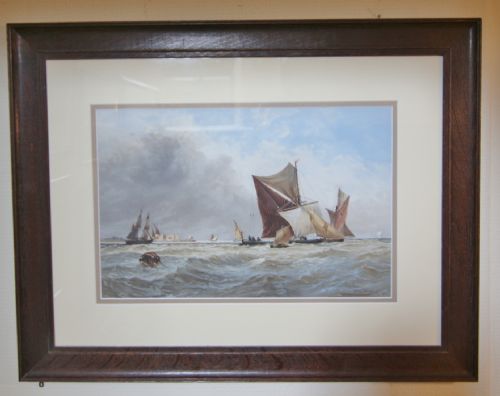
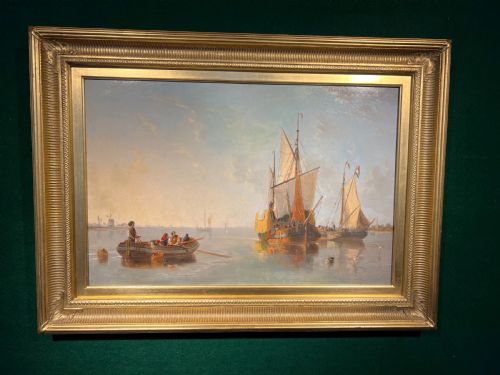
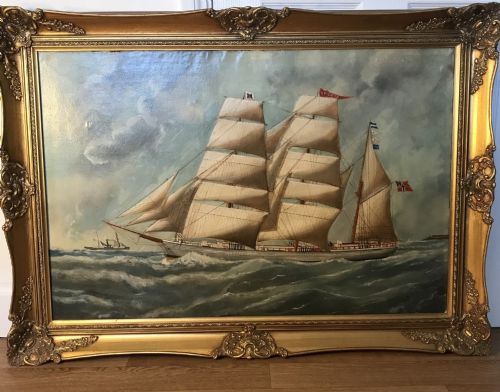
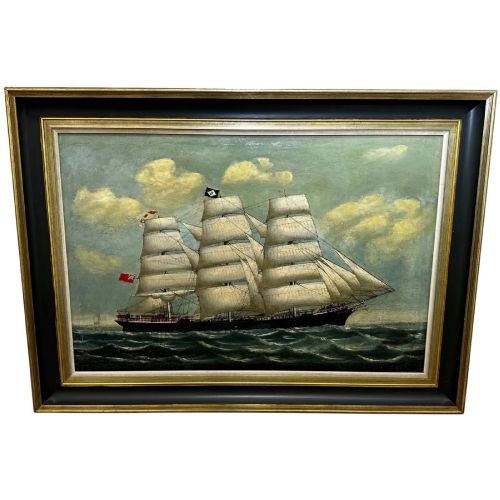
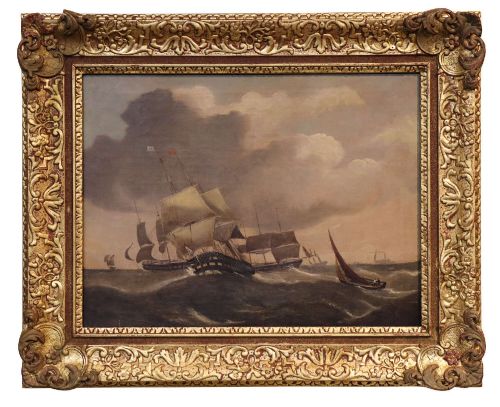
Framed Sail Ship Artwork
Framed sail ship artwork captures the drama of maritime history through oils, watercolours and woodblock prints spanning multiple centuries.
Framed Sail Ship Artwork
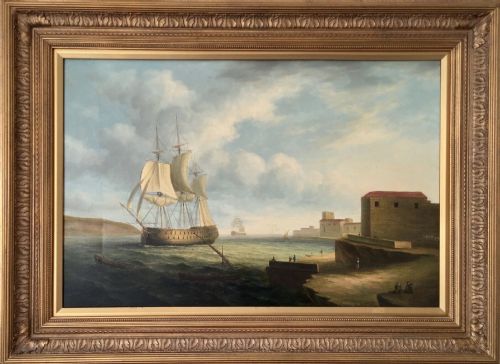
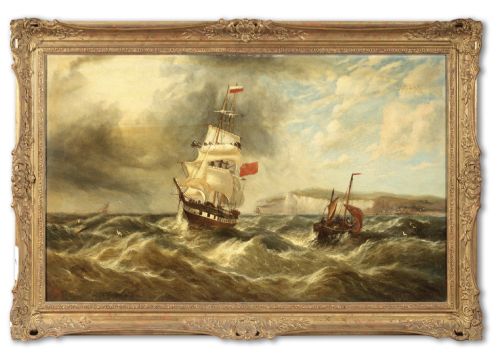
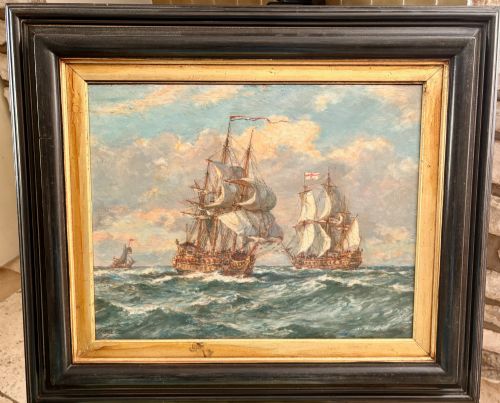
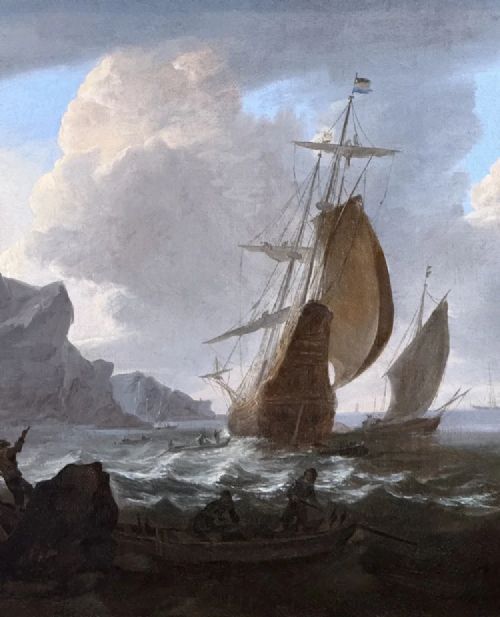
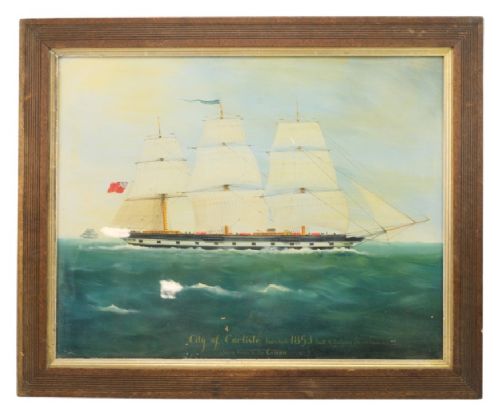
A framed sail ship artwork depicts historical vessels, naval engagements and coastal scenes across various periods including the 19th century and Edwardian eras. Buyers encounter oil paintings on canvas or panel, detailed watercolours and occasional woodblock prints housed within period frames.
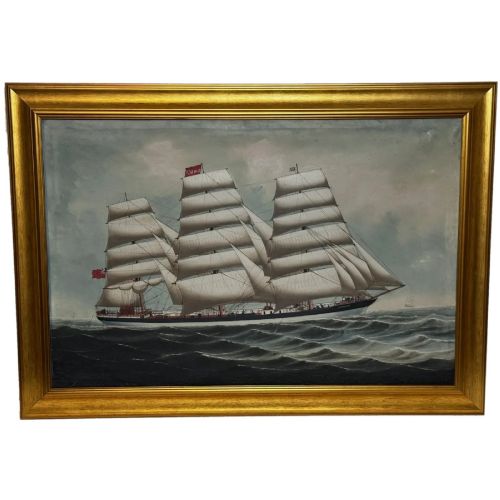
The selections range from stormy seas featuring three-masted schooners and merchant ships to serene harbour views and distant lighthouses. These pieces document maritime heritage through depictions of specific vessels like clippers and barques alongside anonymous coastal scenes.
How They Were Made
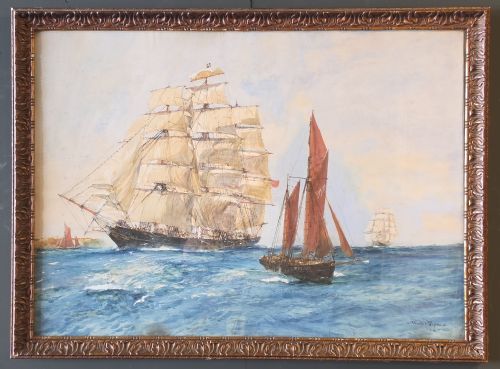
Painters utilised oil on canvas, oil on board and oil paint on panel to build textured depictions of turbulent water and billowing sails. Watercolours on paper provide lighter, more fluid interpretations of coastal towns and shipping lanes.
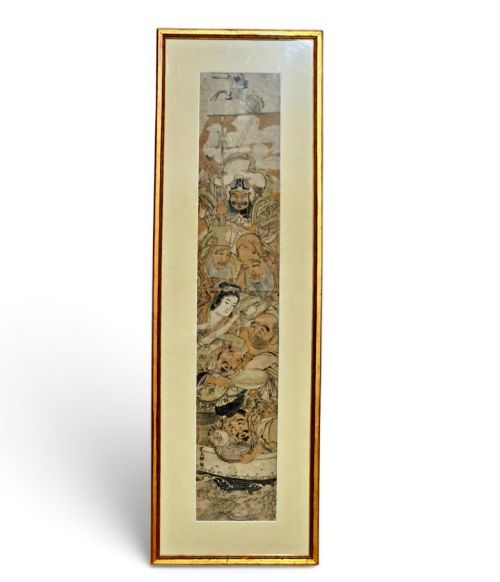
Woodblock prints incorporate traditional ink techniques on paper, while protective wooden and gilt frames complete the presentation of these maritime works.
Materials across the selection include oil on canvas, paper, wood, glass and watercolour.
What Varies in Quality
The standard of execution in rigging detail, hull perspective and atmospheric water movement distinguishes individual pieces. Skilled brushwork captures the weight of heavy seas and the specific architecture of warships and merchant vessels with greater anatomical precision.
The harmony between the artwork and its period frame influences the overall integrity of the piece. Works exhibiting clear provenance or attribution to documented marine artists carry distinct historical weight.
James Hardy·Katsukawa Shunshō·Charles Edward Dixon·John Rose Miles·Bernard Gribble·Bonaventura Peeters·John Wilson Carmichael·Lai Fong·Abraham Hulk I·Charles William Adderton·William Frederick Settle·Ernest Dade·Thomas Bush Hardy·Daniel Sherrin·George Shaw·Dion Pears
The Framed Sail Ship Artwork Glossary
- Barque
- A sailing ship with three or more masts having the fore- and mainmasts square-rigged and the mizzenmast fore-and-aft rigged. This rig allowed for efficient long-distance commercial voyages.
- Galleon
- A large, multi-decked sailing ship used primarily by European nations from the 16th to 18th centuries for commerce and war. They typically carried elevated structures at the bow and stern.
- Seascape
- A work of art depicting the sea, coastal views or maritime operations. These compositions focus heavily on atmospheric conditions and water movement.
- Watercolour
- A painting method in which the paints are made of pigments suspended in a water-based solution. Artists apply washes on paper to achieve translucent effects of light and sky.
Framed Sail Ship Artwork: Frequently Asked Questions
What periods do these paintings cover?
The available works span several centuries, with a strong representation from the nineteenth century alongside eighteenth-century prints and mid-twentieth-century interpretations.
Buyers will also find Edwardian pieces and early twentieth-century watercolours reflecting changing artistic approaches to maritime subjects.
How do I identify different ship types?
Look closely at the mast count and sail configuration depicted in the artwork. Schooners, barques and three-masted warships each possess distinct structural arrangements that artists recorded with varying degrees of technical accuracy.
Reference materials detailing naval architecture from specific decades can help clarify what is shown on the canvas.
Are these works signed by the artists?
Many pieces feature artist signatures, initials or attribution notes either on the front of the canvas or within archival records. Signed works often provide a direct link to known nineteenth and twentieth-century marine painters.
Unsigned pieces are frequently attributed to regional British or European schools based on style and subject matter.
How should I display maritime art?
Keep framed pieces away from direct sunlight and damp environments to protect both the paper or canvas and the original wooden or gilt frames. Proper wall placement ensures the pigments and structural framing remain stable over time.
Allow adequate space around larger oils to appreciate the depth of the seascape and the detail of the rigging.