

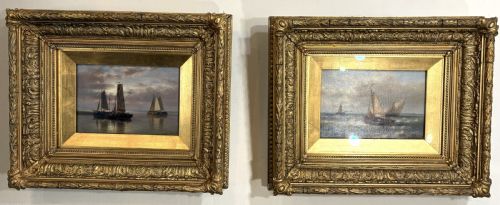


Original Ship Oil Painting
An original ship oil painting captures the historic sweep of maritime commerce and naval conflict across the centuries on canvas and board.
Original Ship Oil Painting
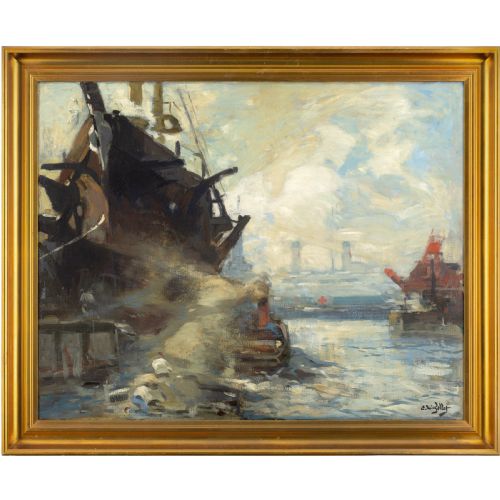
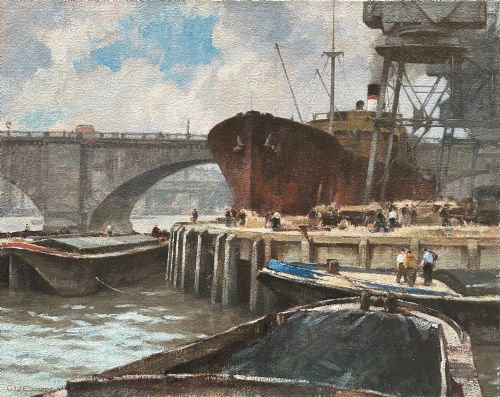
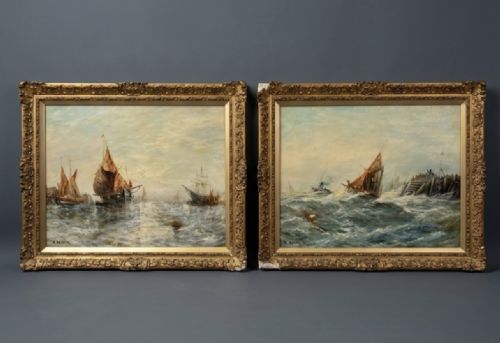
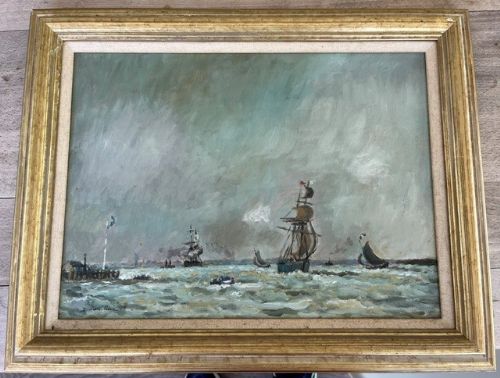
An original ship oil painting represents maritime history through depictions of sailing vessels, clippers, warships, and coastal scenes. These artworks span from the eighteenth century through to the mid twentieth century, encompassing British and continental schools.
The subjects range from calm coastal anchorages and bustling dockyards to dramatic open sea battles and stormy waters. Buyers will find works executed on canvas, board, and card, frequently housed within decorative gilt frames.
Materials and Construction
Artists painted primarily using oil paint applied to stretched canvas or rigid wooden boards and card supports. Many works employ traditional layering techniques to capture the translucent quality of water and the dense atmospheric weight of stormy skies.
The finished artworks are often mounted in gilt wooden frames that complement the maritime subject matter. The physical support frequently reveals the age of the piece through the texture of the weave or the rigidity of the early board.
The collection includes marine art from the 18th, 19th, and 20th centuries, executed in oil on canvas, board, and card.
Distinctions in Quality
The success of a marine painting rests upon the artist's command of maritime architecture, rigging details, and the fluid dynamics of water. Superior examples convey motion and weight with precision, capturing the specific characteristics of different vessel types.
Atmospheric depth and the handling of light on sea and sail distinguish accomplished works from routine topographical records. The integration of the vessel within its maritime environment determines the artistic merit of the piece.
Eugène-Louis Gillot·Cyril Walduck Edwards·Abraham Hulk I·Paul Jean Clays·Johan Jens Neumann·Arthur Joseph Meadows
The Original Ship Oil Painting Glossary
- Seascape
- A work of art depicting the sea, coastal views, and marine vessels. These compositions focus primarily on the water and atmospheric conditions.
- Clipper
- A very fast nineteenth century merchant sailing ship with three masts and a square rig. These vessels are frequently depicted navigating rough seas or entering harbour.
- Gilt
- A gold leaf or gold paint finish applied to wooden frames. This decorative treatment enhances the visual presentation of the oil painting.
- Board
- A rigid flat panel utilised as a painting support instead of stretched canvas. Artists often employed board for smaller outdoor studies and sketches.
Original Ship Oil Painting: Frequently Asked Questions
What periods do these ship paintings cover?
The available works span from the eighteenth century up to the middle of the twentieth century. The majority originate from the nineteenth century and the Victorian era.
Examples include eighteenth century warships, Victorian clippers, and later twentieth century dockyard scenes. This broad chronological range reflects changing maritime technologies and artistic styles.
How should I display an oil painting?
Oil paintings on canvas or board benefit from placement away from direct sunlight and excessive humidity. Stable indoor environments protect both the paint layer and the wooden support.
Many of these works retain their original or period gilt frames, which provide structural support and historical context. Proper hanging ensures the weight of the frame is securely supported on the wall.
Are these works signed by the artists?
Many pieces feature visible signatures, monograms, or attribution to specific nineteenth and twentieth century British and European schools. Some works remain unattributed or carry indistinct signatures.
Documentation often links pieces to known marine artists or regional schools of painting. Signatures help establish the provenance and historical context of the artwork.
What types of ships are depicted?
The subjects include large sailing ships, merchant clippers, armed warships with cannons, and smaller fishing boats. Vessels appear in various settings from open ocean battles to calm coastal waters and busy ports.
Depictions range from historic naval engagements of the eighteenth century to everyday coastal shipping of the Victorian period. Each vessel type reflects the maritime architecture of its specific era.