


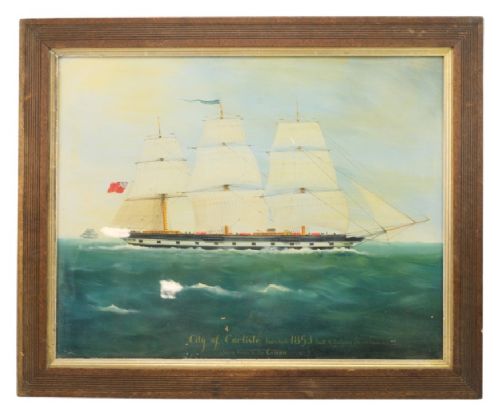
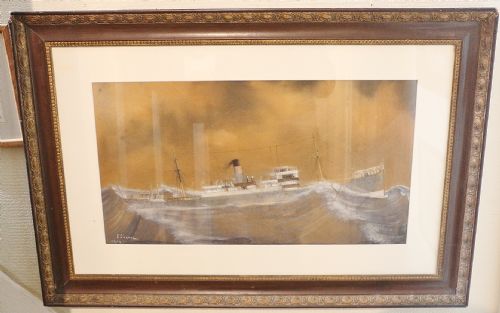
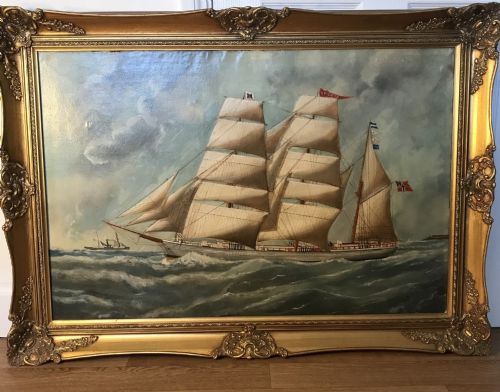
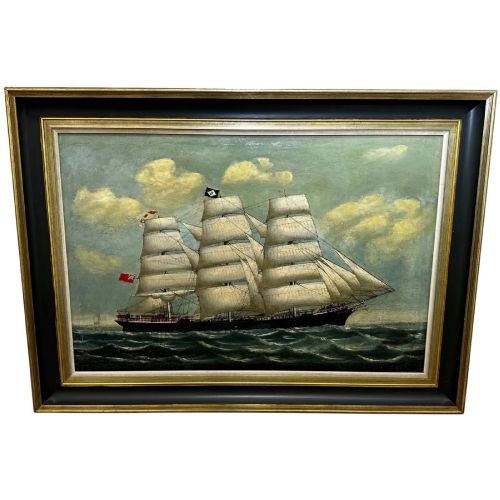


Antique Ocean Vessel Painting
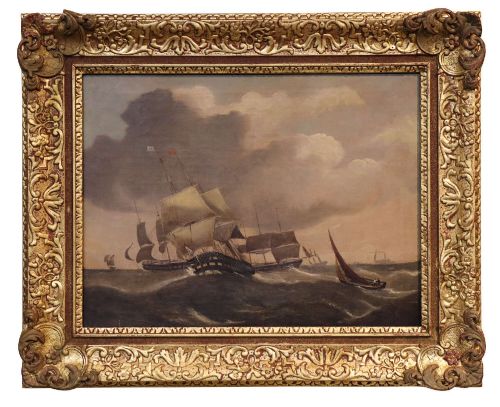
An antique ocean vessel painting captures maritime history on canvas, bringing the drama of historic sailing ships and steamships directly into a room.
Antique Ocean Vessel Painting
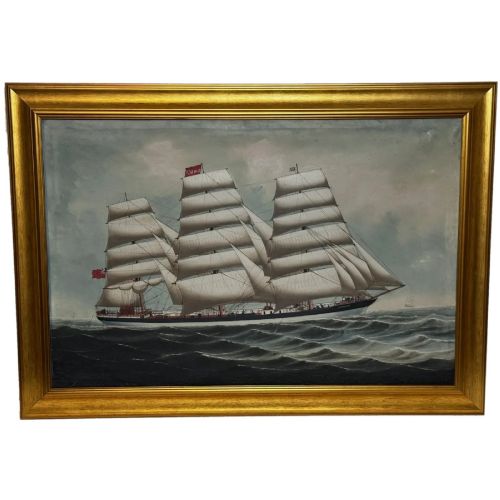
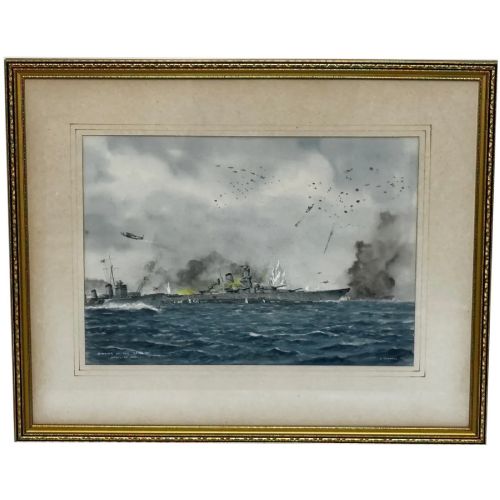
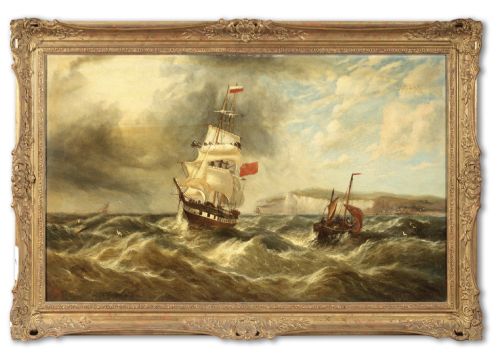
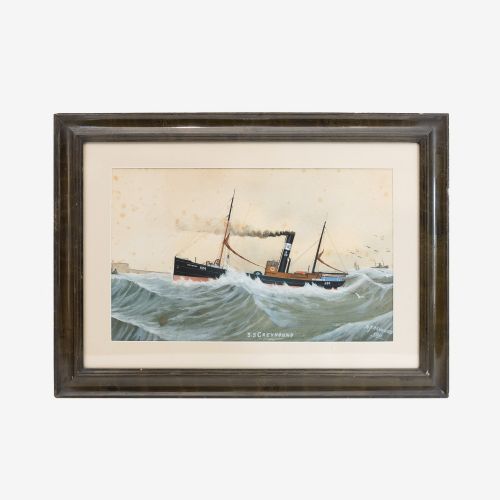
When buyers search for an antique ocean vessel painting, they encounter framed works depicting marine scenes, tall ships, and coastal waters. These artworks record specific vessels like merchant ships, clippers, and steamships navigating rough seas or at anchor.
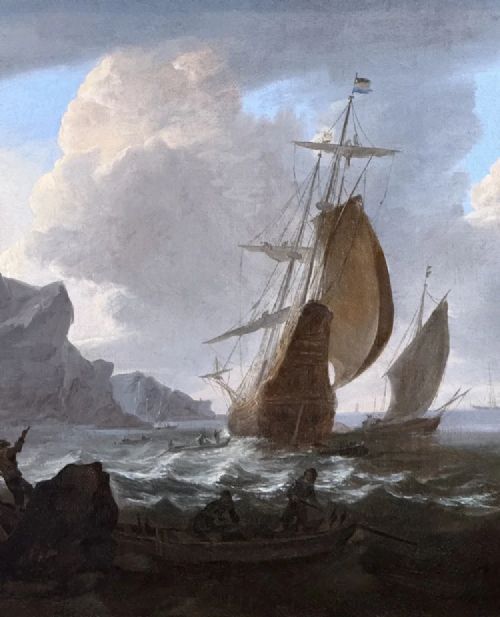
The pieces on this page span from the seventeenth century through to the mid-twentieth century. Victorian marine art and nineteenth-century oils dominate the selection alongside Edwardian watercolours and interwar depictions.
Subjects range from Dutch boats in a gale and Scottish coastlines to named vessels such as the S.S. Greyhound and the clipper ship Thermopylae. Buyers find both large canvases and intimate watercolours portraying naval and merchant history.
How They Were Made
Artists painted these marine scenes using oil on canvas, oil on board, or watercolour and gouache on paper. Canvases were typically stretched over wood frames, while many works incorporated gilt or giltwood framing.
Techniques varied from detailed pierhead portraits documenting individual ships to atmospheric seascapes capturing choppy waters and stormy skies. Some works utilised fine brushwork to record rigging and hull details accurately.
One exceptional listing contains a miniature steam ship trapped entirely inside a glass bottle.
What Varies in Quality
Quality in an antique ocean vessel painting depends upon the artist's ability to render nautical anatomy and water movement convincingly. Superior works demonstrate precise handling of light on sails and accurate depiction of ship rigging.
Provenance and documentation also distinguish the works, as paintings with identified vessels, recorded artists, or historical association carry greater documentary significance. The condition of the canvas, paper, and original framing further influences the standing of each piece.
Reginald Arthur Borstel·John Rose Miles·Bonaventura Peeters·Lai Fong·Alexander Harwood·Charles William Adderton·Daniel Sherrin·Hendrik Willebrord Jansen·Samuel Owen·George Gregory·Gustave De Breanski·Frank Wood·William Boyce·Richard Ball Spencer·Thomas Bush Hardy
The Antique Ocean Vessel Painting Glossary
- Barque
- A sailing vessel with three or more masts having the fore- and mainmasts square-rigged and the mizzenmast fore-and-aft rigged. This rig appeared frequently on nineteenth-century trade routes.
- Clipper
- A very fast nineteenth-century merchant sailing ship with three masts and a large sail area. These vessels are celebrated for their speed in moving tea and wool.
- Gouache
- A method of painting using opaque watercolours bound in glue. Artists combined gouache with watercolours to create high-contrast highlights on maritime waves and sails.
- Pierhead painting
- A specialised genre of marine art created to portray specific ships accurately for owners or captains. These portraits were often commissioned when a vessel arrived in port.
- Seascape
- A work of art depicting the sea, distinct from landscapes by its primary focus on open water and marine weather.
Antique Ocean Vessel Painting: Frequently Asked Questions
What periods do these maritime paintings come from?
The listings include works originating from the seventeenth, nineteenth, and early twentieth centuries. Artists from the Victorian and Edwardian eras are particularly well represented.
Pieces also extend into the interwar period and mid-century, reflecting changing vessel designs from wooden barques to steamships.
How can I tell a watercolour from an oil painting?
Oil paintings utilise thick pigments on canvas or board, creating a textured surface that often requires protective framing under glass or open display in a heavy frame. Watercolours use thinner, water-soluble pigments on paper.
Watercolour works are executed on paper, often combined with gouache for opacity, and require glazing behind glass to protect the delicate surface from moisture.
Were these ship portraits painted from life?
Many marine artists observed ships directly in ports or recorded specific vessels commissioned by shipping lines and captains. Pierhead painters specifically documented ships as they entered or left harbour.
Other historical scenes were constructed from sketches, logs, and maritime knowledge of how vessels handled in heavy seas or gales.
How do I display an antique marine painting?
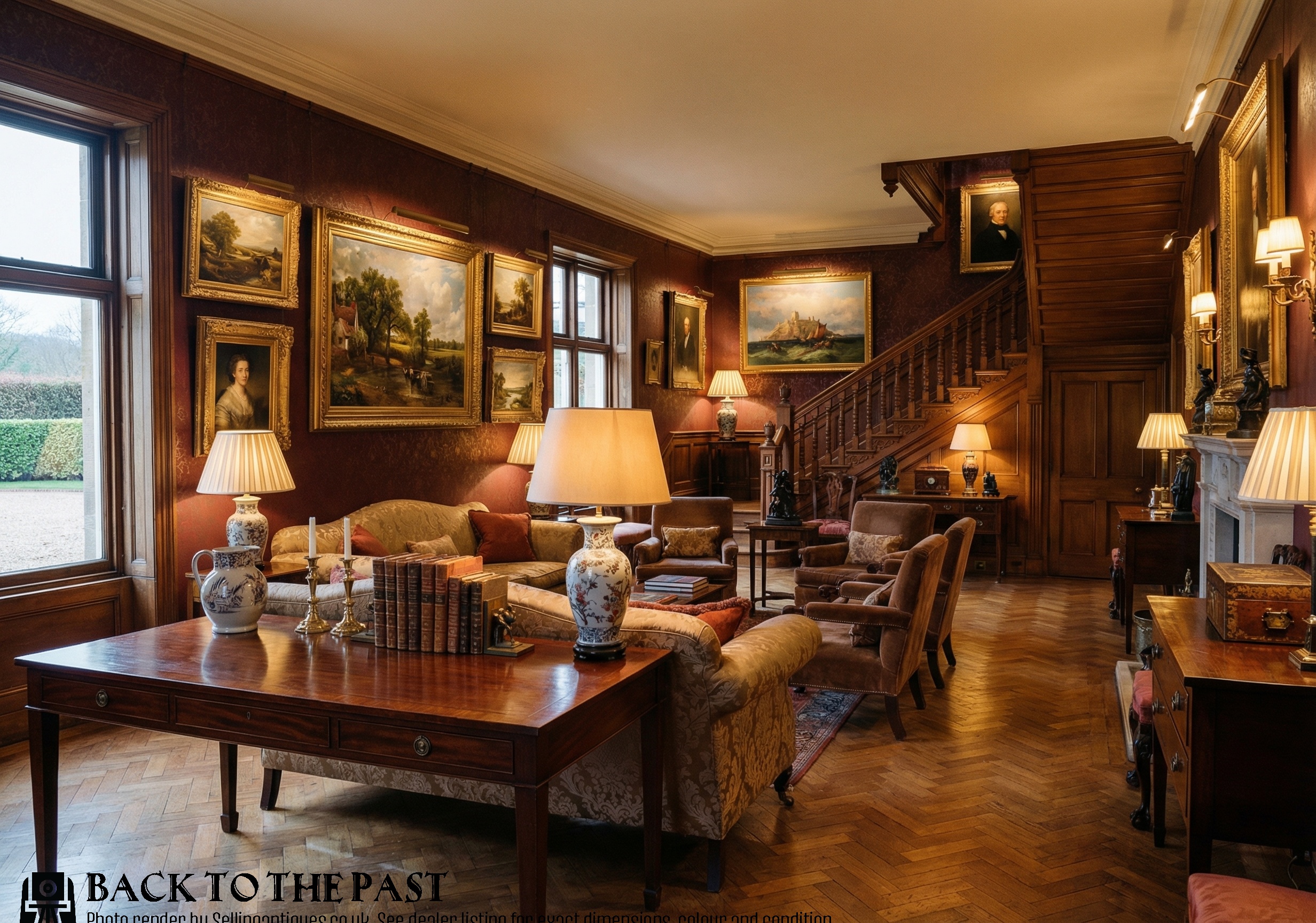
Antique maritime works suit traditional studies, libraries, or living spaces with neutral walls that allow the dark tones of stormy seas and wooden hulls to stand out. Proper placement avoids direct sunlight to protect watercolours and oil pigments.
Matching the period of the frame to the room or keeping the original giltwood frame intact helps anchor the artwork within a historic interior scheme.