
Framed Portrait Miniature Artwork
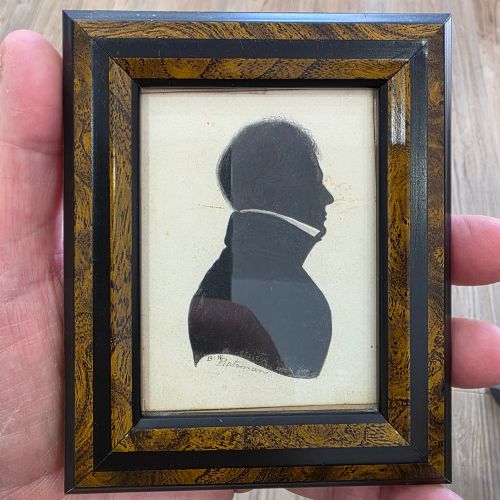
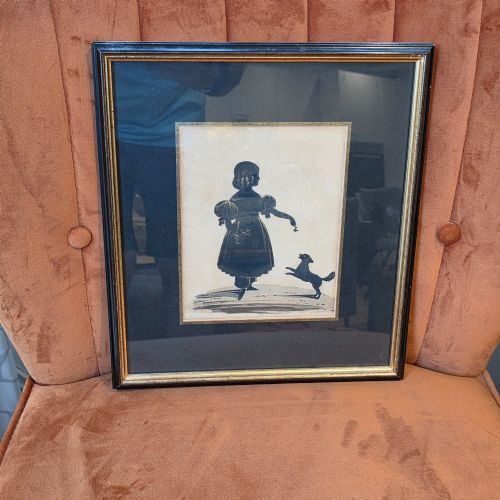
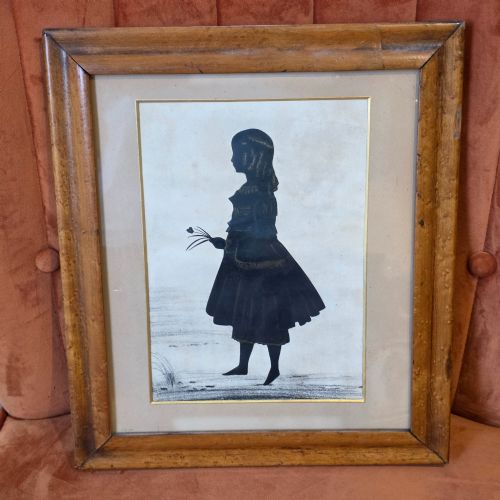
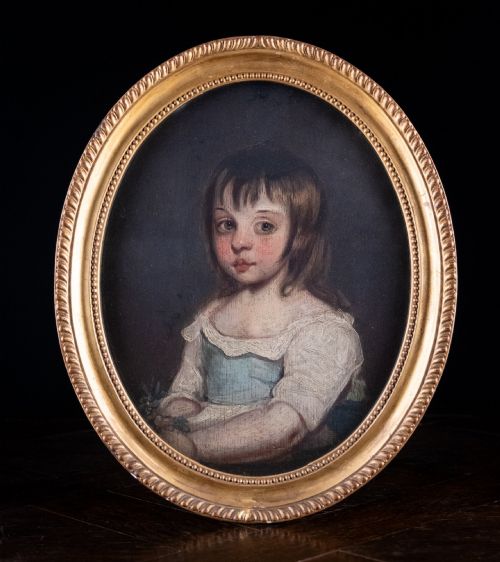
These framed portrait miniature artwork pieces are intimate, hand-painted or cut paper likenesses enclosed in period surrounds that bring historical presence to small spaces.
Framed Portrait Miniature Artwork
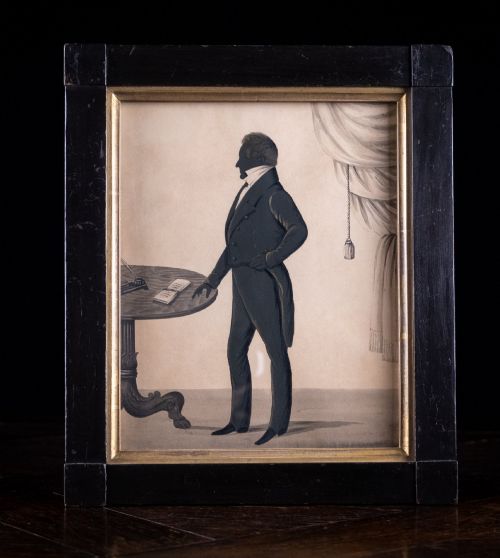
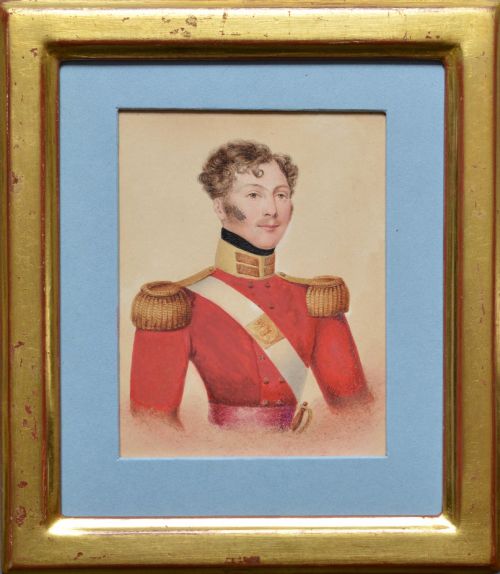
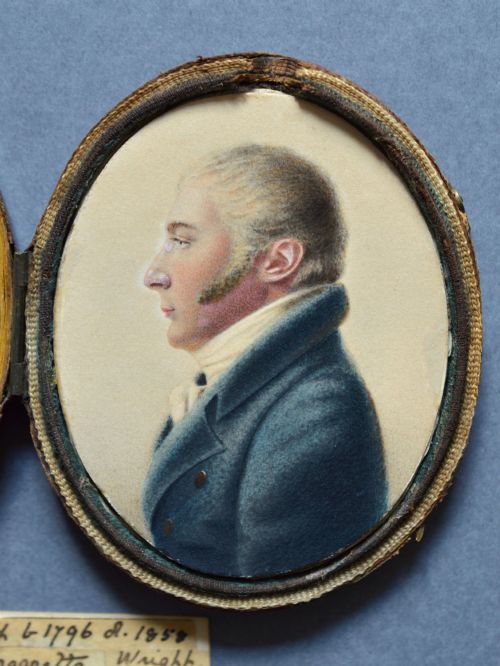
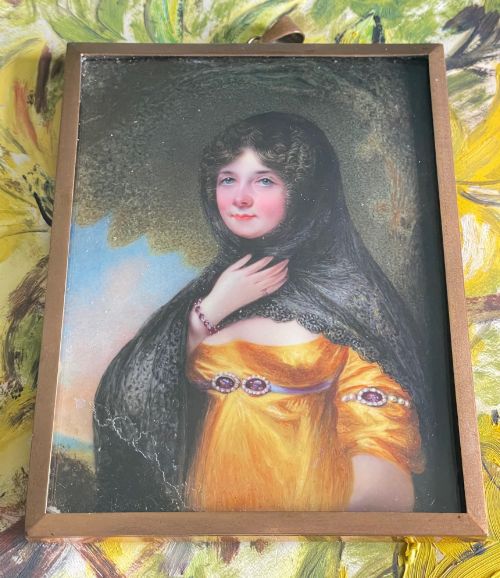
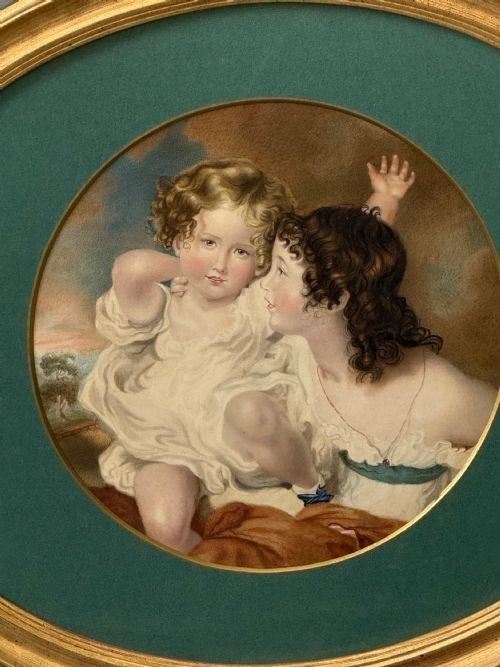
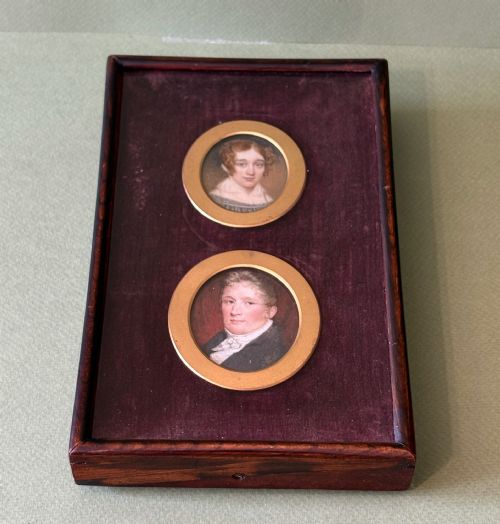
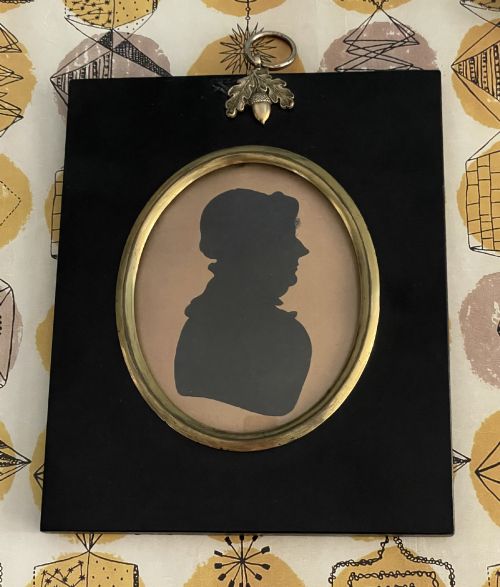
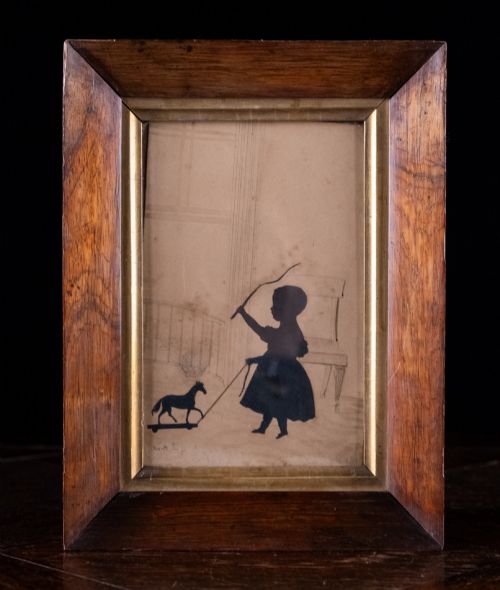
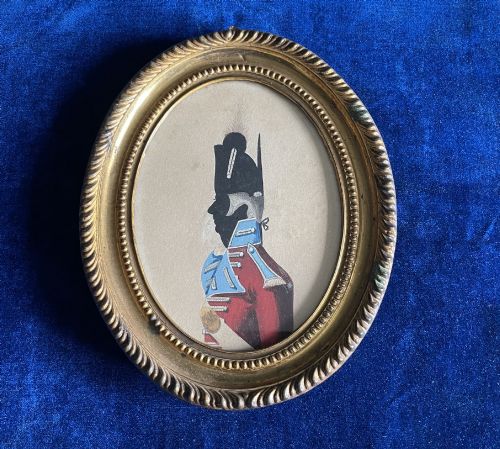
When searching for framed portrait miniature artwork, buyers encounter portable likenesses executed across the eighteenth and nineteenth centuries. These small-scale works capture officers, children, ladies, and gentlemen in profile or half-length poses.
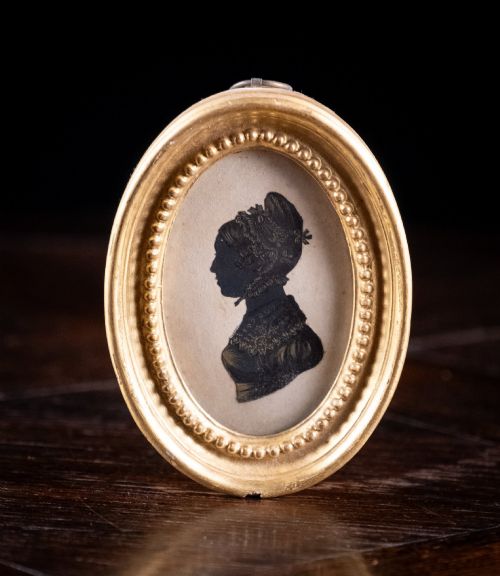
The most common examples on this page are watercolour paintings and cut-paper silhouettes housed in timber, brass, or giltwood surrounds. Pieces span Georgian, Regency, and Victorian periods, reflecting shifting tastes in domestic portraiture.
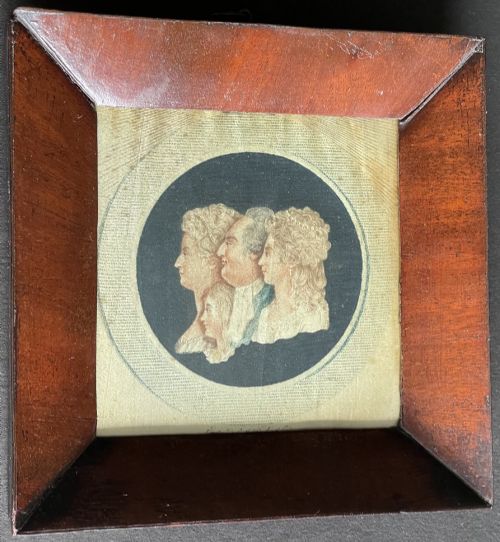
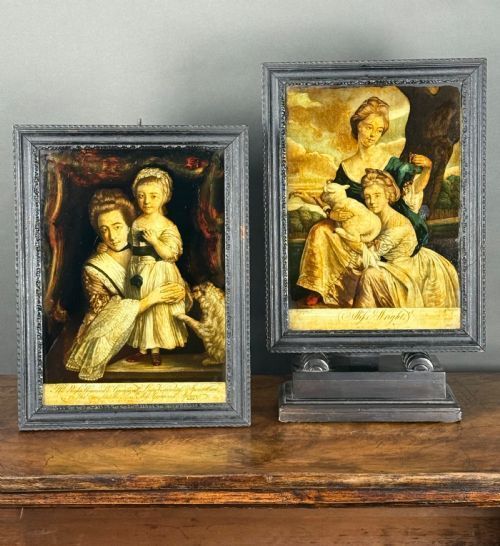
Works range from British School watercolours to Indian School miniatures and French prints on silk. Each object preserves the likeness of an individual through meticulous media applied to paper, glass, or enamel.
How they were made
Artists painted these works using delicate watercolours, gouache, enamel, or plumbago on paper, card, or glass surfaces. Silhouette makers employed precise cutting and gilding techniques to render crisp profiles of sitters.
Listings feature eighteenth and nineteenth-century portrait miniatures rendered in watercolour, enamel, and cut paper within period wooden and gilt frames.
What varies in quality
William James Hubard·Thomas John Horsley·Horace Hone·James Gillespie·Augustin Edouart·John Taylor·Frederick Buck·Albin R Burt
The Framed Portrait Miniature Artwork Glossary
- Plumbago
- A finely detailed graphite drawing executed on vellum or paper. These monochrome works gained popularity during the Georgian period for their crisp linear precision.
- Silhouette
- A portrait profile cut from black paper or painted in solid pigment. Artists often added gilt highlights to accentuate clothing details and hair.
- Reverse glass mezzotint
- An image transferred and painted directly onto the underside of a glass panel. This technique creates a luminous, polished finish unique to eighteenth-century works.
- Giltwood
- Timber carved and coated with gold leaf or gold paint. Frames utilising this finish provide a bright, ornate border for small paintings.
Framed Portrait Miniature Artwork: Frequently Asked Questions
Where were miniature portraits displayed?
Owners typically hung these small pieces in intimate rooms, private studies, or bedchambers where viewers could examine them closely at eye level.
People also carried portable examples during travel to keep likenesses of family members nearby.
How do I identify a Regency silhouette?
Regency silhouettes frequently feature cut paper mounted on card, sometimes enhanced with delicate gold leaf highlights on attire.
Artists often signed these pieces or applied trade labels to the reverse of the frame.
What materials protect these artworks?
Original pieces use fitted glass panes held within wooden, brass, or gilt frames to shield delicate watercolours and paper from dust.
Backings usually consist of old timber boards secured with historic pins or sealing paper.
Can I hang multiple miniatures together?
Grouping several small portraits on a single wall creates a striking display reminiscent of nineteenth-century domestic interior arrangements.
Collectors often mix silhouettes, watercolours, and oval frames to add variety to a gallery wall.