




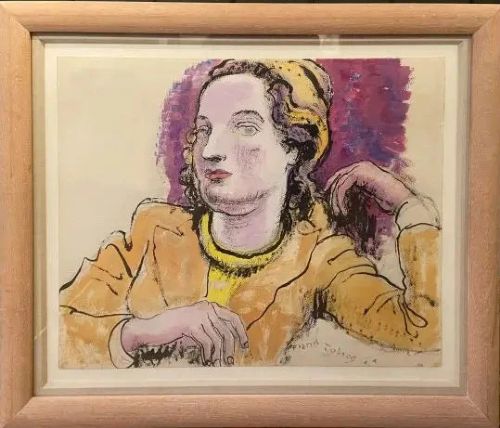
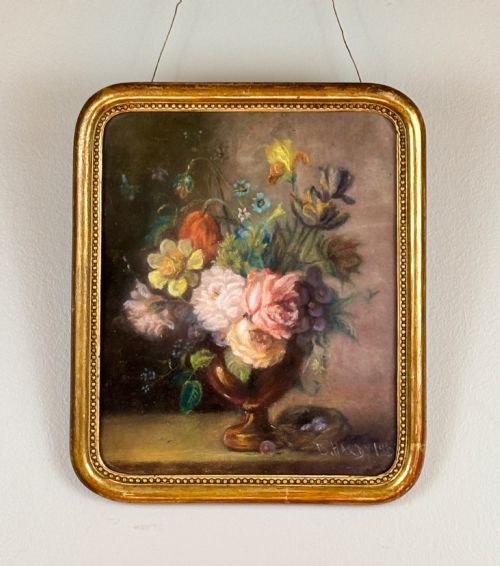
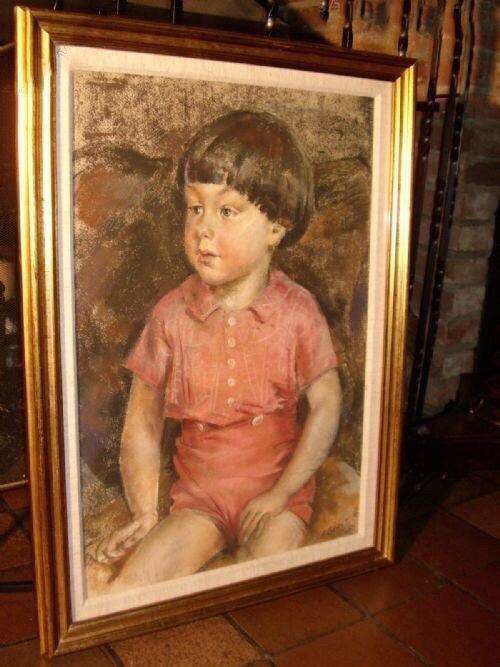
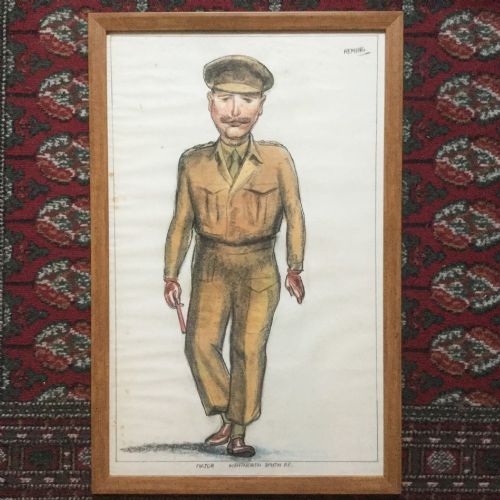
Framed Pastel Painting
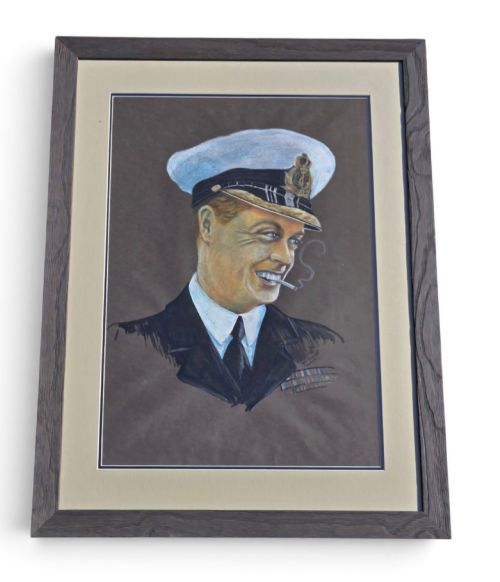
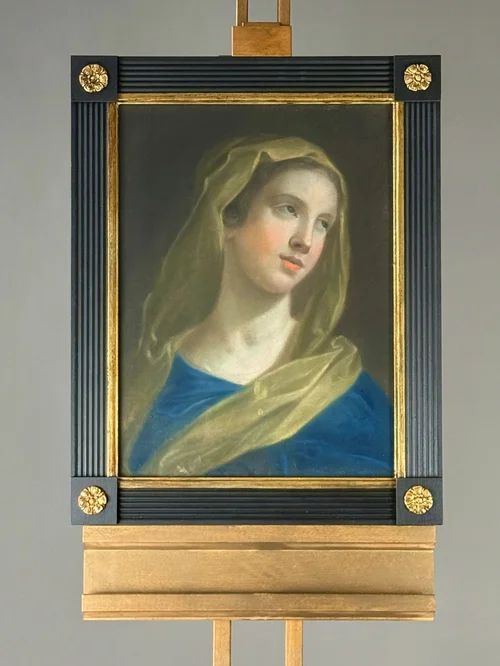
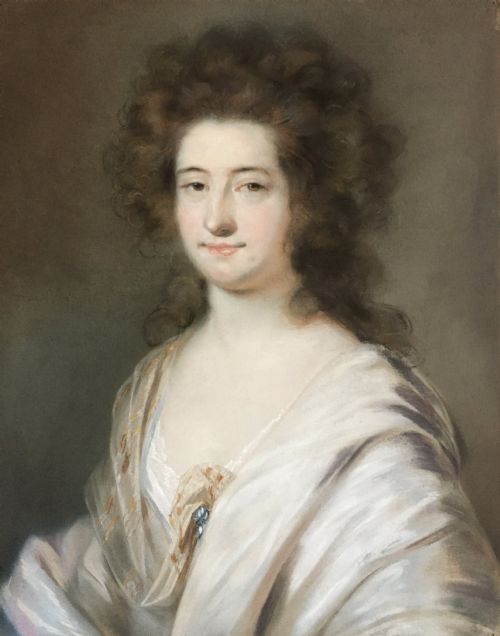
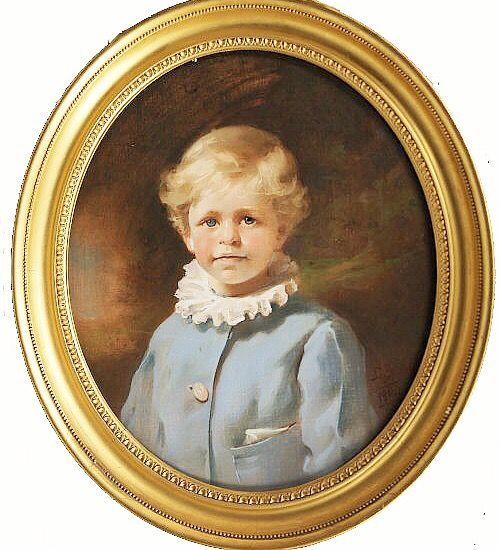
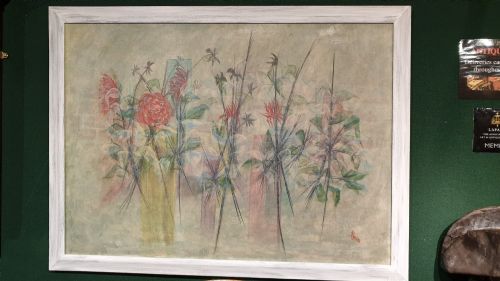
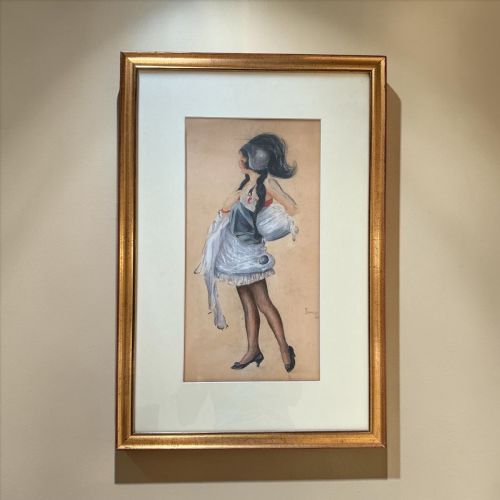
These framed pastel painting selections bring together delicate paper mediums and period frames to capture portraiture and landscapes.
Framed Pastel Painting
A framed pastel painting brings together delicate powdered pigment work on paper and protective glass enclosures. When exploring framed pastel painting options on this page, buyers encounter portrait miniatures, full-scale portraits, and landscape studies.
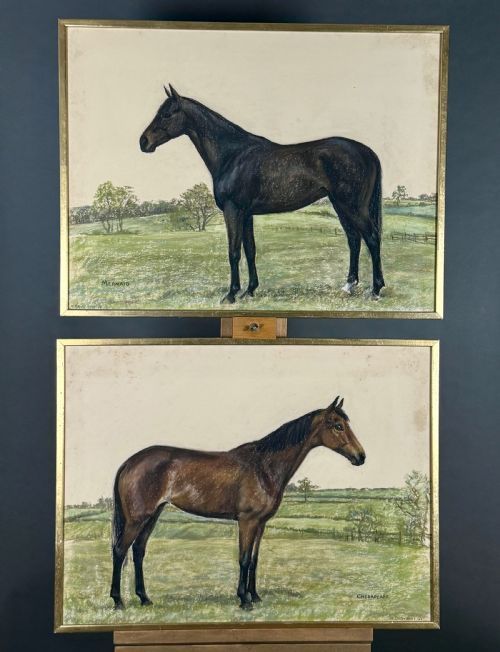
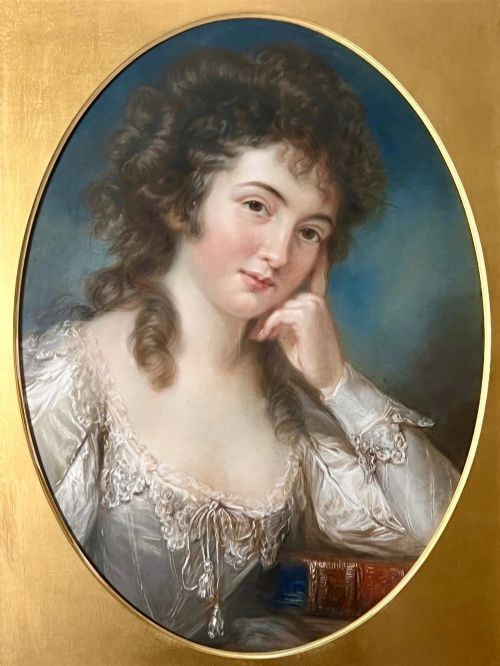
The selections span centuries from the Georgian and Victorian eras through Edwardian pieces to mid-century modern works. Portraiture dominates the offerings, alongside animal studies and country house scenes.
Most pieces arrive ready to hang in period timber mouldings, retaining their original glazing. The variety ranges from intimate cabinet portraits to large statement pieces.
Materials and technique
Makers laid pure powdered pigment bound with gum onto textured paper supports, sometimes combining pastel with gouache, watercolour, or gold leaf. Because pastels lack liquid binder, artists relied on protective glass to prevent the chalky pigment from smudging over time.
Wood frames, including giltwood mouldings, house the works to secure the paper and glass layers. Many pieces utilise traditional joinery and antique glass panes that show subtle surface ripples.
Assessing quality
Quality rests in the sureness of the hand and the preservation of the pigment layer beneath the glass. Finer works display exact anatomical detail and subtle tonal blending rather than heavy, overworked strokes.
The integrity of the original frame and the stability of the paper support dictate the standing of a piece. Superior examples retain crisp pigment density without significant fading or dust accumulation behind the glazing.
James Sharples·Emily Eyres·Herskind·Benedetto Luti·John Russell·Leon Sprinck·Frank Dobson·J A Grant·Thomas Gainsborough·Joseph Knight·William Greaves·John Hobson Nicholson·Robert Leslie Howey·Rudolf Helmut Sauter
The Framed Pastel Painting Glossary
- Pastel
- A dry painting medium consisting of powdered pigment and a binder rolled into sticks. It allows for immediate colour application and velvet-like textures.
- Gouache
- An opaque water-based paint often used alongside pastel to add highlights and solid areas of colour.
- Giltwood
- Timber carved and coated with a thin layer of gold leaf or gold paint. It provides an ornate, reflective border for fine works on paper.
- Portrait miniature
- A small-scale painting, often executed in pastel or watercolour, designed for intimate viewing. These demand exceptional precision due to their diminutive dimensions.
- Equestrian study
- An artwork focused primarily on the depiction of horses. These pieces require accurate rendering of animal anatomy and movement.
Framed Pastel Painting: Frequently Asked Questions
How do I clean the glass on a framed pastel painting?
Clean the exterior glass carefully using a soft cloth and standard glass cleaner applied to the cloth rather than directly to the frame. Avoid pressing heavily against the glass surface to prevent the fragile paper underneath from making contact with the pane.
Keep moisture entirely away from the wooden frame joints and the backing boards. Professional framing sealing tape should remain undisturbed to protect the interior environment from dust and humidity.
Where should I hang a pastel painting at home?
Position your framed pastel painting away from direct sunlight and strong artificial heat sources to prevent the pigments from fading and the paper from drying out. Interior walls with stable ambient temperatures offer the safest environment for works on paper.
Ensure the hanging wall is free from dampness and exterior temperature fluctuations. Using sturdy picture hooks matched to the weight of the timber and glass frame guarantees secure display.
Are these pastel paintings all on paper?
Most works utilise paper as the primary drawing surface for the pastel medium. Some specific pieces incorporate canvas supports to hold the powdered pigment and binding agents.
Examining the listed materials reveals whether a particular piece utilises traditional paper sheets or canvas grounds. Both methods rely on protective glazing to preserve the delicate surface texture.
How can I tell an eighteenth-century pastel from a later copy?
Eighteenth-century works typically display hand-laid paper with distinct watermarks, paired with period-appropriate timber frames and old backing boards. The handling of the pigment often shows the characteristic restraint and tonal subtlety of the period.
Examining the framing materials, fixings, and paper condition provides reliable clues regarding age. Comparing the style to documented works by contemporary practitioners helps confirm the era.