
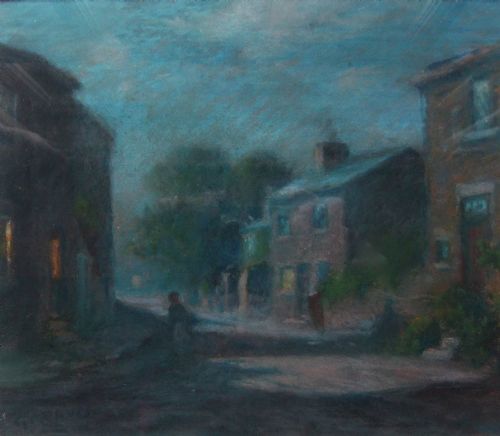


Pastel Drawing on Paper
When you search for pastel drawing on paper, you find fragile portraits, lively animal studies and atmospheric landscapes spanning multiple centuries.
Pastel Drawing on Paper
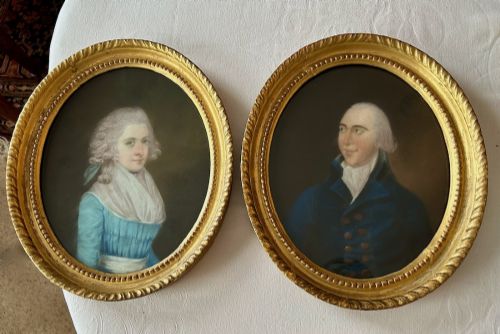
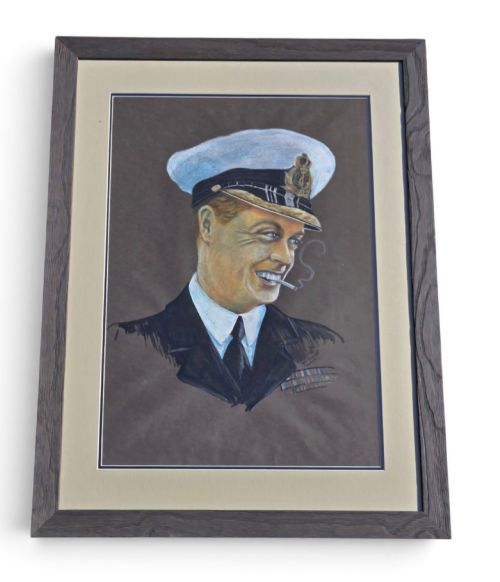
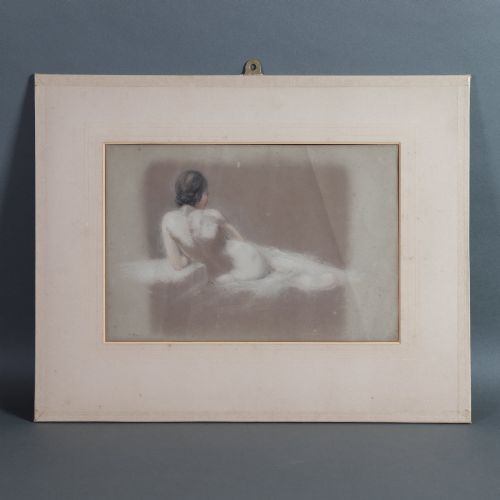
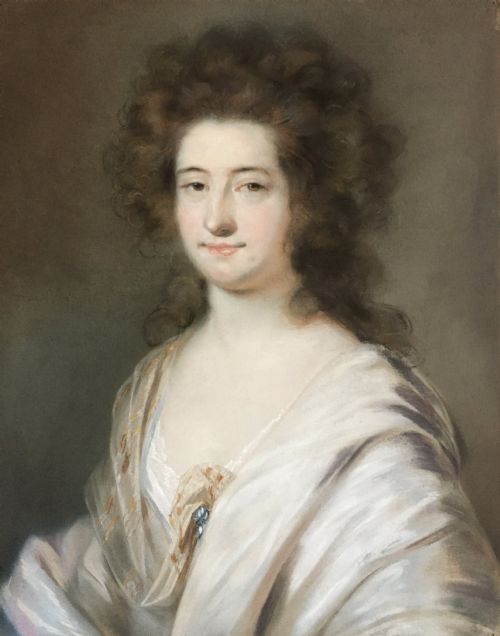
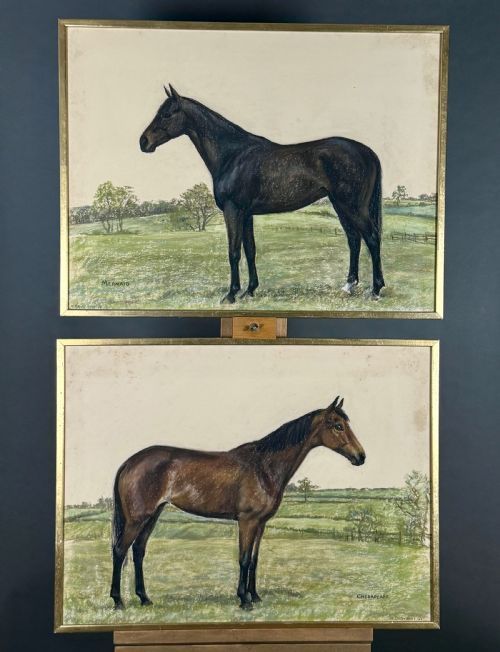
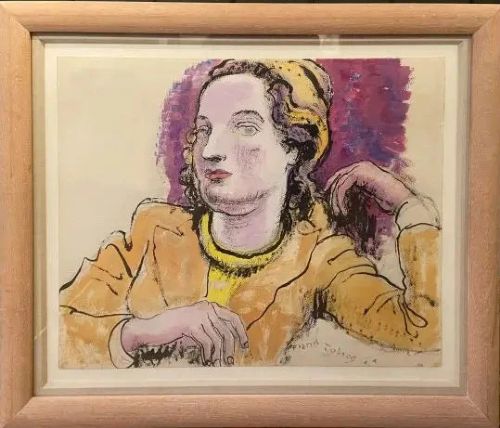
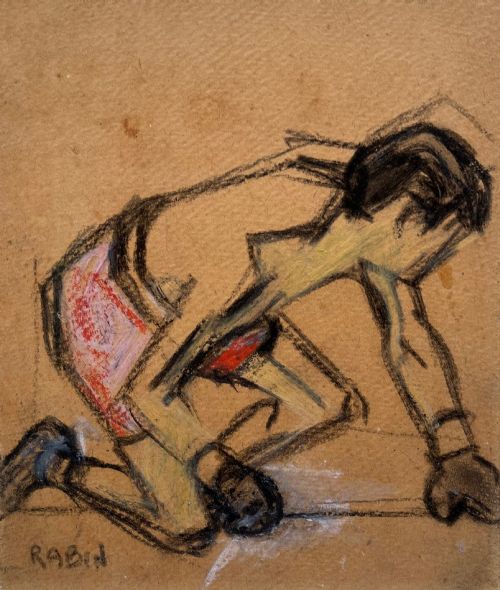
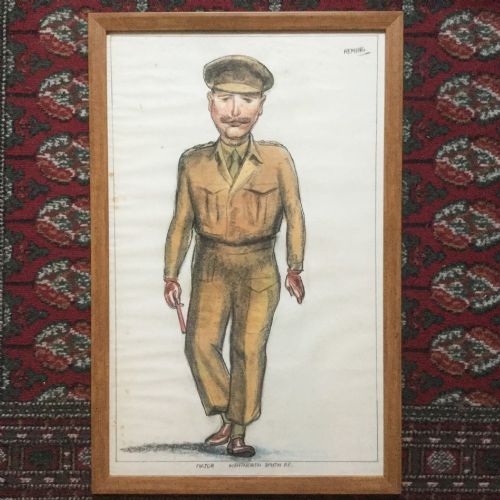
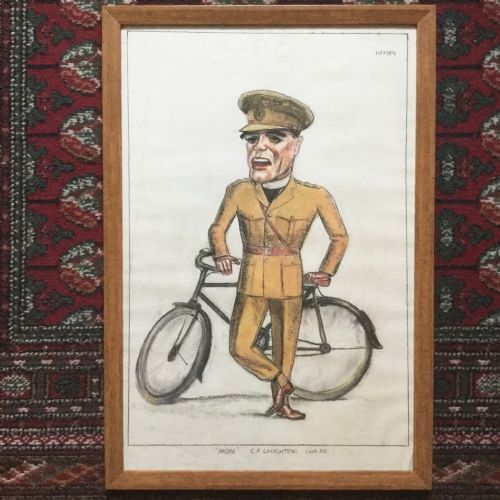
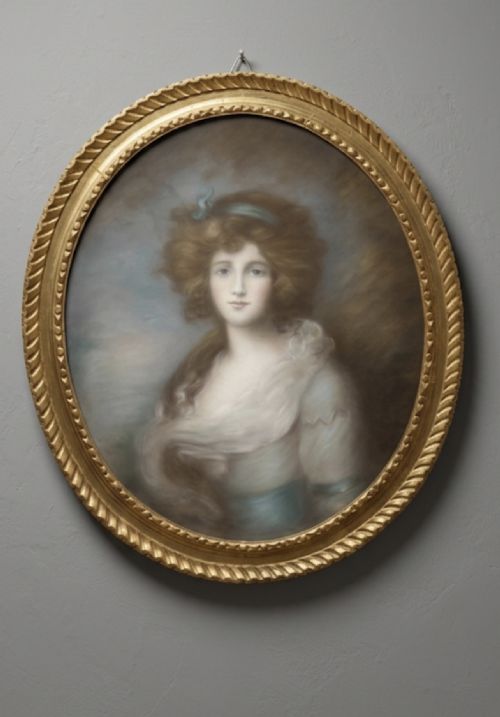
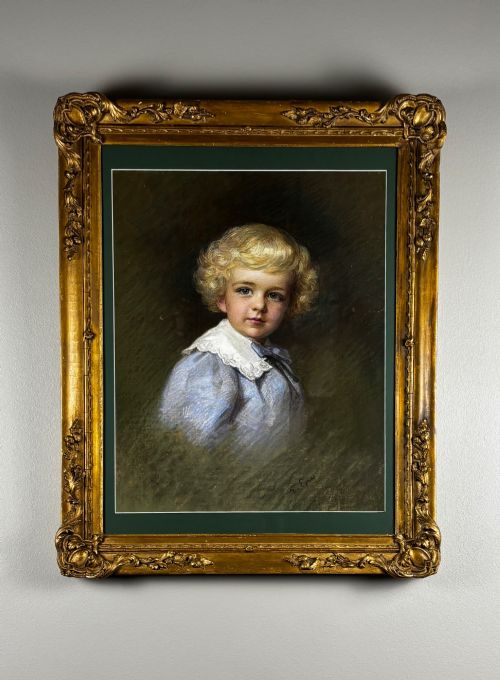
A pastel drawing on paper brings together delicate dry pigments and sensitive supports to capture portraits, landscapes and animal studies. The selection ranges from eighteenth-century society likenesses and nineteenth-century character studies to twentieth-century post-impressionist scenes and abstract compositions.
The material surface preserves the direct touch of the artist through chalk, charcoal and pastel pigments. Most surviving examples arrive framed behind glass in period wood or giltwood surrounds, protecting the friable medium from disturbance.
How they were made
Artists apply ground pigments bound with gum directly onto paper, sometimes enhancing definition with charcoal, chalk or watercolour washes. Coloured or toned paper provides a middle tone that allows highlights and deep shadows to emerge swiftly.
Framing behind glass remains essential for survival because dry pastel particles lack the chemical binders of oil paint. Many works retain their original giltwood or wood frames, which hold the protective glazing slightly away from the delicate paper surface.
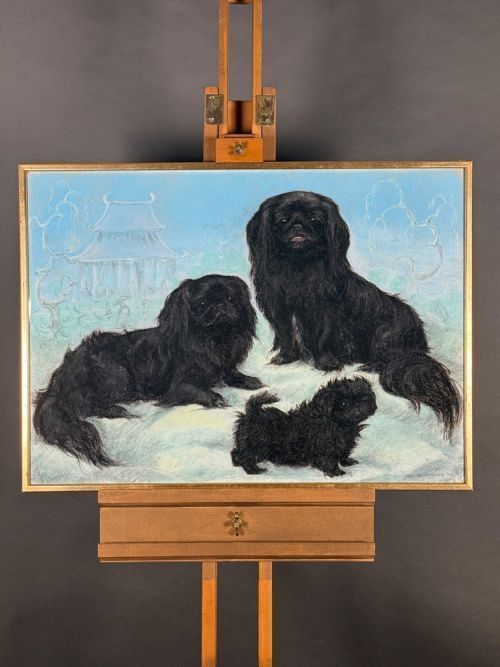
Among the historical sitters preserved in powdery pastel dust are a nursery poodle named John Parry and three very serious Pekingese dogs.
What varies in quality
The vitality of the draughtsmanship dictates the strength of each pastel drawing on paper, separating hurried sketches from fully realised works. Confident handling of pigment reveals the bone structure of a portrait or the motion of horses and figures.
Condition and preservation heavily influence the standing of any piece. Works that retain their dense powder saturation without significant pigment loss or damp staining demonstrate superior survival through the centuries.
William Etty·Frank Dobson·Samuel Rabin·John Rattenbury Skeaping·Arthur Todd·Adrian Heath·Denis William Reed·Lena M Alexander·Aubrey Sykes·Nathaniel Bermingham·John Macallan Swan·George Richmond·John Parry
The Pastel Drawing on Paper Glossary
- Pastel
- A dry art medium composed of powdered pigment and a binder, shaped into a stick for drawing. It produces rich, velvety colour surfaces.
- Giltwood
- Wood carved and covered with a thin layer of gold leaf, commonly found on traditional frames enclosing historical portraits.
- Post-Impressionism
- An art movement following impressionism that focuses on expressive forms and symbolic use of colour rather than pure visual realism.
- Gouache
- An opaque water-based paint frequently used alongside pastel and charcoal to build solid highlights and dense background areas.
Pastel Drawing on Paper: Frequently Asked Questions
Why are pastels framed behind glass?
Glass protects the delicate, unsealed pigment particles from air currents, dust and accidental touch.
Without this physical barrier, the dry chalk and pastel powder would easily smear or flake away from the paper.
Can I hang these drawings in direct sunlight?
Bright sunlight causes fugitive pigments and tinted paper grounds to fade permanently over time.
Display your artwork on an interior wall away from windows and strong artificial heat sources.
How do I identify the date of a pastel?
Examine the style of clothing in portraits, the framing construction and any signatures or inscriptions on the backing paper.
Stylistic movements like Georgian, Victorian or Mid-Century Modern offer strong clues to the decade of creation.