




Signed Pastel Wall Art
Signed pastel wall art brings expressive, hand-drawn character to a room through coloured chalks and pigments fixed to paper or canvas.
Signed Pastel Wall Art
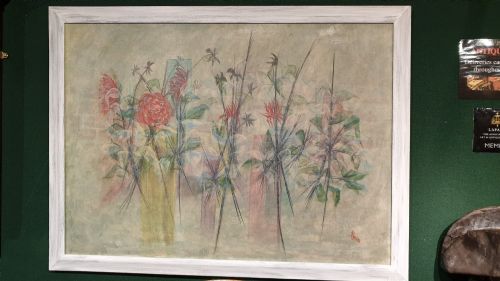
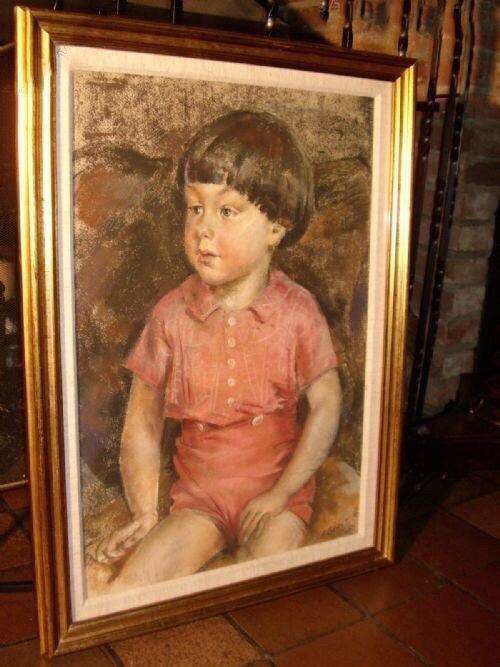
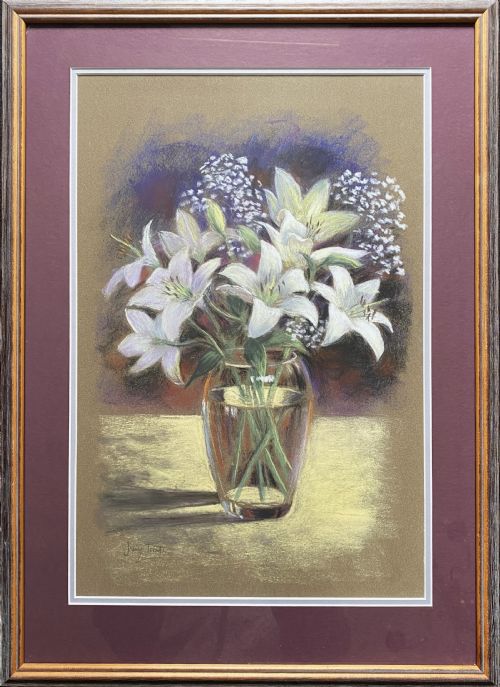
When you search for signed pastel wall art, you encounter a focused selection of framed works spanning the Victorian era through to the mid-twentieth century. The material ranges across traditional portraiture, horse racing scenes, and floral still life subjects created by named and anonymous hands.
The pieces on this page lean heavily toward mid-twentieth-century examples, including works from the nineteen-fifties and nineteen-sixties alongside nineteenth-century watercolours and pastels. You find subjects executed on paper and canvas, preserved beneath glass within wooden frames.
Materials and construction
These works rely on pastel, chalk, and oil pastel applied to paper, coloured paper, or canvas, frequently supported by gouache or watercolour highlights. The delicate pigment requires framing beneath glass to protect the surface from smudging and environmental damage.
Wooden frames secure the artwork, housing the paper or canvas backing securely within the structure. Each piece demonstrates the direct application of dry pigment by hand, capturing fine lines and soft tonal gradations.
The listings span from Victorian portraits through to nineteen-sixties abstracts, utilising pastel, chalk, oil paint, and watercolour on paper or canvas.
Assessing quality and execution
Quality rests in the sureness of the hand and the precision of the draughtsmanship, separating hurried sketches from fully realised compositions. The handling of light, expression, and anatomical accuracy distinguishes the finer portraits and studies from simpler decorative works.
Condition plays a role, particularly the preservation of the delicate pastel surface beneath the glass and the integrity of the original frame. Works that retain vibrant pigment without heavy fading or paper degradation command greater visual presence.
Mark Ingram·J.A.Grant·John Rattenbury Skeaping·J Bizo·Adrian Heath·Robert Faulkner·Jennifer Toombs
The Signed Pastel Wall Art Glossary
- Pastel
- A dry painting medium consisting of powdered pigment and a binder, producing rich, velvety colour. It requires careful protection under glass due to its fragile surface.
- Gouache
- An opaque water-based paint often used alongside pastels to add bright highlights and dense areas of colour. It provides strong contrast in mixed media works.
- Orientalism
- An artistic style depicting scenes and people from the Middle East, popular in the nineteenth century. These works often focus on local costume and architecture.
- Post-Impressionism
- A stylistic movement following Impressionism that emphasises symbolic content, expressive brushwork, and bold use of colour. Artists in this tradition pushed beyond direct visual observation.
- Watercolour
- A painting method where natural pigments are suspended in a water-based solution, typically applied to paper. It creates transparent washes of light and colour.
Signed Pastel Wall Art: Frequently Asked Questions
Are all these works framed?
The listings on this page consist of framed artwork ready for hanging on a wall. The frames protect the delicate pastel and paper mediums from physical damage.
Some retain older wooden frames that show minor age, adding historical context to the piece.
What subjects are common in these pastels?
Portraits dominate the selection, depicting figures ranging from Victorian sitters to mid-century children and Arabian subjects. You also encounter floral still lifes and dynamic animal studies.
Each subject reflects the artistic interests of its specific period, from traditional realism to mid-century abstraction.
How can I tell the age of a piece?
Dating relies on signatures, stylistic markers, and framing materials that align with nineteenth-century or mid-twentieth-century traditions. Typed or handwritten notes on the reverse sometimes provide exact dates.
The paper type, subject matter, and clothing styles depicted in portraits also offer clear clues to the decade of creation.