
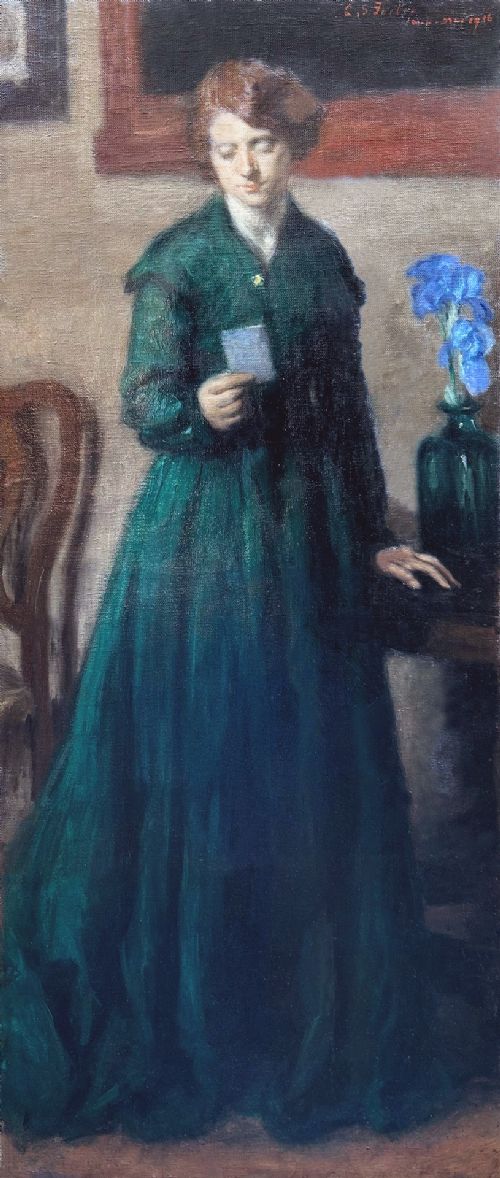
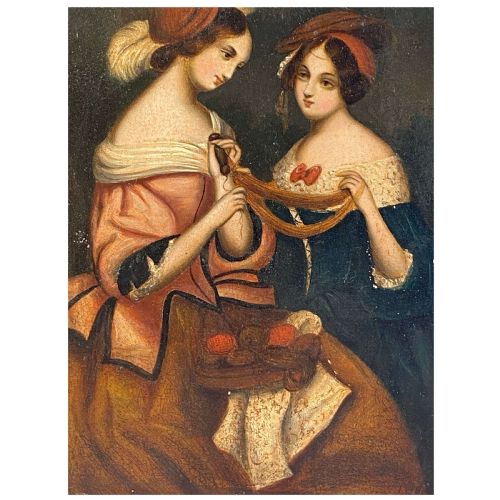


.jpg)
Blue Dress Figurative Painting
A blue dress figurative painting captures a subject in pigment on canvas or paper, offering an intimate glimpse into historical portraiture and genre scenes.
Blue Dress Figurative Painting
The subjects range from Victorian children and circus ballerinas to young women in domestic or rural settings. These pieces showcase various movements, including British Impressionism, Post-Impressionism, and Early Twentieth Century Realism.
Materials and methods
Artists utilised oil paint on canvas, zinc panels, and traditional supports to build rich, textured surfaces. Watercolour and pastel pigments were equally favoured for capturing delicate tones on paper.
Techniques varied from the fine detail of nineteenth-century academic work to the looser brushwork of Impressionist and Post-Impressionist approaches.
Listings feature works created across three centuries, utilising oil, pastel, watercolour, canvas, and glass.
Assessing quality and execution
The distinction between standard works and finer examples lies in the confidence of the draughtsmanship and the handling of light. Masterful brushwork in an oil painting or precise control in a watercolour elevates a piece significantly.
Condition and the preservation of the original pigment also dictate the standing of a work, particularly in pastel and paper mediums where fugitive colours are susceptible to fading.
Charles Stuart Forbes·Linnie Watt·Fred Morgan·John Osborn·Harry J Pearson·William Lee Hankey
The Blue Dress Figurative Painting Glossary
- Genre painting
- Depiction of aspects of everyday life by depicting ordinary people engaged in common activities. These works provide valuable social history alongside artistic merit.
- Zinc panel
- A flat sheet of metal used as a rigid painting support instead of canvas or wood. Artists valued it for its smooth, stable surface.
- Pastel
- A dry painting medium consisting of powdered pigment and a binder. It allows for immediate colour application and soft gradations.
- Watercolour pigment
- Colour suspended in a water-based solution, traditionally applied to paper. It relies on the white of the paper to show through translucent washes.
- Post-Impressionism
- An art movement extending roughly from the late nineteenth century that rejected impressionist naturalism in favour of more expressive forms.
Blue Dress Figurative Painting: Frequently Asked Questions
What periods do these paintings come from?
The works span multiple centuries, ranging from eighteenth-century portraits to mid-century modern pieces. Victorian and early twentieth-century examples are particularly well represented.
Different eras brought distinct stylistic approaches, moving from formal portraiture toward impressionistic treatments of light and subject.
How are pastel portraits preserved?
Pastels require protection behind glass to prevent the loose pigment from smudging or lifting off the paper support. Framing must keep the glass from touching the surface of the artwork directly.
Stable environmental conditions with minimal humidity and UV protection help maintain the vibrancy of the pigments over time.
What is the difference between oil and watercolour?
Oil paint uses drying oils to bind pigments, allowing for thick impasto applications and effortless blending on canvas or panel. Watercolour employs a water-soluble binder on paper, creating translucent washes.
Oils offer a heavier, more durable finish, whereas watercolours present a lighter, more immediate effect.
How do I display figurative art safely?
Figurative paintings and works on paper should be placed away from direct sunlight and strong artificial heat sources. Direct exposure to UV rays causes fading in watercolours and pastels.
Maintaining stable indoor temperatures prevents warping in wooden panels and canvas stretchers.