

Framed Original Architectural Art
Framed original architectural art brings buildings, streets and civic spaces to life through period hand and brush.
Framed Original Architectural Art
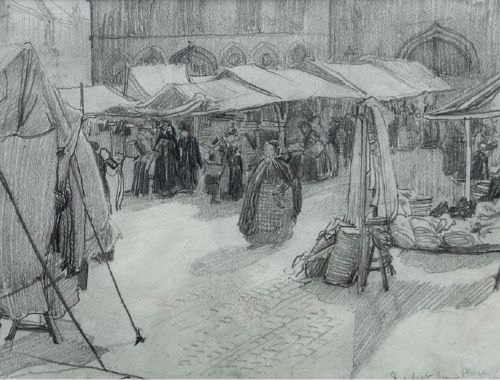
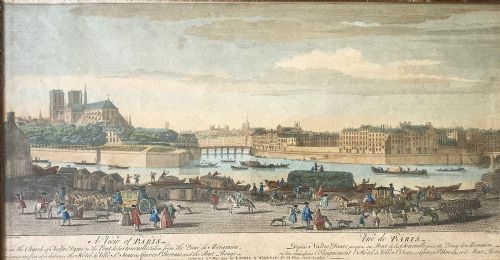
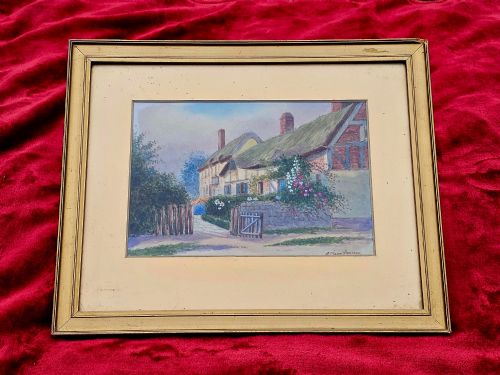
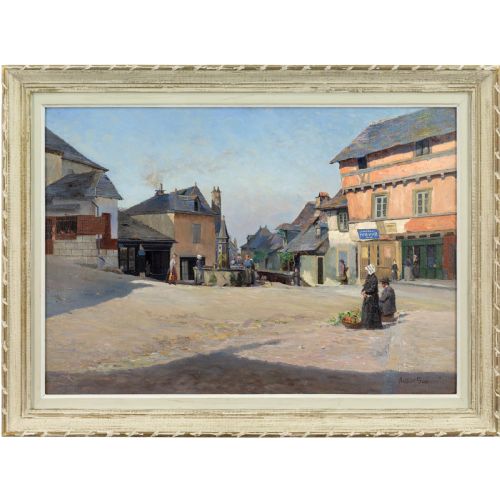
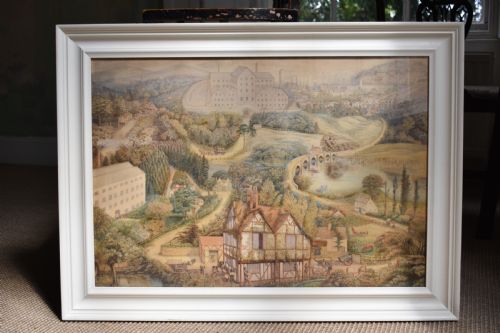
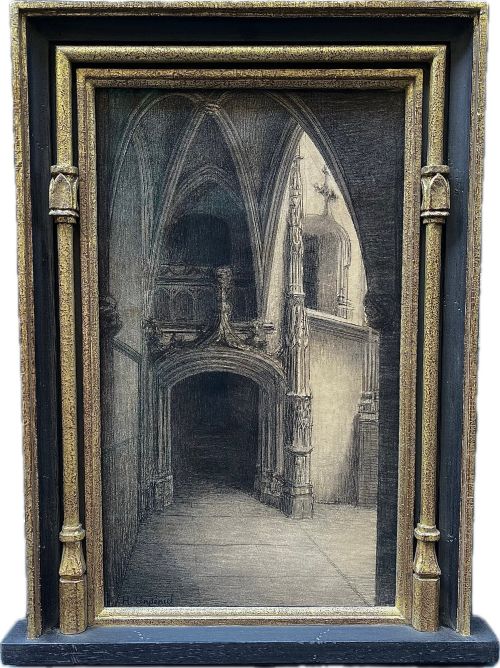
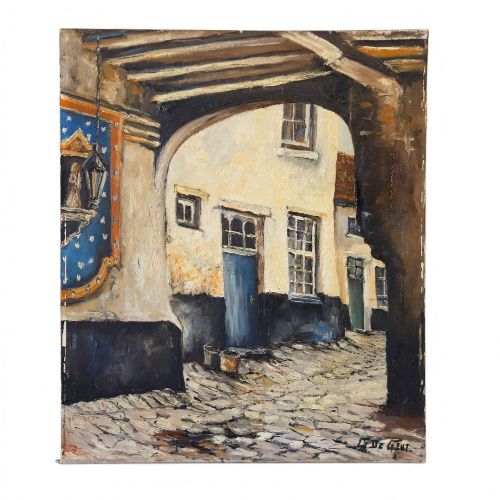
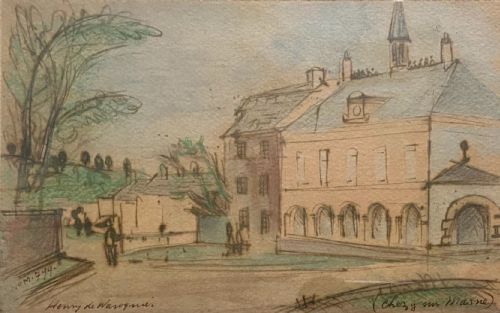
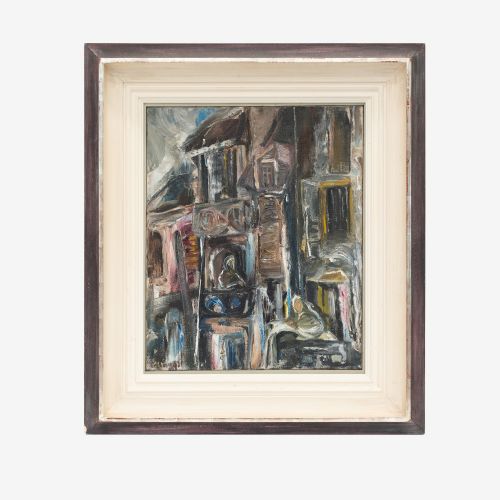
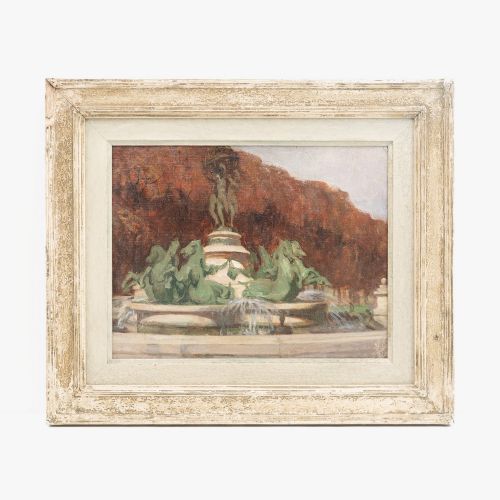
Framed original architectural art captures built environments, townscapes, and structures across centuries through direct hand-rendered media. Buyers inspecting framed original architectural art encounter street scenes, market squares, and historic buildings mapped in watercolour, oil, and pencil. The selection spans the nineteenth century through the mid-twentieth century, featuring British, French, and Italian subjects.
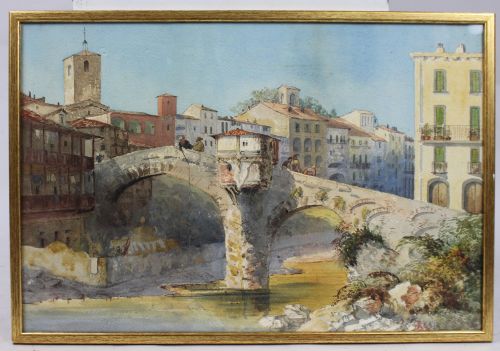
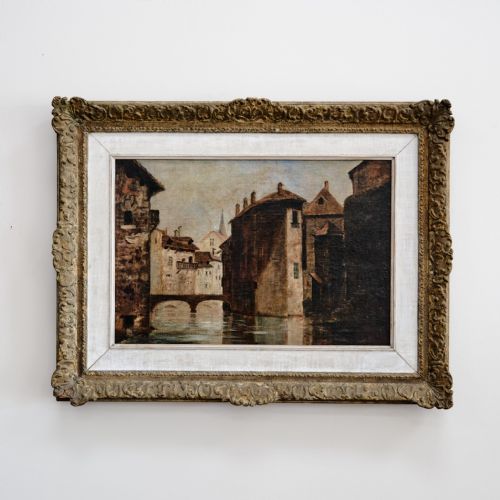
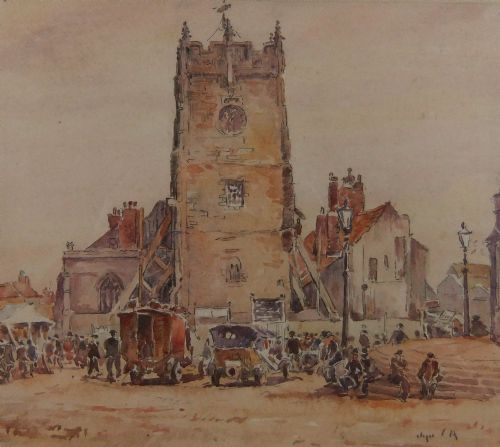
Most pieces on this page are watercolours or oil paintings on canvas, board, and paper, set within period wooden frames. Town halls, bridges, and Gothic churches recur as principal subjects, rendered by named artists and anonymous hands alike. These works document civic spaces and domestic architecture with direct observation from the period of execution.
Materials and technique
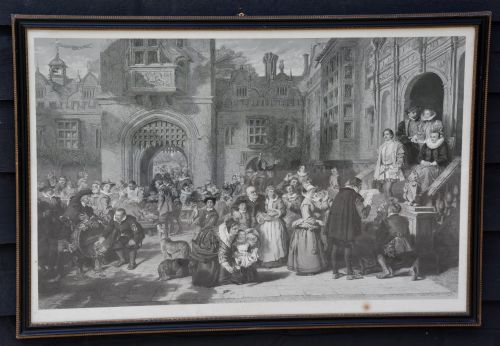
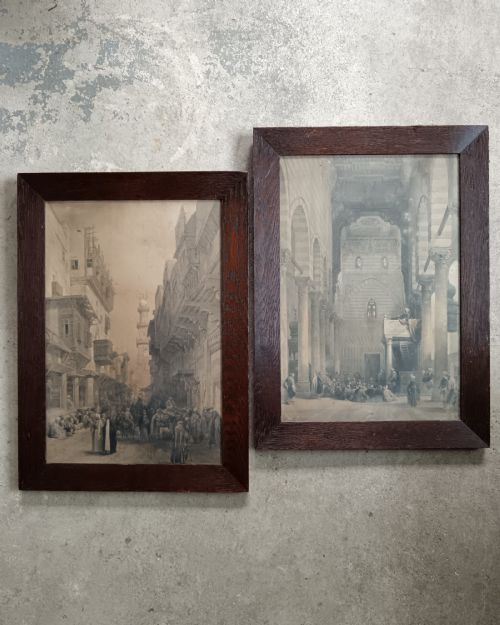
Artists utilise watercolour, oil paint, ink, and pencil applied to paper, canvas, and board to delineate buildings and spatial geometry. Watercolours layer translucent washes over pencil guidelines, while oils build texture through impasto and flat application on canvas or board. Engravings and lithographs employ inked plates pressed onto paper, frequently accompanied by original hand colouring.
Frames play a structural role, with original Hogarth frames and period wooden mouldings housing the paper and canvas supports. Mixed media drawings combine ink linework with watercolour washes to define architectural perspective and surface detail.
Listings feature paper, wood, watercolour, glass, oil paint, oil on canvas, canvas, and ink across periods from the 18th century to the 1960s.
Quality variations
Quality rests upon the precision of perspective, the handling of light across masonry, and the fidelity of the architectural depiction. Stronger works command attention through confident draughtsmanship and atmospheric colour that define the stone, timber, and iron of the subject.
The integrity of the original frame and the preservation of the paper or canvas surface distinguish superior examples. Finer pieces maintain crisp line work and stable pigment without disruptive retouching or paper degradation.
Henry Percy Huggill·A. Marie Parsons·Arthur Gué·John Smith Atherton·Henri Charles Angéniol·L. De Gent·Henry de Waroquier·Lilian Colbourn·Alexander Jamieson·David Roberts·Louis Haghe·Alfred George Morgan·Fred Lawson·Anne Dorrien Smith·Ron Folland·Stanley Orchart·Cornelis Christian Dommersen·E A Minardo·J W Hogley·Louie Stanley Maurice Prince·Hein Hoppmann·Frederick Tully Lott·Lewis J Wood
The Framed Original Architectural Art Glossary
- Hogarth frame
- A dark wooden picture frame with a stepped or ogee profile, often highlighted with gilt inner slips. These frames date predominantly to the eighteenth and nineteenth centuries.
- Impasto
- Paint applied thickly to a canvas or board, standing out in relief from the surface. This technique creates tactile texture in architectural elements like stucco or stone.
- Engraving
- An intaglio printmaking process where an image is cut into a metal plate with a sharp tool. Ink is rubbed into the grooves and transferred under pressure to paper.
- Lithography
- A planographic printing method based on the repulsion of oil and water on a flat stone or metal plate. Artists use this to produce tonal architectural views.
- Diptych
- A painting or drawing split across two adjacent panels hinged or displayed together. These works present paired architectural subjects or extended panoramic scenes.
Framed Original Architectural Art: Frequently Asked Questions
What periods do these pieces date from?
The works span from the eighteenth century through the Edwardian era and into the mid-twentieth century. Nineteenth-century watercolours and oils sit alongside 1920s etchings and 1950s constructivist factory scenes.
Each piece reflects the prevailing artistic style of its decade, from Victorian topographical views to mid-century impressionism.
Are these works original or printed reproductions?
The collection comprises original hand-rendered paintings, watercolours, drawings, and period engravings. Artists painted and drew these architectural views directly onto paper, canvas, and board.
Where print techniques like lithography or engraving are used, they are period impressions pulled from the original plates.
How should I frame and display these works?
Many pieces arrive in their original period wooden frames, such as Hogarth moulding or vintage gilt surrounds, which should be preserved where possible. Glazing with conservation glass protects delicate watercolours and paper drawings from ultraviolet light damage.
Keep them away from direct sunlight and damp environments to protect the paper supports and oil pigments.
What subjects appear most frequently?
Cityscapes, street scenes, market squares, and specific architectural landmarks dominate the selection. You will find bridges in Prague and Paris, Gothic churches, country houses, and industrial factories.
Artists focused on recording the civic and domestic architecture of Britain, France, Italy, Germany, and Egypt.