




Framed Marine Landscape Art
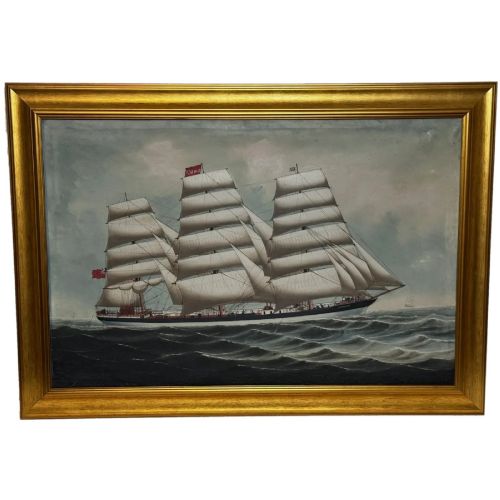
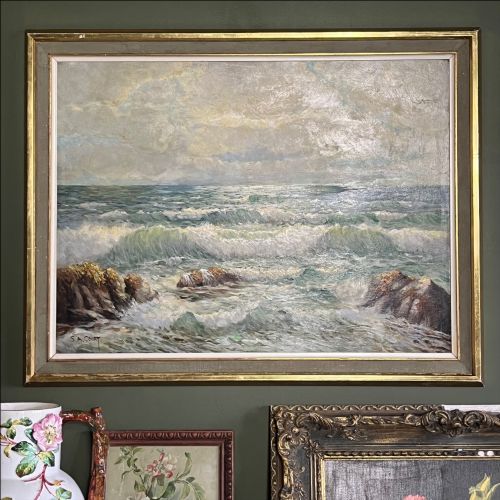
Framed marine landscape art captures coastal harbours, open seas and tidal estuaries through the eyes of painters from the nineteenth century onward.
Framed Marine Landscape Art
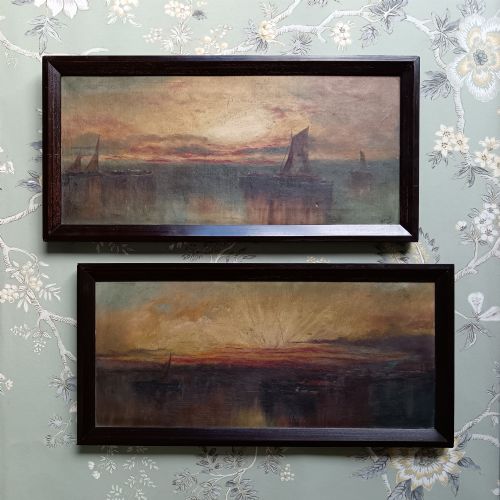
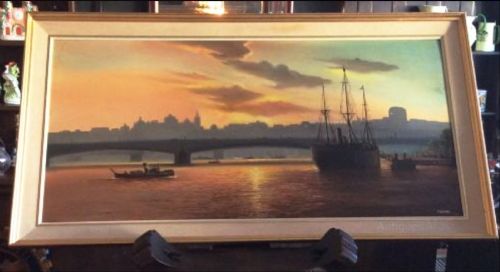
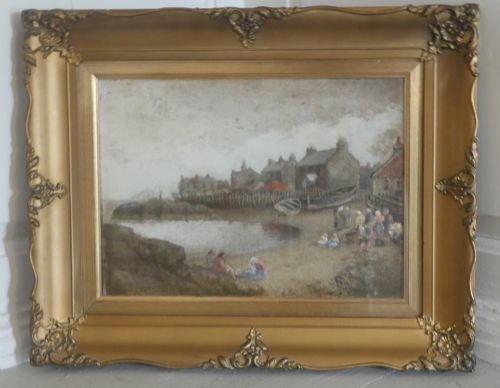
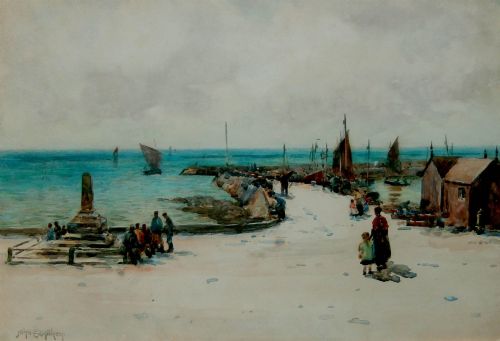
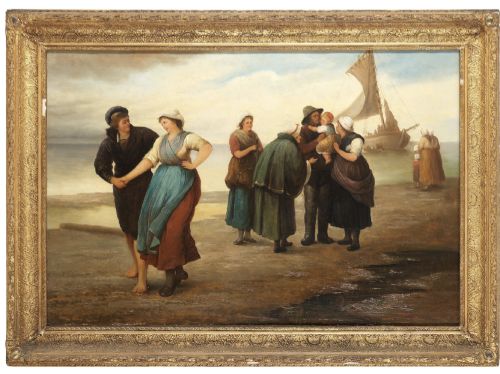
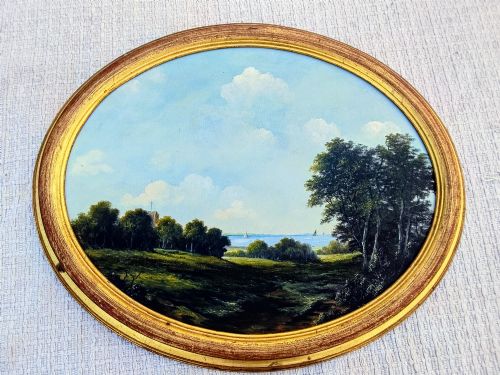
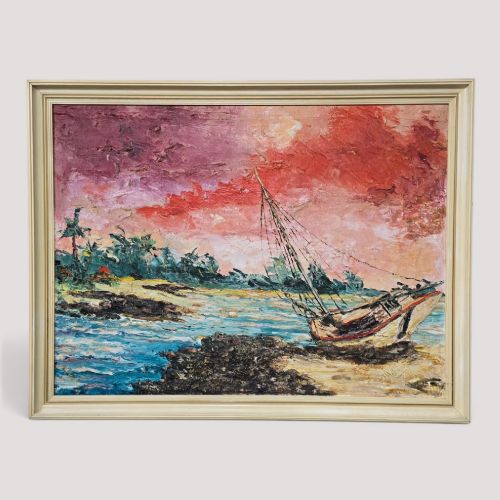
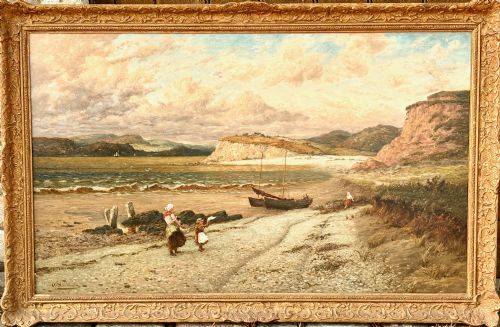
When searching for framed marine landscape art, collectors encounter paintings that record coastal scenes, fishing fleets, stormy waters and quiet estuaries. The works span the Victorian period through to the mid-twentieth century, shifting from detailed academic records to looser, en plein air observations of light and water.
The selection on this page relies heavily on oil paintings on canvas or board, alongside watercolours on paper. Many pieces arrive housed in their original or period-appropriate gilt wood frames, completing the presentation of these maritime views.
How they were made
Makers applied oil paint to stretched canvas, wooden board or paper, utilising pigments that captured the shifting grey and blue tones of the sea alongside warm sunset hues. Watercolour paintings on paper offer a lighter, more translucent record of coastal light.
Frames play a vital structural and aesthetic role, frequently constructed from wood finished with applied gilt layers or moulded ornamentation to complement the maritime subject matter within.
The listings span the Victorian period, Edwardian era, and mid-century modern movements, utilising canvas, paper, and wood.
What varies in quality
Quality rests in the artist's ability to render the weight of water, the play of coastal weather and the atmospheric perspective of sky and horizon. Stronger examples demonstrate confident brushwork and precise compositional balance rather than mechanical repetition.
The integrity of the physical support and the preservation of the painted surface dictate the longevity and visual impact of the work. Original gilt wood frames that complement the painting without heavy restoration also elevate the piece.
James Orrock·Clifford Hanney·Reginald Arthur Borstel·Sidney A Court·B Nash·John E Aitken·William Banks Fortescue·Bonaventura Peeters·Clive Browne·Peter Brannan·Paul Bret·Francis Moltino·Bernard Benedict Hemy·Thomas Creswick·Willem Bos·John Wilson Carmichael·Joseph Farquharson·John Moore·William Henry Williamson·John Holland·George Stanfield Walters·Frank Kelsey·Walter Goodin·F A Roylance·John Moxon
The Framed Marine Landscape Art Glossary
- En plein air
- Painting outdoors to capture natural light and atmospheric conditions directly. This approach gained widespread favour among late nineteenth and early twentieth-century artists.
- Gilt wood
- Wood coated with a thin layer of gold leaf or metallic gilt paint. It is commonly found on traditional frames surrounding Victorian and Edwardian canvases.
- Seascape
- A work of art depicting the sea, coastlines or marine vessels. These compositions focus primarily on water, tides and maritime weather.
- Watercolour
- A painting method where fine pigments are suspended in a water-based solution, typically applied to paper. It yields transparent washes and delicate tonal shifts.
Framed Marine Landscape Art: Frequently Asked Questions
What subjects appear in marine art?
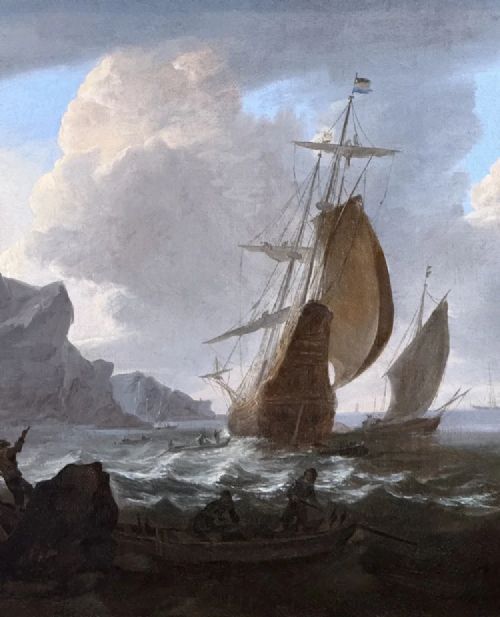
These works typically depict fishing boats, bustling harbours, rugged coastlines, and open seas under varying weather conditions. Artists often recorded specific locations along British and European shores.
Scenes range from calm coastal inlets at sunset to dramatic Dutch boats navigating rough gales on the water.
How do I care for an oil painting?
Keep the canvas away from direct sunlight, damp environments and extreme temperature fluctuations to prevent cracking or warping in the paint layer. Dust the surface very gently with a dry, soft brush when needed.
Avoid using liquid cleaners or touching the pigment directly with bare hands.
Are these frames original?
Many older pieces retain their period gilt wood frames, which were selected to complement the tone and era of the artwork. Over the decades, some frames may have sustained minor touch-ups or gilding repairs.
Checking the fit and backing of the frame helps determine its age relative to the canvas.
How do I date a seascape?
Dating relies on stylistic clues, clothing styles of any figures present, framing techniques, and signatures or biographical records of the artist. Canvas stamps and manufacturer marks on the reverse also provide clues.
Victorian works tend to feature tighter detail, whereas mid-century examples often embrace looser brushwork.