

Ornate Gilt Framed Art
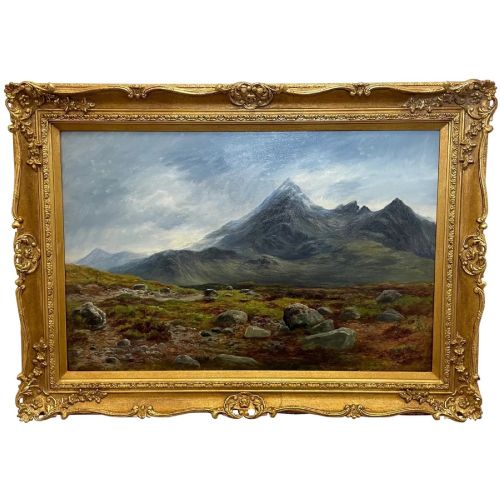
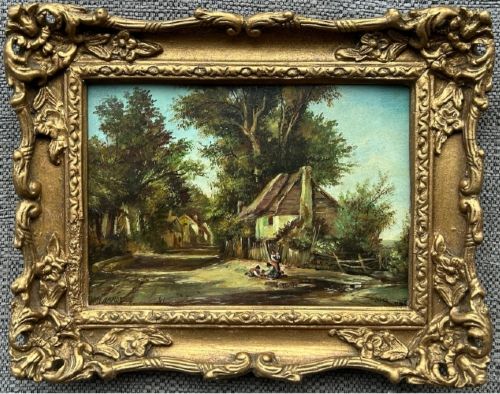
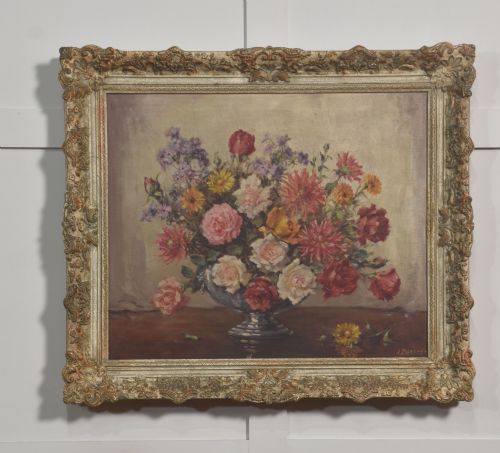
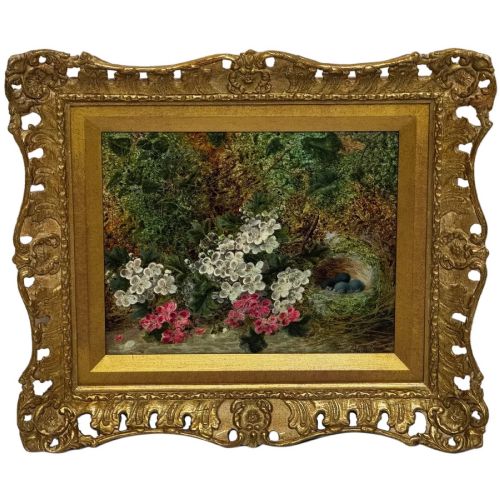
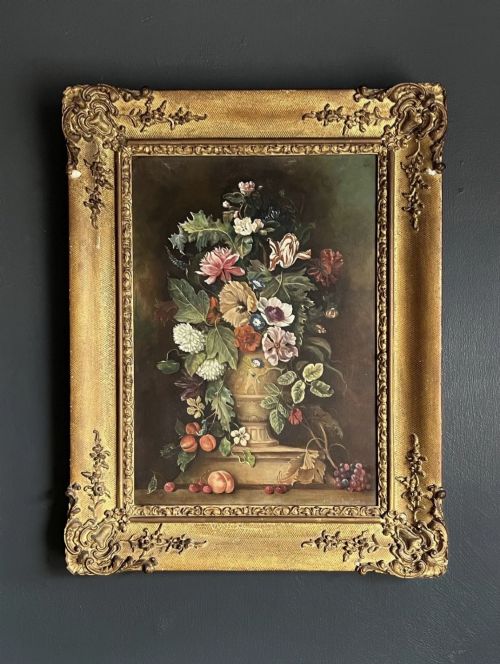
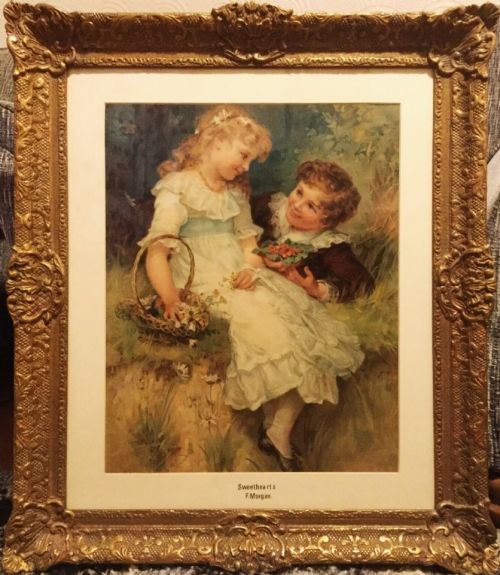
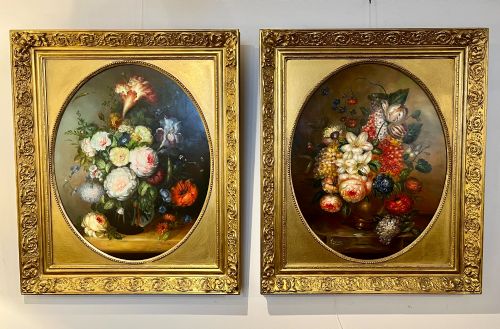
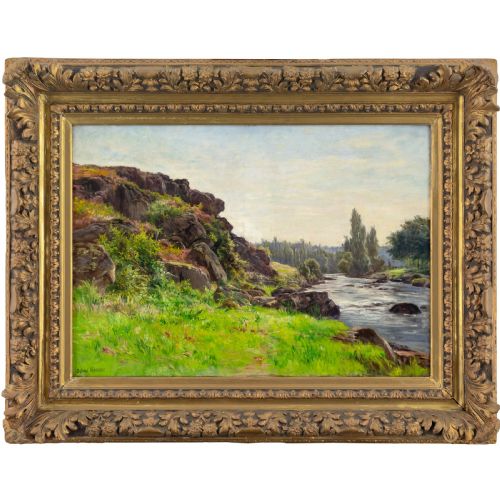
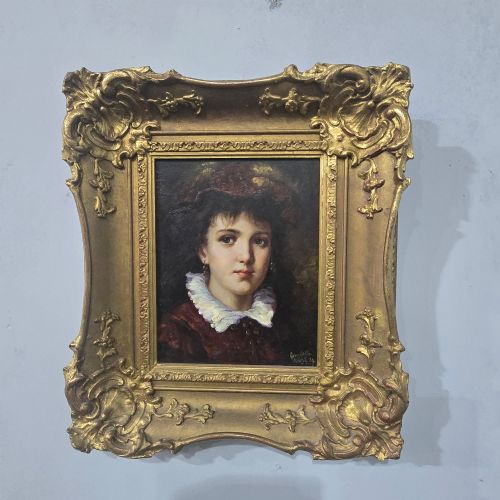
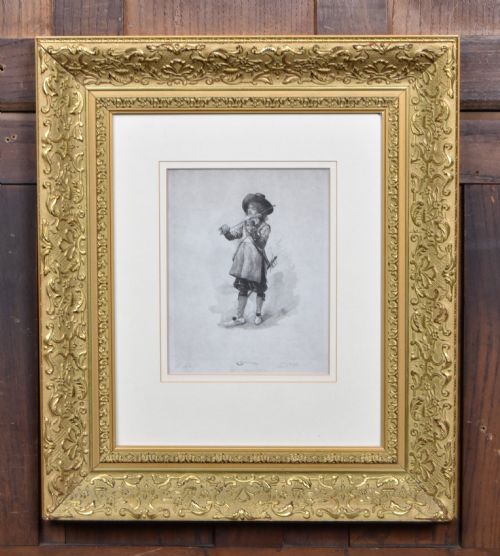
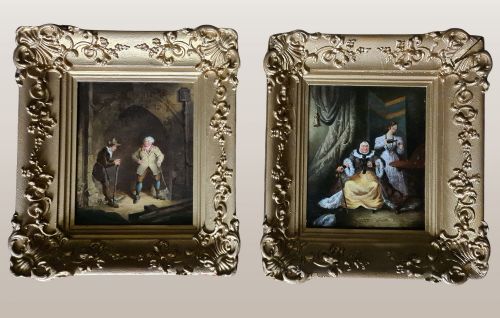
These pieces of ornate gilt framed art bring together historical oil paintings and elaborate decorative surrounds to transform a wall.
What ornate gilt framed art pieces are
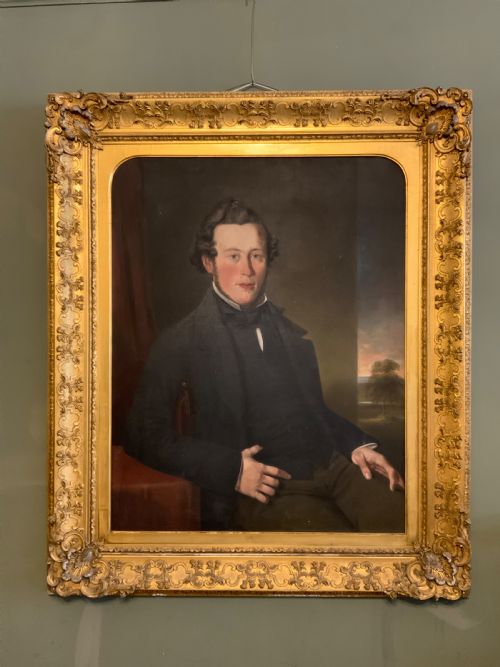
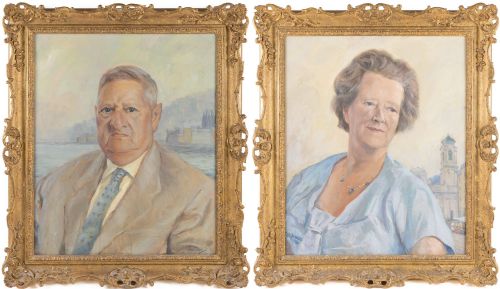
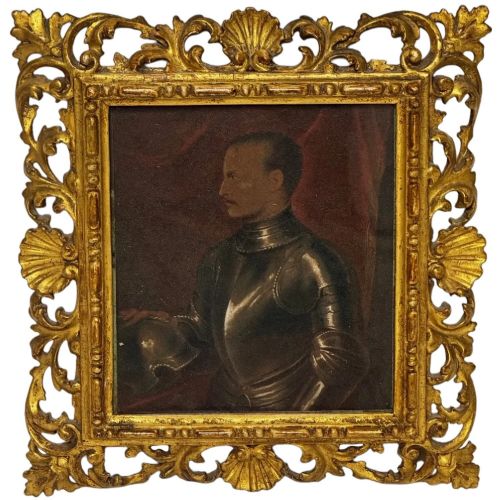
When buyers search for ornate gilt framed art, they encounter oil paintings housed within decorative metallic surrounds originating from the nineteenth century and the early twentieth century. The selection includes British Impressionism, Victorian marine works, equestrian scenes, landscapes, and portrait paintings from various European schools.
The objects combine canvas paintings with frames designed to catch and reflect light, often employing revivalist aesthetics. These works represent the artistic output of named British and continental painters alongside accomplished portraitists and landscape artists working across the Victorian and Edwardian eras.
Buyers meet pieces ranging from French portraits dated around eighteen eighty to British street scenes and coastal views. The framed artworks function both as historical historical documents and as focal points for interior spaces, maintaining their original presentation format.
How ornate gilt framed art was made
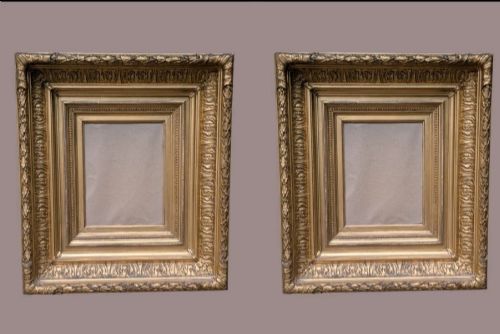
Makers built the structural elements of the frames using wood and applied moulded composition to create relief ornamentation. Artisans then applied layers of gesso before finishing the surfaces with gold leaf or gilding to achieve a reflective metallic sheen.
The pictorial components consist of oil paints applied to stretched canvas surfaces by artists working in the nineteenth and twentieth centuries. These paintings utilise traditional oil painting techniques, capturing subjects from portraiture and landscape to marine and equestrian themes.
Retail Price Guide 2026
Typical UK retail prices for ornate gilt framed art, calculated from the Sellingantiques database of over a million retail prices indexed since 2003. This retail price guide relies exclusively on Sellingantiques data; no external sources or auction records are used, so the figures do not describe the wider market.
Several Victorian horses gaze out from their frames with more dignity than the humans sitting beside them.
What varies in quality
The quality of ornate gilt framed art depends on the depth and definition of the moulding work on the frame alongside the execution of the oil painting itself. Hand-finished gesso ornamentation and precise wood construction separate finer decorative surrounds from simpler moulded alternatives.
Artistic skill distinguishes the canvases, with listed works showing varying degrees of brushwork control and compositional harmony by named painters. The relationship between the visual weight of the frame and the scale of the painting governs the overall visual balance.
The Ornate Gilt Framed Art Glossary
- Gesso
- A plaster mixture applied to wooden frames as a smooth base for subsequent gilding. This material allows artisans to carve or mould intricate decorative reliefs before applying gold leaf.
- Gilt wood
- Wood surfaces coated with thin leaves of gold or metal to simulate solid gold ornamentation. This technique provides the characteristic reflective brilliance seen on period frames.
- Moulded composition
- A paste mixture pressed into moulds to create repeatable decorative ornaments for picture frames. It hardens to form detailed relief patterns economically.
- Oil on canvas
- Pigments bound in an oil medium and applied to a woven fabric support stretched over a wooden frame. This primary medium permits subtle blending and rich colour depths.
Frequently Asked Questions
How do I date an antique gilt frame?
Dating relies on examining the construction methods of the wooden substrate and the composition materials used for the decorative reliefs. Different eras favoured distinct moulding profiles and gilding techniques.
Studying the fastening methods at the corners and the type of gesso preparation helps establish whether a frame dates to the Victorian period or later.
How were these paintings originally displayed?
These artworks hung in period parlours, drawing rooms, and galleries where heavy gilt frames accentuated the subject matter and projected social status. The gilded surfaces worked with natural daylight and gas lighting to illuminate the canvas.
Interior arrangements often paired large landscape or portrait oils with complementary decorative furnishings of the same stylistic revival.
How do I care for antique oil paintings?
Maintenance involves keeping the canvas and frame away from direct sunlight, high humidity, and rapid temperature fluctuations. Environmental stability prevents the wood from warping and the oil paint from cracking.
Dusting requires soft, dry implements to avoid damaging delicate raised composition on the gilded surfaces.