
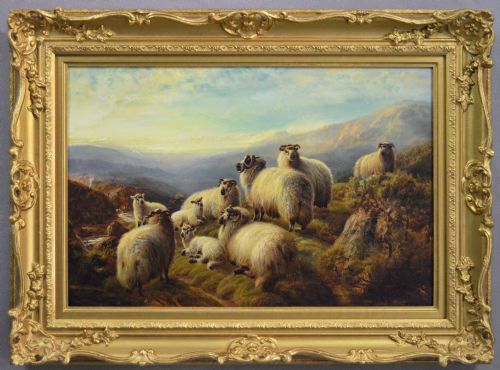
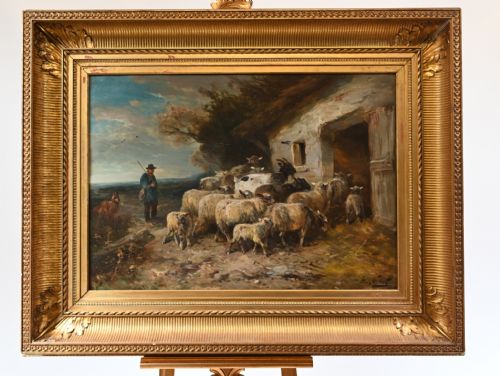


Framed Livestock Picture
A framed livestock picture brings the quiet rhythm of the pasture indoors through pastoral oils, detailed watercolours and antique prints.
Framed Livestock Picture
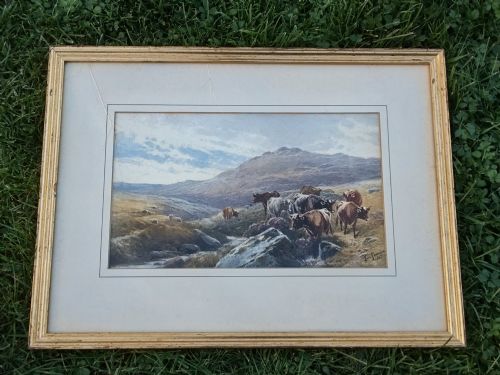
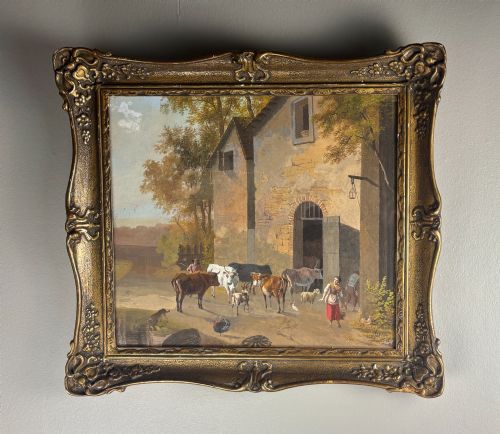
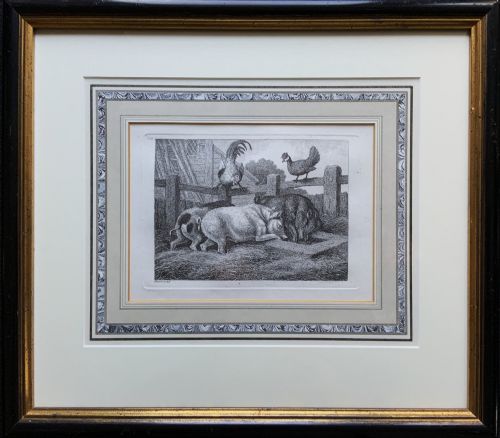
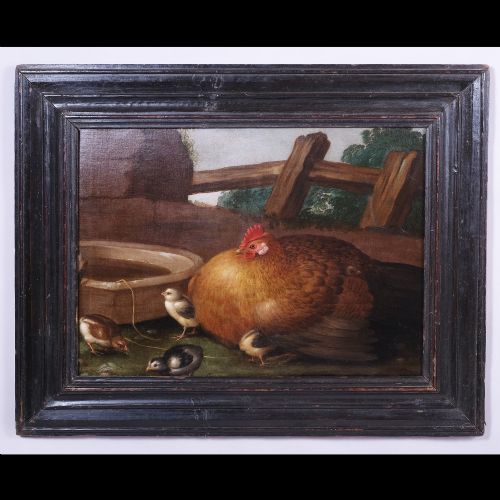
A framed livestock picture captures farmyard life, featuring cattle, sheep, pigs and poultry in pastoral settings across several centuries. These works range from small Victorian watercolours to large oil paintings on canvas depicting herds resting by rivers or grazing near coastal landscapes.
The pieces on this page span the seventeenth century through to the twentieth century, with nineteenth-century pastoral and realist styles appearing most frequently. Buyers encounter subjects from quiet farmyard scenes with calves and chickens to dramatic depictions of Highland sheep and longhorn cattle.
Object types include original oil paintings, gouache on paper, watercolours and framed prints housed in period surrounds such as giltwood and burr frames. These artworks reflect changing agrarian interests from Dutch Golden Age influences to Victorian animal portraiture.
Assessing Quality
Quality rests upon the artist's ability to render the anatomy, posture and grouping of the animals with anatomical conviction rather than generic repetition. Works by documented painters command attention through confident handling of light across wool, hide and feather.
The integrity of the original framing, whether giltwood or burr wood, contributes significantly to the overall presence of the artwork. Survival of the original surface, uncompromised by heavy restoration, distinguishes the finest examples.
Listings feature periods spanning from the seventeenth century to the twentieth century, encompassing Victorian realism and eighteenth-century European styles.
Thomas Rowden·Karel Dujardin·Samuel Howitt·Robert Watson·Henry Schouten·A M Gauci·Thomas Sidney Cooper·Frederick Septimus Lewis·Eugene Verboeckhoven·Andre de Moller·Basil Bradley·Arthur Charles Dodd·Claude Cardon·Frederick Richard Lee·Edgar Hunt·Henry Cheadle·H Strafford·Aster Richard Chilton Corbould·William Sidney Cooper·Louis Marie Dominique Robbe·Thomas E Francis
The Framed Livestock Picture Glossary
- Oil on Canvas
- Pigment mixed with drying oil applied to a woven fabric stretched across a wooden frame. This medium allows for rich colour blending and textured brushwork.
- Giltwood
- Wood carved and coated with gold leaf or metallic powder to create a bright, reflective surface. It frequently frames nineteenth-century paintings to enhance their visual weight.
- Gouache
- An opaque water-based paint containing pigment and a binding agent, often used on paper to achieve solid blocks of colour and fine illustrative detail.
- Gesso
- A plaster-like mixture applied to wooden frames as a smooth base before gilding or painting. It allows intricate moulded decorative details to be fixed to the border.
- Sand Picture
- A textured artwork created by fixing coloured sands to a backing board to build up a pastoral scene. This uncommon technique produces a tactile, matte surface.
Framed Livestock Picture: Frequently Asked Questions
What periods do these artworks cover?
The selection spans from the seventeenth century through the eighteenth and nineteenth centuries up to the early twentieth century. Victorian and Edwardian works appear alongside earlier Dutch Golden Age examples.
This broad chronological range demonstrates how depictions of farmyard animals evolved from classical pastoral ideals to realistic animal portraiture.
How should I hang a framed livestock picture?
These pieces suit traditional living spaces, studies or dining rooms where their rustic subject matter creates a warm, grounded atmosphere. Pair them with natural wood furnishings or neutral walls to let the pastoral colours stand out.
Ensure the artwork hangs away from direct sunlight to protect watercolours and oils from fading over time.
Are these works original or prints?
The page includes a mixture of unique hand-painted works such as oil on canvas, watercolours and gouache, alongside period framed prints. Each listing specifies the exact medium used by the creator.
Original paintings offer textured brushwork and unique artist marks, while prints provide historical reproduction techniques from the nineteenth century.
What framing materials are typical?
Common surrounds include carved wood, gesso, gold leaf and burr wood frames that complement the age of the artwork. Many pieces retain their original period frames.
These surrounds range from ornate giltwood borders to simple wooden mouldings suited to smaller country watercolours.