

Original Watercolor Painting
When you search for an original watercolor painting, you are looking at works on paper that capture light and pigment directly from the artist's hand.
Original Watercolor Painting
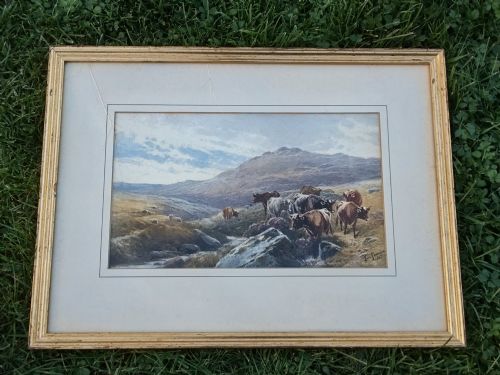
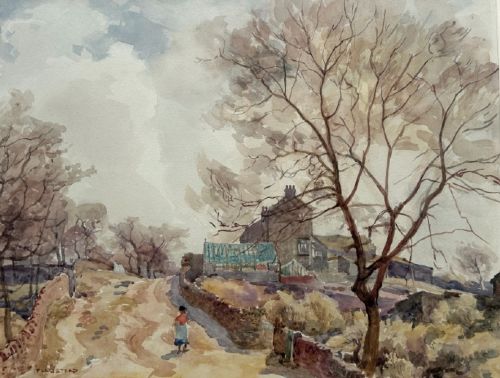
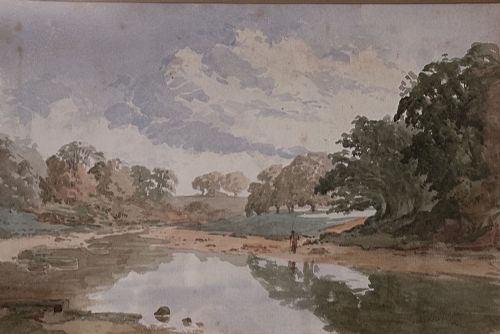
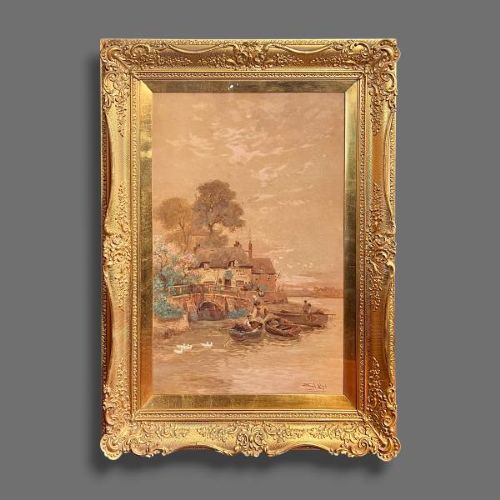
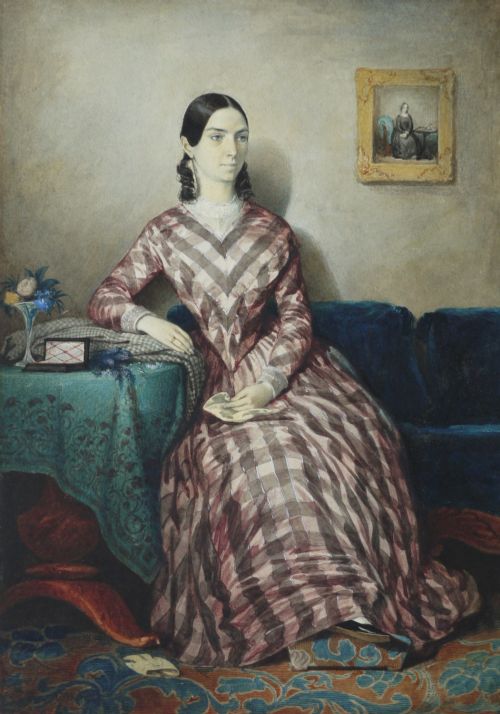
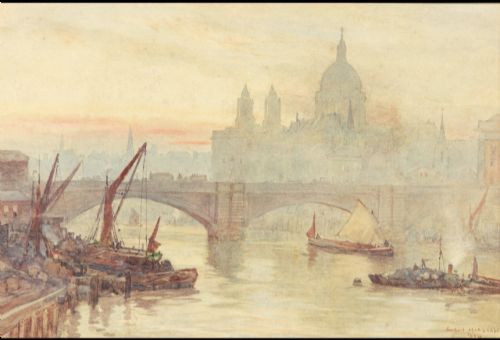
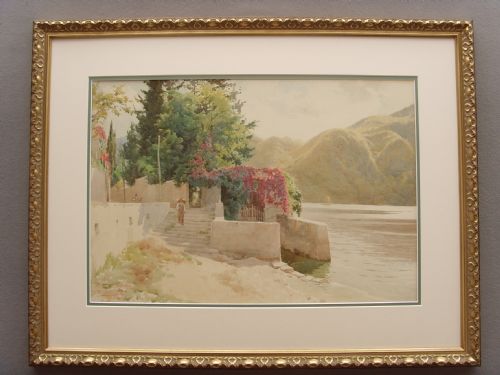
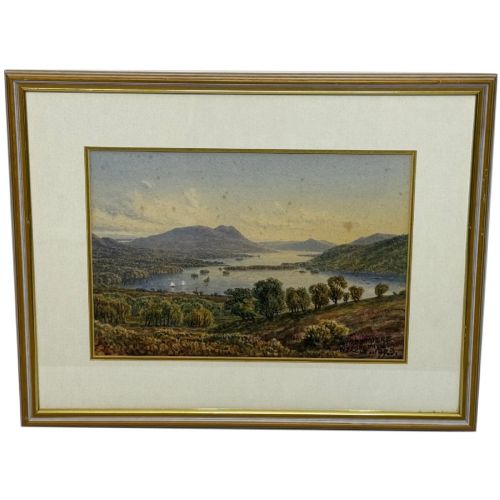
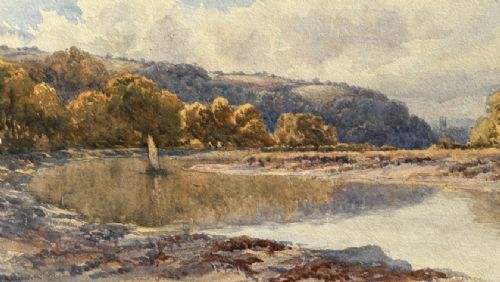
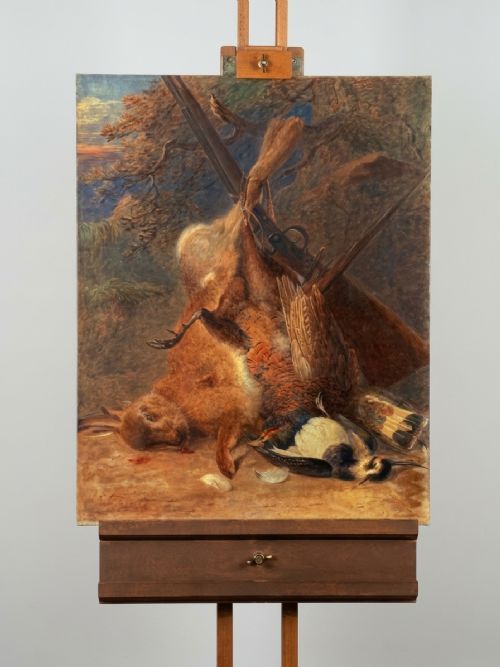
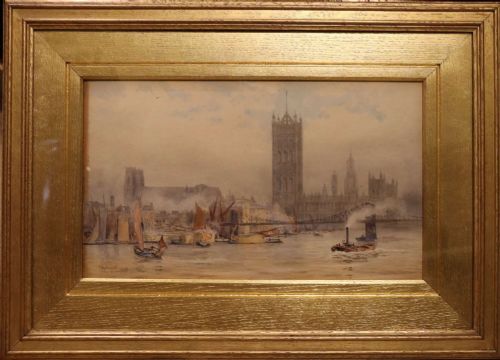
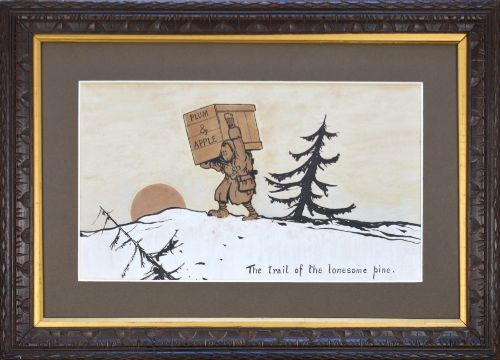
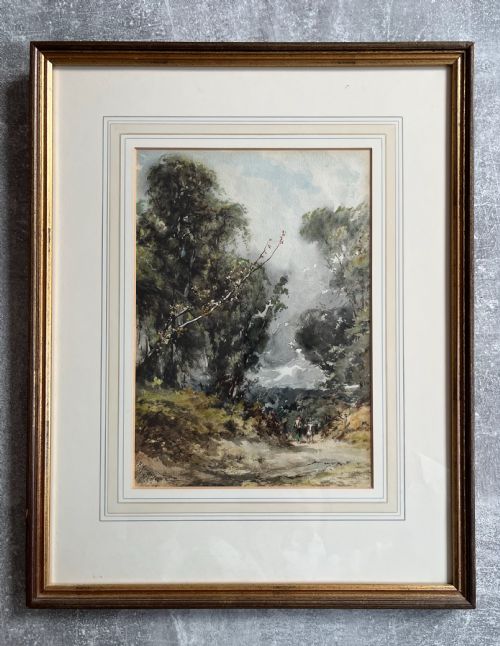
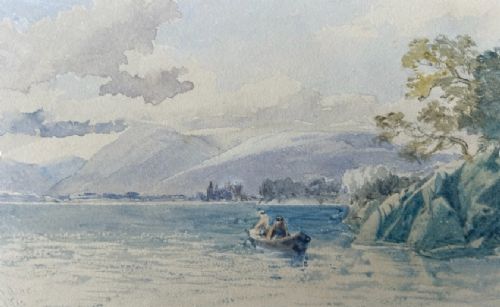
An original watercolor painting is a unique work on paper created using water-soluble pigments, taking forms such as landscapes, marine scenes, botanical studies, and figurative works. When you browse this selection of original watercolor painting examples, you encounter pieces spanning from the nineteenth century through the mid-twentieth century.
The Victorian and Edwardian eras supply a large share of the inventory, alongside later British Impressionism and mid-century maritime pieces. These works range from intimate botanical studies framed in rosewood to large Scottish landscape views and detailed coastal scenes.
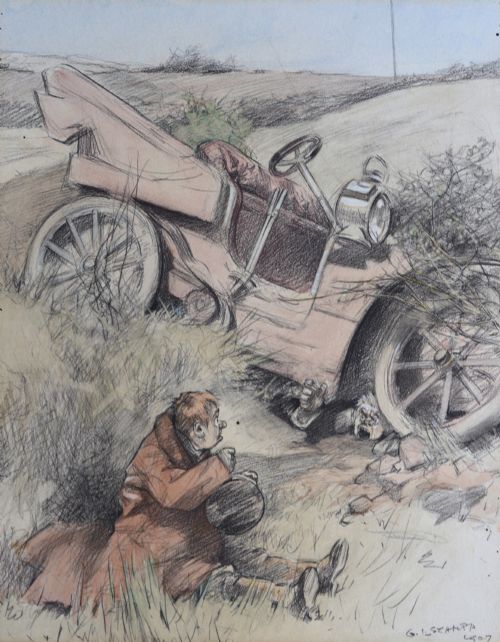
Makers and artists recorded in these pieces include George Sydney Shepherd, Thomas Miles Richardson Jnr, William Henry Earp, and James Smetham, amongst others. Each piece represents a direct historical record of the artist's brushwork and medium.
How they were made
The materials recorded in these works consist primarily of paper, watercolor pigment, bodycolour, ink, and graphite, often supported by wooden frames and protective glass. Artists applied pigments suspended in water directly onto paper sheets to achieve translucent washes and opaque highlights.
Techniques varied from delicate botanical illustrations requiring fine brush control to broader landscape strokes utilising bodycolour for opacity. Many works incorporate ink and graphite underdrawings that define the composition before the application of colour washes.
Listings span the nineteenth and twentieth centuries, featuring paper, watercolor, ink, and graphite materials across British Impressionism and Victorian styles.
What varies in quality
Quality in these works rests upon the precision of the draughtsmanship and the handling of the pigment across the paper surface. Stronger examples display confident brushwork and balanced composition, whether capturing coastal light or architectural detail.
The preservation of the paper and the vibrancy of the watercolor pigments also define the standing of a piece. Works that retain their original tonal depth without excessive fading or paper degradation demonstrate superior retention of the maker's intent.
George Sydney Shepherd·George Lorain Stampa·George Fotherly Hargitt·Thomas Miles Richardson Jnr·James Orrock·William Henry Earp·William Cannon·Sir James Dromgole Linton·John R Prentice·Thomas Ellison·Alfred Young Nutt·Percy Lancaster·Henry Stacy Marks·James Smetham·John Hassall·A Marie Parsons·John McDougal·EJ Letheren·Robert Leslie Howey·James E Aitken·Charles Edward Dixon·John E Aitken·Eric Tufnell·William Banks Fortescue·Robert A Nottingham
The Original Watercolor Painting Glossary
- Watercolour
- A paint consisting of a pigment suspended in a water-soluble vehicle. It is applied to paper to create translucent layers of colour.
- Bodycolour
- Watercolor paint made opaque by the addition of a white pigment such as chalk. This technique allows for highlights and solid areas of colour.
- Work on paper
- A piece of art executed on a paper substrate, encompassing drawings, watercolors, and prints. These items require framing behind glass for protection.
- Graphite
- A form of crystalline carbon used for underdrawing lines beneath watercolor washes. It provides the initial structural outline for the composition.
- Victorian Fine Art
- Artwork produced during the reign of Queen Victoria characterised by academic training and attention to narrative detail. It frequently includes detailed landscapes and genre scenes.
Original Watercolor Painting: Frequently Asked Questions
How do I care for an antique watercolor?
Antique works on paper require protection from direct sunlight to prevent the watercolor pigments from fading over time. Keeping them in stable humidity environments behind glass preserves the paper and the integrity of the drawing.
Displaying them away from direct heat sources and damp walls ensures the paper substrate does not warp or develop foxing spots. Professional framing with acid-free materials safeguards the longevity of the piece.
What is the difference between watercolor and bodycolour?
Traditional watercolor relies on transparent washes where the white of the paper shines through the pigment layers. This creates a luminous quality characteristic of nineteenth-century British landscape painting.
Bodycolour incorporates white pigment into the mixture to create opacity. Artists utilised this method to add solid highlights and dense details to the paper surface.
How can I tell the period of a landscape watercolor?
Stylistic cues such as costume, architectural details, and framing choices often point to the Victorian or Edwardian eras. Signatures and dates inscribed by the artist on the paper provide direct chronological markers.
The type of paper and mounting style also offer clues to the decade of creation, aligning with nineteenth-century or early twentieth-century production methods.
Were these paintings always framed?
Most works on paper were framed shortly after completion to protect the delicate surface from dust and handling. Original frames, such as those made from rosewood, frequently accompany nineteenth-century botanical and landscape pieces.
Some items entered collections as unframed portfolio sheets before receiving later framing to suit domestic display. The presence of period frames adds historical context to the artwork.