

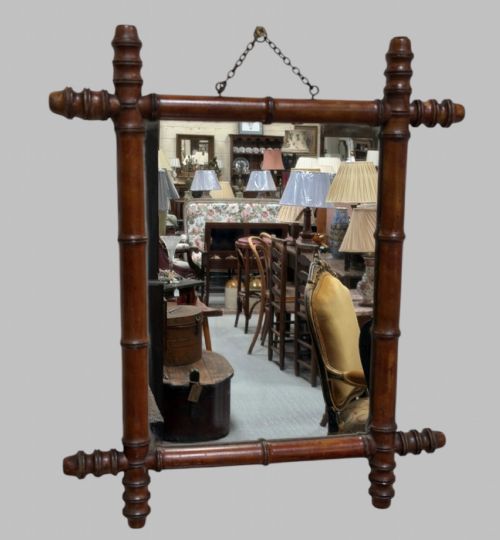
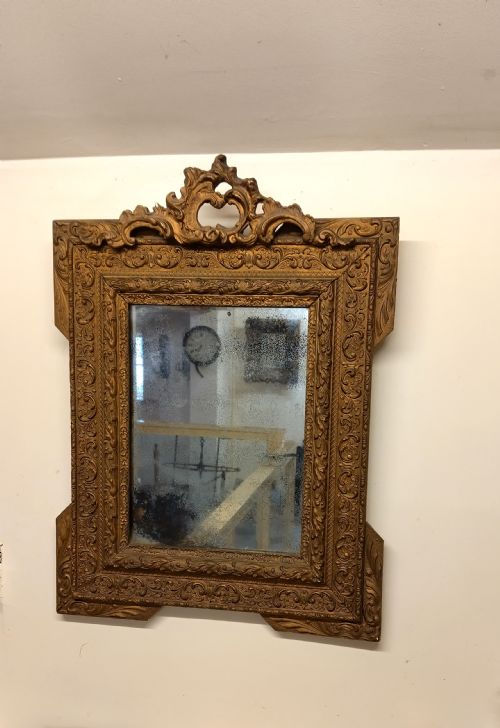
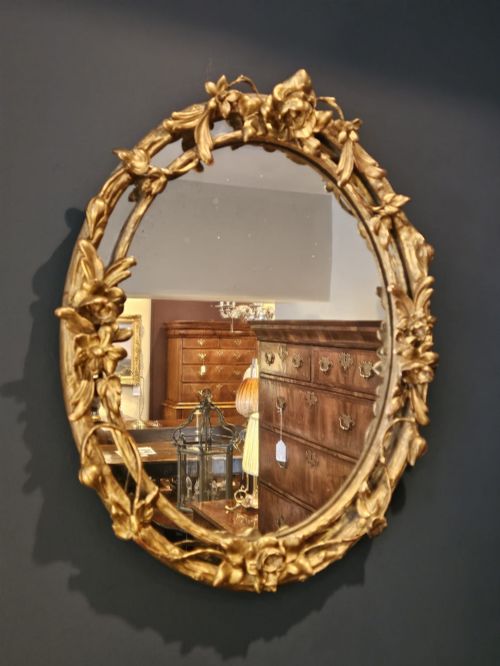
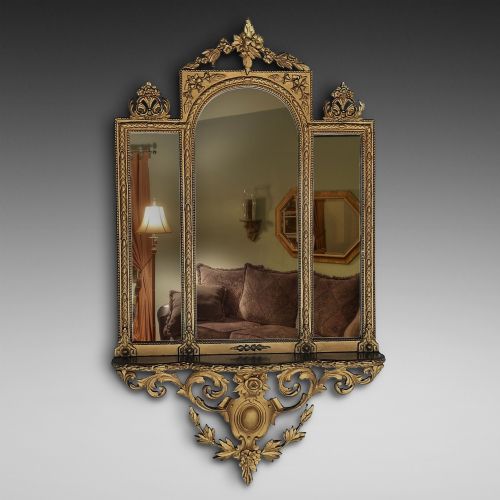
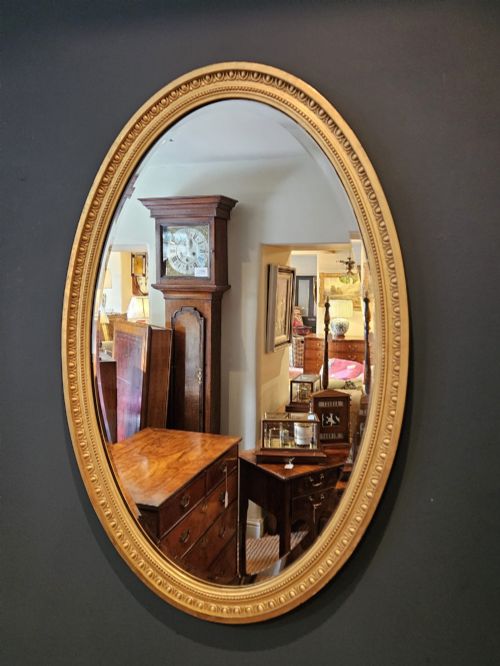
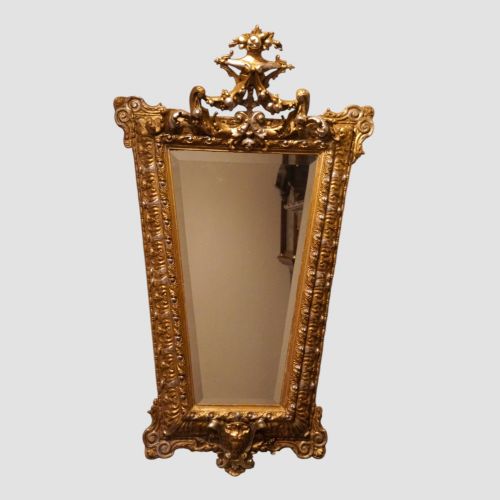
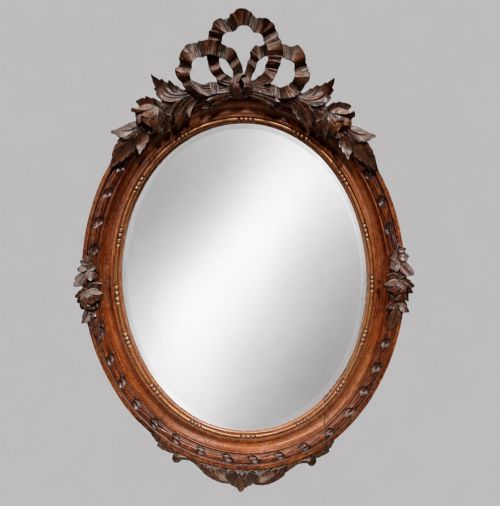
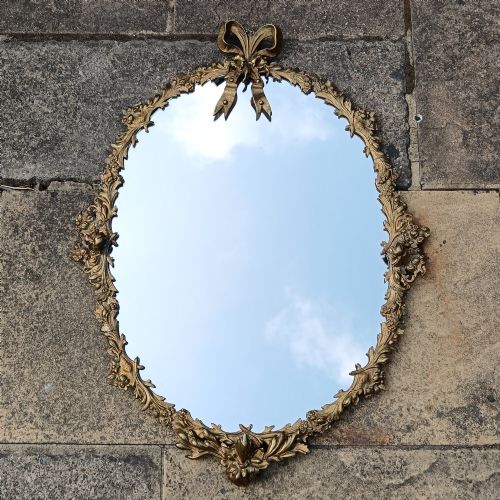
Framed French Wall Hanging
A framed french wall hanging brings interior space alive through mirrors and tapestries shaped by centuries of craftsmanship.
Framed French Wall Hanging
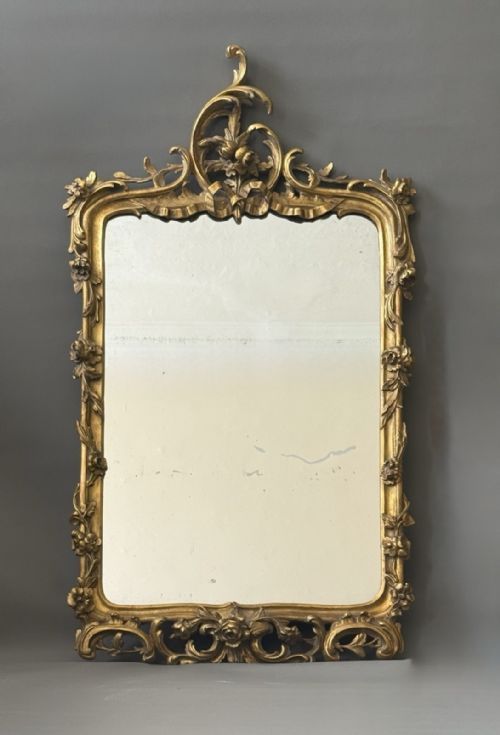
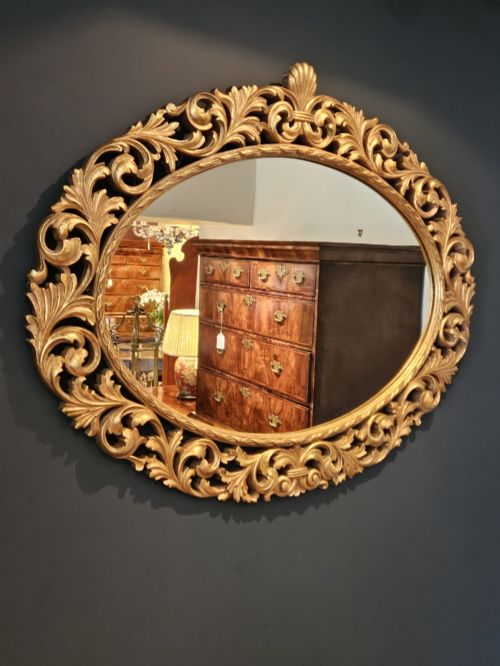
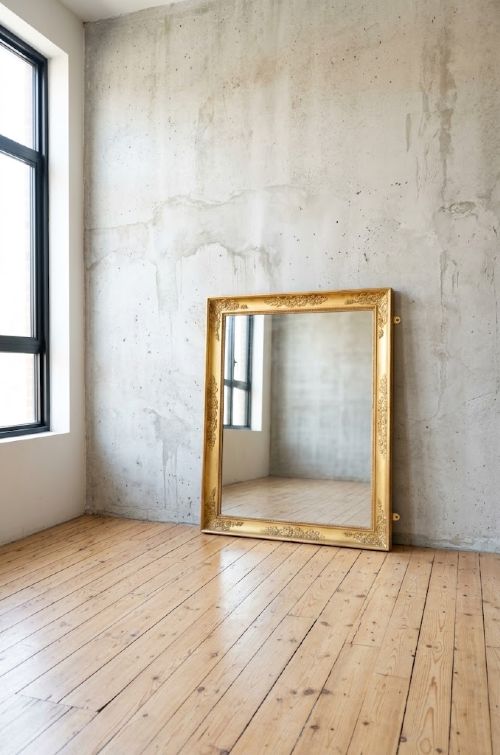
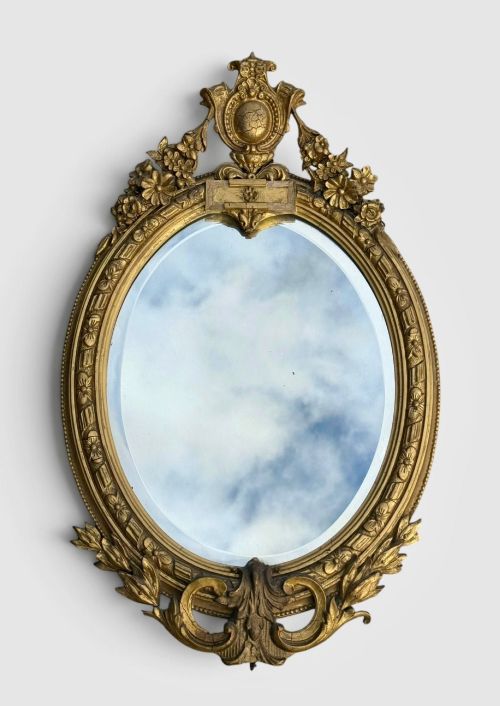
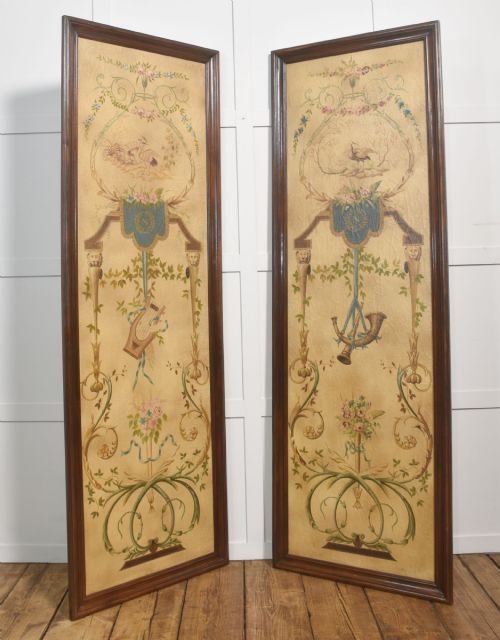
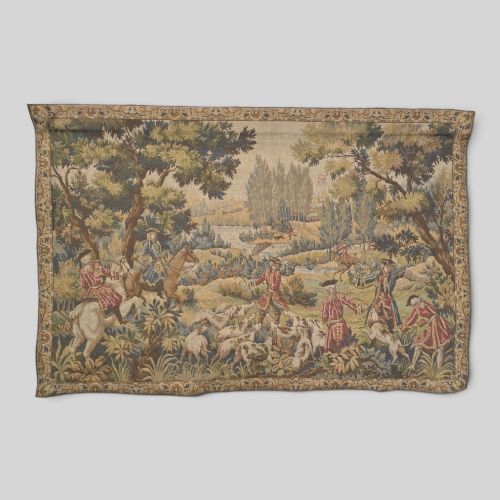
A framed french wall hanging encompasses decorative mirrors, tapestries, and textile panels originating from periods spanning the eighteenth century to the early twentieth century. Buyers seeking this category encounter ornate wall mirrors alongside mounted verdure tapestries and painted decorative panels.
The selection reflects distinct stylistic revivals, notably French Rococo and Louis XVI, alongside Victorian interpretations. These pieces function as architectural focal points within domestic interiors, combining utility with historical textile and glass artistry.
How they were made
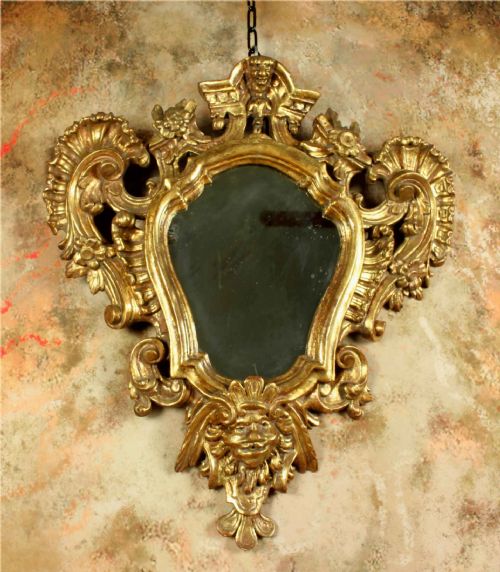
Frames utilise timber foundations such as oak and carved wood, built up with layers of gesso before receiving applications of gold leaf, silver-gilt, or paint. Artisans shaped intricate motifs including floral garlands, scrolls, and mythological carvings directly into the plaster and wood substrates.
Textile panels employ wool and cotton woven into tapestries or printed as toile, often mounted to linen for preservation and display. Glass components range from antique mirror plates with mercury backing to later bevelled glass inserted into timber frames.
RAMS HEADS
What varies in quality
The standard of carving defines the upper tier of wall mirrors, where deep relief work in wood and gesso exhibits crisp detail rather than soft moulding. Original mercury glass plates and untouched gilt surfaces indicate superior preservation compared to replaced glass or later re-gilding.
Tapestries and textile panels vary according to the density of the weave, the complexity of the verdure or figurative design, and the stability of the fabric mount. Intricate fret-cut timber work and bronze mounts likewise separate standard production from exceptional examples.
The Framed French Wall Hanging Glossary
- Gesso
- A plaster mixture applied to wood frames to create a smooth surface for gilding or carving. It allows artisans to model intricate relief ornamentation.
- Mercury plate
- An early type of mirror glass backed with a tin and mercury amalgam. This technique produces a characteristic mottled reflectivity.
- Verdure tapestry
- A woven wall hanging depicting a stylised landscape filled with foliage, trees, and occasionally animals. These panels originate predominantly from earlier centuries.
- Toile
- A woven cotton or linen fabric featuring a monochromatic printed pastoral design. Such panels capture traditional French narrative scenes.
- Fret cut
- A technique where timber is pierced with a scroll saw to form geometric or organic patterns. This method creates lightweight decorative frames.
Framed French Wall Hanging: Frequently Asked Questions
How do I hang a heavy antique mirror?
Substantial frames require professional wall fixings secured directly into masonry or solid studs to support the combined weight of wood, gesso, and glass safely.
Weight distribution matters greatly for large pieces, so utilise appropriate brackets or hanging wire rated beyond the object's actual mass.
Are antique mirror plates always original?
Many surviving pieces retain their early mercury or antique glass plates, showing characteristic foxing and age spots across the reflective surface.
Some examples feature replacement glass installed during later upkeep, which alters the clarity and historical integrity of the reflection.
What rooms suit a framed tapestry?
Tapestry panels provide warmth and texture, making them suitable for living spaces, hallways, or libraries where soft furnishings balance hard architectural surfaces.
Direct sunlight can fade wool and cotton fibres over time, so positioning these textiles away from intense light preserves their coloration.