


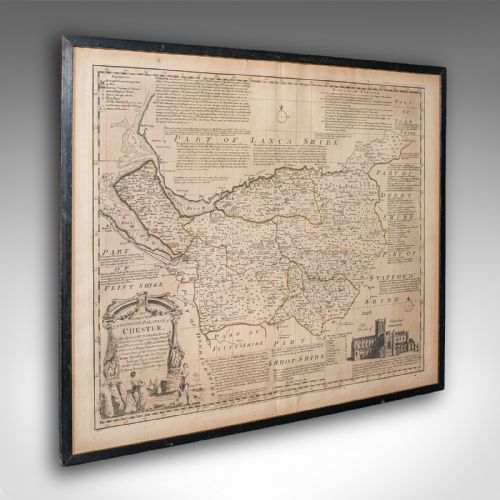


Framed English County Map
A framed english county map brings early cartography onto the wall, offering a tangible window into seventeenth and eighteenth-century geography.
Framed English County Map
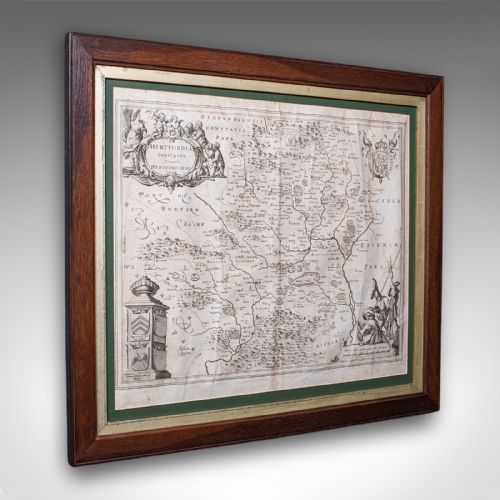
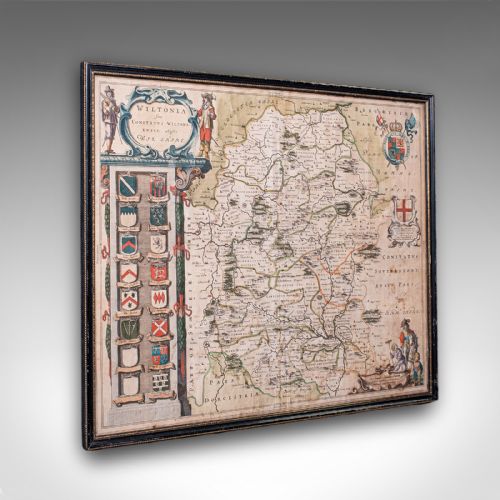
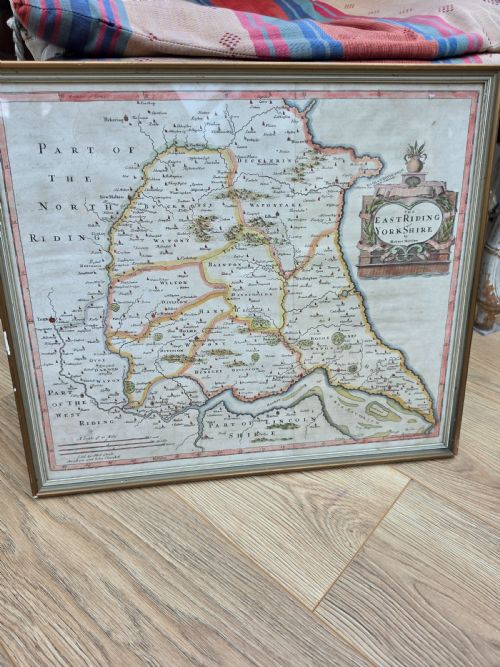
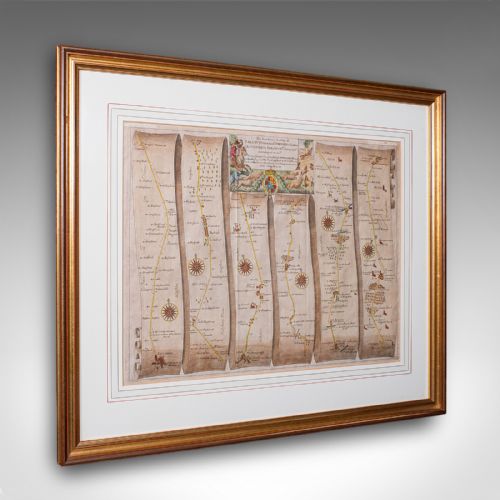
A framed english county map represents historical cartography produced by notable mapmakers from the seventeenth century through to the Victorian era. These pieces document specific regions such as Wiltshire, Surrey, and Gloucestershire, rendered with detailed topography and regional boundaries.
The selection on this page relies heavily on seventeenth-century examples by cartographers like Robert Morden and Joan Blaeu, alongside later Georgian and Victorian publications. Buyers encounter atlas engravings and wall art housed within period wooden and gilt frames.
Most items combine engraved paper cartography with protective glass and timber surrounds, presenting historical data in a format suitable for domestic display. The origins span English and Dutch printing houses, reflecting the international trade in county maps.
Materials and Technique
These works utilise engraved paper sheets printed from copper plates using black or sepia ink. Selected examples feature hand-coloured applications in watercolour to delineate county borders and decorative cartouches.
Framing relies upon traditional timber such as oak or finished gilt wood, designed to protect the fragile paper beneath glass. Backings and mounts secure the delicate atlas sheets within their display housing.
Early mapmakers frequently populated empty sea spaces with mythical sea monsters and elaborate sailing ships to amuse the viewer.
Assessing Quality
Quality rests upon the clarity of the original copper plate impression and the preservation of the paper sheet over centuries. Sharp linework and legible Latin or English text distinguish superior impressions from worn or faded printings.
The integrity of the framing materials and the presence of contemporary hand-colouring elevate an example. Well-preserved margins around the engraved map surface indicate careful historic handling and storage.
John Speed·Robert Morden·Joan Blaeu·Thomas Kitchin·Christopher Saxton
The Framed English County Map Glossary
- Cartography
- The science or practice of drawing maps. This discipline forms the core of every framed county map.
- Atlas Engraving
- A printed map plate originally sourced from a bound geographical book. These sheets were later extracted for framing and display.
- Cartouche
- A decorative frame or medallion on a map enclosing the title, scale, or cartographer's signature. These elements often showcase intricate artistic detail.
- Lithography
- A planographic printing process used for later nineteenth-century maps. It relies on the repulsion of oil and water on a stone plate.
Framed English County Map: Frequently Asked Questions
How do I date a county map?
Dating relies on the cartographer's active working period, stylistic changes in typography, and internal evidence such as place names or dedication text printed on the sheet.
Publishing dates often appear directly on the plate or can be deduced from known cartographic editions recorded in historical references.
Were these maps originally framed?
Most antique county maps were bound into folio atlases rather than hung on walls when first produced. They were subsequently framed in later centuries to suit domestic interior decoration.
Finding a map in a period frame adds historical context, though frames are frequently updated to match prevailing interior tastes.
Why are some maps in Latin?
Early cartographers frequently produced maps with Latin text to appeal to an international scholarly market and wealthy collectors across Europe. Dutch publishers like Blaeu often utilised Latin for descriptions and titles on English county sheets.
English text became more prevalent in later decades as domestic publishing markets expanded for local buyers.
How should I care for framed paper maps?
Paper maps require protection from direct sunlight to prevent the fading of ink and any applied watercolour pigments. Maintaining stable indoor humidity prevents the paper from buckling or developing foxing spots within the frame.
Glazing should remain intact to shield the delicate engraved surface from atmospheric dust and physical damage.