

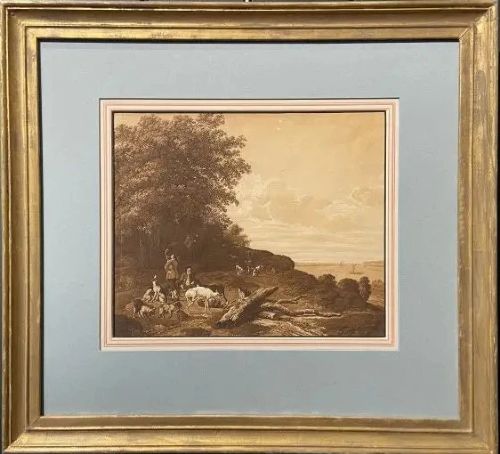
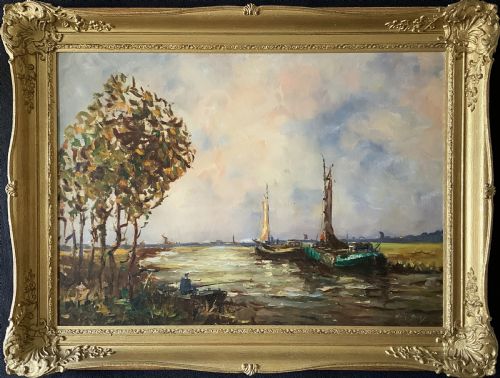
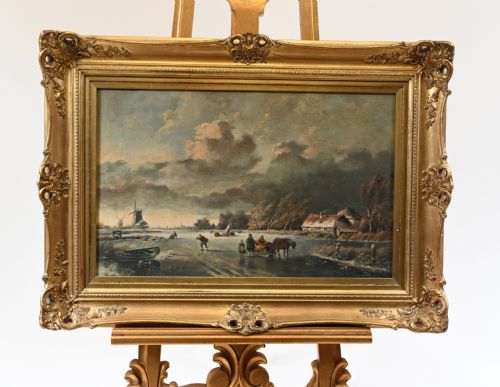
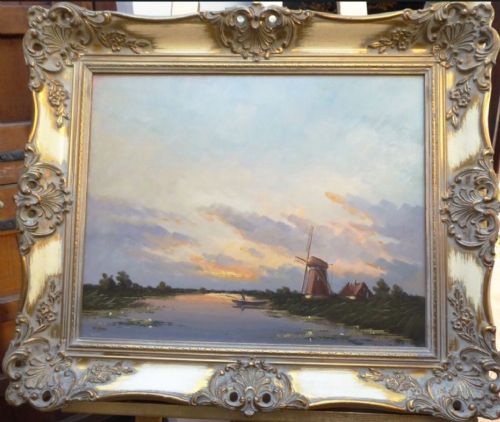


Framed Dutch Landscape Artwork
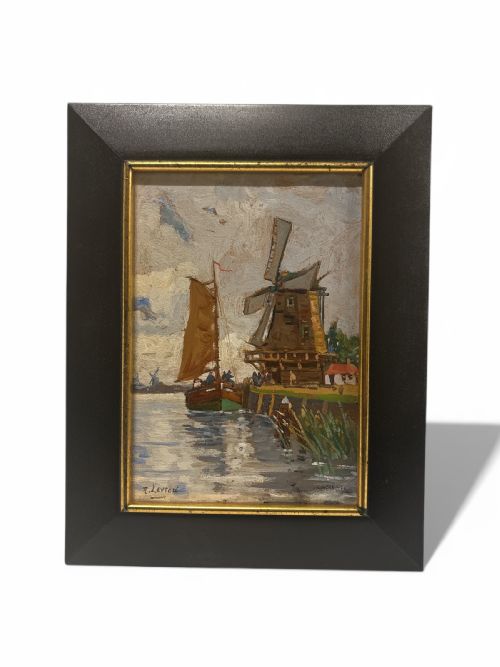
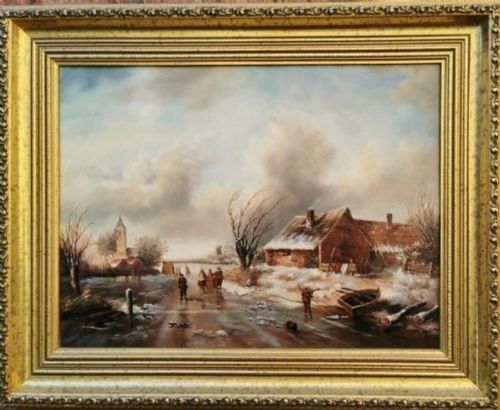
These framed dutch landscape artwork selections capture the atmospheric waterways, windmills and winter scenes that define centuries of painting.
Framed Dutch Landscape Artwork
When you search for framed dutch landscape artwork, you encounter oil paintings, watercolours and wall art spanning from the seventeenth century through to the mid-twentieth century. The selection ranges from seventeenth-century Dutch Golden Age canvases to nineteenth-century realist townscapes and later impressionist interpretations of canals and coastal views.
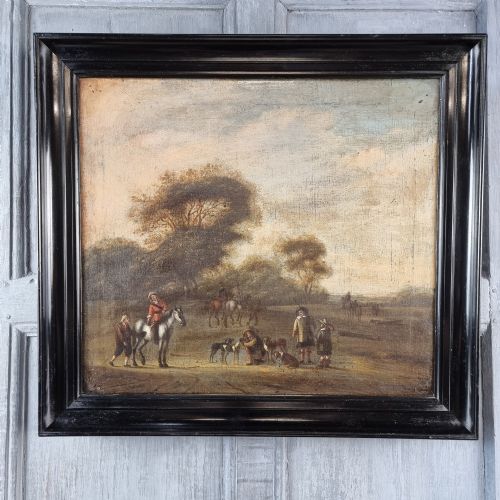
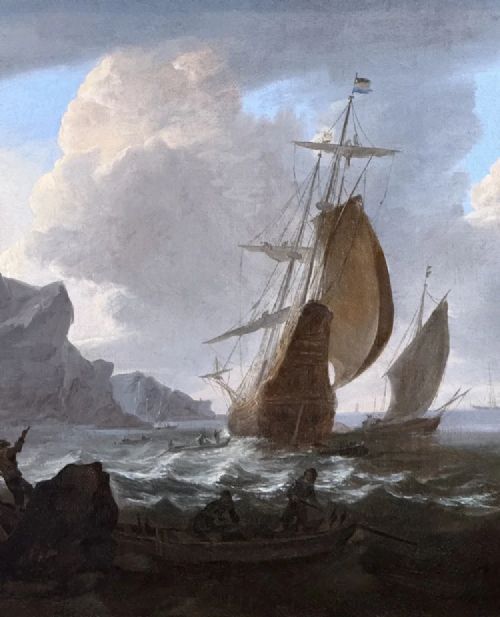
You are most likely to meet nineteenth-century works and mid-century interpretations on this page, often featuring windmills, frozen winter scenes or shipping vessels on rivers. These oil paintings and watercolours capture specific topographical traditions, moving from grand maritime scenes to intimate rural tracks and forest clearings.
How they were made
Artists painted primarily with oil paint on canvas, wood panels or boards, though watercolour on paper also appears in the tradition. Wooden panels provide a rigid support favoured in earlier periods, while canvas and gesso grounds dominate later oil works.
Framing forms an integral part of these pieces, utilising wood, giltwood, gold leaf and moulded gesso to house the artwork. These frames often reflect the period of the painting itself, using heavy gilding or simple moulded wood to complement the visual weight of the landscape.
Several artists travelled far from the Low Countries, painting Italian coastal towns and Venetian canals while keeping their distinctly Dutch eye for light.
What varies in quality
Quality rests in the handling of light, atmospheric perspective and the naturalism of the brushwork rather than the mere age of the canvas. Finer works capture the characteristic low horizons and expansive skies typical of the Dutch School with confident, fluid strokes.
The integrity of the physical materials also distinguishes the range, particularly the preservation of the original oil paint layer against cracking or overpainting. Furthermore, the harmony between the painting and its original wood or giltwood frame elevates the overall execution of the piece.
Bonaventura Peeters·Johannes Lingelbach·Willem Bos·Pieter Cornelis Dommersen·Cornelis Van Poelenburgh·Thomas Bush Hardy·Adrian Van Porten·Cornelis Christian Dommersen·Marmaduke Cradock·Jacob Bogdani·Willem Anton Alexander Knip·Johannes Philippus Galjaard·Abraham Hulk Snr·Florence Hess·James de Rijk·Hendrik Willebrord Jansen·William Raymond Dommersen·Jan van Couver·Jan Evert Morel·Job de Vogel·Gudrun Sibbons·Pieter Cornelis Steenhouwer·Paul Jean Clays
The Framed Dutch Landscape Artwork Glossary
- Dutch School
- A term describing painters who worked in the Netherlands or adhered to the stylistic traditions of Dutch art from the seventeenth century onwards. It encompasses varied subjects including maritime views, winter landscapes and townscapes.
- Giltwood
- Wood that has been covered with a thin layer of gold leaf or powder. It frequently appears on the antique frames enclosing these landscape paintings.
- Gesso
- A paint mixture consisting of a binder mixed with chalk, gypsum or pigment. It is applied to wood panels or canvas to create a smooth surface before oil painting begins.
- Oil on Canvas
- A technique where pigments suspended in drying oils are applied to stretched fabric. This combination allows for rich blending and textured brushwork visible in many landscape works.
- Hague School
- A group of nineteenth-century artists who worked in The Hague and painted in a realistic style. Their canvases often emphasise grey and earthy tones to capture hazy atmospheric conditions.
Framed Dutch Landscape Artwork: Frequently Asked Questions
How do I identify a seventeenth-century piece?
Seventeenth-century works often reflect the Dutch Golden Age, showing dark, dramatic palettes or precise architectural and maritime details on wood panels.
Examining the canvas preparation, the craquelure in the oil paint and the style of the wooden frame provides further clues to the age.
What subjects are most common?
Canals, windmills, frozen winter scenes and shipping vessels dominate these landscape artworks.
Artists frequently returned to these motifs to explore the flat horizons and unique cloud formations characteristic of the Dutch terrain.
Are watercolours common in this tradition?
Watercolour paintings appear alongside oil on canvas and wood panel works, particularly in nineteenth-century examples.
These paper pieces offer a lighter, more transparent medium while maintaining the topographical focus on rivers and coastal views.
How should I care for these paintings?
Keep oil paintings and their giltwood frames away from direct sunlight and sudden temperature shifts to prevent the wood and canvas from warping.
Dust the surface gently with a soft, dry brush and avoid using liquid cleaners on the paint or the gesso frame.