

Framed Countryside Artwork
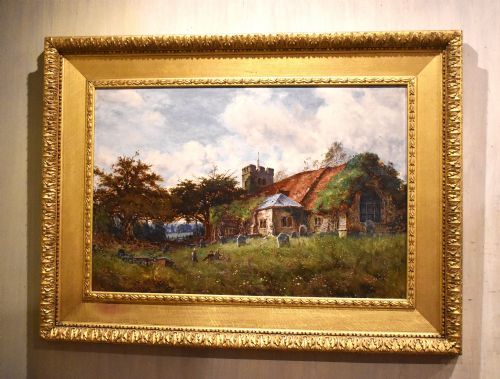
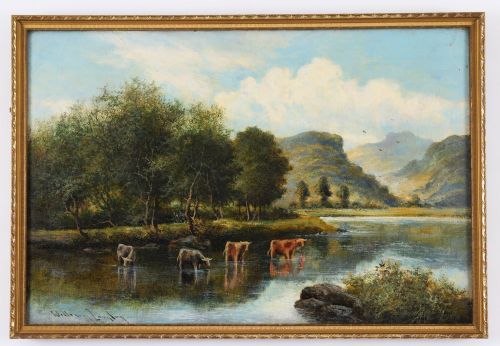
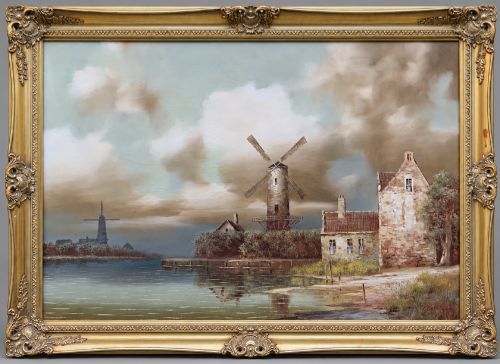
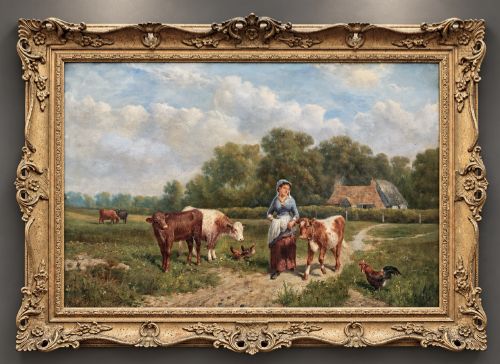
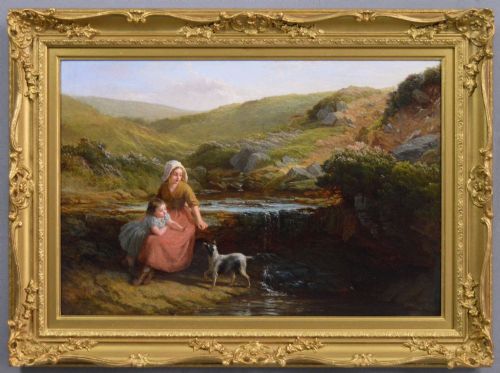
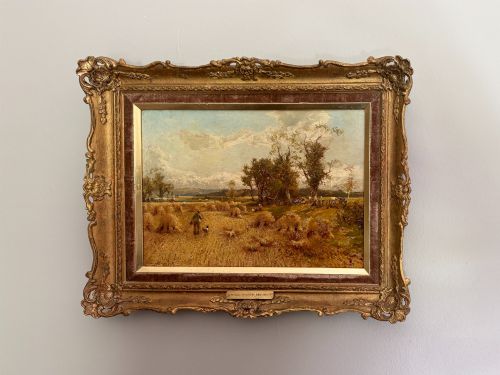
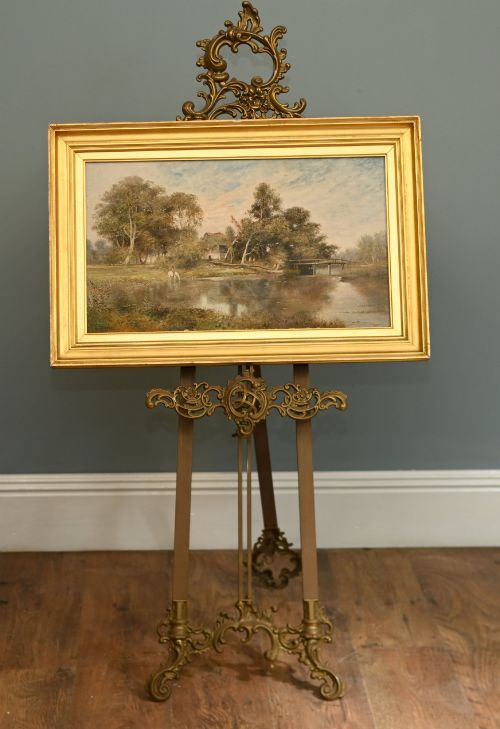
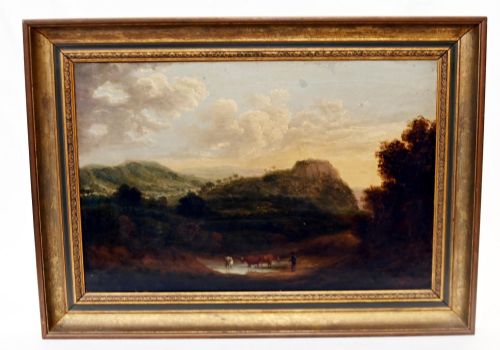
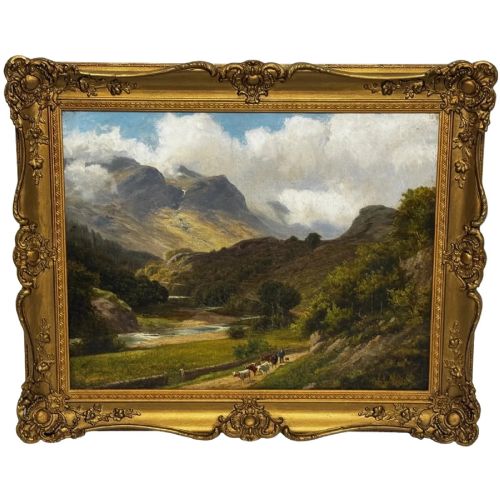
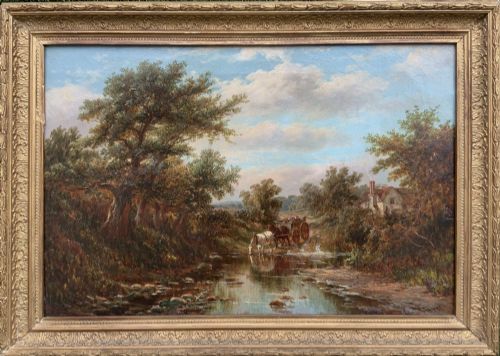
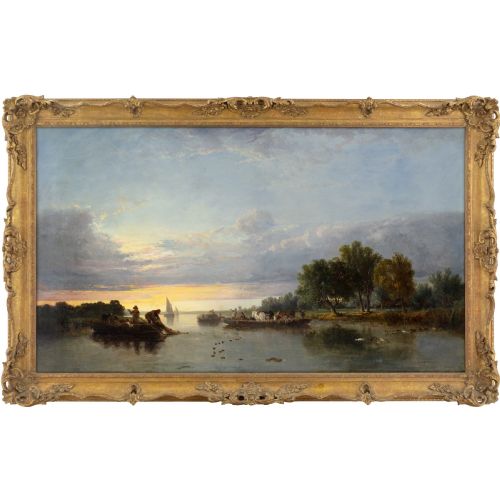
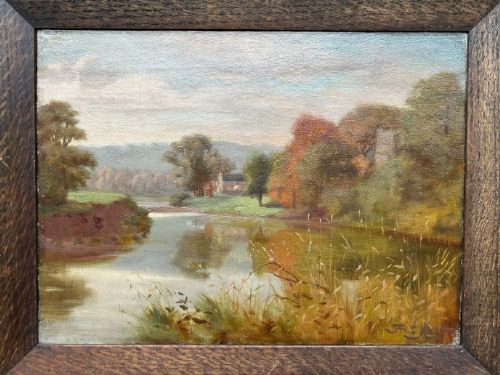
Framed countryside artwork captures rural scenes across British and European landscapes, offering a direct window into pastoral life through historical paintings.
Framed Countryside Artwork
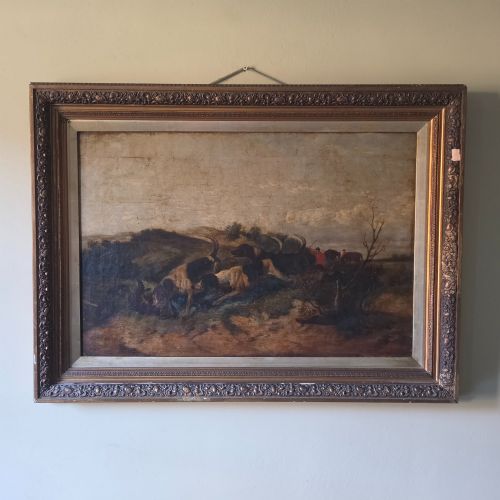
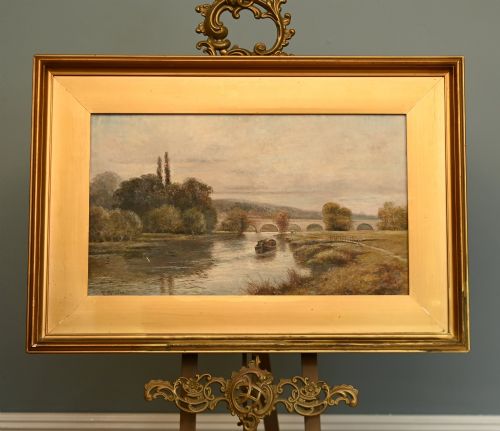
Framed countryside artwork encompasses oil paintings, watercolours, and mixed media depictions of rural views, rivers, and agricultural life. These pieces span from the nineteenth century into the mid-twentieth century, recording changing rural environments.
Oil on canvas and watercolour on paper dominate the works found in this selection. Subjects range from romantic nineteenth-century vistas to early twentieth-century interpretations.
Materials and construction methods
Painters utilised oil and watercolour mediums applied to stretched canvas, wooden panels, and heavy paper supports. Canvas pieces often retain their original wooden stretcher frames and period decorative surrounds.
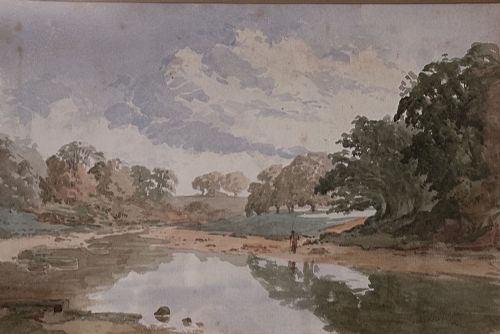
Watercolour works typically employ paper mounted behind protective glass within timber frames. Pigments were brushed onto prepared grounds, capturing natural light and atmospheric conditions in rural settings.
The selection includes depictions of rivers, woodlands, and agricultural scenes executed by British and European painters.
Factors determining quality
Quality rests upon the artist's brushwork control, compositional balance, and the preservation of the original paint surface. Stronger examples display confident handling of light and shadow within the natural landscape.
The integrity of the frame and the stability of the support material influence the overall standing of each piece. Works retaining their period presentation maintain a stronger connection to their original era.
Richard Sebastian Bond·William H Myers·Frederick Marriott·Arthur Wardle·Robert Morson Hughes
The Framed Countryside Artwork Glossary
- Canvas
- A heavy woven fabric stretched across a wooden frame to serve as a painting surface. It provides texture that interacts with oil paint layers.
- Watercolour
- A paint consisting of pigment suspended in a water-based solution, applied to paper. It creates transparent washes of colour.
- Impressionism
- An art movement focusing on transient effects of light and everyday subjects. Practitioners captured outdoor scenes with rapid brushstrokes.
- Gouache
- An opaque water-based paint that produces solid fields of colour. It appears in several mixed media landscape works.
Framed Countryside Artwork: Frequently Asked Questions
How do I date these landscape paintings?
Dating relies on stylistic clues, stretcher construction, and artist signatures recorded in historical records. Costume details and architectural elements within the scene also help narrow the period.
Framing styles frequently correspond to the era of creation, though works were occasionally re-framed later in their history.
What is the difference between oil and watercolour?
Oil paint utilises a slow-drying oil binder that allows for rich blending and textured impasto surfaces on canvas or panel. Watercolour employs water-soluble binders on paper, producing lighter, translucent effects.
Oils are traditionally heavier and require protective glazing less often than works on paper.
How should I care for framed artwork?
Keep pieces away from direct sunlight and areas subject to high humidity to protect pigments and paper supports. Stable indoor temperatures prevent the warping of wooden frames and canvas stretchers.
Dust wooden frames gently with a dry cloth and avoid using chemical cleaners on painted surfaces or glass.
Are these works signed by the artists?
Many pieces carry visible signatures or monograms applied by the painter, often located in the lower corners. Some historical works remain unsigned or bear indistinct markings from regional schools.
Examine the canvas back and frame backing boards for additional inscriptions or gallery labels.