
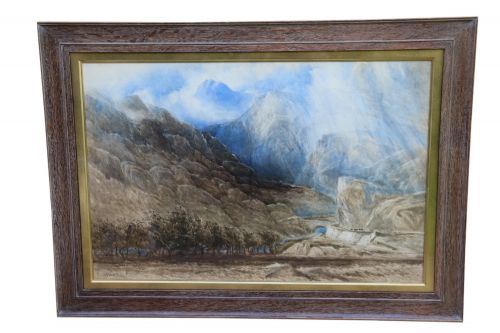

Oak Framed Painting
An oak framed painting brings together sturdy wooden moulding and centuries of fine canvas, panel or paper art.
Oak Framed Painting
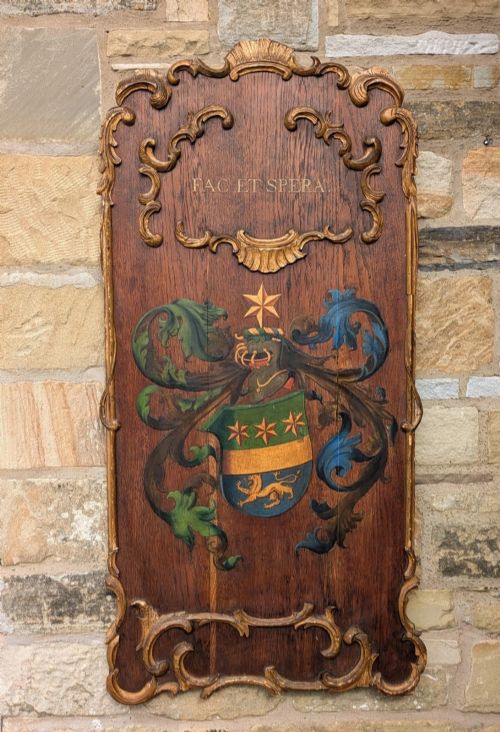
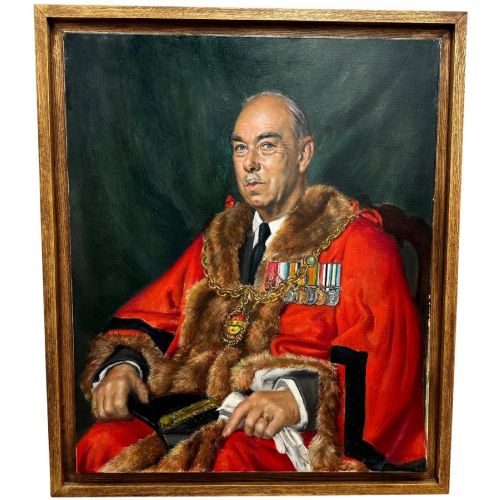
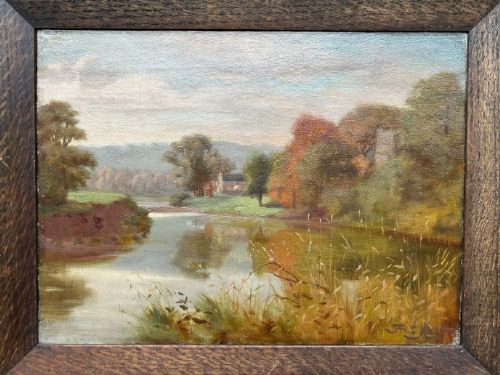
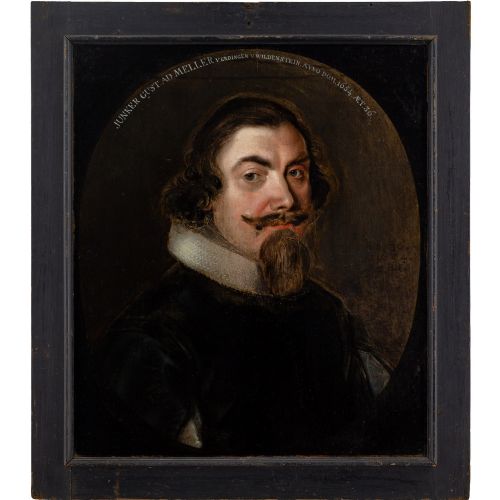
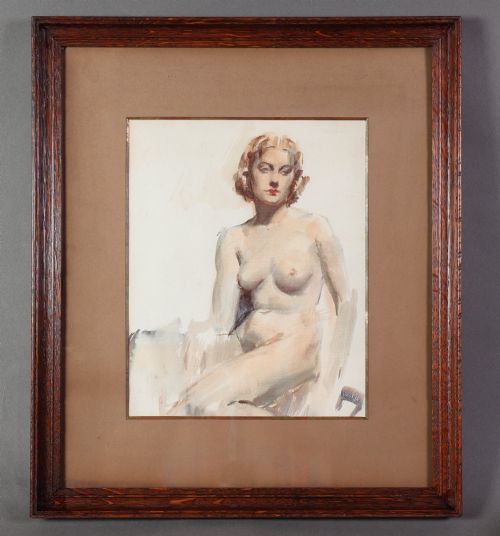
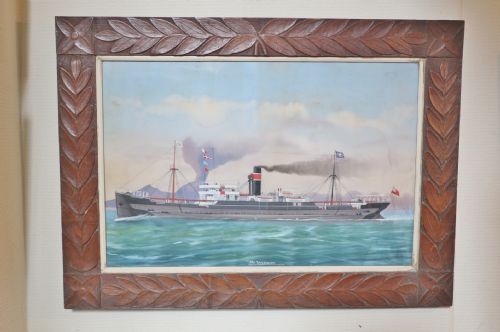
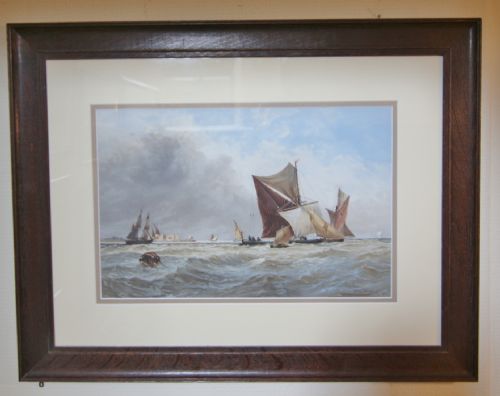
An oak framed painting combines historical artwork with durable wooden surrounds, ranging from robust early portraits on timber panels to later watercolours and oils under glass. When searching for an oak framed painting, collectors encounter diverse subjects including British landscapes, maritime scenes, and formal portraiture spanning several centuries.
The pieces on this page represent a wide chronological spread, from seventeenth-century works on oak panels to twentieth-century watercolours and oils. These items reflect traditional craftsmanship where the timber moulding complements the visual depth of the artwork it encloses.
How They Were Made
Artists historically applied oil paint or watercolour onto prepared canvas, paper, gouache board, or heavy timber panels of oak. These works were then housed in custom-made wooden frames, utilising solid oak joined at the corners with mitres or housing joints.
Mouldings were often left in their natural grain, carved with decorative profiles, or occasionally painted and gilded to highlight the visual qualities of the central composition. Glazing was added where works on paper or delicate gouache required protection from dust and moisture.
Listings feature works spanning from the seventeenth century through to the mid-twentieth century, executed in oil, watercolour, and gouache.
What Varies in Quality
Quality in these works rests upon the fidelity of the brushwork, the handling of light and perspective by the artist, and the integrity of the supporting panel or canvas. Masterful execution in portraiture or landscape distinguishes professional academic output from simpler naive folk art.
The calibre of the framing also dictates overall worth, with period-matched or period-original oak mouldings providing greater harmony to the piece than later replacements. The preservation state of the painted surface, free from excessive overpainting or structural splitting in the wood, determines the standing of an individual item.
Bernard Hailstone·Frederick Marriott·Michelangelo Meucci·TB Hardy·Henry Martin Pope·Charles Gregory·Henry Charles Fox·Harry Wanless·John Constable·George Lance·Philipp Peter Roos·Charles F Tunnicliffe
The Oak Framed Painting Glossary
- Oil on Panel
- A painting technique where pigments bound in oil are applied directly to a wooden support, commonly oak in early European works.
- Watercolour
- A painting method where fine pigment is suspended in a water-soluble vehicle, typically executed on paper or board.
- Gouache
- An opaque water-based paint that includes a white pigment filler, producing a heavier, denser surface than traditional watercolour.
- Panel
- A flat piece of wood used as a rigid support for paintings, frequently utilised before canvas became the dominant medium.
- Moulding
- The shaped strip of timber used to construct the border of the frame, which can be plain, carved, or gilded.
Oak Framed Painting: Frequently Asked Questions
How do I date an oak frame?
Dating relies on examining the joinery methods at the reverse corners, the profile of the wooden moulding, and the tool marks left by hand planes or early saws.
Older frames display hand-cut joints and irregular timber surfaces, whereas later industrial examples feature uniform machine processing.
Are all oak frames original to the paintings?
Many artworks have been reframed over centuries to suit changing domestic tastes or to replace damaged earlier surrounds.
Matching the age of the wood and the construction style to the period of the painting helps determine if the pairing is contemporary.
How should I display an oil painting on wood?
Wooden panels react to fluctuations in ambient humidity and temperature, making stable indoor environments essential for their preservation.
Keep these pieces away from direct sunlight, heating vents, and damp exterior walls to prevent the timber panel from warping.
What is the difference between oil on canvas and oil on panel?
Canvas provides a flexible woven textile support that accommodates slight shifting, while wood panels offer a rigid, solid foundation.
Panel paintings from earlier centuries require careful climate control to protect both the paint layer and the underlying timber.