





Framed Coastal Watercolour Artwork
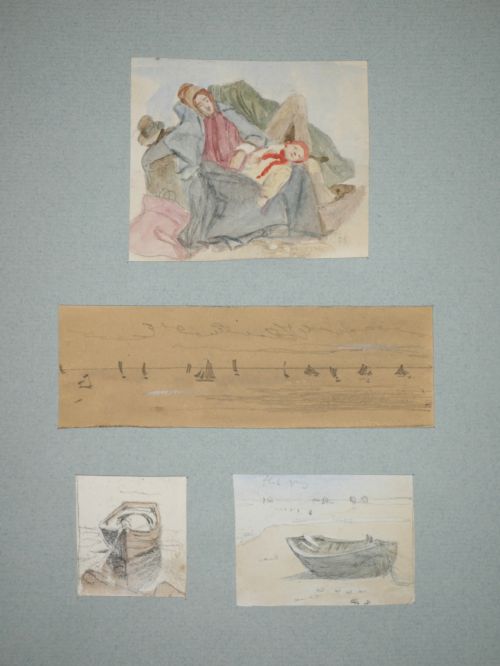
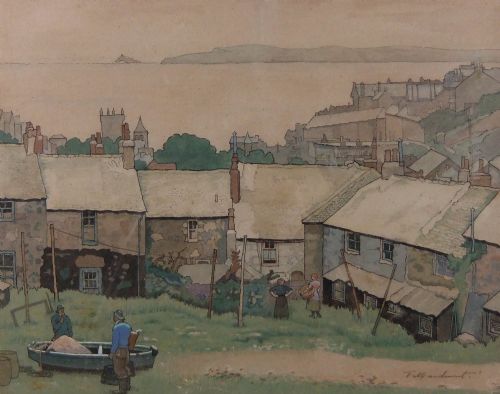
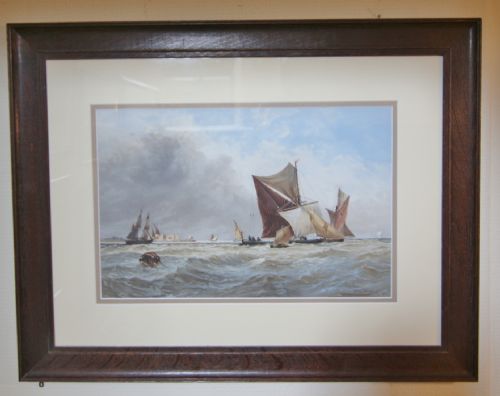
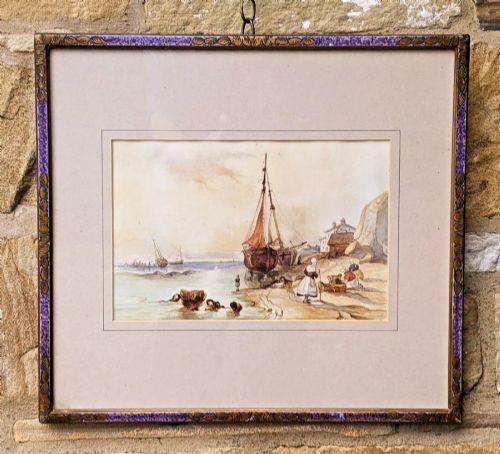
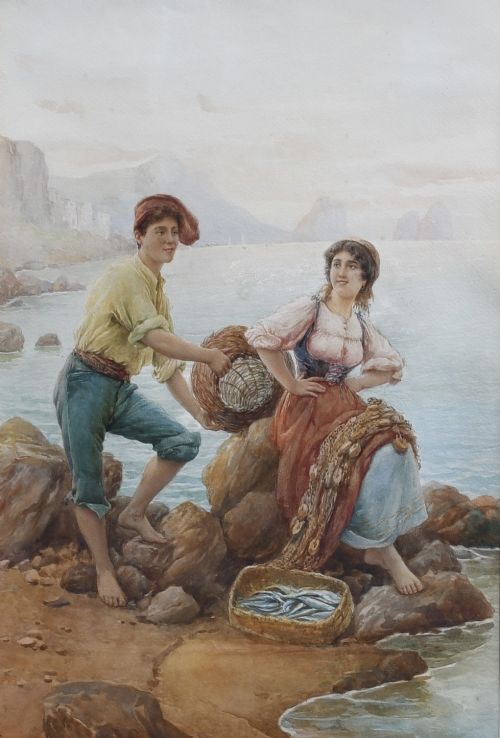
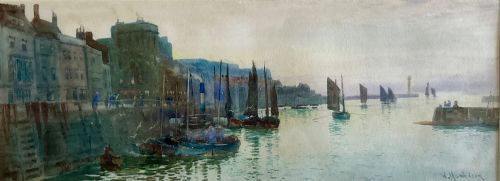
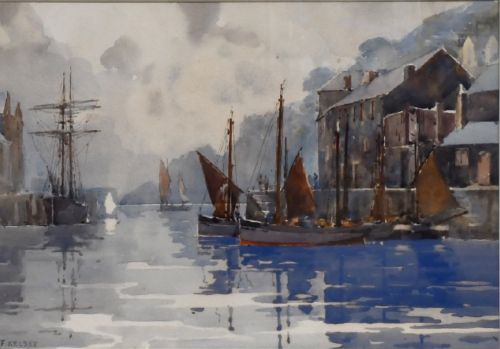
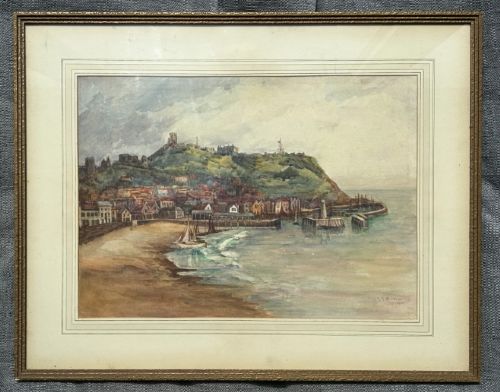
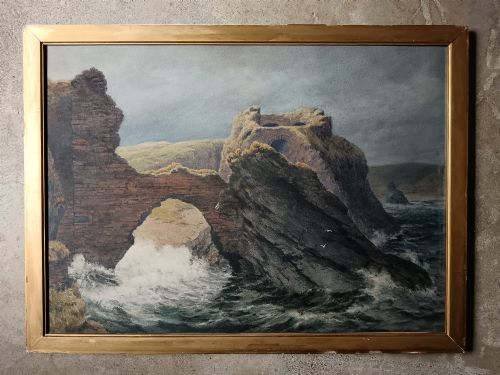
These framed coastal watercolour artwork pieces capture nineteenth and twentieth century harbours, cliffs, and fishing boats.
Framed Coastal Watercolour Artwork
A framed coastal watercolour artwork presents maritime scenes executed on paper using water-soluble pigments, capturing harbours, fishing vessels, and coastal cliffs. These works span the nineteenth century through to the mid twentieth century, encompassing British Impressionism, Victorian maritime art, and regional schools such as St Ives.
The most common examples on this page are nineteenth-century and early twentieth-century British and European watercolours depicting local harbours, fishing boats, and coastal towns. Scenes range from bustling Yorkshire ports and Scottish castles to tranquil Mediterranean and Norman coastal views.
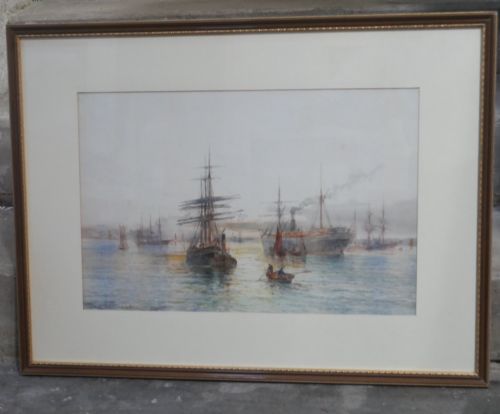
Works on paper typically appear set behind protective glass within period timber frames, often highlighted with gilt details. These framed paintings record historical shorelines, maritime traffic, and coastal communities through direct observation and studio interpretation.
How these pieces were made
Artists applied watercolour paint and pigment onto paper supports, occasionally incorporating gouache for opacity in highlights and details. The medium demands precise brushwork and transparent washes, as errors remain difficult to correct once applied to the absorbent paper surface.
Finished works received protective mounting behind glass and were housed within bespoke wooden frames, frequently finished in gilt wood to complement the domestic interiors of the period.
Listings feature paper, watercolour pigment, glass, wood, and gilt wood across Victorian, Edwardian, and mid-twentieth-century periods.
What varies in quality
Quality rests in the handling of light, atmosphere, and the fluidity of the pigment washes across the paper. Stronger pieces demonstrate confident brushwork that conveys the movement of water, the weight of maritime vessels, and coastal weather conditions with economy and precision.
The sophistication of the original framing contributes to the overall distinction of the piece, with period gilt wood frames offering greater harmony with the age and character of the painting.
James Orrock·James Smetham·John E Aitken·William Banks Fortescue·Thomas Maidment·TB Hardy·Carlo Ferranti·William Matthison·George Stanfield Walters·Frank Kelsey·F A Roylance·John Moxon·Alfred George Morgan·Lionel Horsnell·John Bedloe Goddard·Paul Delvaux·Charles William Adderton·Richard Harry Carter·William Lee Hankey·Ernest Dade·Arthur Tucker·William Tuck·Fred Waugh·Colin H Greenwood·John McDougal
The Framed Coastal Watercolour Artwork Glossary
- Watercolour pigment
- Finely ground colour particles mixed with a water-soluble binder, applied in translucent washes to create luminosity on paper.
- Gilt wood
- Timber framing coated with a thin layer of gold leaf or metallic paint, common in period presentations.
- Works on paper
- A classification encompassing watercolours, drawings, and sketches executed on a paper substrate.
- St Ives School
- An art movement associated with artists drawn to the coastal landscape, fishing harbour, and light of Cornwall.
Framed Coastal Watercolour Artwork: Frequently Asked Questions
What periods do these watercolours cover?
The selections span from the nineteenth century through the Victorian and Edwardian eras into the mid twentieth century. Artists worked across these decades recording maritime subjects in Britain, Europe, and beyond.
Changes in framing styles and the evolution of regional artist colonies help distinguish the earlier nineteenth-century works from later twentieth-century examples.
How should I hang watercolour artwork?
Watercolours require protection from direct sunlight to prevent the pigments from fading over time. Hanging them away from harsh, continuous light sources preserves the delicate tones of the painting.
Ensure the room maintains stable humidity levels to protect both the antique paper support and the timber or gilt frame.
What subjects appear in these scenes?
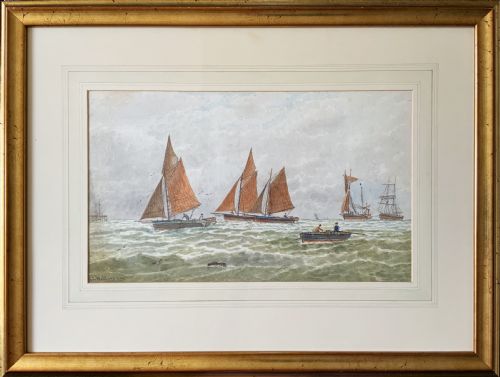
Common subjects include bustling fishing harbours, sailing vessels at anchor, stormy seas, and quiet coastal villages. Locations range from Yorkshire and Cornish ports to Scottish castles and continental European shores.
Many paintings document specific historical maritime activities, such as trawling luggers and traditional boat departures.
Are the frames original to the paintings?
Many pieces retain period timber or gilt wood frames that match the approximate age of the watercolour. These frames often show historical character consistent with their lifespan.
Examining the backing and construction helps determine whether the framing dates alongside the artwork.