

Framed Bird Wall Art
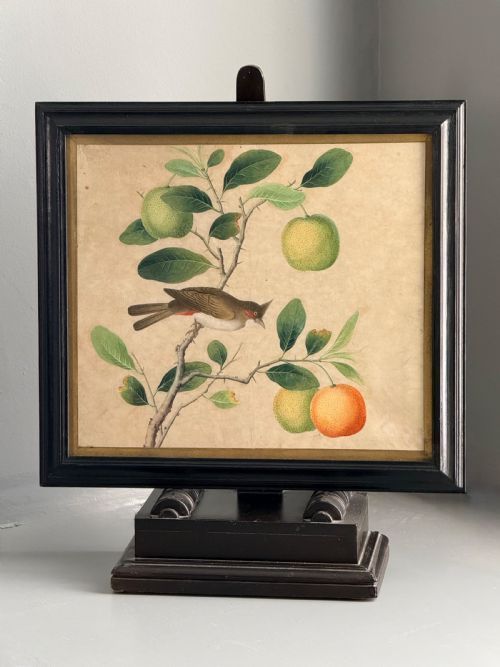
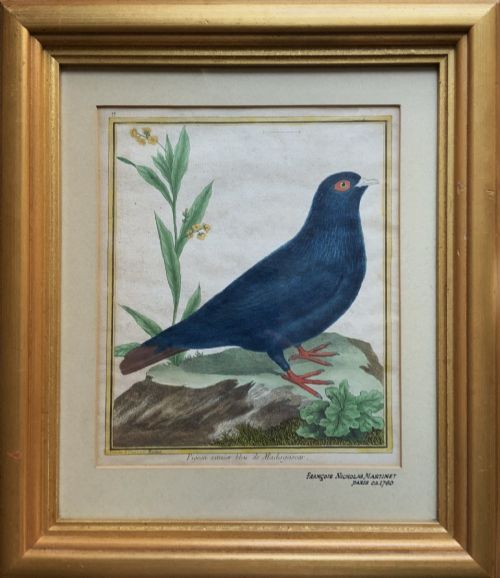
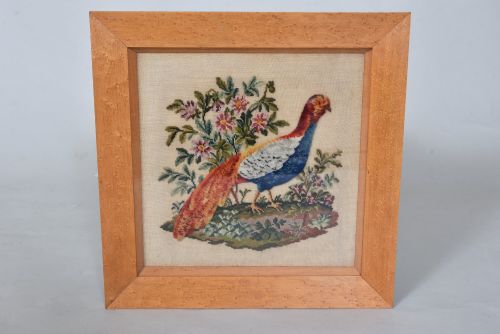
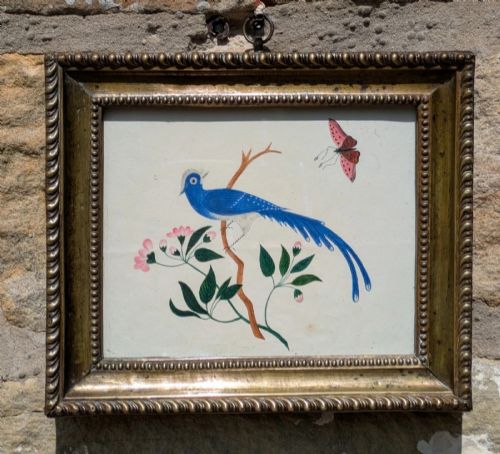
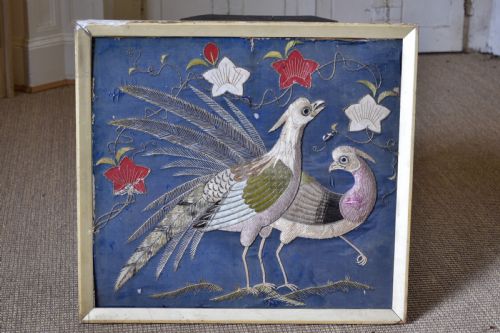
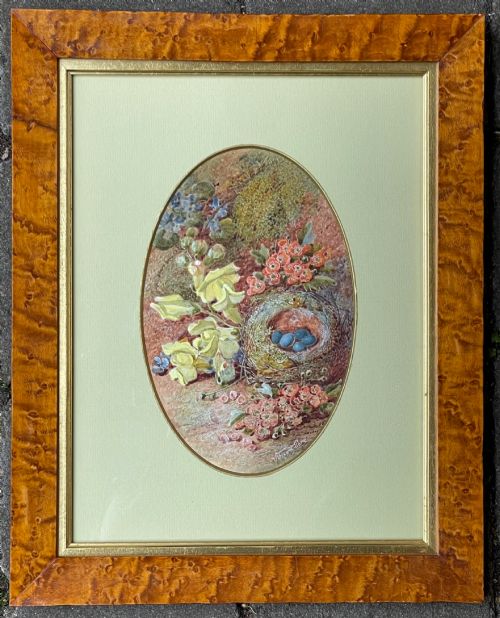
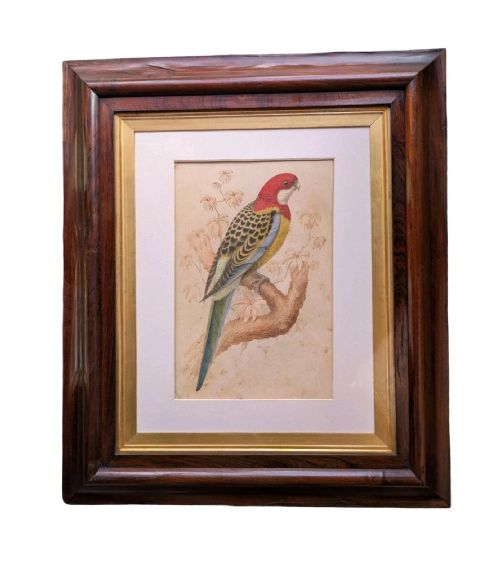
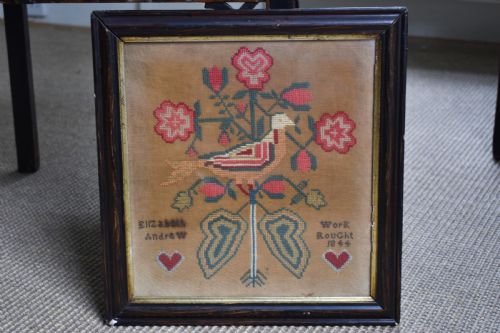
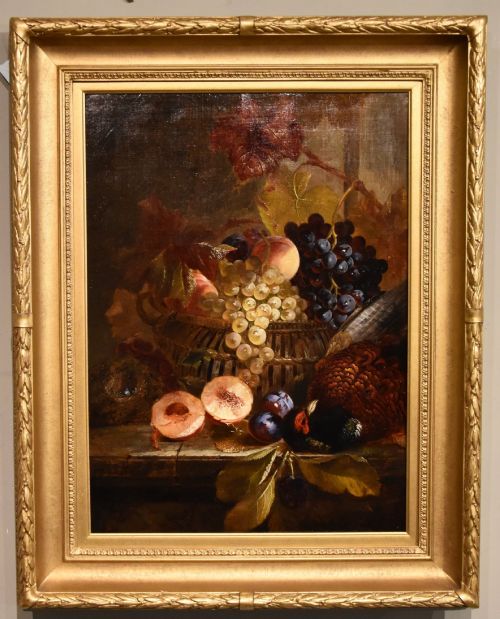
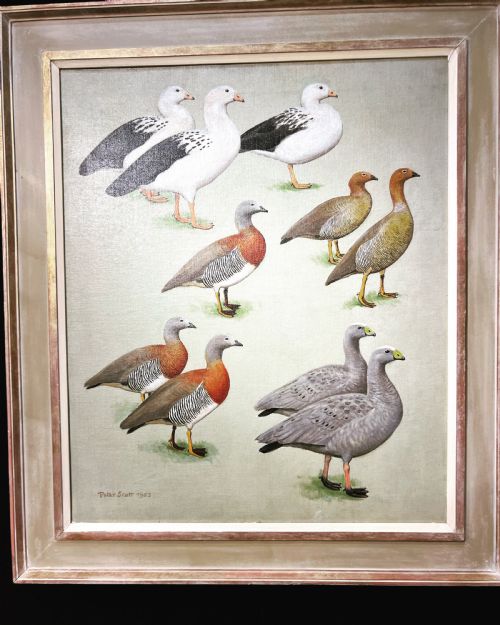
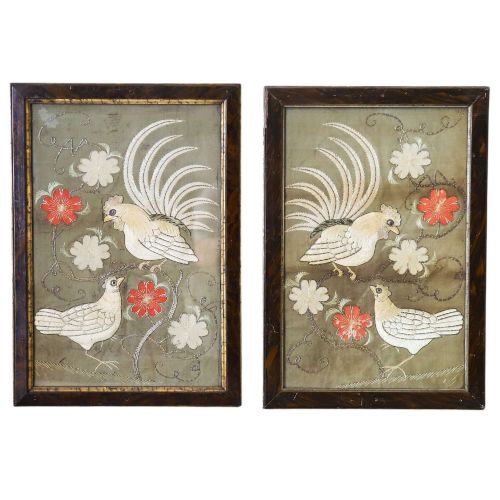
Framed bird wall art brings natural history illustration and sporting art indoors, offering a distinct view of avian life through historical watercolours and oils.
Framed Bird Wall Art
When you search for framed bird wall art, you encounter diverse forms ranging from natural history illustration to Victorian sporting art and surrealist satire. These pieces capture avian subjects through varied artistic lenses across several distinct eras.
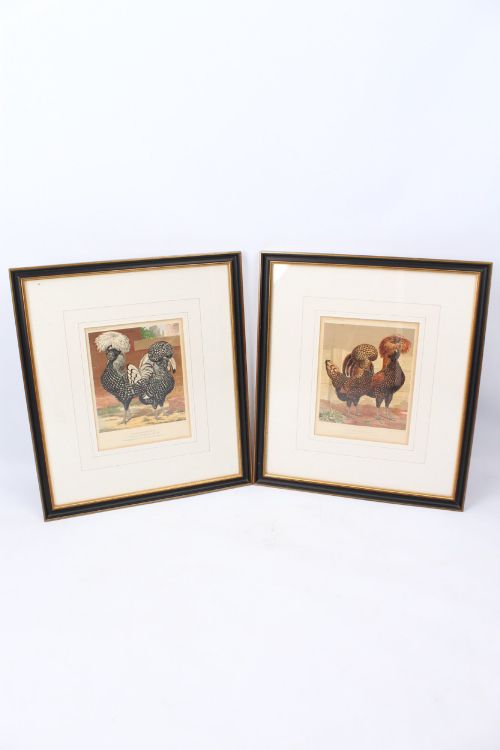
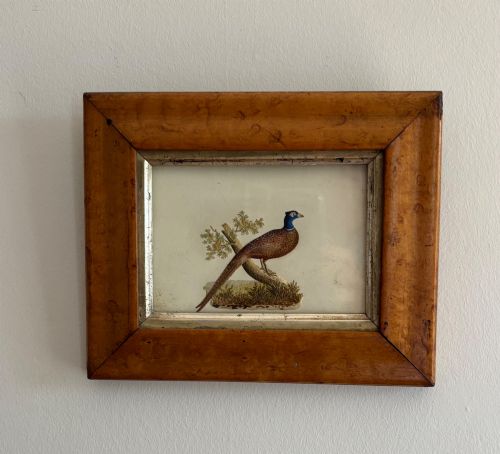
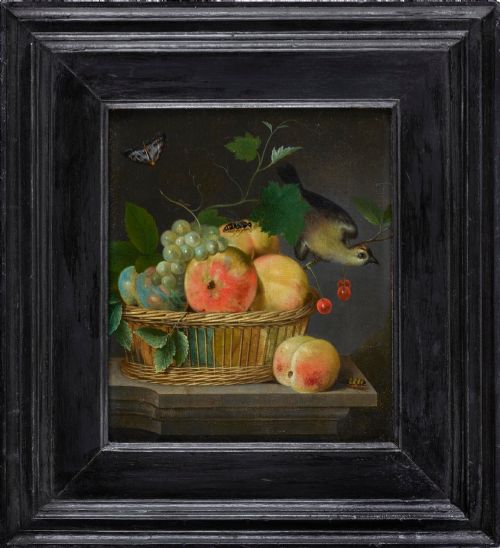
The selections on this page are most likely to meet you as watercolour paintings or oils on paper and canvas. Examples include garden birds, ducks flying away, and cartoon watercolours.
The origins span the Victorian period through to 1910, 1930, and 1940. This chronology shows how artists shifted from sporting scenes to natural history and satirical interpretations over decades.
How they were made
Makers utilised watercolour, watercolour pigment, gouache, and oil paint applied to paper and canvas. These traditional mediums were handled with precise brushwork to capture feather texture and anatomical detail.
Protection came from timber frames paired with glass. Wood and glass together preserved delicate watercolours and paper works against dust and moisture.
Framed Bird Wall Art Retail Price Guide 2026
Typical asking prices for framed bird wall art among the pieces listed under this phrase on Sellingantiques today, from the lower quarter to the upper quarter. They describe what is for sale here now, not the wider market.
Current listings span the Victorian period, 1910, 1930, and 1940, utilising paper, wood, glass, watercolour, and oil paint.
What varies in quality
The upper tier of framed bird wall art shows distinct mastery in pigment handling and anatomical precision, especially visible in natural history illustration and sporting art. Stronger works capture motion and feather detail with confidence, while lesser pieces rely on stiff or repetitive lines.
The supporting frame and glass also influence the overall standard. Original wooden framing and clean glass that protect the underlying paper or canvas without obscuring the pigment mark superior historic survivals.
Ralston Gudgeon·Thomas Blinks·Paul-Louis Barruel
The Framed Bird Wall Art Glossary
- Watercolour
- A paint consisting of colour suspended in a water-soluble vehicle, commonly applied to paper in these works.
- Gouache
- An opaque watercolour paint that includes a white pigment to create denser, heavier colour applications.
- Natural history illustration
- Scientific or observational depiction of animals and plants, executed with strict attention to biological accuracy.
- Victorian sporting art
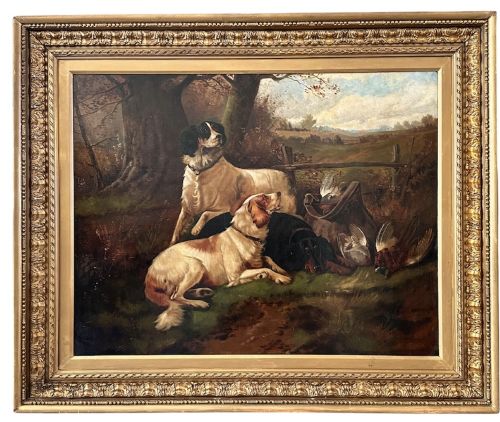
- Nineteenth-century depictions of field sports and game animals, often showing birds in flight or in their natural habitat.
Framed Bird Wall Art: Frequently Asked Questions
What is framed bird wall art?
Framed bird wall art comprises historical paintings and illustrations of avian subjects set behind glass within wooden frames. These pieces range from scientific studies to sporting scenes.
They reflect the artistic styles and natural history interests of periods from the Victorian era up to the mid-twentieth century.
How do I date these pieces?
Dating relies on stylistic markers, framing materials, and artist attribution where recorded. Victorian sporting art differs visibly from 1930s or 1940s modernist and natural history approaches.
Examining the type of paper, pigments, and construction of the wooden frame provides further clues to the decade of creation.
Where should I hang them?
These artworks suit studies, hallways, and living spaces where traditional or mid-century pieces complement the interior. They pair well with neutral walls that allow the framed paper or canvas to stand out.
Keep them away from direct sunlight to protect delicate watercolours and gouache pigments from fading.
How are watercolour and oil distinguished?
Watercolour is translucent and typically painted on paper, often showing the texture of the sheet beneath the pigment. Oil paint is heavier, opaque, and traditionally applied to canvas or thick paper.
Oils possess a distinct sheen and texture, whereas watercolours require framing beneath glass for protection.