



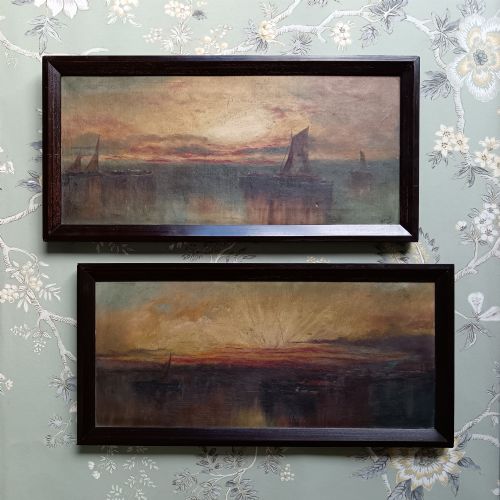

Framed Seascape
When you search for a framed antique seascape, you are looking at maritime history captured on canvas and paper, framed and ready for the wall.
Framed Seascape
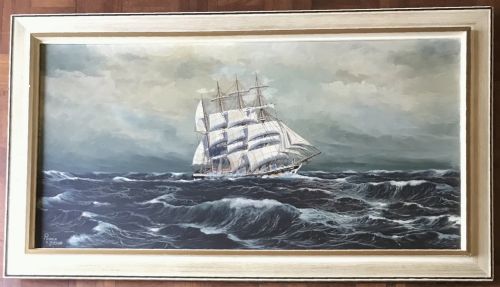
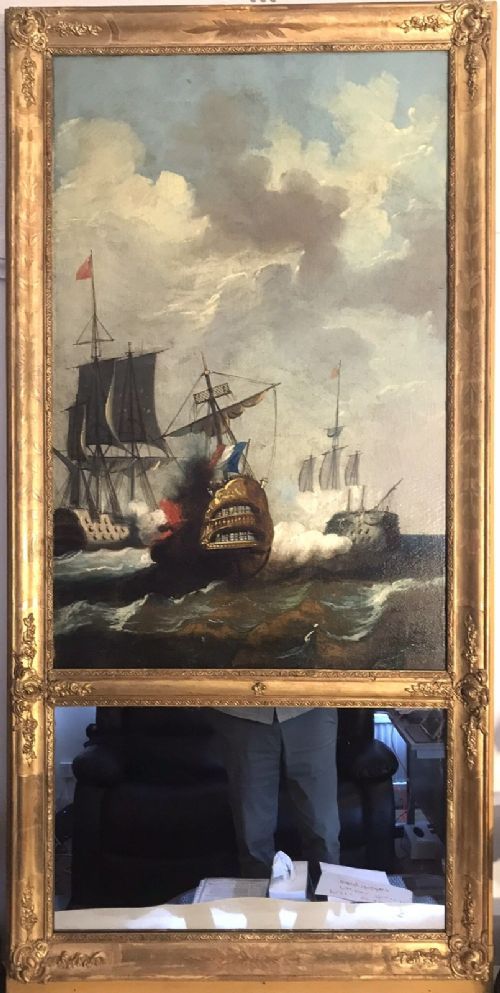
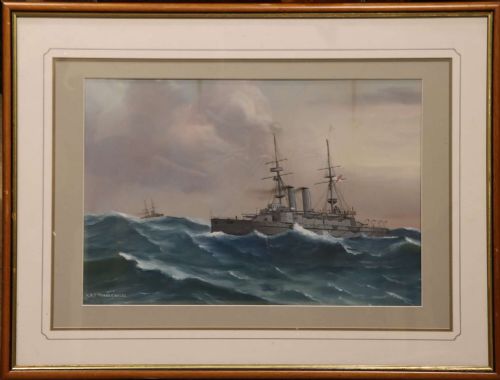
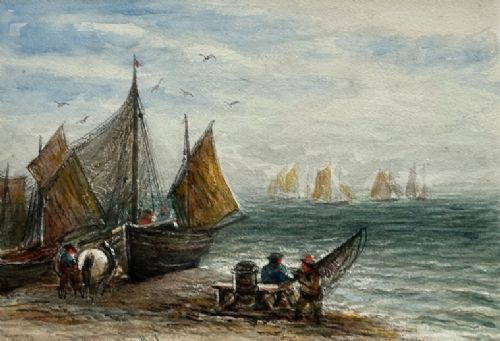
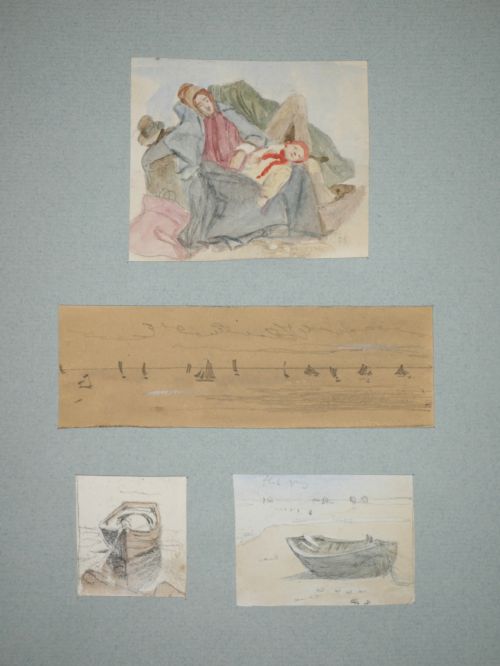
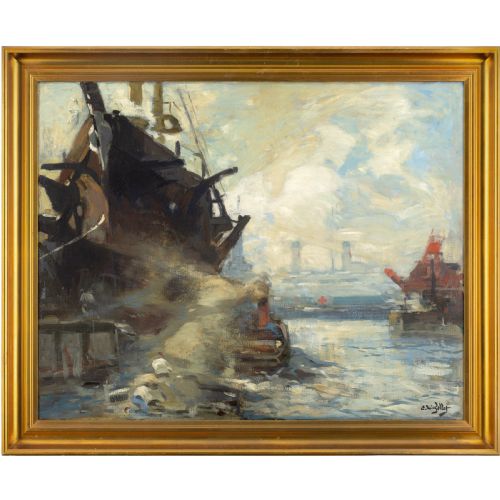
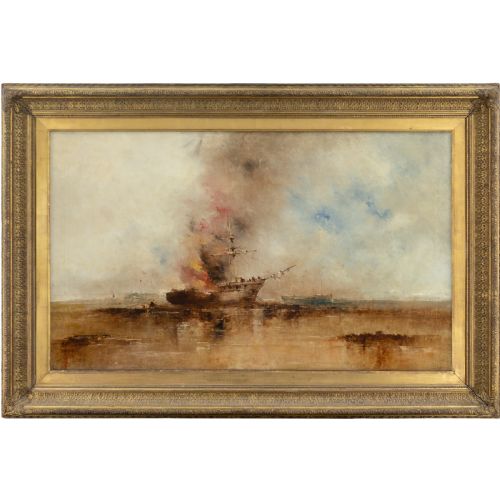
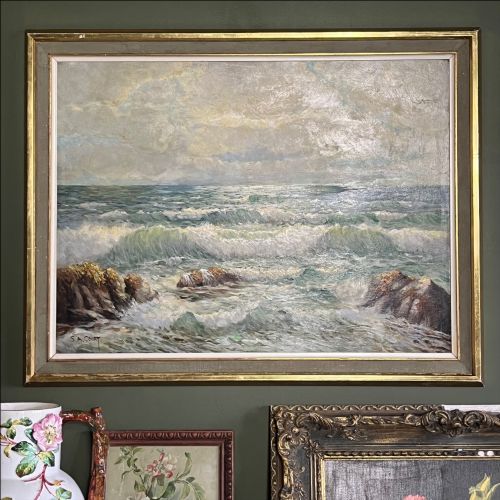
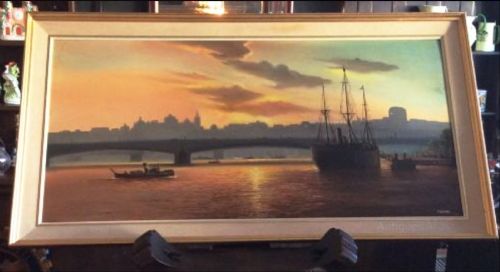
A framed antique seascape presents maritime subjects ranging from bustling harbour scenes and quiet coastal fishing boats to dramatic shipwrecks and warships in heavy seas. You will frequently encounter works from the Victorian and Edwardian periods, alongside pieces dating through the nineteenth and early twentieth centuries.
The selection encompasses diverse compositions including expansive oil paintings on canvas or board, delicate watercolours on paper, gouache, and specialised formats like maritime shadow boxes. Subjects span British coastal views, Venetian lagoons, and international shipping routes, all enclosed within period protective frames.
How They Were Made
Artists painted primarily using oil paint on canvas, panel, or board, or applied watercolours and gouache onto paper for lighter maritime sketches. These works were then housed in wood frames, often finished in gilt wood to complement the imagery.
Protection and presentation were achieved using glass over paper works and secure backing boards, maintaining the integrity of the oil paint or watercolour pigments over generations.
Listings feature works from the 17th century through the 1960s, using oil, watercolour, and gouache on canvas, paper, and board.
What Varies in Quality
Quality rests upon the artist's ability to render light, water movement, and atmospheric conditions convincingly, separating routine decorative works from accomplished fine art paintings. The handling of maritime architecture, rigging details, and the turbulent or calm nature of the sea demonstrates the painter's technical capability.
The composition of the frame, particularly period gilt wood mouldings that match the era of the painting, contributes significantly to the overall integrity and visual presence of the piece.
Eugène-Louis Gillot·William McAlpine·Charles Edward Dixon·Francis Moltino·John Wilson Carmichael
The Framed Seascape Glossary
- Oil on Canvas
- A painting technique using pigments bound in a drying oil applied to stretched canvas fabric. This medium allows for rich colour blending and textured brushwork.
- Watercolour
- A painting method where water-soluble pigments are used on paper. It produces transparent washes of colour ideal for capturing coastal light and atmosphere.
- Gouache
- An opaque water-based paint medium that includes a white pigment filler, resulting in solid, vibrant colours often found on board or paper.
- Gilt Wood
- Wood carved and covered with a thin layer of gold leaf or metallic gilt finish. These frames frequently accompany nineteenth-century maritime art.
- Shadow Box
- A deep, glass-fronted framed box designed to display three-dimensional objects or layered maritime scenes. It offers protection while adding physical depth.
Framed Seascape: Frequently Asked Questions
How do I hang a heavy framed seascape safely?
Heavy oil paintings on canvas require robust picture hooks and fixings screwed directly into wall studs or masonry. Ensure the hanging wire and D-rings on the original frame are secure before mounting.
Position the artwork at eye level and away from direct sunlight or damp areas to protect both the canvas and the gilt wood frame.
Are watercolours framed differently than oil paintings?
Watercolour paintings on paper require glass protection to shield the delicate pigments from atmospheric dust and moisture. They are typically mounted behind glass within a supportive paper mat.
Oil paintings on canvas or board are generally left unglazed to allow the textured paint surface to remain visible without trapped condensation.
How can I identify a Victorian seascape?
Victorian pieces often display specific maritime subjects such as three-masted schooners, clipper ships, or dramatic rescue scenes in heavy seas. The materials, including traditional wood stretchers and period gilt frames, reflect nineteenth-century framing conventions.
Signatures, artist registry records, and stylistic traits typical of British marine art schools further help confirm the nineteenth-century origins.