




Antique Seascape Canvas Painting
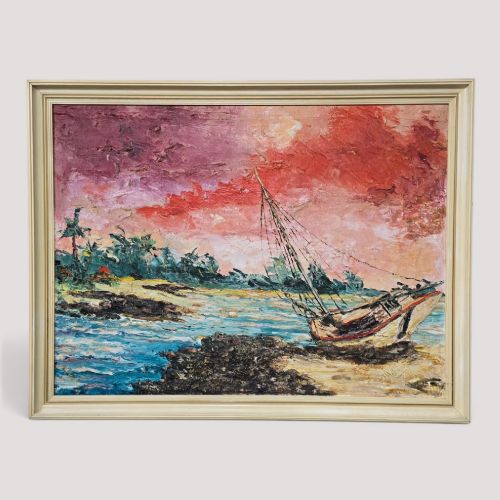
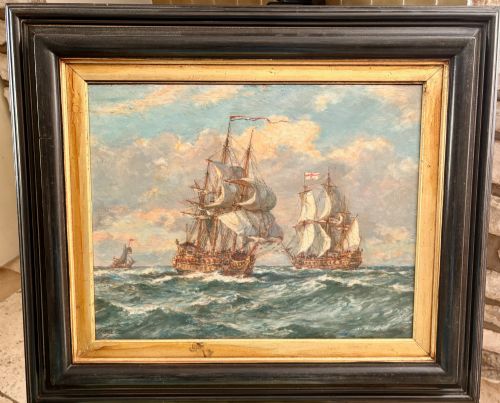
An antique seascape canvas painting captures the unpredictable drama of coastal life, maritime trade, and rolling open waters.
Antique Seascape Canvas Painting
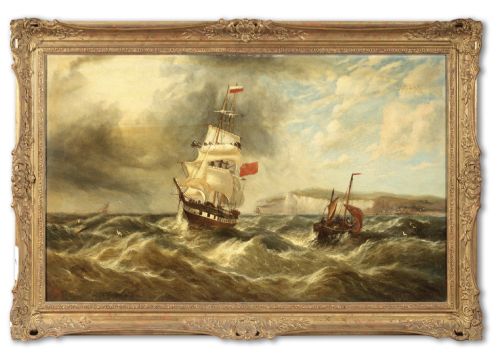
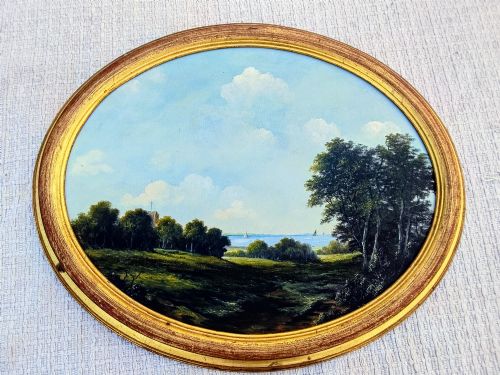
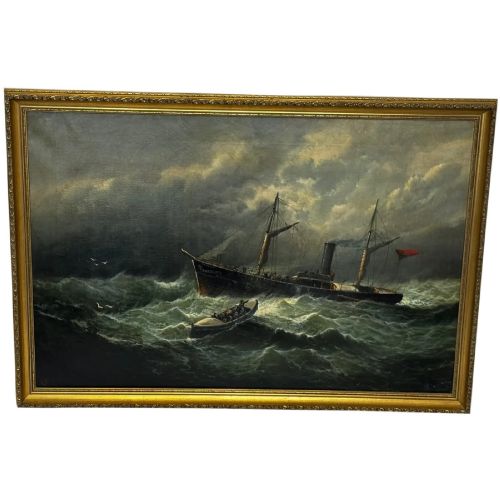
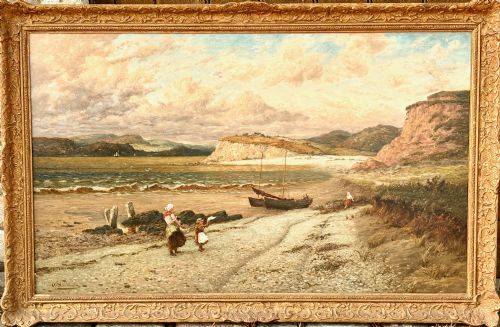
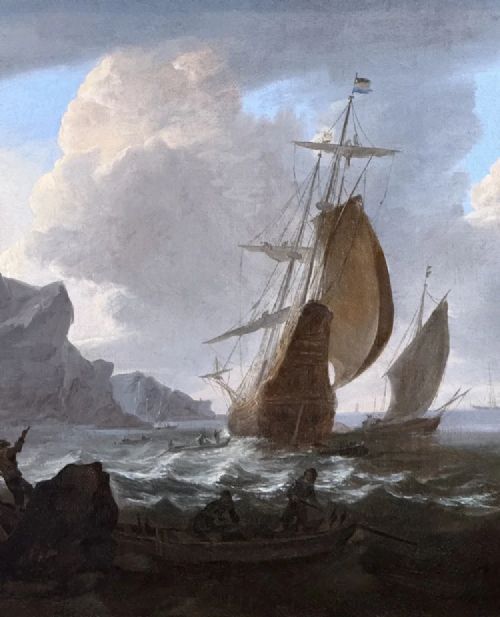
An antique seascape canvas painting brings the historic mood of coastal scenes, stormy ocean passages, and busy harbour approaches directly into a room. When exploring an antique seascape canvas painting, buyers encounter works ranging from quiet Victorian beach views to dramatic depictions of sailing ships caught in gales.
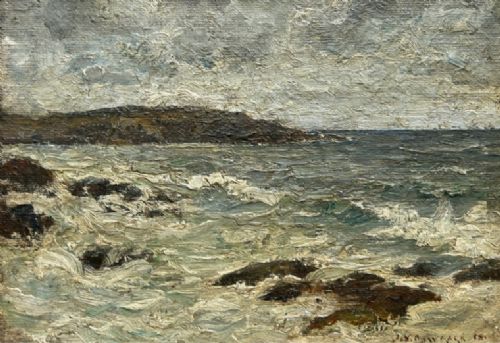
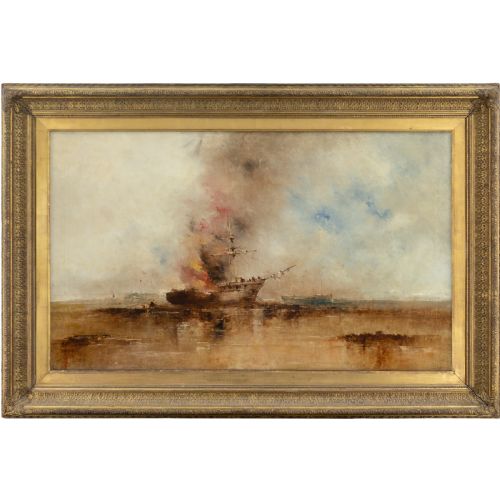
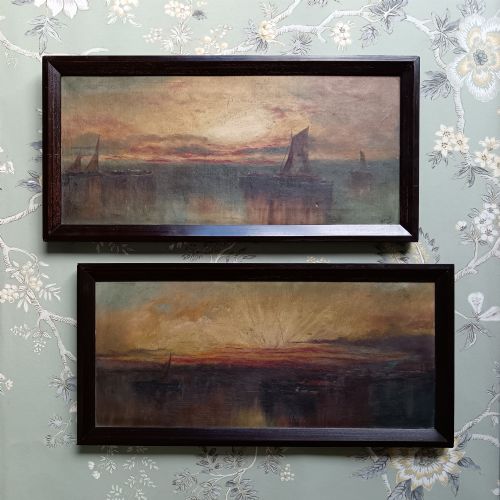
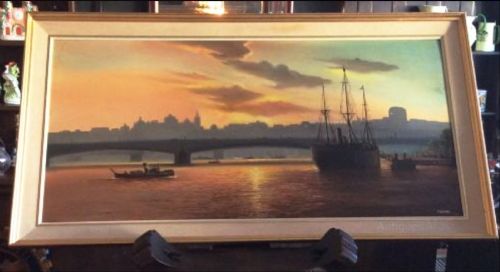
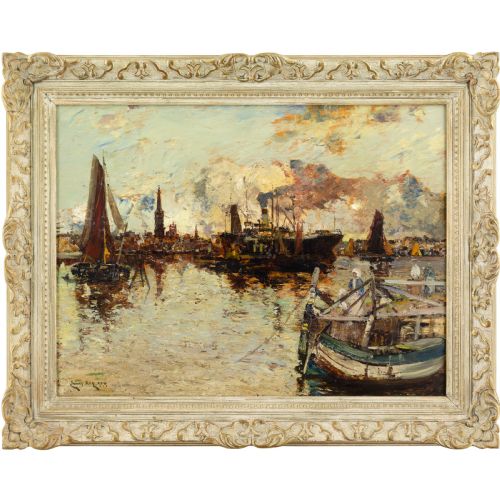
These works span periods from the seventeenth century through the Edwardian era and into the mid-twentieth century, capturing shifting light over water. Common subjects include local fishing fleets returning to Yorkshire ports, grand Venetian lagoons, and merchant vessels navigating heavy coastal seas.
Most examples found here originate from British, Dutch, and European schools, rendered in traditional formats on woven supports. Painters focused heavily on atmospheric conditions, capturing the exact movement of a wave or the dull glow of dusk above a harbour.
How They Were Made
Artists painted these works using oil paint applied to stretched woven canvas, often supported by heavy wooden stretchers. The medium allowed makers to build thick impasto layers for breaking surf or thin, transparent glazes for calm water and hazy skies.
Many surviving examples retain their original decorative gilt or giltwood frames, which were carved and gilded to complement the tonal range of the marine subject. Wooden panels and traditional linen stretchers provide the structural foundation for the painted surface.
Listings feature oil paintings on canvas executed during the nineteenth and early twentieth centuries, alongside period giltwood frames.
What Varies in Quality
Quality in these coastal works rests on the artist's ability to render water, light, and atmospheric perspective convincingly. Superior examples demonstrate a confident handling of brushwork, particularly in the depiction of moving waves, wind-filled rigging, and changing weather conditions.
The condition of the painted surface and its housing also shape the character of the piece. Works that retain their original period gilt frames and stable canvas tension without excessive past restoration offer a more authentic connection to the period.
Eugène-Louis Gillot·William McAlpine·B. Nash·John Rose Miles·James Kay RSW·William Broome·Bernard Gribble·Bonaventura Peeters·Francis Moltino·Bernard Benedict Hemy·Thomas Creswick·Willem Bos·Charles Euphraisie Kuasseg·John Wilson Carmichael·Lai Fong·Joseph Farquharson·Nicholas Condy·Thomas Hodgson Liddell·William Henry Williamson·John Holland·Abraham Hulk I·Charles William Wyllie·William Edward Webb·Edward Matthew Elliott·Edward William Cooke
The Antique Seascape Canvas Painting Glossary
- Impasto
- Paint applied thickly to a canvas, standing out in relief from the surface. This technique helps capture the texture of crashing waves and churning sea foam.
- Stretcher
- The wooden framework that holds a painted canvas taut. Traditional timber frames allow the fabric to expand and contract with atmospheric changes.
- Giltwood
- Timber carved and coated with a thin layer of gold leaf or metallic powder. These ornate surrounds were designed to enhance the reflective quality of marine oils.
- Provenance
- The documented history of ownership surrounding a work of art. Clear records help trace the exhibition and lineage of nineteenth-century maritime paintings.
- School
- A group of artists working in a similar style, region, or period under shared artistic influences. English and Dutch maritime schools dominated this genre.
Antique Seascape Canvas Painting: Frequently Asked Questions
How do I care for an oil painting on canvas?
Keep the work out of direct sunlight and away from rapid temperature changes that can cause the canvas or wooden stretcher to warp. Dust the surface gently with a soft, dry brush without applying pressure to the paint layer.
Avoid using liquid cleaners or damp cloths on the painted surface. Professional conservators should handle any deeper cleaning or canvas stabilization.
What subjects are common in marine art?
Common subjects include bustling harbour scenes, fishing boats navigating choppy coastal waters, and large merchant sailing ships in full sail. Artists also documented specific historical events, naval engagements, and quiet tidal mudflats.
Coastal landscapes often feature local landmarks, lighthouses, and figures gathering along the shore. Each subject reflects the heavy economic and cultural reliance on the sea during the nineteenth and early twentieth centuries.
How can I tell the age of a canvas painting?
Examine the reverse of the work for the weave of the canvas, the construction of the wooden stretcher, and any old exhibition labels or maker stamps. Older stretchers often feature wedge keys in the corners and handmade nails rather than modern staples.
The style of dress, types of vessels depicted, and framing materials also provide strong clues to the decade of creation. Comparing the technique to known dated works by the same school helps narrow the timeline.
Where should I hang a coastal artwork?
Select an interior wall with stable humidity and subdued lighting to protect the delicate balance of the oil pigments and the gilt frame. Avoid placing the piece above active heat sources or in damp spaces like uninsulated rooms.
Position the work at eye level where natural light from a nearby window can illuminate the brushwork without causing direct glare on the varnish.