



Framed 17th Century Engravings
Framed 17th century engravings are historic printed works preserved behind glass in timber mouldings, offering direct contact with early cartography and portraiture.
Framed 17th Century Engravings
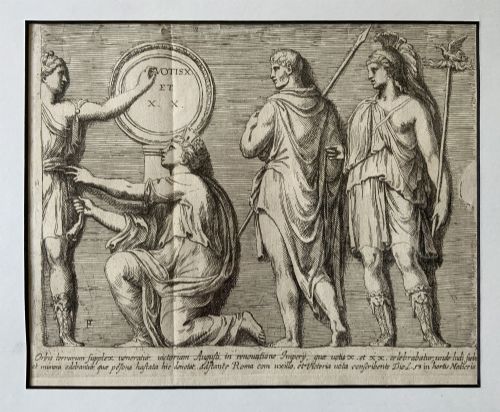
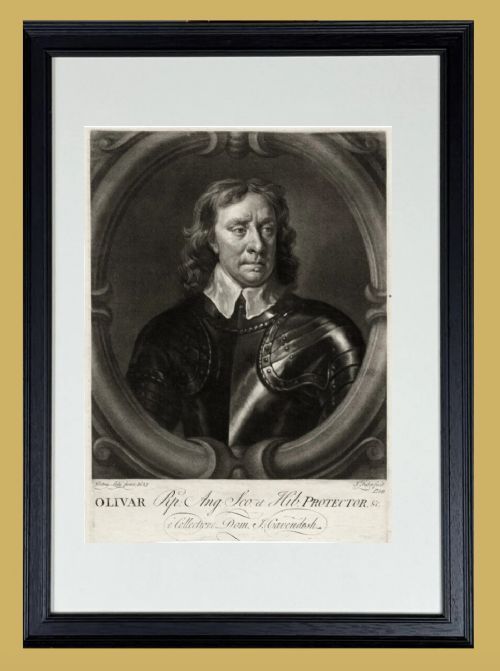
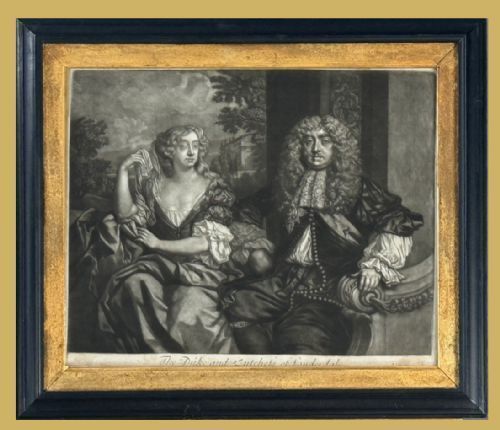
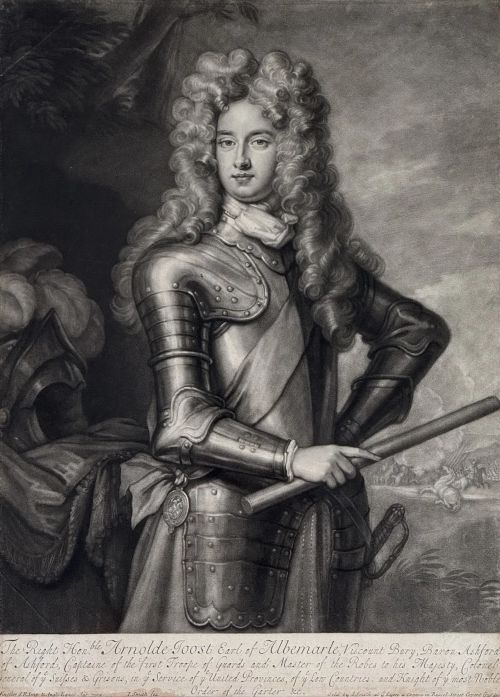
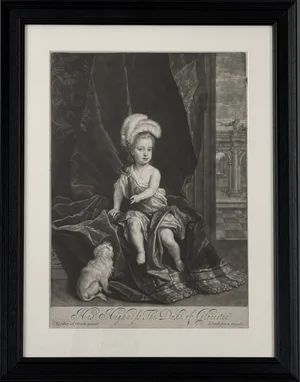
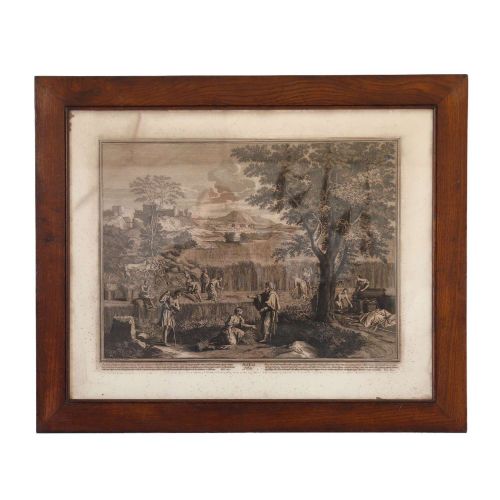
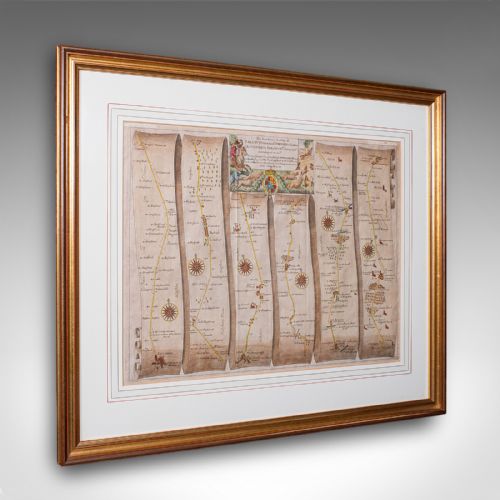
Framed 17th century engravings include detailed county maps, town plans and mezzotint portraits published across the Stuart period and the Dutch Golden Age. These works capture the topography and prominent figures of early modern Britain and Europe through fine inked lines on paper.
Buyers frequently encounter cartography by notable mapmakers alongside portrait prints after painters like Sir Peter Lely and Sir Godfrey Kneller. Many examples arrive preserved within period walnut frames or later timber mouldings with gold leaf detail.
Materials and technique
Plates of copper were incised by hand with sharp burins or etched with acid to hold the ink for printing onto handmade paper. Some map examples received delicate hand-colouring in watercolour after the initial monochrome impression was pulled from the press.
The assembled pieces sit beneath glass within timber frames, utilising materials such as walnut and gold leaf to protect the fragile paper substrate from environmental damage.
Early mapmakers filled uncharted blank spaces with sea monsters and elaborate sailing ships to appease demanding patrons.
What varies in quality
The sharpness of the impression dictates the visual strength of an engraving, as plates wore down over successive printings and lost the crispness of the original lines. Early pulls display deep contrasts and fine hatching that later strikes fail to achieve.
The preservation of the paper margin and the originality of the frame heavily influence the integrity of the piece. Intact historic mounts and authentic period timber enclosures retain the historical context of the artwork far better than modern replacements.
John Smith·Thomas Murray·Joseph Sympson·Sir Peter Lely·Robert Williams·Sir Godfrey Kneller·Johannes Janssonius·Jan Blaeu·John Speed·Christopher Saxton·Robert Morden
The Framed 17th Century Engravings Glossary
- Mezzotint
- A printmaking process where the copper plate is roughened to achieve rich tonal gradations and dark backgrounds. This technique allowed printmakers to reproduce oil paintings with remarkable fidelity.
- Cartography
- The study and practice of making maps. Seventeenth-century cartographic engravings often double as decorative art through ornate cartouches and heraldic shields.
- Burin
- A hardened steel cutting tool with a faceted tip used by engravers to carve lines directly into copper plates. The angle and pressure applied to the tool determine the width of the inked line.
- State
- The stage of development of a printed image, determined by alterations made to the plate between printings. Collectors study different states to date impressions and trace the history of the plate.
Framed 17th Century Engravings: Frequently Asked Questions
How do I spot a reproduction?
Examine the surface under a magnifying glass to check for the solid dot patterns of modern digital printing rather than continuous ink lines in the paper fibres.
Authentic period engravings show a distinct plate mark where the metal edge pressed into the damp paper during printing.
Can I hang them in direct sunlight?
Ultraviolet light rapidly fades historic ink and watercolours, permanently damaging the paper substrate and muting the tonal range of the image.
Position these framed works away from direct windows and consider specialist UV-filtering glass for long-term preservation.
Are map engravings original to their date?
Many cartographic plates remained in active use for decades or centuries, with publishers updating place names or borders in later editions.
Checking the surrounding text, paper watermark and cartouche details helps determine whether an impression dates to the original publication or a later re-strike.