


Classical Mythology Engraving
Classical mythology engraving works bring gods, heroes and ancient architecture directly to your walls through fine printed sheets and framed plates.
Classical Mythology Engraving
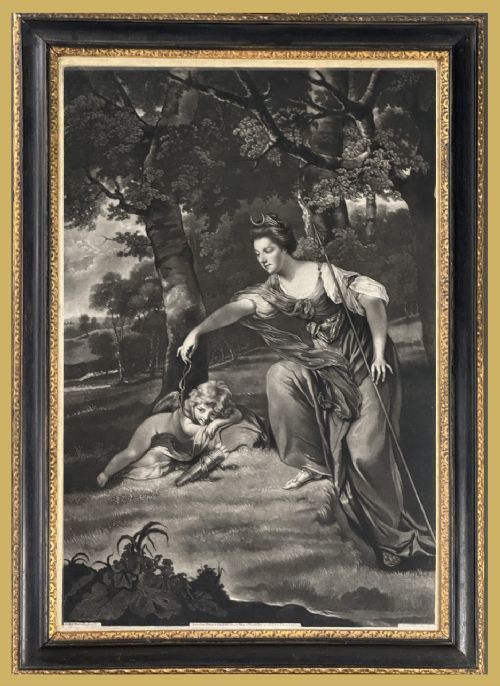
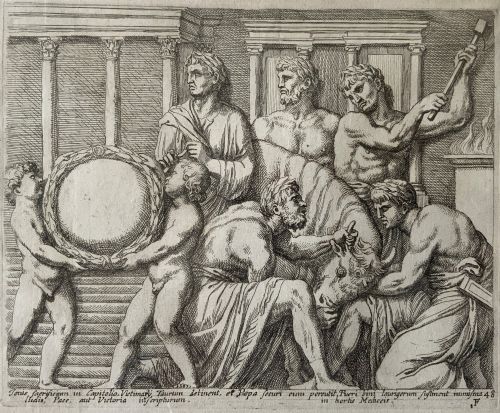
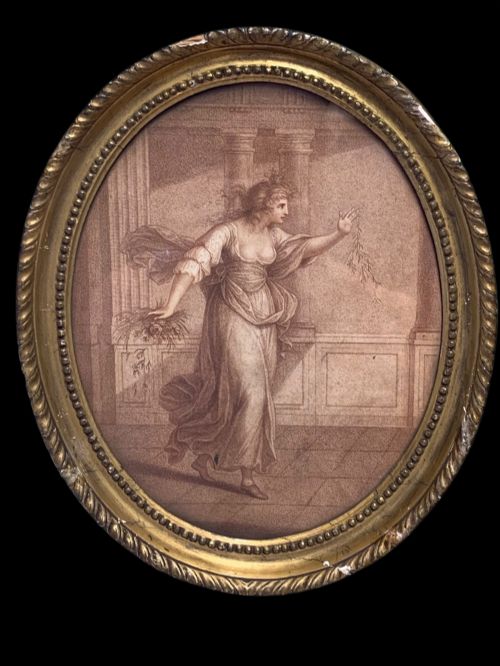
A classical mythology engraving represents figures, gods, and architectural ruins derived from ancient Greek and Roman sources. Buyers searching this phrase typically encounter 18th-century works documenting antiquities alongside 17th-century etchings and early 20th-century neoclassical illustrations.
The objects span prints and engravings on paper, frequently housed in period walnut frames, giltwood, or gold leaf surrounds. Alongside flat paper works, the selection includes bronze and brass ewers and vases adorned with figural handles depicting mythological subjects.
Origins stretch from Italian Renaissance masters to Georgian publications recording the Grand Tour and the antiquities of Athens. These pieces bring historical narrative and architectural detail into domestic spaces through varied printmaking techniques.
Materials and technique
Makers utilised paper sheets inscribed with ink via etching, stipple engraving, or mezzotint techniques. Plates were worked by hand to capture fine lines representing ancient statues, architectural fragments, and mythological narratives.
Framing materials incorporate wood, period walnut, and giltwood enhanced with gold leaf. Metal items such as ewers are cast in bronze or brass, combining sculptural figural handles with classical motifs.
Listings feature paper, ink, glass, wood, gold leaf, giltwood, bronze, and brass across periods from the seventeenth century to the early twentieth century.
Separating the grades
Quality rests upon the crispness of the ink impression and the depth of detail preserved on the paper plate. Early strikes and work by known printmakers retain sharper lines in figures and architectural rendering than later impressions.
The physical housing also dictates the standard of the piece, particularly where original period walnut or giltwood frames survive intact around the artwork. Metal items depend on the precision of the cast and the definition achieved in figural handles.
James Watson·Sir Joshua Reynolds·John Flaxman·Andrea Mantegna·James Basire·Edward Rooker
The Classical Mythology Engraving Glossary
- Engraving
- A printmaking technique where an artist cuts a design into a metal plate with a burin. The inked recesses transfer the image to paper under pressure.
- Etching
- A process where acid bites lines into a metal plate prepared with a protective ground. This method allows for fluid, freehand lines in depicting classical figures.
- Mezzotint
- A tonal printmaking method that achieves rich dark backgrounds and smooth gradations of light. It gained popularity for translating painted portraits into print.
- Neoclassical
- A style drawing inspiration from the classical art and culture of ancient Greece and Rome. It dominates the architectural and figural subjects seen in these plates.
- Grand Tour
- A traditional trip through Europe undertaken by upper-class young men to study art and antiquities. The resulting architectural folios generated many of these prints.
Classical Mythology Engraving: Frequently Asked Questions
What is a classical mythology engraving?
These works are printed paper sheets depicting ancient deities, mythological narratives, and archaeological ruins from Greece and Rome. They record statues, architectural fragments, and famous paintings through detailed ink lines.
Created using techniques like etching and stipple engraving, they served as records for scholars and collectors during the Grand Tour era.
How should I frame these prints?
Protect paper works from direct sunlight and moisture by using acid-free mounts and framing them behind glass. Period frames made of walnut or giltwood complement the historical nature of the sheets.
Ensure the paper does not touch the glass directly to prevent condensation damage over time.
How do I identify the period?
Examine the paper quality, plate marks, and framing materials to determine age. Seventeenth and eighteenth-century works often feature hand-laid paper with distinct watermarks and plate impressions.
Inscriptions naming publishers, engravers, or classical sites like Athens provide further clues to the date of production.
Where were these prints displayed?
Historically, collectors bound these engravings into large folios or framed them to adorn libraries, studies, and drawing rooms. They reflected the owner's classical education and engagement with antiquity.
Today, they function well in traditional or contemporary interiors as framed wall art.