



17th Century Copperplate Prints
These 17th century copperplate prints offer a direct window into early modern cartography and portraiture through inked lines pressed into paper.
17th Century Copperplate Prints
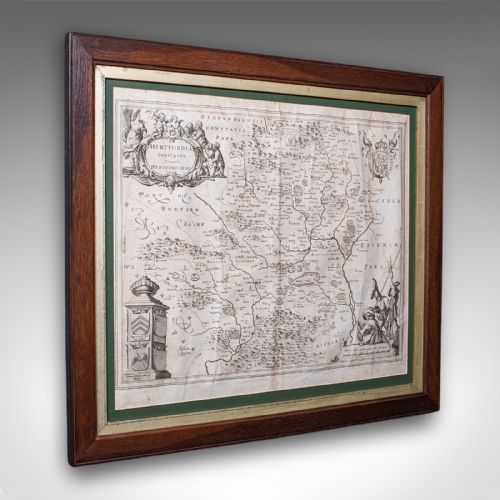
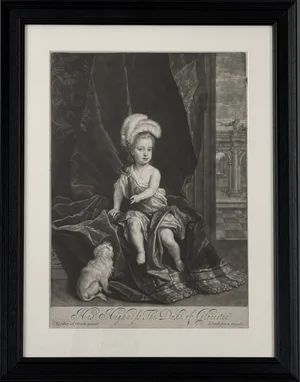
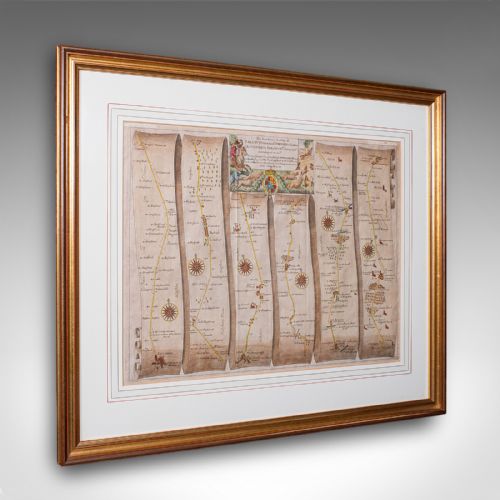
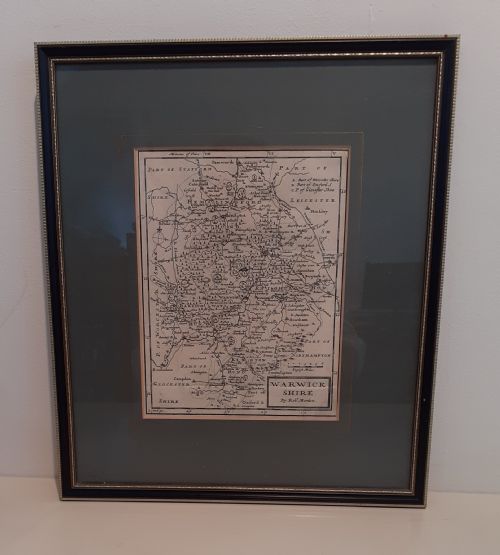
When you search for 17th century copperplate prints, you encounter works spanning the seventeenth, eighteenth, and nineteenth centuries, alongside pieces dated around seventeen hundred. These items appear primarily as framed maps, antique maps, atlas engravings, and mezzotint portraits.
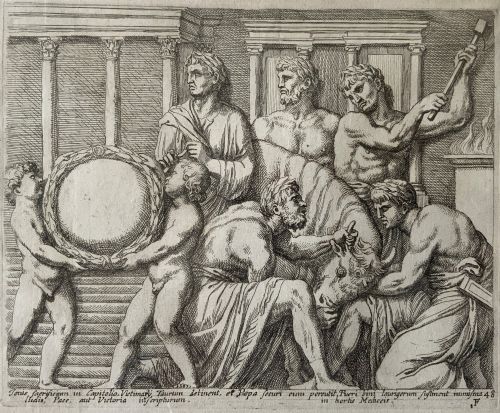
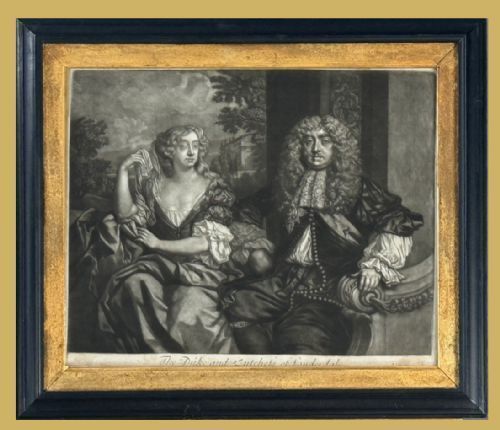
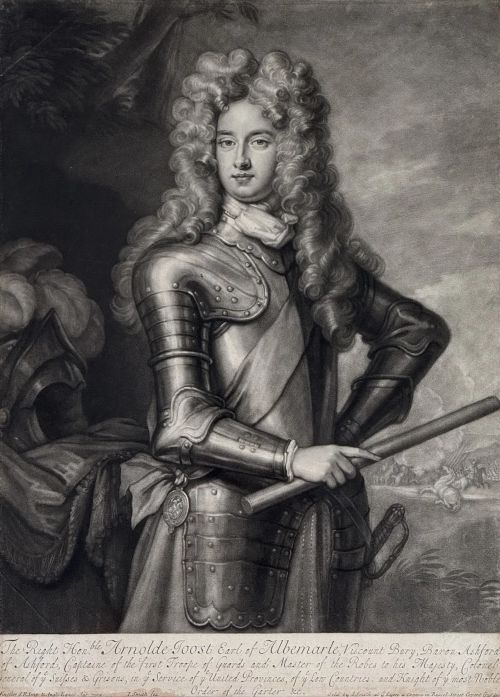
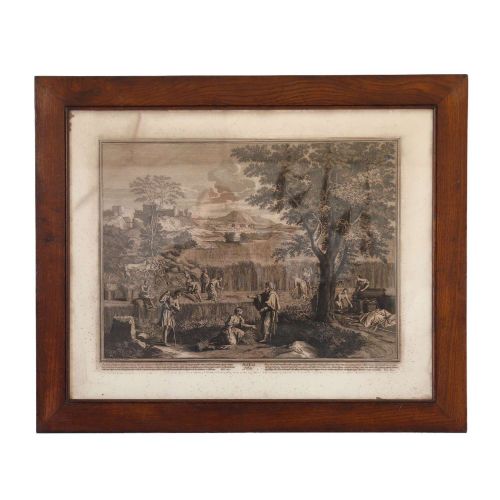
The selections on this page bridge cartographic works by mapmakers and fine art engravings after painters like Sir Peter Lely, Thomas Murray, and Sir Godfrey Kneller. Subjects range from English and Dutch county maps to classical antiquity etchings and royal portraits.
You will find these pieces housed in period walnut or wood frames, often supplemented by gold leaf details and protected under glass. The physical formats run from single wall art pieces to framed cartography and pairs of engravings.
What varies in quality
The survival of original framing materials, such as period walnut frames and early glass, influences the integrity of the piece. Hand-applied colour work, where present, varies in precision and adds a distinct layer of craftsmanship.
Materials span the seventeenth, eighteenth, and nineteenth centuries, including items specifically dated to seventeen hundred and sixteen thirty.
Blaeu·François Perrier·Robert Williams·Johannes Janssonius·Christopher Saxton·Robert Morden
The 17th Century Copperplate Prints Glossary
- Copperplate
- A printing plate made from copper on which an image is incised with a burin or etched with acid. This technique allowed printmakers to achieve extraordinary fine detail in maps and portraits.
- Mezzotint
- A printmaking process where the copper plate is roughened uniformly and then smoothed in areas to create tones and shades. This method produces rich, velvety dark areas and subtle tonal gradients.
- Etching
- A method where lines are bitten into a copper plate using acid rather than direct cutting tools. Artists used this to render fluid, expressive lines in classical antiquity scenes.
- Cartography
- The science and art of making maps, heavily represented here by Dutch and English county maps. These sheets record historical geography and regional boundaries from the period.
- Atlas engraving
- A map or plan specifically produced for inclusion in a bound collection of maps. These plates often feature elaborate cartouches and regional styling characteristic of seventeenth-century publishing.
17th Century Copperplate Prints: Frequently Asked Questions
What are 17th century copperplate prints?
They are inked impressions pulled from engraved or etched copper plates, capturing maps, portraits, and classical scenes from the period.
The inventory includes works by notable cartographers and printmakers, preserved on paper and often housed in period frames.
How were these prints used originally?
Maps served practical purposes in navigation, estate management, and geographic study for scholars and landowners.
Portrait mezzotints and classical engravings functioned as wall art to display cultural literacy, royal allegiance, and artistic taste in elite interiors.
How do I live with antique prints?
Keep framed pieces away from direct sunlight to protect the paper substrate and any hand-applied watercolours from fading.
Maintain stable indoor humidity levels to safeguard both the historical paper and the wooden frames housing them.