
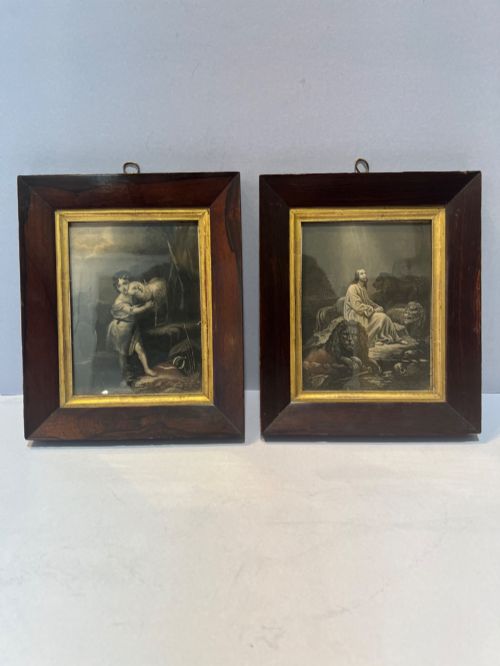


Pair of Classical Engravings
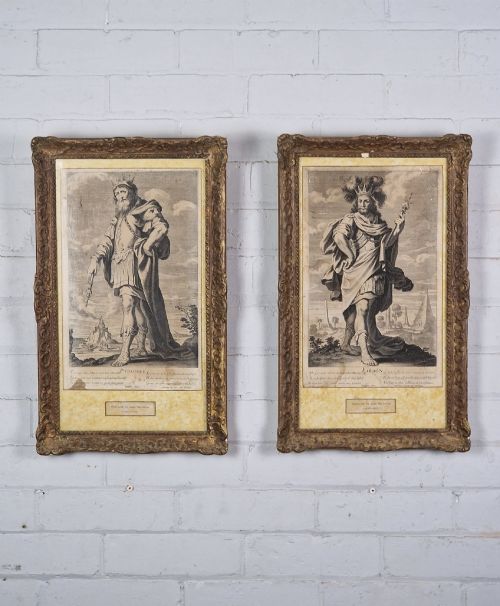
These pair of classical engravings bring architectural lines, mythological scenes and historical subjects into a room through fine printed line work.
Pair of Classical Engravings
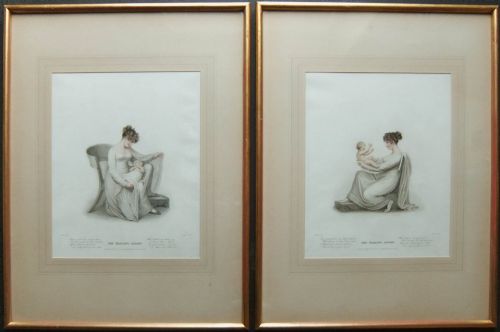
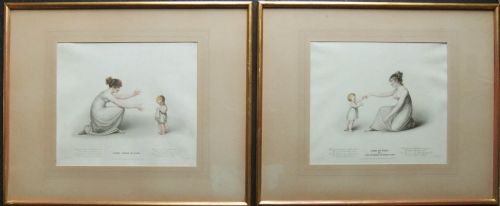
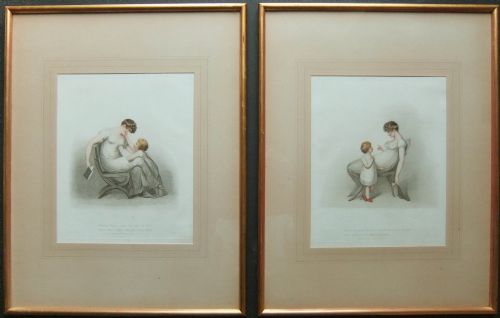
A pair of classical engravings consists of two related printed works on paper, usually depicting architectural subjects, historical scenes or mythological figures from antiquity. These items draw on Neoclassical, Regency and Baroque aesthetic traditions, often executed by notable publishers or printmakers.
Most examples found here date from the eighteenth and nineteenth centuries, spanning Georgian and Victorian periods. They frequently arrive ready to hang, preserved within period timber frames featuring gold leaf or rosewood veneer finishes.
Buyers encountering this category will find works after well-known artists and classical draftsmen, ranging in scale from intimate domestic prints to larger Grand Tour souvenirs. The matching format of two companion pieces makes them particularly suited for balanced placement on either side of a mantelpiece or doorway.
Materials and technique
The foundation of each piece is high-quality paper, impressed with inked metal plates that create crisp, permanent lines characteristic of traditional engraving and mezzotint techniques. Sepia tones and monochrome inks dominate the imagery, capturing fine details in architectural rendering and human figures.
Framing materials play an essential role in the physical structure of these works, utilising glass for surface protection alongside wood, gilt wood, and rosewood veneer. Gilding methods such as gold leaf applied to timber mouldings provide the characteristic sheen seen on many Georgian and Regency frames.
Horses make an unexpected appearance in the selection alongside classical architecture, recorded in a pair of dedicated dressage prints.
Factors that distinguish quality
Quality rests upon the clarity of the printed impression, where sharper lines and deeper tonal contrasts reveal a better-preserved or earlier strike from the copper plate. Finer works display meticulous attention to architectural detail and anatomical precision in figures.
The integrity and originality of the surrounding frame contribute significantly to the overall character, with period walnut, gilt wood, and authentic gold leaf mounts holding greater weight than later replacements. The preservation of the paper itself, free from heavy staining or disruption to the margins, completes the distinction.
Jean Mariette·Adam Buck·Robert Sayer·John Boydell·Pierre Buillon·Henri Chatillon·Francesco Piranesi
The Pair of Classical Engravings Glossary
- Engraving
- A printmaking technique where an artist cuts lines directly into a metal plate using a sharp tool called a burin. This method produces precise, durable lines that hold fine detail across numerous impressions.
- Mezzotint
- A printmaking process where the copper plate is roughened to achieve rich dark tones and subtle gradations of light and shade. This tonal technique creates a velvety texture quite different from linear engraving.
- Neoclassical
- A cultural movement drawing inspiration from the art and culture of classical antiquity. It emphasises severe lines, symmetry and heroic subject matter derived from Greek and Roman precedents.
- Grand Tour
- A traditional trip through Europe undertaken by upper-class young men to absorb classical art and architecture. Souvenirs from these journeys frequently included architectural prints and classical engravings.
- Rosewood veneer
- A thin decorative layer of dense, figured rosewood applied to a secondary timber base on a frame. It provides a rich, dark grain pattern popular in nineteenth-century cabinetmaking and framing.
Pair of Classical Engravings: Frequently Asked Questions
How should I hang them?
These works require hanging away from direct sunlight to protect the paper and ink from fading over time. Maintaining a stable indoor environment prevents moisture damage to both the print and its wooden frame.
Matching pairs look best when displayed symmetrically at eye level, spaced evenly to maintain visual balance on a wall.
Are the frames original?
Many examples retain their period surrounds, such as seventeenth-century walnut or nineteenth-century gilt wood mouldings. Examining the backboards, joinery and corner construction helps determine if the framing dates to the same period as the print.
Original frames show honest signs of age in the wood and gilding that match the wear on the paper within.
What is a mezzotint?
A mezzotint is a print created by roughening a metal plate to hold ink, producing soft tonal gradations rather than hard lines. This technique allows for rich shadows and subtle atmospheric effects.
Artists often used this method for portraiture and romantic subjects during the Georgian era.
What do Grand Tour prints show?
Grand Tour prints typically depict classical ruins, ancient architecture and famous sculptures encountered by travellers in Italy. They served as scholarly records and sophisticated souvenirs of European travel.
These subjects reflect the eighteenth and nineteenth-century fascination with classical antiquity and architectural history.