

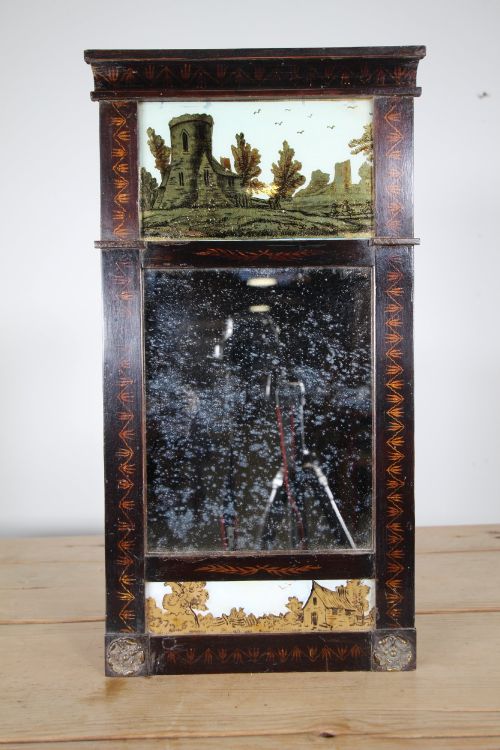
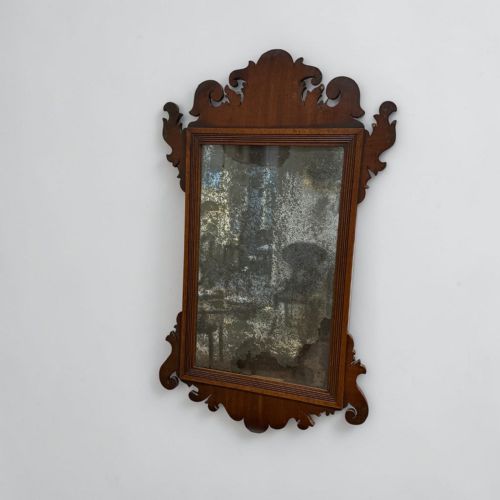
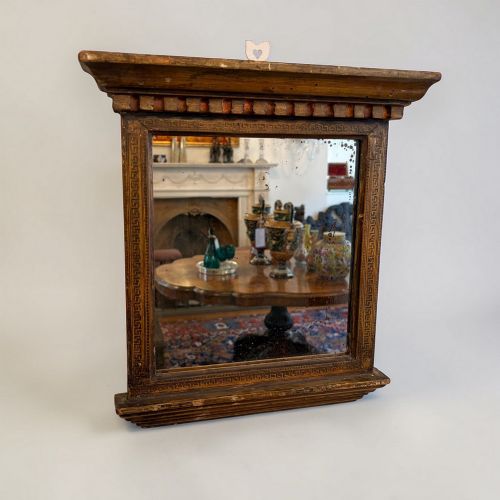
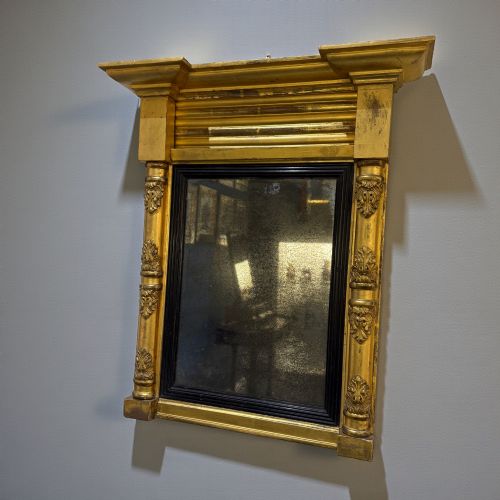
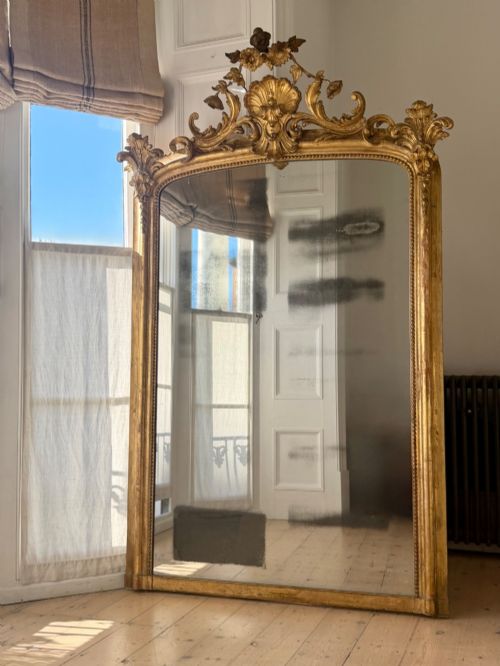
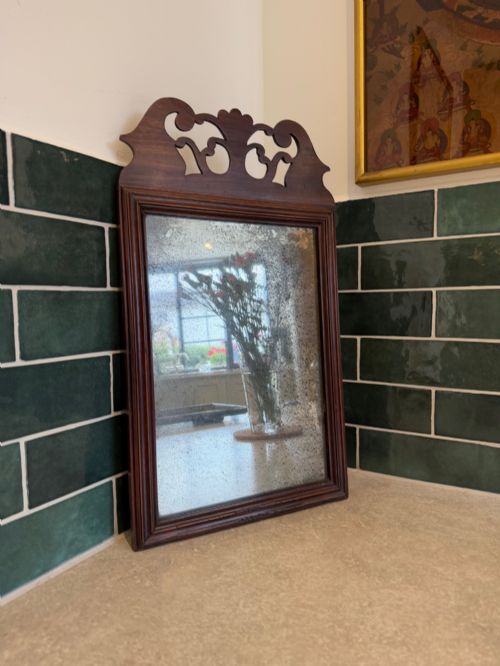
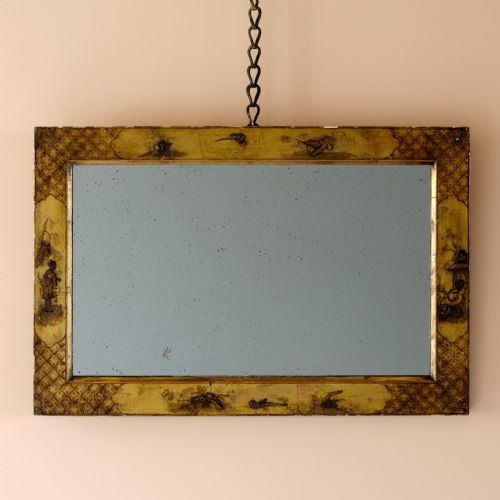
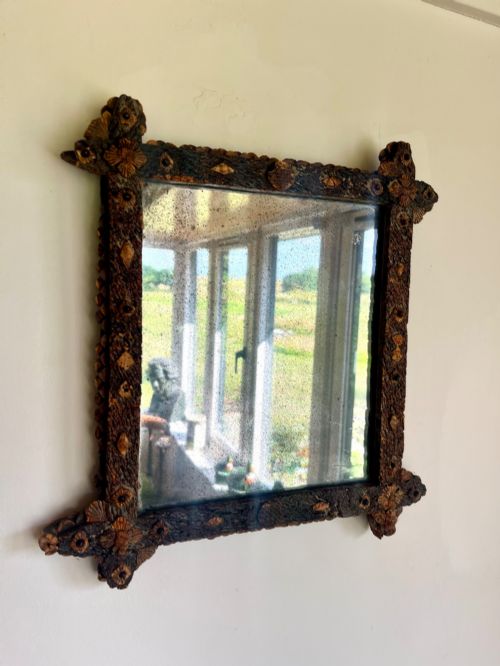
Foxed Glass Wall Mirror
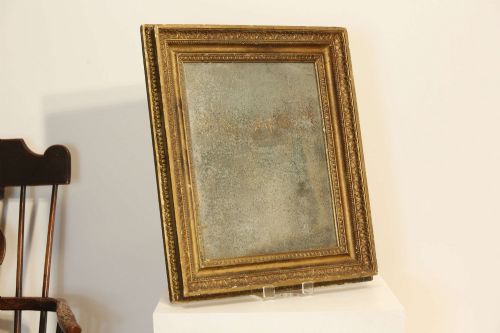
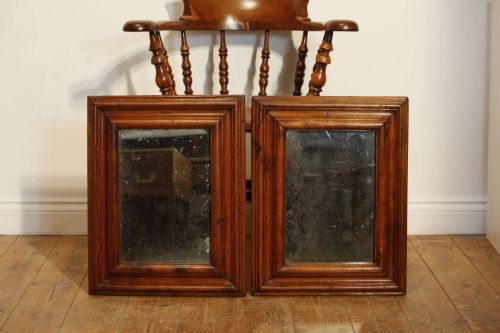
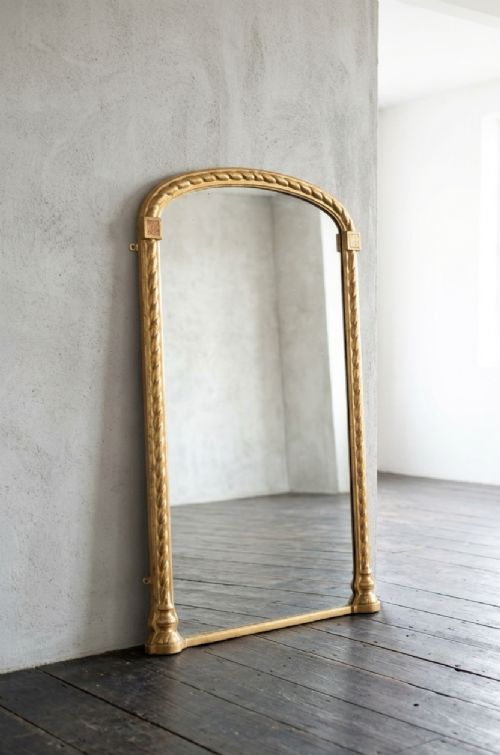
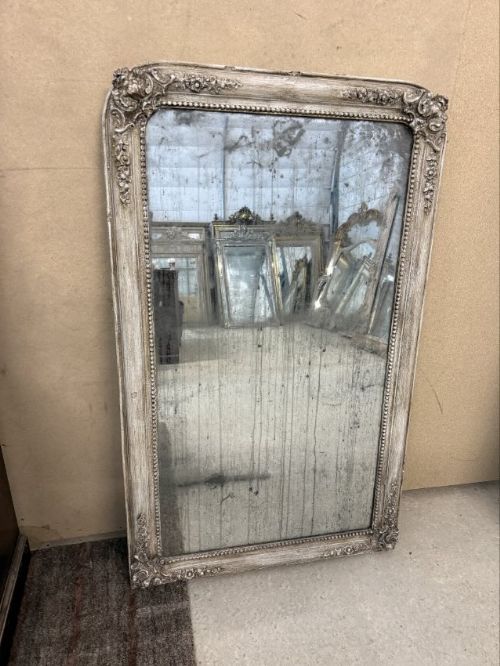
A foxed glass wall mirror brings genuine age and atmospheric reflection to a room, carrying the quiet charm of centuries past.
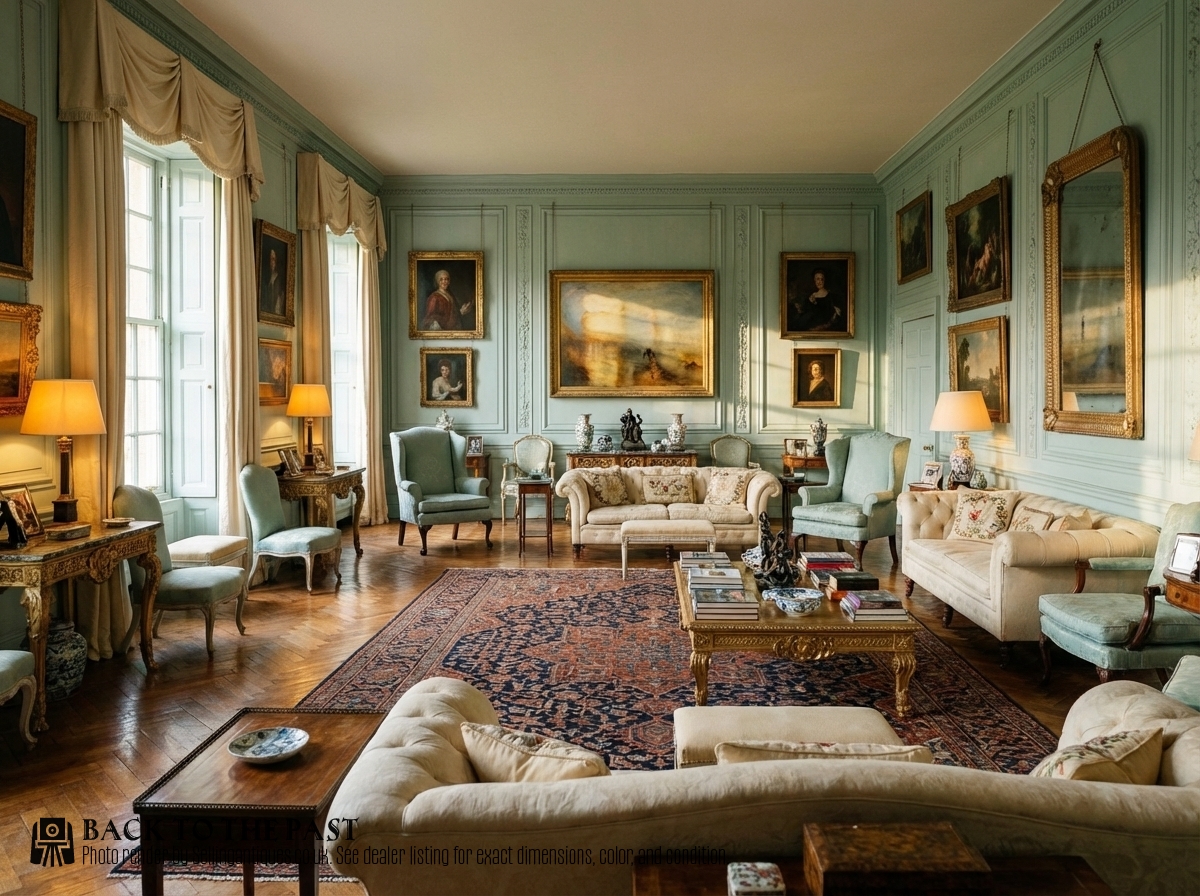
Foxed Glass Wall Mirror
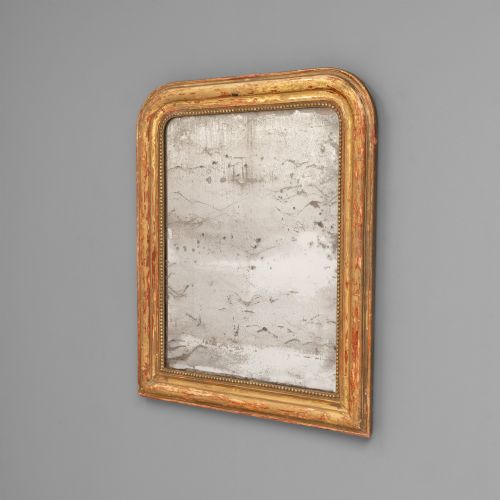
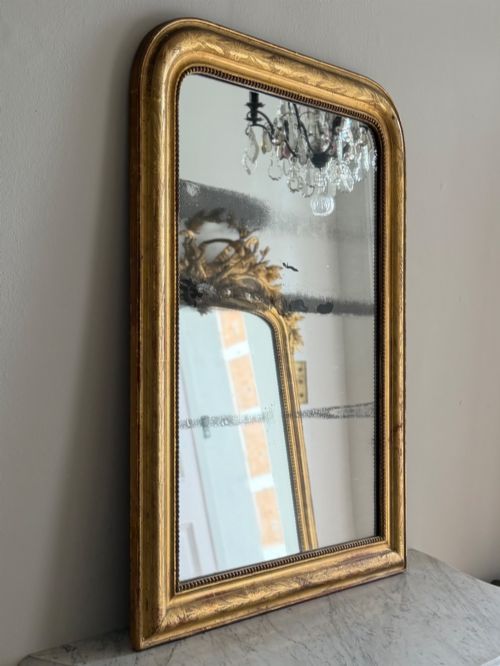
When searching for a foxed glass wall mirror, you are looking at wall-hanging reflectors whose glass plates display natural oxidation, dark spots, and speckled ageing. These pieces take many forms, including large overmantel mirrors, pier mirrors, and smaller wall mirrors intended for domestic interiors.
The versions you are most likely to encounter on this page span several centuries, with a strong presence of nineteenth-century examples alongside eighteenth-century pieces. They appear in diverse regional styles, from French gilt and Louis Philippe designs to English Georgian and Victorian formats.
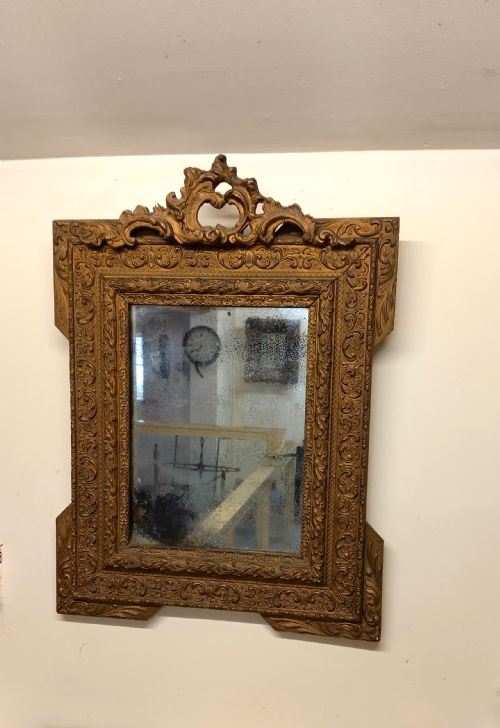
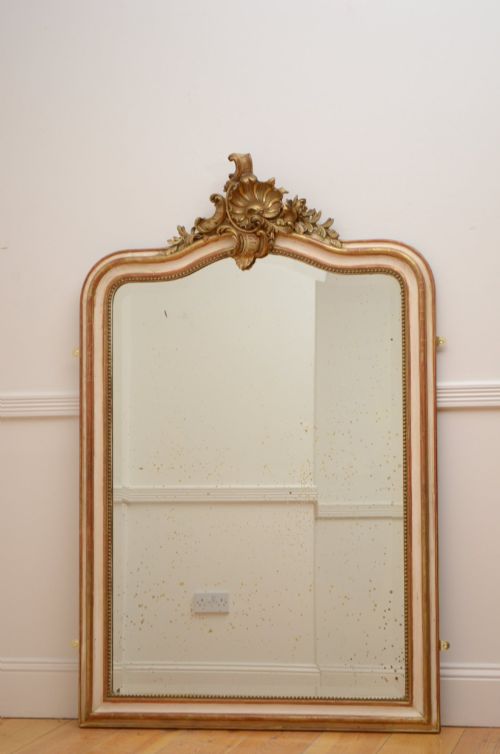
Makers and craftsmen of the past housed these plates in frames shaped from carved oak, mahogany, walnut, and pine, often finished with gesso, gold leaf, or paint. Their silhouettes range from simple rectangular plates to arched tops, cartouche forms, and intricate rococo carvings.
How they were made
Makers constructed the plates using mercury or silver backing techniques that react to time and moisture, producing the distinctive speckled foxing valued today. These fragile sheets were then secured within wooden frames built from timber such as oak, mahogany, and walnut.
Frames frequently received layers of gesso moulded into floral, mythological, or rope twist details before being gilded with gold leaf or oil gilt. Painted finishes and applied carvings also feature extensively across French and English workshops of the period.
Foxed Glass Wall Mirror Retail Price Guide 2026
Typical asking prices for foxed glass wall mirror among the pieces listed under this phrase on Sellingantiques today, from the lower quarter to the upper quarter. They describe what is for sale here now, not the wider market.
The listings span the eighteenth, nineteenth, and early twentieth centuries, featuring wood, gesso, and mercury glass.
What varies in quality
Quality in these pieces rests upon the harmony between the frame's hand-carved detail and the untouched character of the original mirror plate. Superior examples display crisp, deep carving in the wood and gesso, alongside glass degradation that feels atmospheric rather than distracting.
The integrity of the construction also defines the piece, with better mirrors retaining their original backboards, gilding, and mercury plates without modern restoration masking their historical depth.
The Foxed Glass Wall Mirror Glossary
- Foxing
- The natural oxidation and dark speckling that occurs on old mirror plates over time. This chemical breakdown creates cloudy patches and darkened spots within the glass.
- Mercury glass
- An older type of mirror plate made by pouring a tin and mercury amalgam behind the glass. It produces a deep, warm reflection prone to characteristic ageing.
- Overmantel mirror
- A large horizontal mirror designed to hang above a fireplace mantelpiece. These pieces often feature arched tops or wide gilt frames to fill chimney breast walls.
- Pier mirror
- A tall, narrow mirror traditionally hung on the pier, the solid wall space between two windows. They reflect additional light into darker corners of historic rooms.
- Gesso
- A plaster-like mixture applied to wooden frames as a base for gilding or painting. It allows craftsmen to carve intricate relief ornaments and mouldings.
- Trumeau mirror
- A decorative wall mirror combined with an oil painting or panel above the glass. These French pieces were often built directly into the wood panelling of a room.
Foxed Glass Wall Mirror: Frequently Asked Questions
What is foxed glass?
Foxed glass refers to mirror plates that have developed dark spots, speckles, and cloudy areas due to the ageing of the reflective backing behind the glass.
This natural process happens as air and moisture interact with the metal over decades or centuries, turning a clean reflection into an atmospheric, textured surface.
How do I hang a heavy antique mirror?
Hanging a heavy antique mirror requires locating secure wall studs or using heavy-duty wall anchors rated for the specific weight of the wooden frame and glass plate.
Because many older mirrors are exceptionally heavy, professional installation using split battens or heavy-duty brackets ensures the piece remains safely supported.
Are these mirror plates original?
Many listings feature original mercury or silvered plates that have aged naturally with the frame over hundreds of years.
Checking for characteristic speckling, distortion, and historical wear helps identify plates that have survived alongside their original wooden surrounds since the period of manufacture.
How do I clean foxed glass?
Cleaning foxed glass requires a soft, dry cloth to gently remove dust without disturbing the delicate and aged surface of the plate.
Harsh chemical glass cleaners should be avoided entirely, as liquids can seep behind the frame and accelerate damage to the historical backing.
What rooms suit an overmantel mirror?
Overmantel mirrors suit living rooms, dining rooms, and bedrooms where their large proportions can anchor a fireplace or large wall space.
Their substantial size and reflective surfaces help bounce natural light around the room while adding historical presence to the interior.