



Folk Art Side Chairs
These folk art side chairs bring vernacular character and individual maker spirit into a room through carved timber, paint, and local tradition.
Folk Art Side Chairs
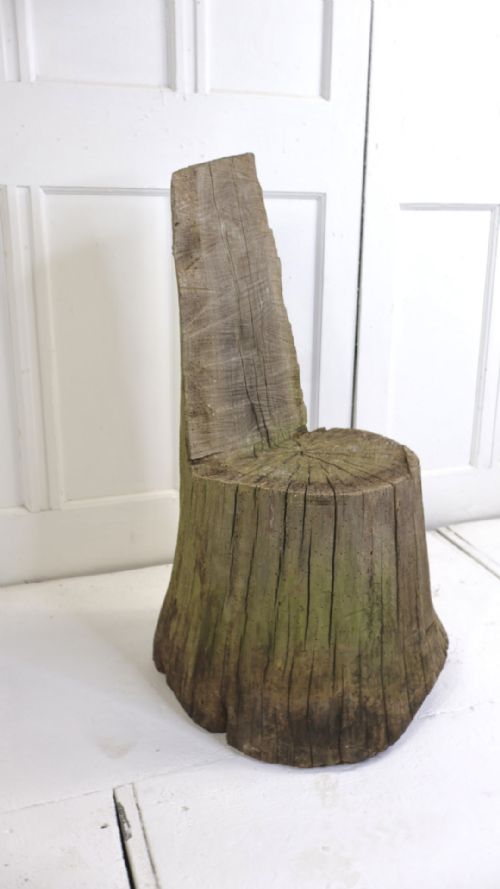
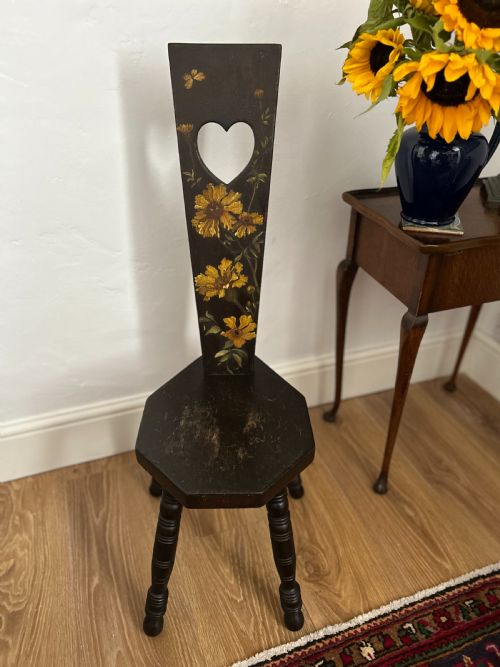
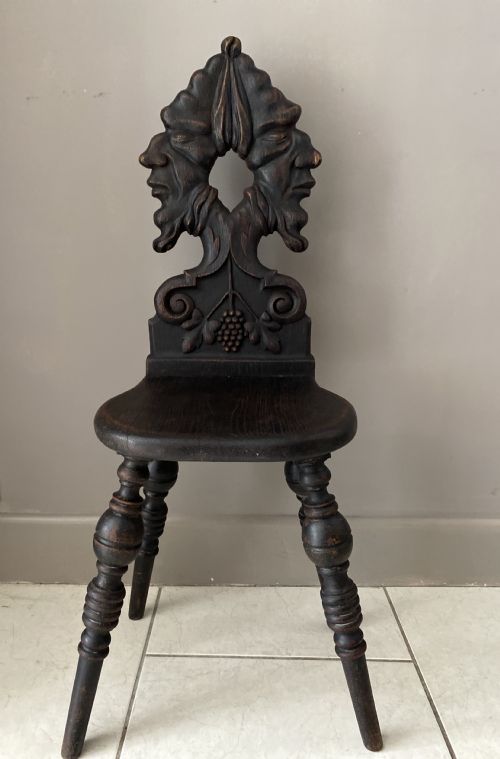
When you search for folk art side chairs, you enter a diverse world of regional seating shaped by local hands rather than strict academic rules. The pieces gathered under this heading span from the nineteenth century into the early twentieth century, taking forms such as spinning chairs, hall chairs, and alpine escabelle chairs.
The regional variety is wide, touching Welsh vernacular, Swiss alpine, Irish country, and Spanish colonial traditions. You will encounter low spinning chairs alongside sturdy mountain chairs and carved oak hall seating, each reflecting the specific domestic life of its origin.
How they were made
Makers utilised solid timbers readily available in their localities, chiefly oak, ash, walnut, pine, and mixed hardwoods. These woods were worked by hand, often featuring carved ornamentation, turned elements, or applied paint.
Construction methods rely on traditional joinery suited to daily use, sometimes incorporating plaited straw, leather, or willow. The surfaces show the marks of hand tools, from relief carving to simple applied decoration.
Listings feature oak, ash, pine, and walnut across nineteenth-century and early twentieth-century periods.
What varies in quality
Quality in these vernacular chairs rests in the confidence of the carving and the integrity of the timber. A stronger piece demonstrates deliberate proportion and harmonious integration of decorative motifs with structural form.
The distinction lies between brisk regional utility and more ambitious sculptural intent. Depth of carving, originality of surface paint, and the preservation of seating materials such as súgán straw elevate certain examples above standard workshop output.
The Folk Art Side Chairs Glossary
- Vernacular
- Everyday objects made by regional craftsmen following local traditions rather than high-style academic fashions. These pieces serve domestic purposes while displaying distinct local design traits.
- Súgán
- A type of twisted straw or hay rope used traditionally in Irish seating. It provides a resilient and flexible woven surface for the sitter.
- Escabelle
- A traditional style of wooden chair, often associated with alpine regions, featuring solid board construction and panelled sides. They are typically sturdy and compact.
- Spinning chair
- A low-seated chair traditionally used for domestic textile work. They frequently feature carved backs and compact dimensions.
Folk Art Side Chairs: Frequently Asked Questions
Where were folk art side chairs used?
These chairs served in domestic settings across different regions, from Welsh cottages and Irish farmhouses to Swiss mountain chalets.
They were placed in parlours, bedrooms, and halls where their compact size and decorative character suited everyday life.
How do I care for wooden folk art chairs?
Keep them out of direct sunlight and away from rapid temperature changes to protect the timber and any original painted surfaces.
An application of suitable wax helps maintain the dry finish characteristic of older unpolished woods.
Are these chairs comfortable for daily seating?
Many regional chairs were built for specific tasks like spinning or greeting visitors rather than long hours of lounging.
Their upright backs and solid wood or plaited seats encourage an upright posture.
How do I distinguish regional styles?
Look to the specific construction methods, timber choices, and decorative motifs characteristic of different countries and valleys.
Irish pieces often show súgán straw work, while alpine examples utilise board construction and mountain carving.