


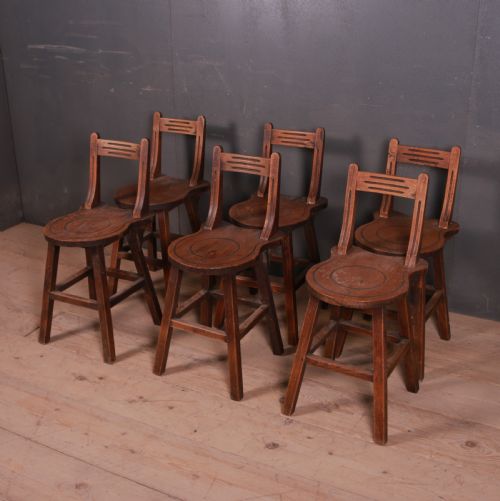


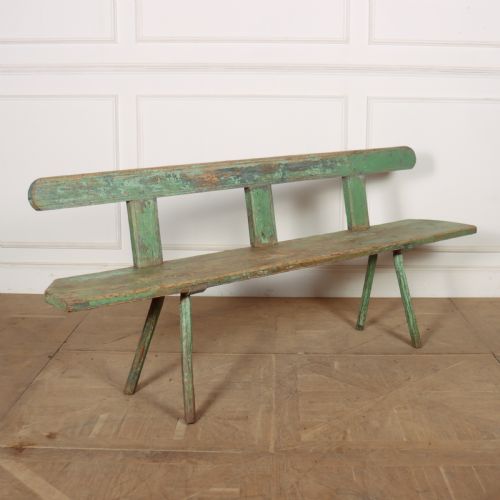
Antique Alpine Chair
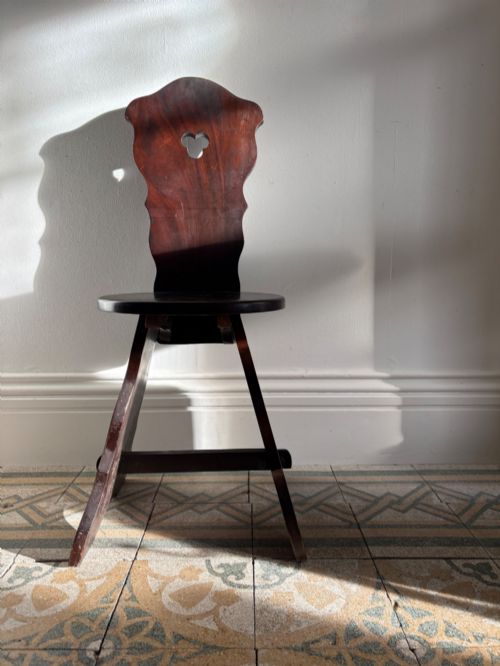
An antique alpine chair brings rugged mountain craftsmanship straight into a room, offering sturdy seating shaped by centuries of European vernacular tradition.
Antique Alpine Chair
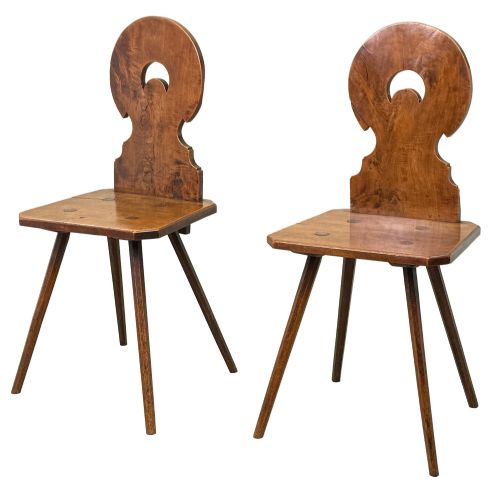
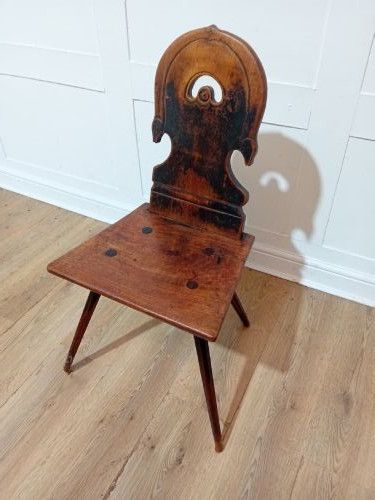
When you search for an antique alpine chair, you uncover seating rooted in the mountain regions of Europe, spanning styles from Bavarian and Swiss folk art to Austrian rustic traditions. These pieces include side chairs, armchairs, benches, and childs high chairs that reflect practical rural life in the nineteenth century.
Materials and construction methods
Makers utilised timber available in the mountain regions, predominantly pine, oak, walnut, fruitwood, and elm, sometimes combining hardwood with softer woods. Iron fixings and original paint finishes frequently appear on benches and chairs from Austria and the continent.
Construction relies on traditional joinery suited to mountain life, seen in solid timber framing and elm backs. Carved ornamentation distinguishes Bavarian and Black Forest examples, applying hand-chiselled details directly to the structural wood.
A clever Black Forest armchair proves that nineteenth-century mountain woodworkers enjoyed surprising clients just as much as supporting them.
Distinctions in quality
Quality rests in the depth and execution of the carving, separating simple utilitarian seating from pieces finished with elaborate folk art motifs. The presence of original paintwork rather than later stripping alters the historical integrity of continental chairs and benches.
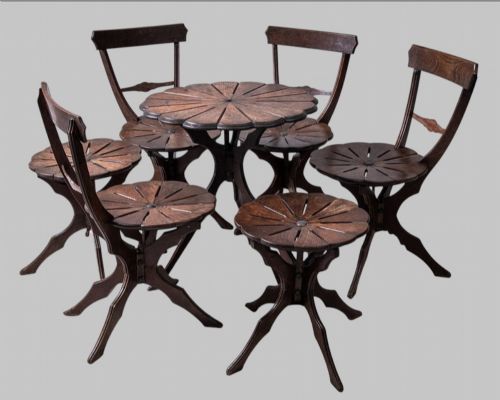
Structural cohesion defines the better examples, where timber joints remain tight despite centuries of use. Matched pairs and complete parlour suites command greater interest than isolated single chairs due to their surviving context.
The Antique Alpine Chair Glossary
- Escabelle
- A traditional type of wooden chair with a high back and solid panel construction, often associated with Swiss alpine regions.
- Folk Art
- Utilitarian objects decorated by local artisans using traditional regional styles and motifs, common in Bavarian and Tyrolean pieces.
- Parlour Suite
- A matched set of seating furniture designed for a formal reception room, including armchairs and side chairs from the nineteenth century.
- Vernacular
- Architecture and furniture built by local craftsmen using traditional methods and local materials, without academic architectural training.
Antique Alpine Chair: Frequently Asked Questions
What defines an antique alpine chair?
These chairs are defined by their mountain origins, utilising local timbers like pine, oak, and fruitwood to create sturdy seating rooted in nineteenth-century regional traditions.
They incorporate folk art carving, painted surfaces, and practical forms shaped by Swiss, Bavarian, Austrian, and Black Forest makers.
How were these chairs used historically?
Mountain households utilised these chairs for daily domestic life, ranging from dining and parlour seating to specialised childs high chairs.
Benches and robust armchairs provided durable seating around communal hearths across Alpine and Tyrolean communities.
How do I live with an alpine chair?
An antique alpine chair suits modern interiors by adding textural warmth and historic character to hallways, dining spaces, or living rooms.
Pairing single chairs or matching sets with contemporary furniture highlights the sculptural quality of nineteenth-century woodcarving and painted finishes.
How can I tell the regional styles apart?
Regional identity shows through specific decorative motifs and timber choices, such as elm backs on Swiss stools or carved ornamentation on Black Forest armchairs.
Bavarian and Tyrolean pieces often feature distinct folk art painting or structural framing that points to their specific geographic origin.