





Brown Fruitwood Chair
A brown fruitwood chair brings warm domestic character to a room, offering tactile timber grain shaped across centuries of rural and formal seating design.
Brown Fruitwood Chair
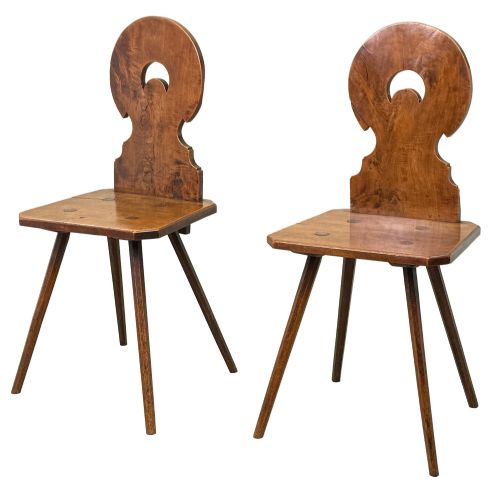
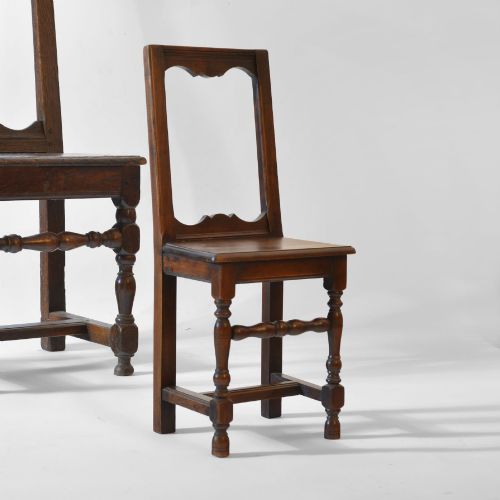
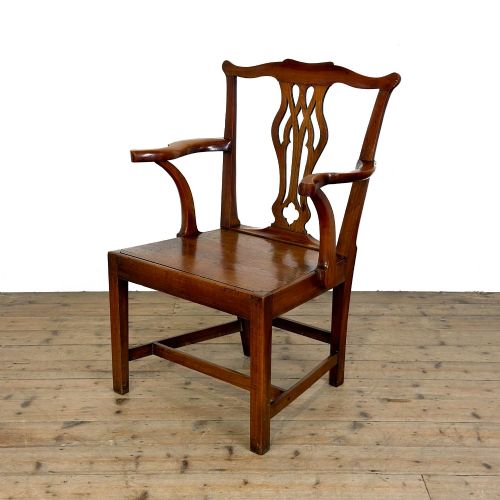
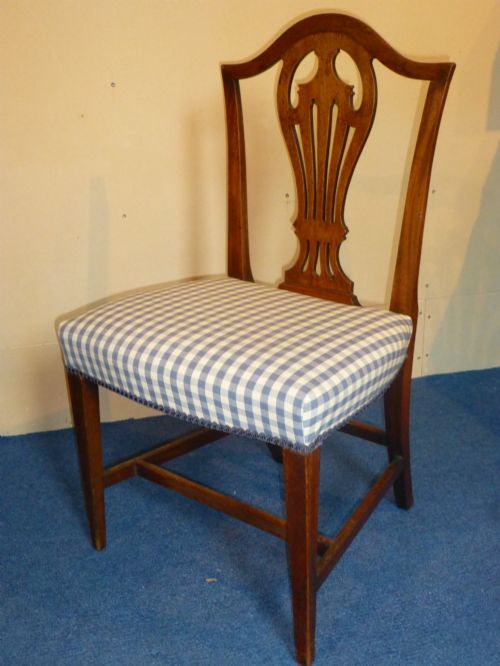
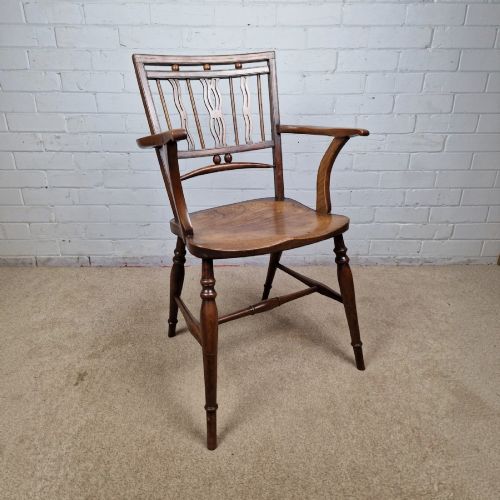
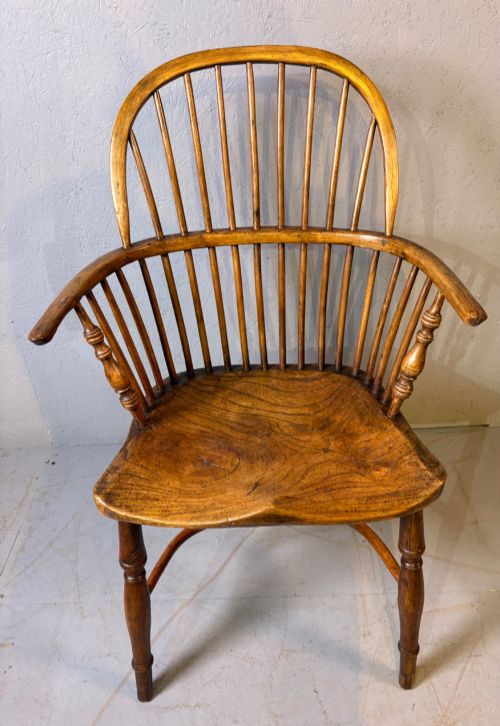
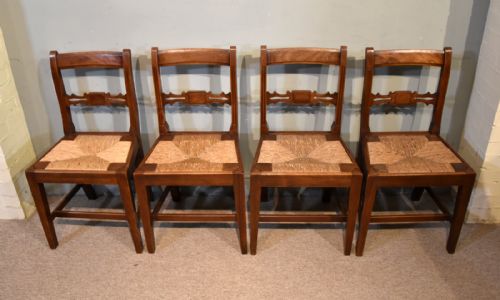
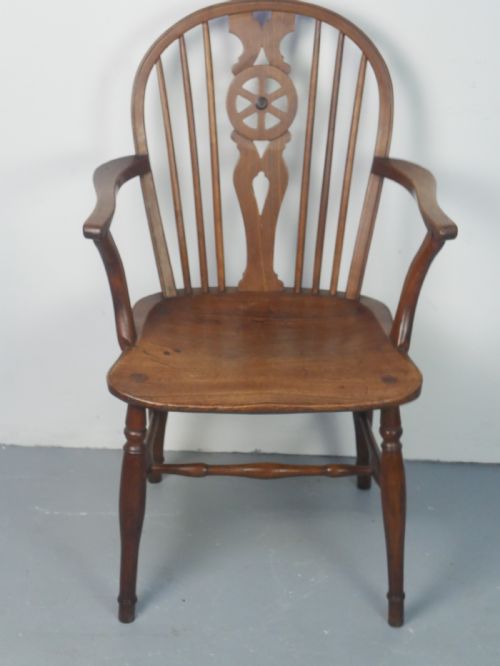
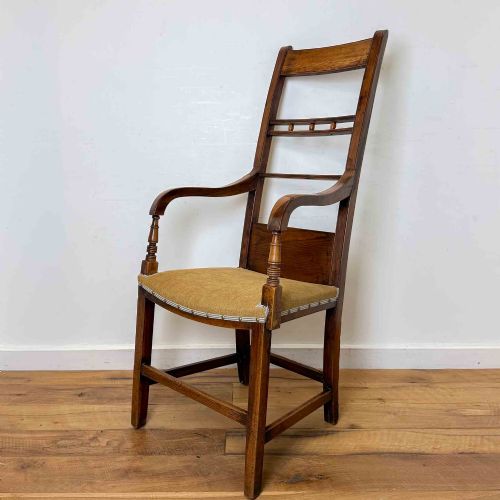
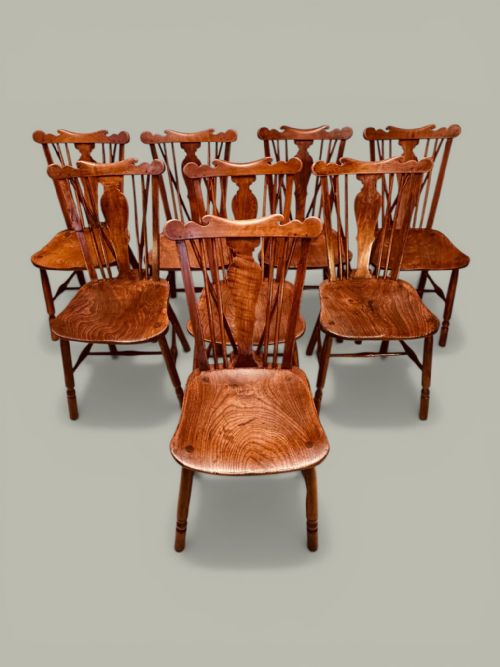
A brown fruitwood chair encompasses everything from rustic French provincial seating and Swiss folk art hall pieces to refined English Chippendale and Regency designs. Buyers seeking this phrase encounter a rich variety of seating forms, including Windsor armchairs, spindle-back carvers, child rockers, and sets of dining chairs.
The material palette relies heavily on fruitwood timbers, frequently paired with elm seats, rush squabs, or fabric upholstery. These chairs span several centuries of production, drawing from Georgian, Victorian, and Arts and Crafts traditions.
Most examples originate from country workshops or regional furniture makers rather than large urban manufactories. This heritage gives each brown fruitwood chair a distinct personality rooted in local timber selection and traditional joinery.
Materials and construction methods
Cabinet makers and bodgers utilised dense fruitwoods alongside resilient elm for seats and structural framing. Timber selection depended on regional availability, combining turned spindles with carved splats and solid timber planks.
Traditional joinery methods such as mortise and tenon, box stretchers, and wedged legs secured the structural integrity of these chairs. Surface finishes developed through decades of friction and waxing, enhancing the natural warmth of the timber grain.
The listings show pieces spanning from the eighteenth century through the Georgian and Regency eras into Victorian and twentieth-century French provincial workshops.
Distinguishing character and finish
Quality in these pieces rests upon the depth of the patination and the crispness of the turning or carving. Superior examples retain their original timber surfaces without excessive sanding or harsh chemical stripping.
Proportion and structural balance dictate the appeal of country and formal seating alike. Pieces that maintain their original joinery without heavy replacement parts command greater interest from collectors.
The Brown Fruitwood Chair Glossary
- Fruitwood
- Timber sourced from fruit-bearing trees such as pear, apple, cherry, or plum, known for a smooth texture and rich warm tone. It is prized for both cabinet work and turned country furniture.
- Windsor chair
- A traditional seating form featuring a solid wooden saddle-shaped seat into which the legs and back spindles are wedged directly. Common regional variants include comb-back and stick-back designs.
- Carver chair
- An armchair, typically designed for the head of a dining table or as a companion to a set of side chairs. They often repeat the decorative motif of the matching dining chairs.
- Escabelle
- A traditional style of high-backed wooden hall chair, frequently associated with Swiss folk art and European regional production. These pieces often feature carved decoration on the back panel.
- Close stool
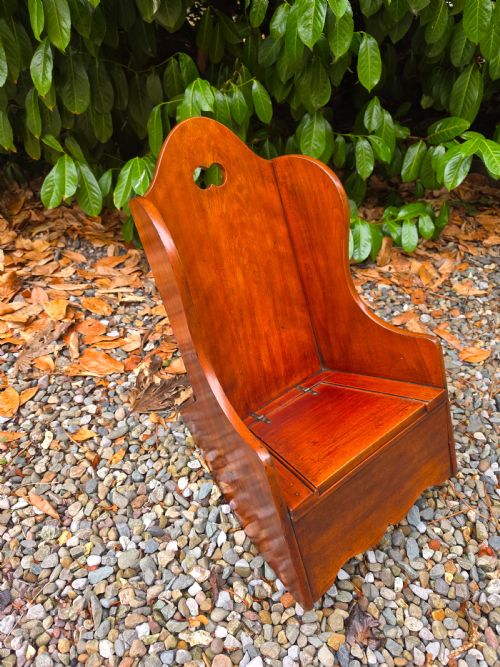
- A piece of furniture housing a chamber pot, disguised as a box seat or small chair with a hinged lid. Eighteenth-century examples often utilise fruitwood or plumwood construction.
Brown Fruitwood Chair: Frequently Asked Questions
How do I care for timber chairs?
Keep wooden seating away from direct heat sources and sudden temperature shifts to prevent timber splitting. Regular gentle waxing maintains the natural lustre of the patination.
Avoid excessive moisture during cleaning and protect rush or fabric seats from abrasive wear.
Are these chairs comfortable?
Ergonomics varied by period and intended use, ranging from upright hall seating to deep-bowed Windsor armchairs. Solid timber saddle seats were shaped to fit the body during long hours of domestic tasks.
Many styles accommodate loose cushions or upholstered pads to increase everyday seating comfort.
How do I date an old chair?
Dating relies on observing tool marks, timber species, joinery construction, and stylistic clues from specific design eras. Georgian and Regency pieces show distinct turning profiles compared to later Victorian or Arts and Crafts iterations.
Surface patination and wear patterns around the foot rails and arms also indicate age and frequency of use.