




Antique Folk Art Chair
An antique folk art chair brings unpretentious regional character to a room through centuries of vernacular design.
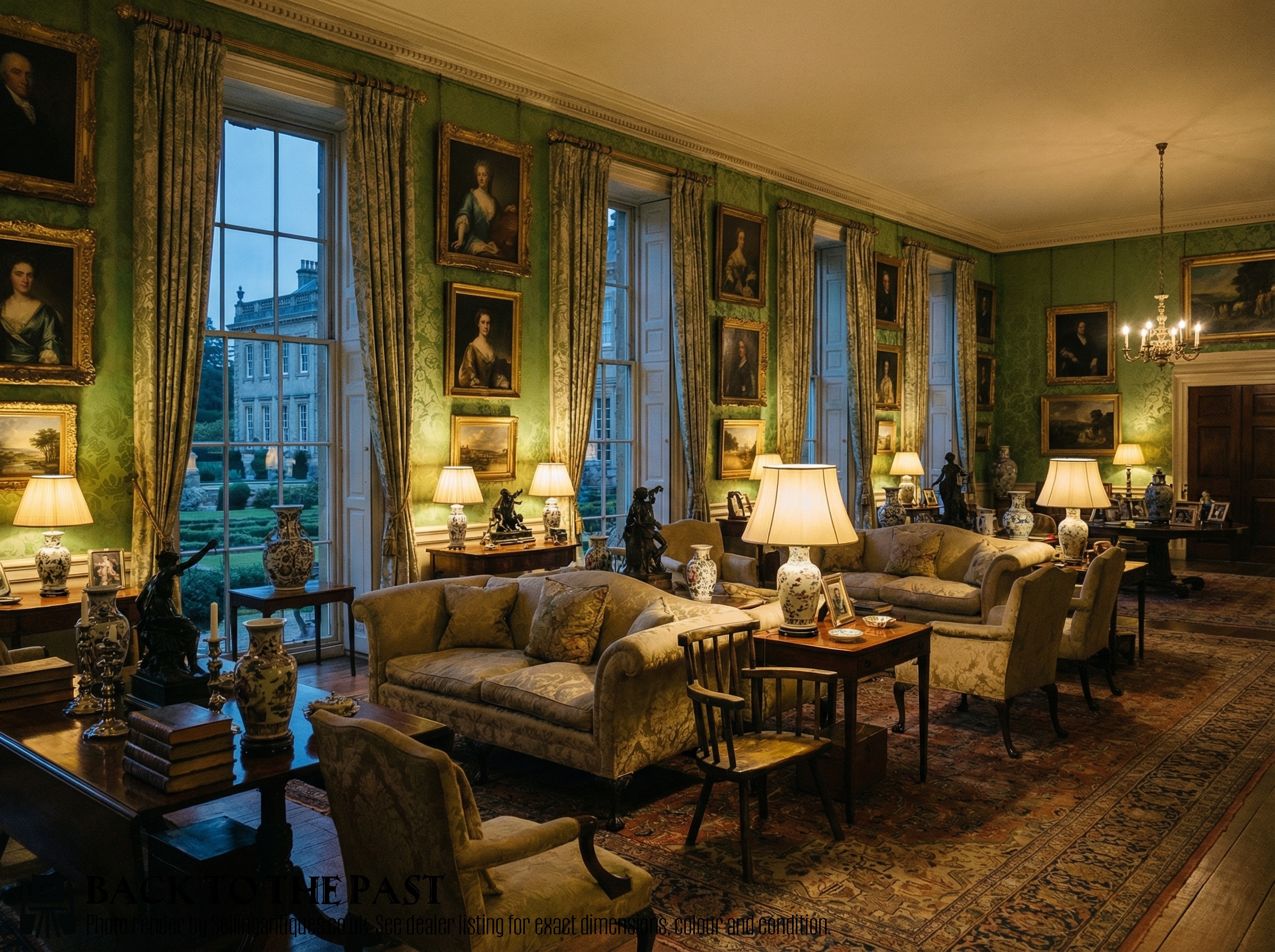
Antique Folk Art Chair
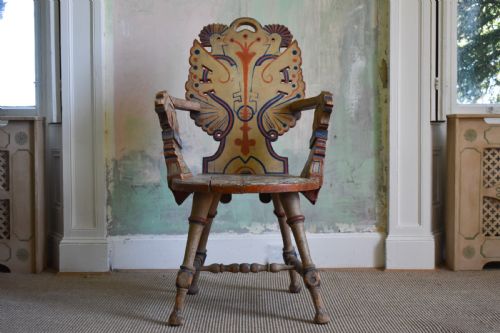
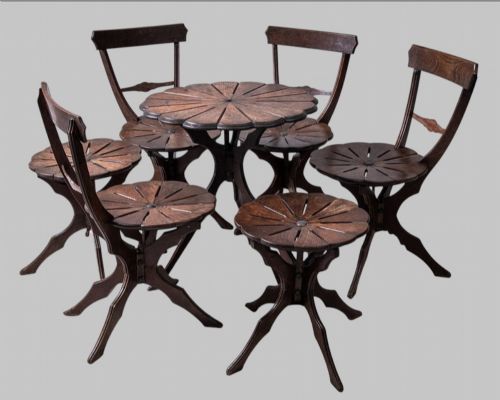
The selections span distinct regional styles such as Scandinavian, Welsh, Scottish, Alpine, and English vernacular. Buyers frequently encounter nineteenth-century pieces alongside examples from the eighteenth, Edwardian, and Regency periods.
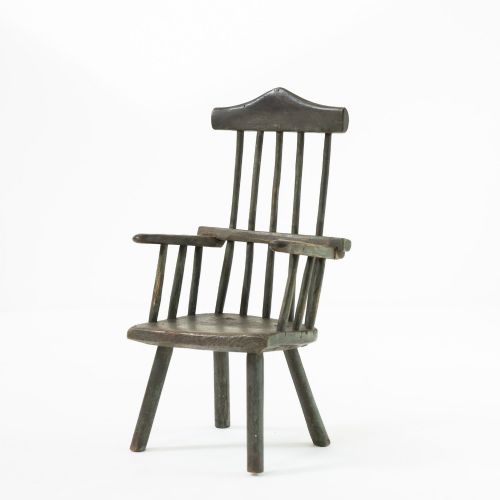
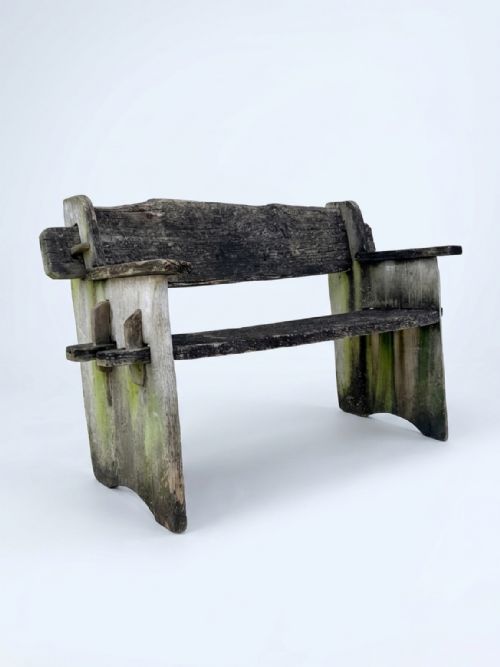
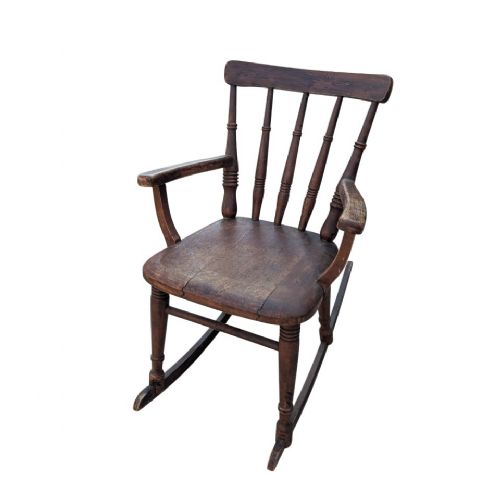
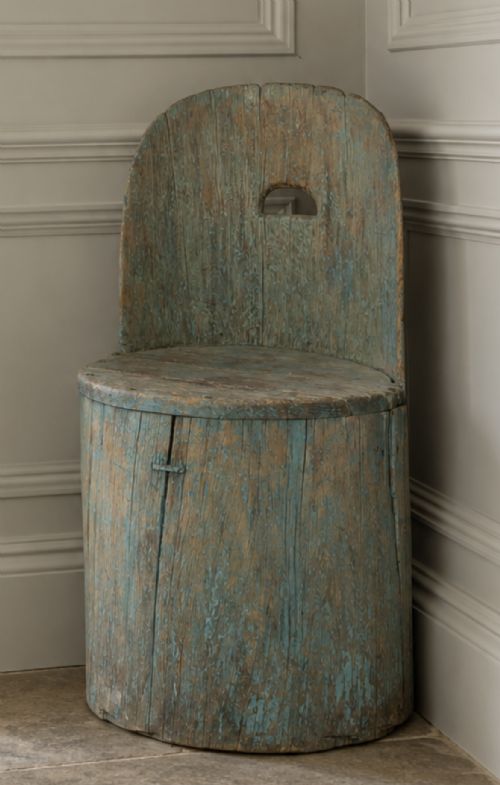
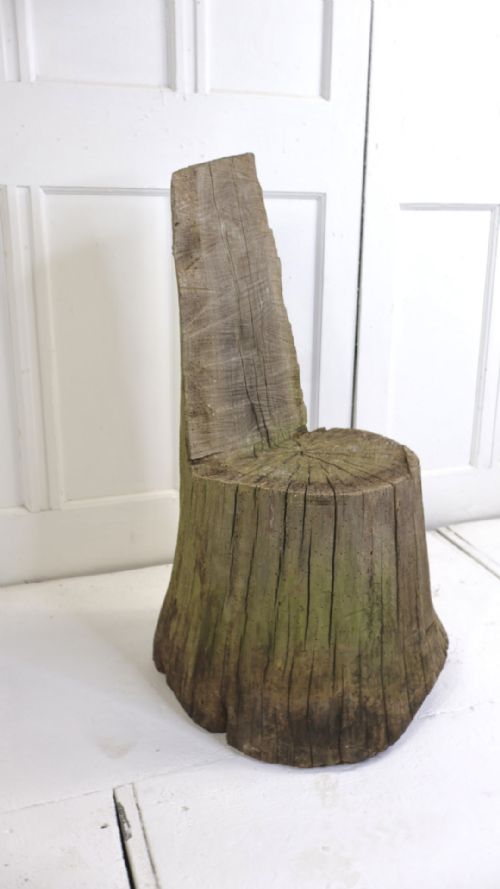
Forms range from stick-back armchairs and low spinning chairs to dug-out seats and painted thrones. Many items reflect specific regional construction methods shaped by local timber and domestic needs.
Materials and construction methods
Makers utilised available regional timber including oak, pine, beech, ash, and various hardwoods, often combining solid planks with turned spindles. Seats frequently incorporate natural materials such as straw, rush, and plaited súgán.
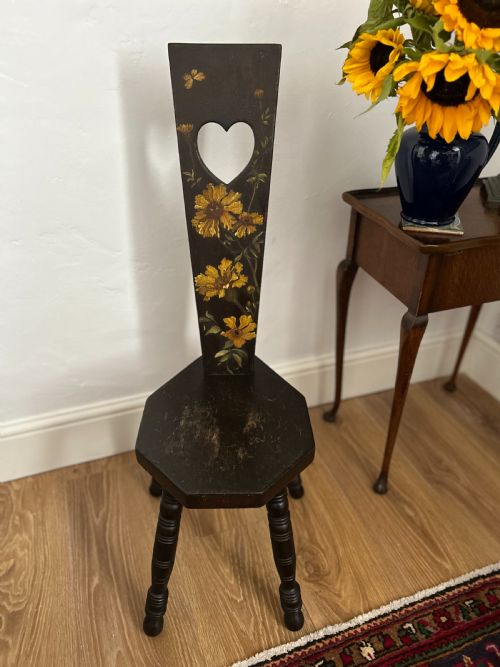
Surface treatments play a primary role, with many examples retaining original paint, stains, or naive hand-painted decoration. Construction relies on traditional joinery like pegging, comb-back bracing, and dug-out hollowing rather than industrial methods.
A nineteenth-century village ducking stool sits among the domestic seating, offering a rather damp reminder of historical local justice.
What separates the standard
The standard of an antique folk art chair depends on the integrity of its surface finish and the boldness of its regional form. Pieces retaining original paint or undisturbed native patina hold greater visual strength than those stripped or overly restored.
Proportion and structural honesty separate routine utility items from exceptional sculptural survivals. The skill of the local maker shows in how well the rustic materials balance practical comfort with distinct character.
The Antique Folk Art Chair Glossary
- Vernacular
- Everyday objects built by local craftspeople using regional traditions rather than academic architectural styles. These pieces serve specific practical functions within rural communities.
- Dug out
- A seat formed by hollowing out a single solid log rather than assembling separate planks and legs. This primitive technique creates a heavy, sculptural form.
- Súgán
- An Irish term for twisted straw or hay used to create plaited, flexible seating surfaces. It provides a resilient and comfortable base on traditional wooden frames.
- Stick back
- A chair construction method where turned wooden spindles or sticks are inserted directly into a solid wooden seat. This creates a light yet rigid framework.
- Bobbin
- A style of furniture turning that mimics the shape of textile bobbins, creating a series of rounded wooden beads along the legs or stretchers.
Antique Folk Art Chair: Frequently Asked Questions
What is an antique folk art chair?
An antique folk art chair is a piece of vernacular seating made by regional craftspeople using local timber and traditional methods. These items reflect the domestic customs of specific rural communities rather than high-style urban workshop designs.
Examples range from painted spinning chairs to sturdy dug-out seats and children's high chairs. Their appeal lies in their direct connection to historical everyday life and unpretentious craftsmanship.
How were these chairs used?
These seats served everyday domestic functions in rural cottages, farmhouses, and parlours across Europe and Britain. Specific forms were adapted for tasks like spinning wool, feeding children, or resting by the hearth.
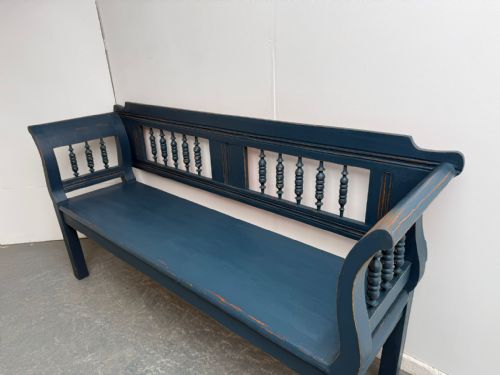
Larger benches and armchairs provided communal seating for families, while smaller rocking chairs and children's versions catered to domestic spaces. Their durable construction suited the demands of active rural households.
How do I live with an antique folk art chair?
An antique folk art chair functions effectively as a sculptural accent piece in modern or traditional interiors. Placing it in a hallway, bedroom, or living space highlights its unique silhouette and surface texture.
Protecting the piece involves keeping it away from direct heat sources and sudden humidity changes to preserve old timber and original painted finishes. Regular dusting maintains the dry, honest surface patina.
How do I tell regional styles apart?
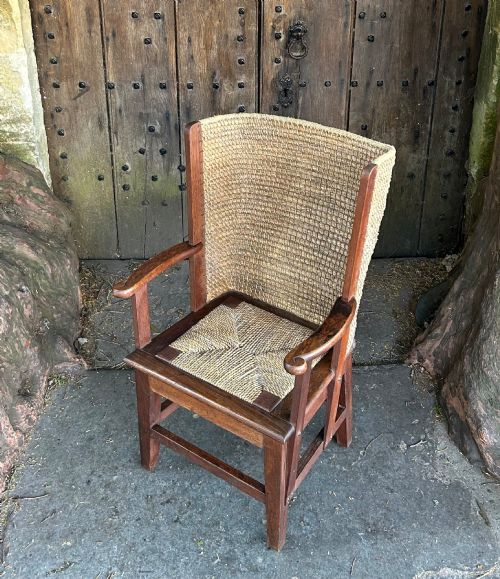
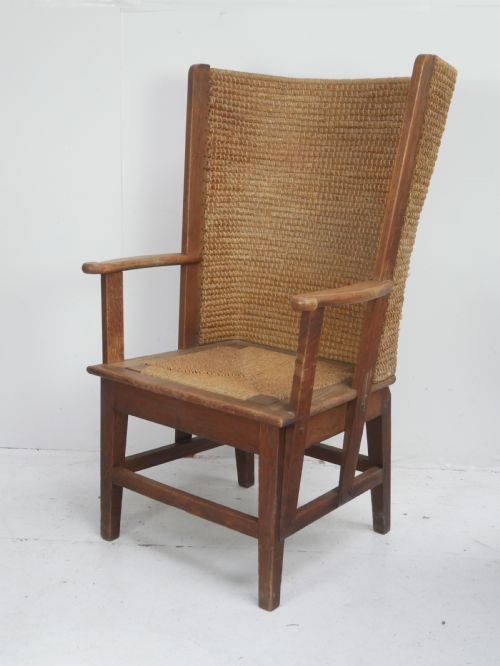
Regional styles differ through local woodworking techniques, timber choices, and decorative painting traditions. For instance, Orkney chairs feature distinctive woven straw backs, while Scandinavian pieces often showcase bright original paint and turned bobbin work.
Irish pieces frequently utilise ash with plaited súgán seats, and Alpine or Tyrolean examples display carved ornamentation. Comparing the structural framing and finish helps identify the likely geographic origin.