
Rustic Wooden Stick Chair
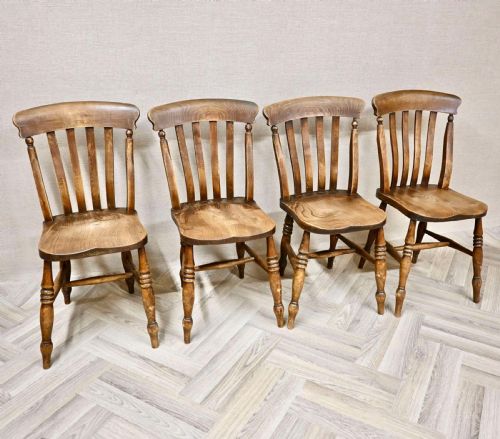
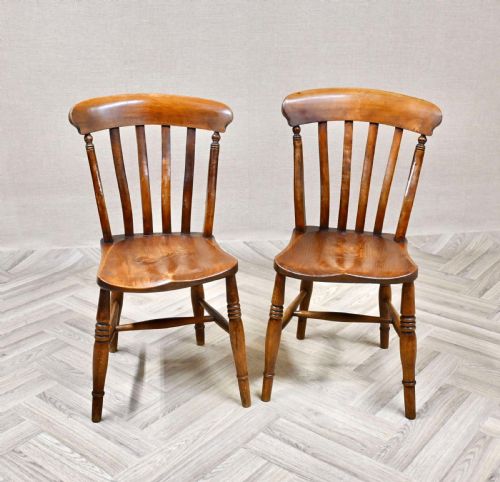
These rustic wooden stick chairs bring honest vernacular character into a room through honest timber construction and regional design.
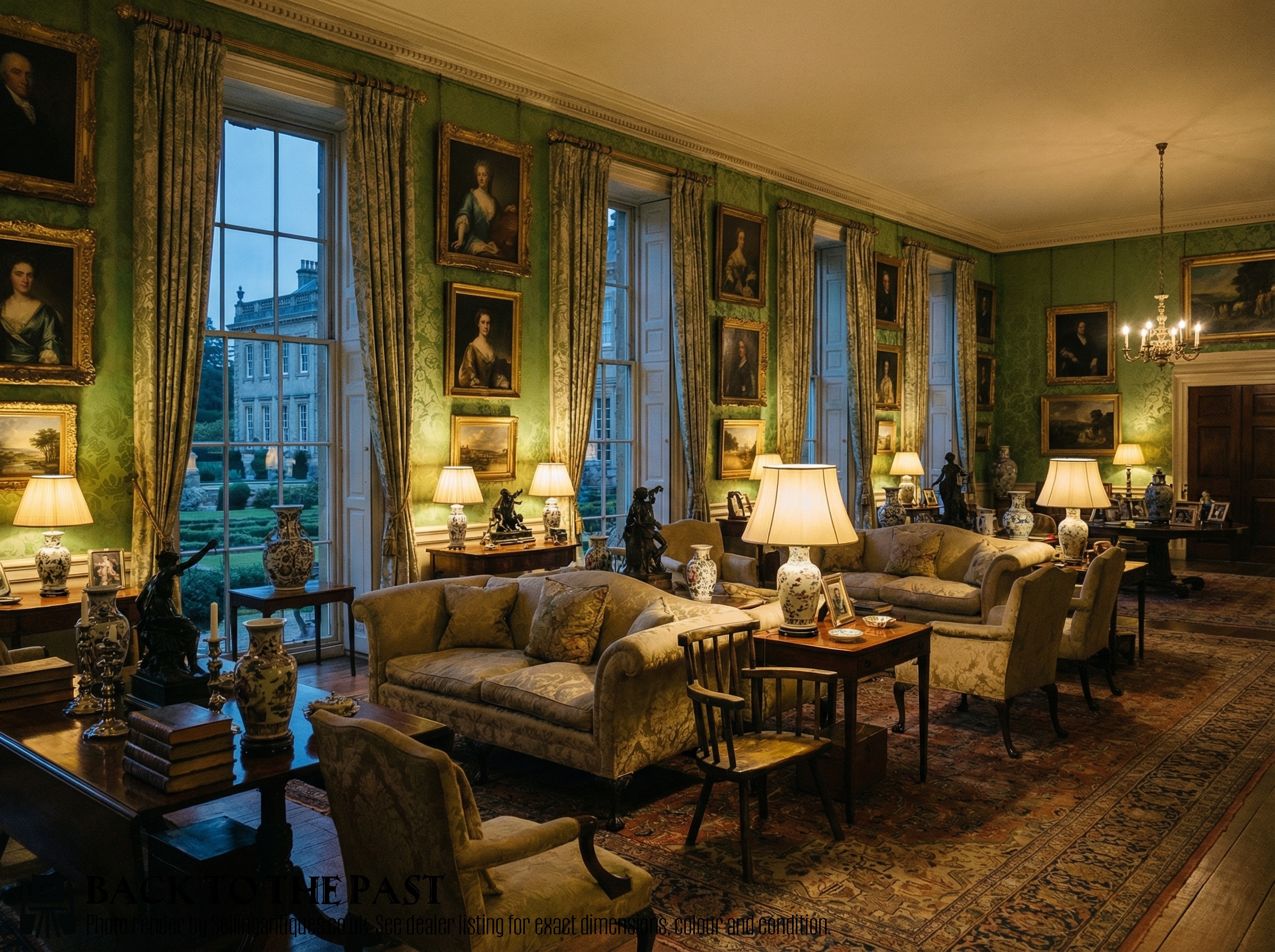
Rustic Wooden Stick Chair
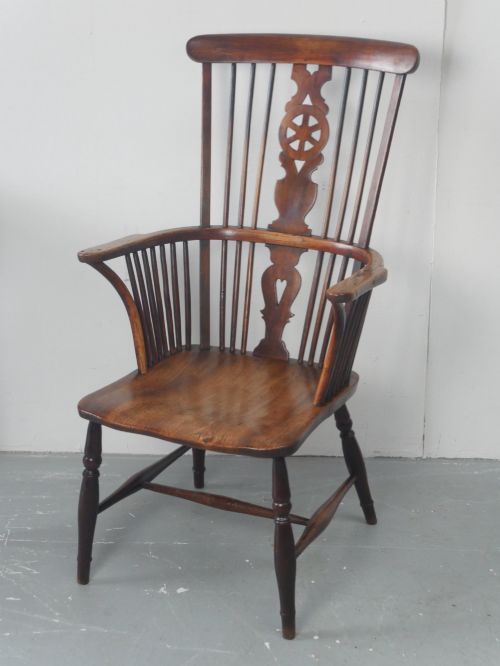
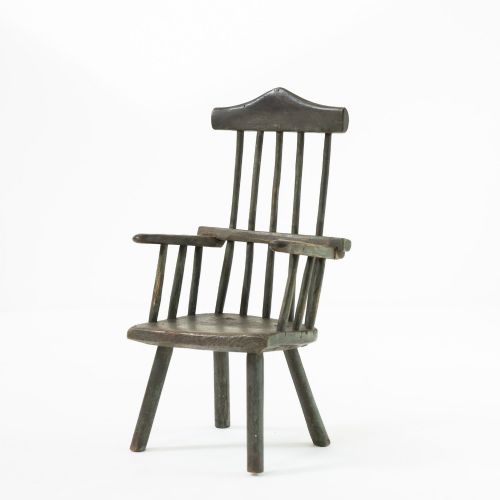
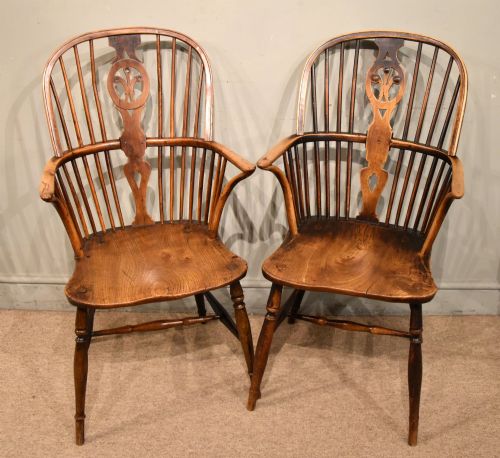
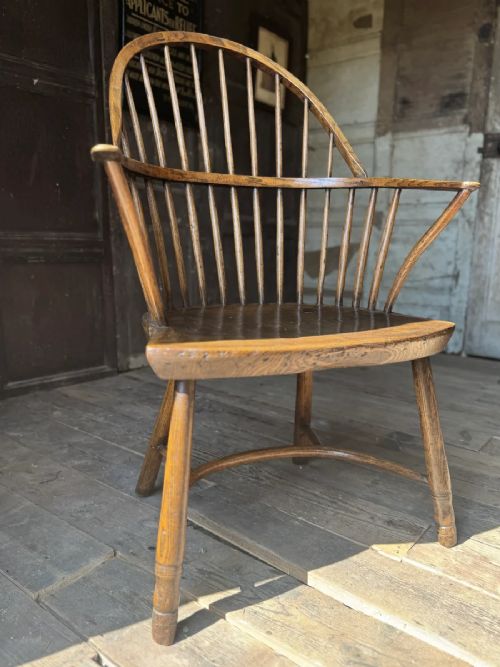
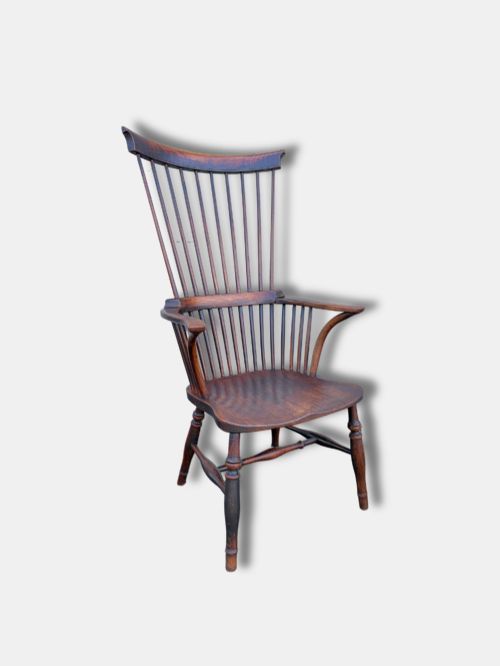
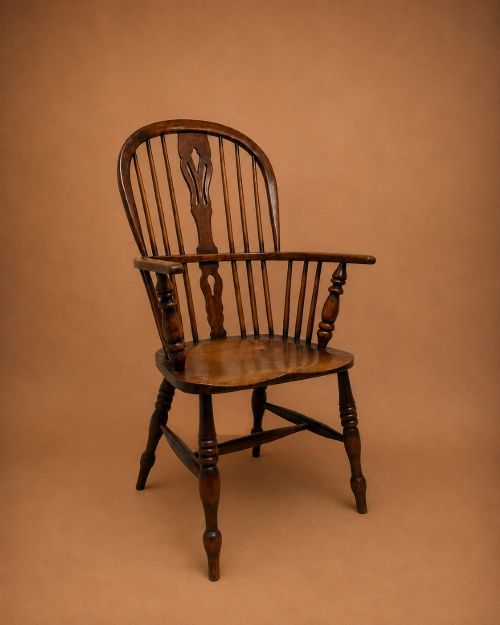
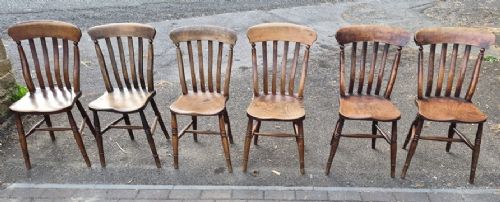
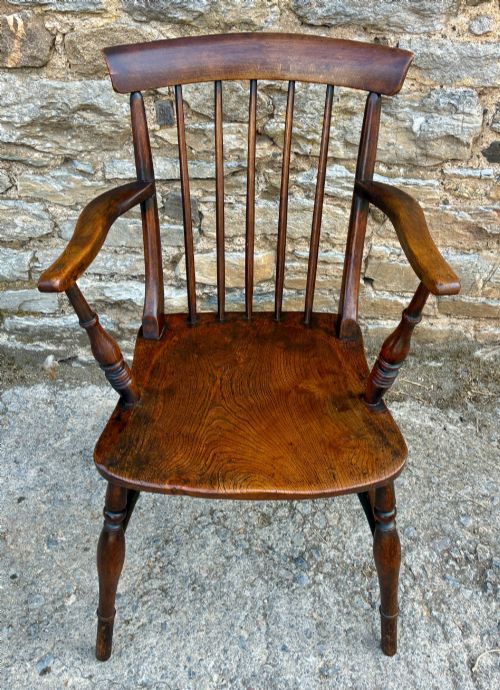
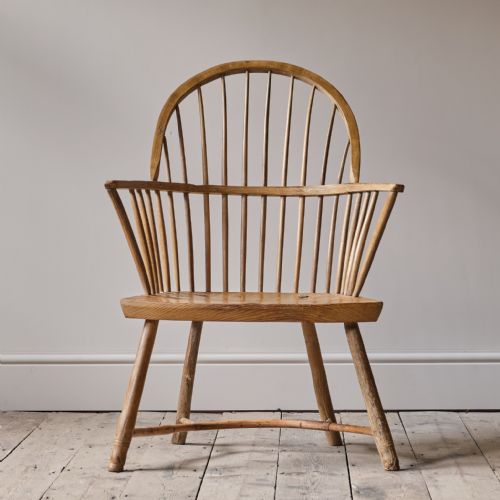
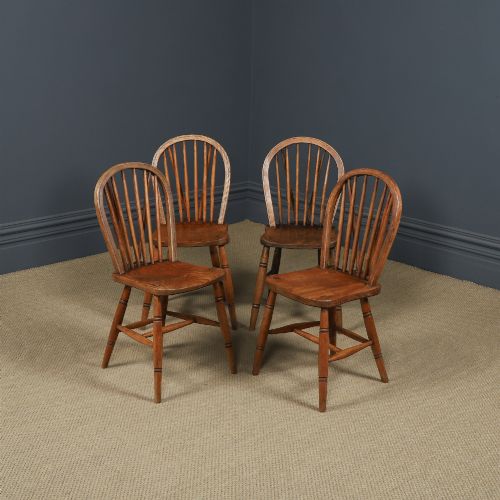
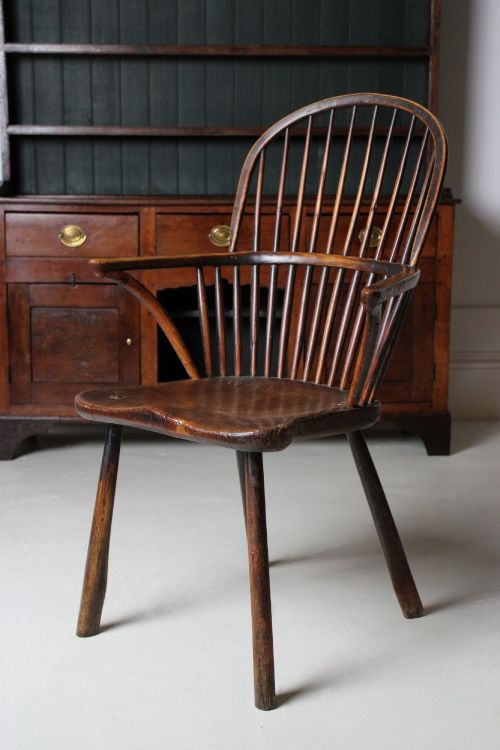
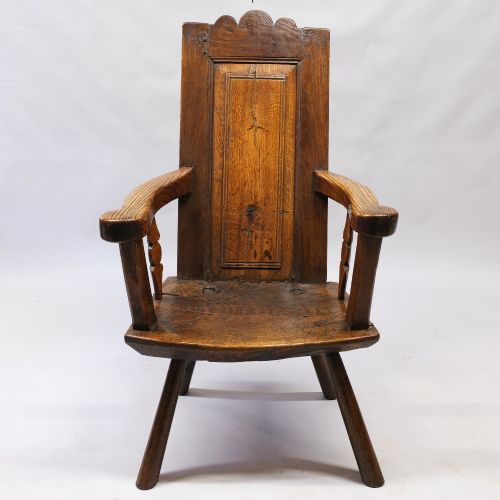
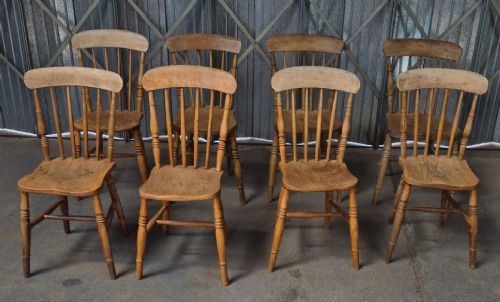
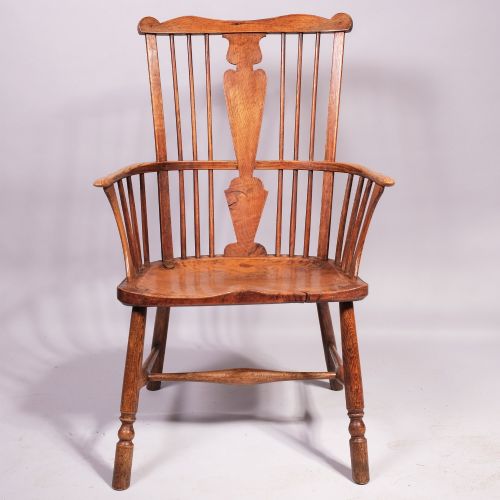
A rustic wooden stick chair is a traditional seating form built by regional joiners using simple turned legs, solid plank seats, and slender spindle backs. When you search for this phrase, you encounter forms ranging from low country armchairs to high comb-back and hoop-back Windsor designs.
The versions most common on this page originate in English, Welsh, and Irish country workshops during the eighteenth and nineteenth centuries. Makers built these chairs for everyday farmhouse and kitchen use rather than formal drawing rooms, relying on local timber availability.
How they were made
Craftsmen built these chairs by boring holes directly into solid wooden seats to receive steam-bent stick backs and turned legs. This wedged and pegged construction creates immense rigidity without requiring complex joinery.
Makers paired contrasting timbers within a single piece to utilise the specific strengths of each wood. Seats typically consist of deep-dished elm, whilst ash and beech form sturdy spindles and legs, occasionally supplemented by fruitwood, yew, or oak.
Makers occasionally carved child-sized versions with the exact same robust joinery as adult chairs, ready for pint-sized farmhands.
What varies in quality
The quality of a stick chair rests in the balance of its proportions and the depth of the sculptural shaping given to the solid seat. A superior example displays confident turning on the undercarriage and a harmonious rake to the back spindles.
Another distinction lies in the choice of timber figure and the survival of original surface patination. Chairs retaining early paint layers or deep, unblemished wood grain demonstrate greater integrity than those altered by later stripping or heavy restoration.
The Rustic Wooden Stick Chair Glossary
- Stick back
- A chair design where turned spindles or rods are tenoned directly into the seat to form the backrest. These members provide structural support while keeping the chair lightweight.
- Comb back
- A Windsor chair variation where the top rail resembles the spine of a traditional hair comb. Vertical spindles rise through a horizontal arm bow to meet this upper crest.
- Hoop back
- A continuous bentwood bow that forms both the armrests and the rounded back support in a single sweeping curve. This technique requires considerable skill in steam-bending tough timbers.
- Vernacular
- Objects designed and built by local tradesmen using regional traditions rather than high-style academic pattern books. These pieces reflect the practical needs of rural communities.
- Crinoline stretcher
- An arched or curved undercarriage stretcher found on seventeenth and eighteenth-century chairs. It strengthens the legs while offering a resting place for feet.
Rustic Wooden Stick Chair: Frequently Asked Questions
What is a rustic wooden stick chair?
A rustic wooden stick chair is a traditional vernacular seat featuring a solid plank saddle seat with turned legs and independent upright spindles forming the back. These utilitarian chairs developed across British rural workshops to serve farmhouse kitchens and cottages.
Constructed without metal fasteners, they rely on pegged mortise and tenon joints to withstand heavy daily use. Their forms vary by region, encompassing low armchairs, high-backed Windsor designs, and primitive child seats.
How do I tell an 18th century chair from a Victorian one?
Eighteenth-century examples typically display deeper saddle seats carved by hand, more irregular spindle turning, and timber showing considerable age-related wear through the grain. They often incorporate regional vernacular traits unique to Welsh or West Country makers.
Victorian pieces tend to show greater mechanical standardisation in their lathe-turned components and thinner seat planks due to mass production methods. However, Thames Valley workshops during the nineteenth century maintained high standards of elm and ash construction.
Which woods were used to build these chairs?
Makers selected timbers based on their mechanical properties, frequently combining two or three species in a single chair. Elm served as the primary choice for solid seats because its interlocking grain resisted splitting under heavy downward pressure.
Ash, beech, and fruitwood provided the elasticity and tensile strength needed for steam-bent back bows and slender spindles. Some West Country and Welsh pieces occasionally feature yew or laburnum for decorative contrast.
Where were these chairs originally made?
Regional carpenters, wheelwrights, and bodgers manufactured these chairs in rural communities across England, Wales, and Ireland. Local woodland resources heavily influenced the specific timber combinations and structural forms found in each district.
Thames Valley, Welsh, and West Country workshops developed distinct local characteristics in their comb-backs and hoop-backs. These rural items fulfilled everyday seating requirements in farmhouses, cottages, and provincial dining rooms.
How should I live with an antique stick chair?
Place your stick chair away from direct heat sources and sudden humidity changes to prevent the timber from drying out and cracking. Maintain a stable indoor climate to protect the original dry surface patination and old joints.
Allow the piece to function as an everyday seat while avoiding excessive weight loads that stress historical pegging. Dust the chair regularly with a dry cloth and apply occasional natural wax to nourish the antique wood.