


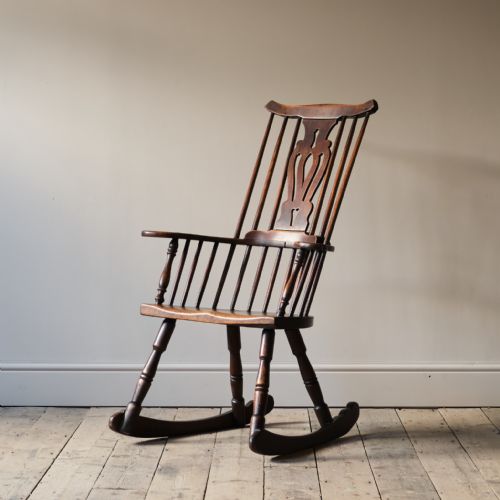


Oak Comb Back Chair
An oak comb back chair is a sturdy country seat defined by its tall, spindled headpiece, prized for combining robust vernacular craftsmanship with exceptional lumbar support.
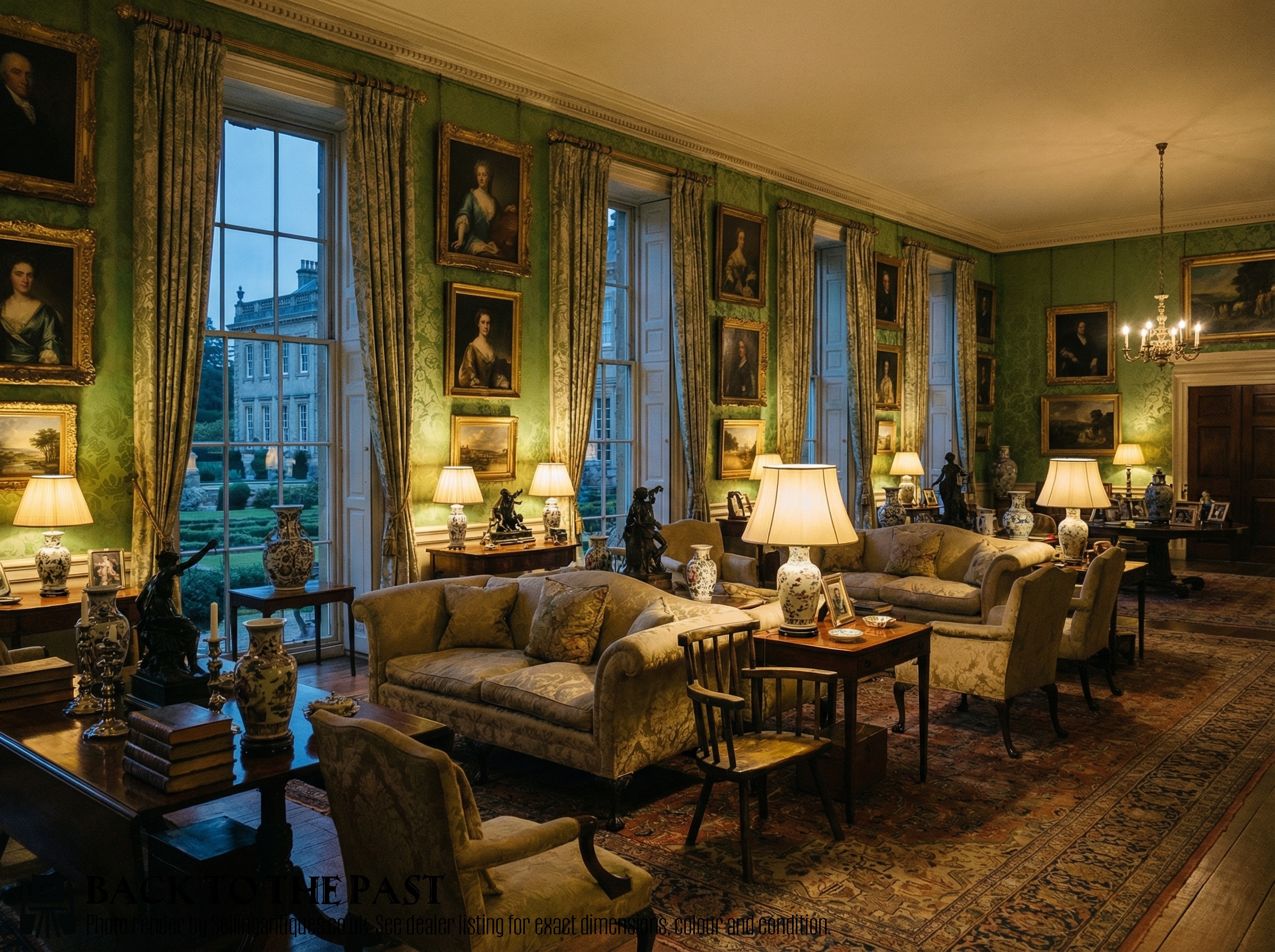
Oak Comb Back Chair
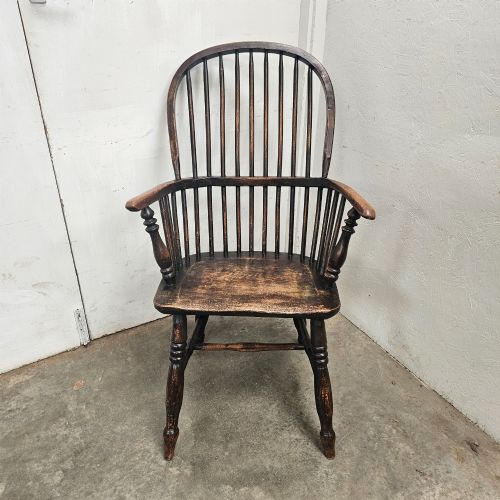
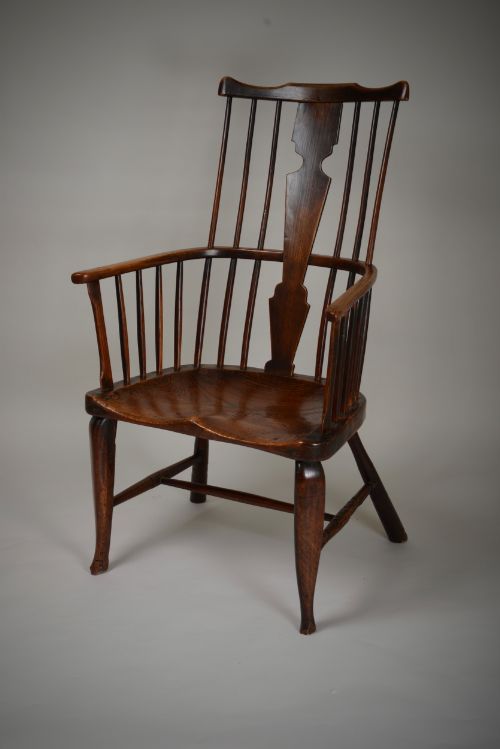
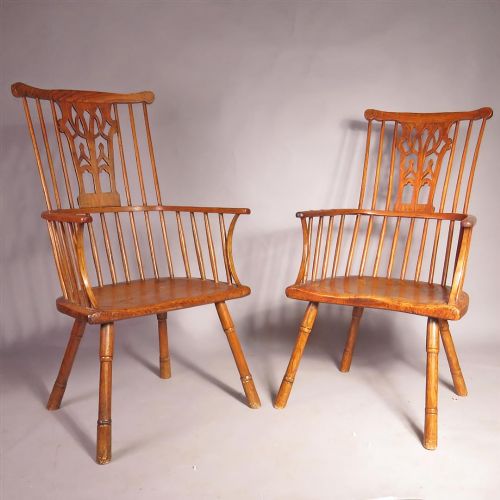
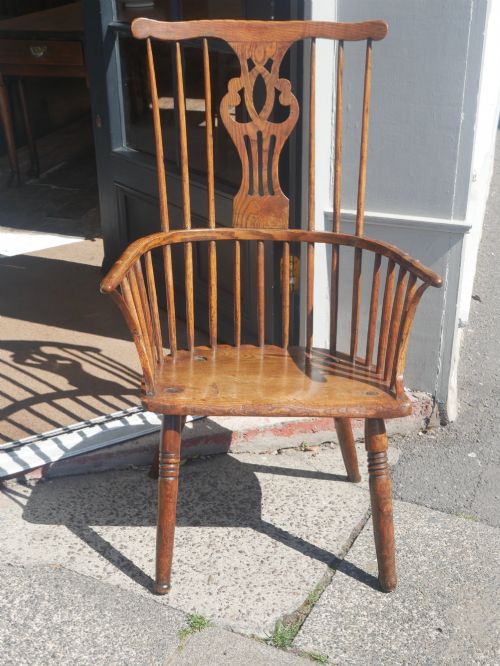
When you search for an oak comb back chair, you are looking at heavy regional seating developed in British country workshops during the eighteenth and nineteenth centuries. These armchairs and occasional rocking chairs feature an extended back where the central spindles rise through a bentwood bow to form a comb-like crest.
You are most likely to meet eighteenth-century and nineteenth-century examples on this page, often originating from Welsh, Thames Valley, or English provincial traditions. The construction typically blends an elm or ash seat with oak and other mixed timbers, reflecting the practical demands of rural makers who utilised whatever local woods came to hand.
How they were made
The makers built these chairs around a solid, thick saddle seat, usually carved from elm or ash to resist splitting. Into this heavy base they wedged legs and spindles of contrasting woods like oak, beech, and yew using traditional bodging techniques.
The defining comb back piece requires a continuous length of steamed wood bent tightly over the vertical sticks. These uprights often pass right through the seat plank and are secured underneath with wedges for enduring structural strength.
Listings here span the eighteenth and nineteenth centuries, incorporating oak, ash, elm, beech, and yew across Welsh and English regional traditions.
What varies in quality
Quality rests in the balance of the silhouette and the harmony of the mixed timbers chosen by the maker. A well-proportioned comb back displays fluid tapering in the spindles and a carefully sculpted arm bow rather than heavy, clumsy carpentry.
The depth of the saddle seat and the integrity of the wedged joints dictate longevity and comfort. Superior examples retain honest surface patination and minimal replacement parts across their stick and comb components.
William Birch of High Wycombe
The Oak Comb Back Chair Glossary
- Comb back
- A chair back where the vertical spindles extend upward past a bentwood arm bow into a horizontal crest rail that resembles the teeth of a comb.
- Windsor chair
- A wooden seat constructed with individual turned legs and back spindles inserted directly into a solid sculpted plank seat rather than a joined frame.
- Vernacular
- Objects made by local craftsmen for everyday regional use, following traditional domestic patterns rather than academic architectural styles.
- Bodger
- A travelling pole-lathe turner who lived and worked in woodland clearings, supplying pre-formed chair legs and spindles to local furniture makers.
- Saddle seat
- A wooden chair base deeply scooped and shaped by hand to resemble an equestrian saddle for improved comfort.
Oak Comb Back Chair: Frequently Asked Questions
What is an oak comb back chair?
An oak comb back chair is a traditional wooden armchair featuring a high back made of vertical spindles topped by a horizontal crest rail. These sturdy seats were produced across British regional workshops throughout the eighteenth and nineteenth centuries.
They combine rustic utility with refined country joinery, making them enduring centerpieces for traditional and contemporary interiors alike.
How were these chairs used historically?
These chairs served as principal seating around farmhouse hearths and in country cottages, where their high, braced backs kept occupants out of cold drafts. The solid saddle seats and robust construction also made them practical for daily workshop or kitchen tasks.
Over generations, they moved from utilitarian workspace seating into parlours and living spaces as valued examples of regional folk art.
How do I live with an oak comb back chair?
Living with these chairs requires placing them away from direct heat sources and rapid temperature fluctuations, which can dry out the historic timber and cause joints to loosen. Regular dusting and occasional mild waxing will maintain the natural lustre of the aged wood.
Because they have sturdy wooden frames, they function well as desk chairs, fireside seats, or standalone decorative pieces in hallways.
How do I tell regional styles apart?
Regional styles differ primarily in the choice of local woods, turning patterns on the legs, and the exact profile of the arm bow and comb crest. For instance, Welsh examples often display distinct stick-back arrangements and heavy vernacular proportions.
Thames Valley chairs frequently show finer turning and lighter framing, reflecting urban influences reaching out from London workshops into the countryside.