
Carved Back Timber Chair
A carved back timber chair offers sturdy seating with shaped woodwork, spanning periods from the eighteenth century to the Victorian era.
Carved Back Timber Chair
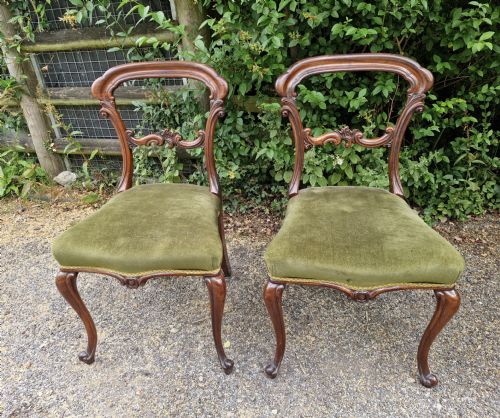
A carved back timber chair brings solid woodwork into a room, serving various functional roles from the hallway to the dining table. The selection spans the eighteenth century, the Georgian and Regency periods, through to Victorian iterations.
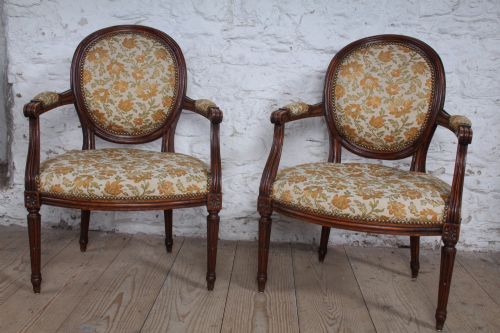
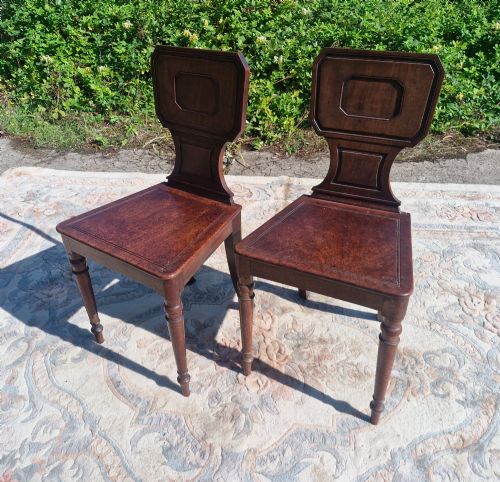
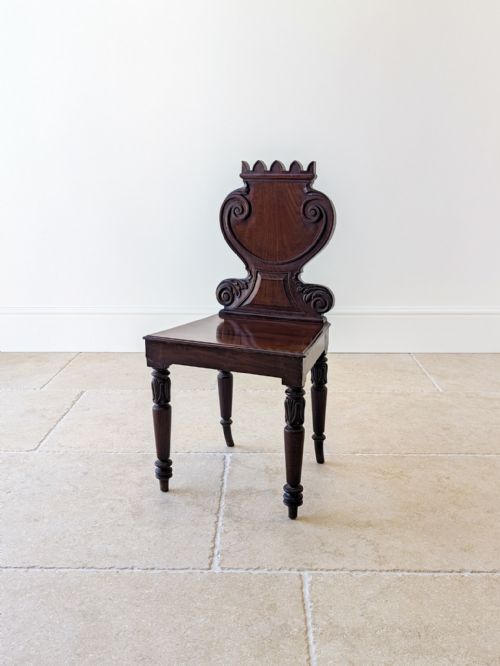
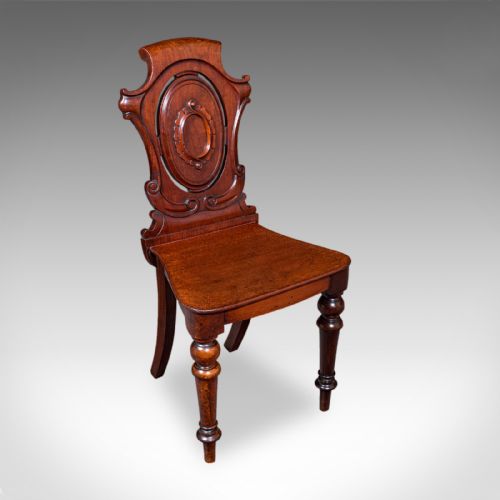
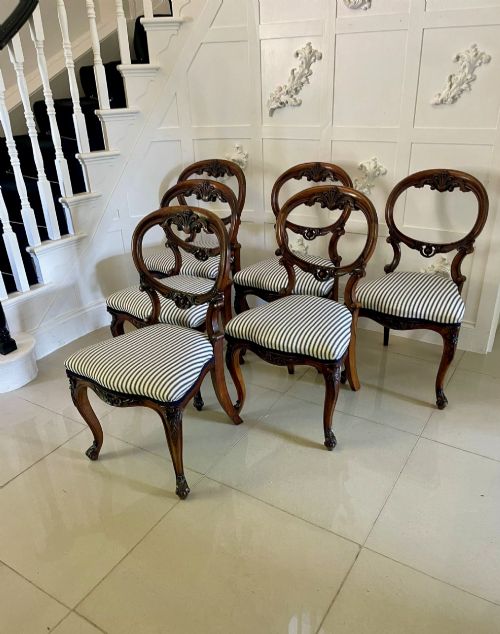
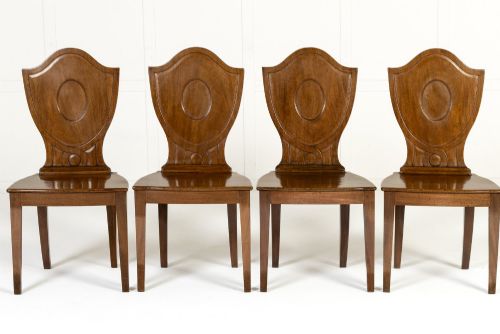
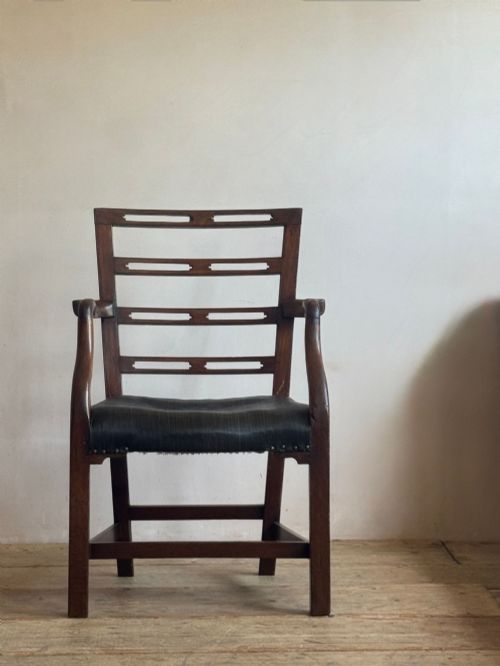
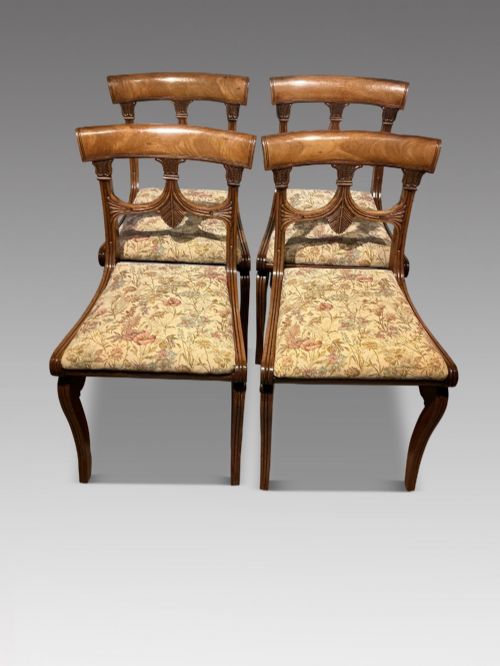
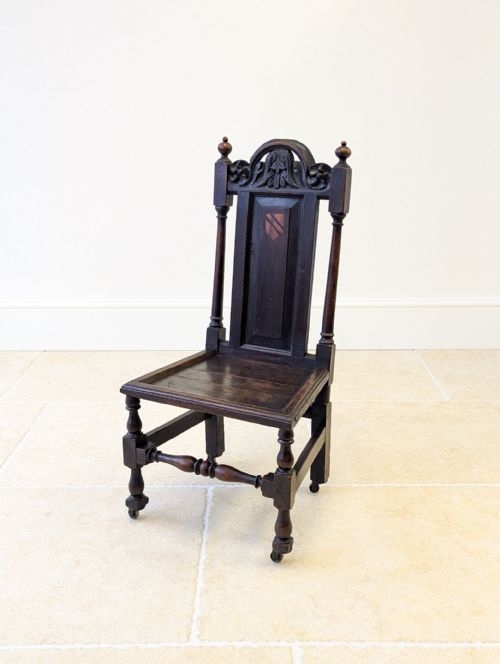
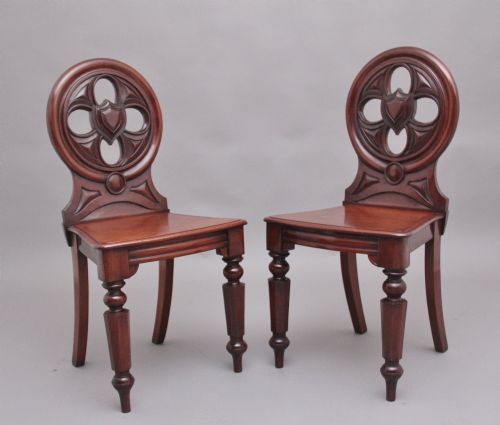
Hall chairs dominate the selection, often appearing in pairs or sets with timber panels bearing heraldic shields or carved motifs. Alongside these, buyers find armchairs, dining chairs, and side chairs shaped from dense hardwoods.
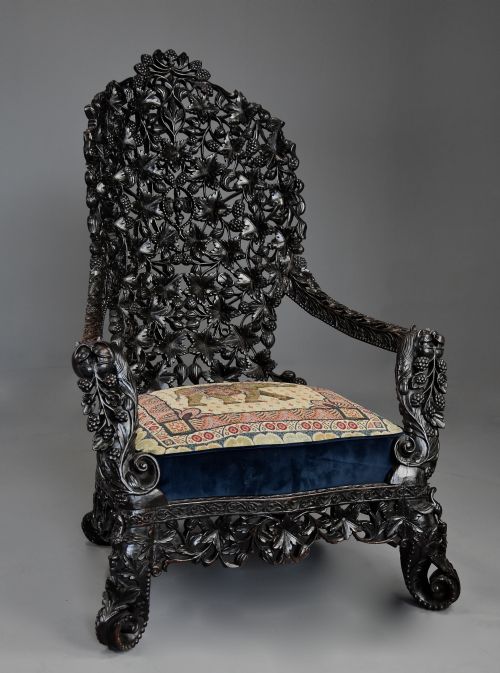
Origins stretch across Britain, Europe, and further afield, including Scottish, Indian, and Chinese examples. These regional variations introduce distinct carving depths and timber choices to the traditional form.
Materials and Construction
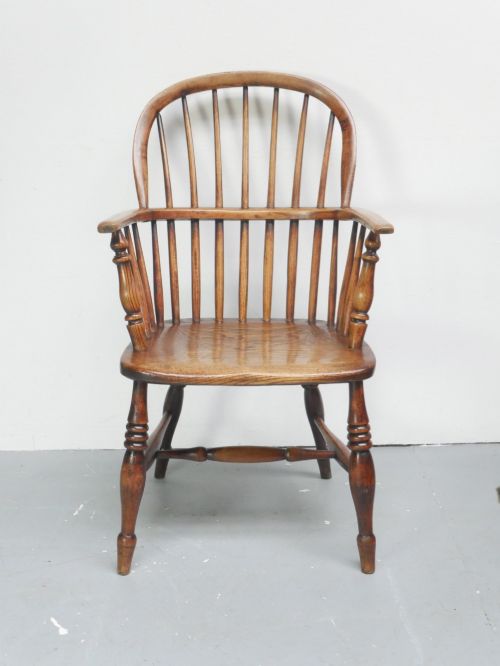
Makers relied heavily on mahogany, oak, and walnut, selecting timber for density and grain pattern. Secondary woods like ash and elm appear in vernacular seating such as Windsor chairs.
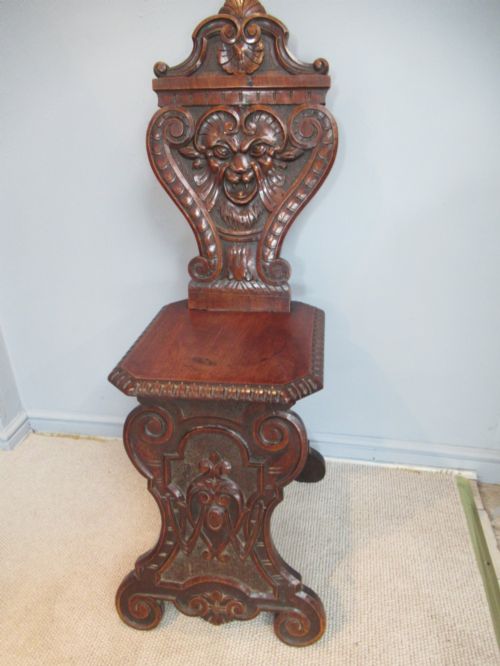
Joinery techniques combined pegged joints and mortise frames to support upright loads and intricate back splats. Carving was executed by hand directly into the solid timber, defining the shield backs and scrolled crests.
A tiny apprentice piece made to test a woodcarver's skill survives alongside giant throne chairs.
Judging the Standard
Quality rests on the crispness of the hand carving and the selection of well-figured timber. Crisp edges on shield backs and deep relief work separate master pieces from simpler production items.
Structural integrity of the joints and the preservation of the original timber surface determine the merit of each seat. Retaining the authentic colour and patina without excessive modern intervention preserves the historical value.
The Carved Back Timber Chair Glossary
- Hall Chair
- A rigid wooden seat designed for an entrance hall, typically featuring a solid timber back carved with a crest or shield.
- Shield Back
- A chair back shaped in the outline of a heraldic shield, frequently embellished with carved foliage or armorial bearings.
- Windsor Chair
- A traditional seating form constructed with turned legs and spindles fitted into a solid contoured wooden seat, often featuring a bentwood hoop back.
- Corbeille Seat
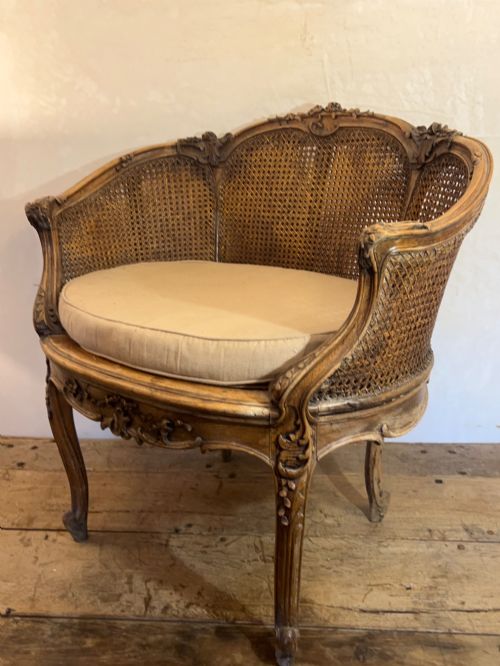
- An upholstered French armchair style with a rounded, basket-like curved back enclosing the sitter.
Carved Back Timber Chair: Frequently Asked Questions
Where should I place a hall chair?
These firm wooden seats suit narrow spaces like hallways, landings, or vestibules where deep upholstery is impractical.
Their upright posture and flat wooden seats make them functional accents rather than lounging furniture.
How do I care for antique timber?
Keep wooden seating away from direct heat sources and sudden humidity shifts to prevent the timber from splitting.
Apply a natural wax polish occasionally to nourish the surface and maintain the historic sheen.
Are these chairs comfortable for daily use?
Most examples were built for upright posture in reception rooms or hallways rather than long periods of relaxation.
Dining chairs and armchairs offer more supportive angles, while hall chairs are firm and upright.
How do I identify a Victorian piece?
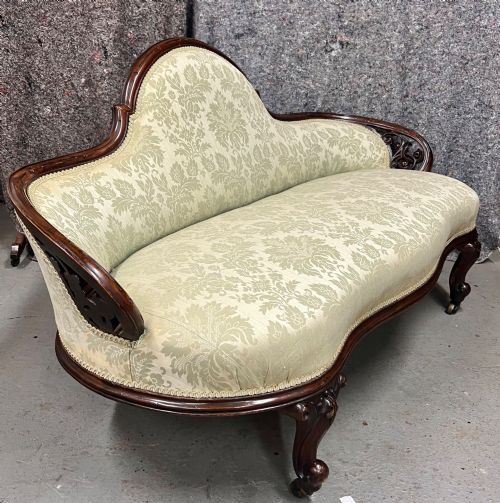
Victorian seating often employs dense mahogany, walnut, or oak with heavier proportions and revival styles.
Details like machine assistance in later Victorian pieces or Gothic and Jacobean motifs help date the item.