




Rustic Painted Chairs
These rustic painted chairs bring vernacular character to a room through traditional forms and worn decorative surfaces.
Rustic Painted Chairs
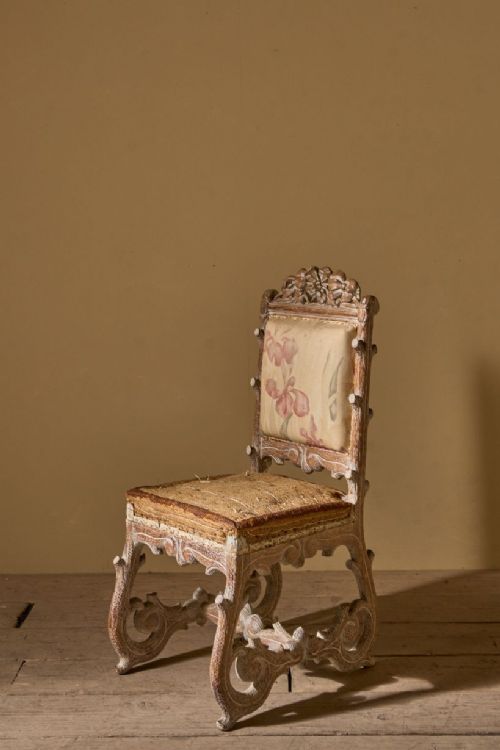
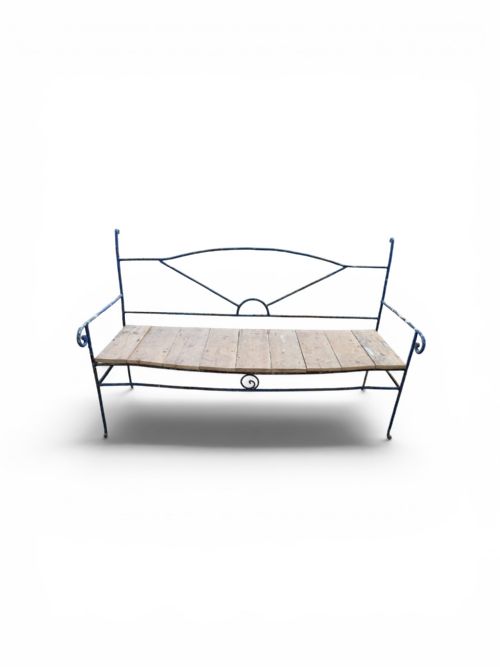
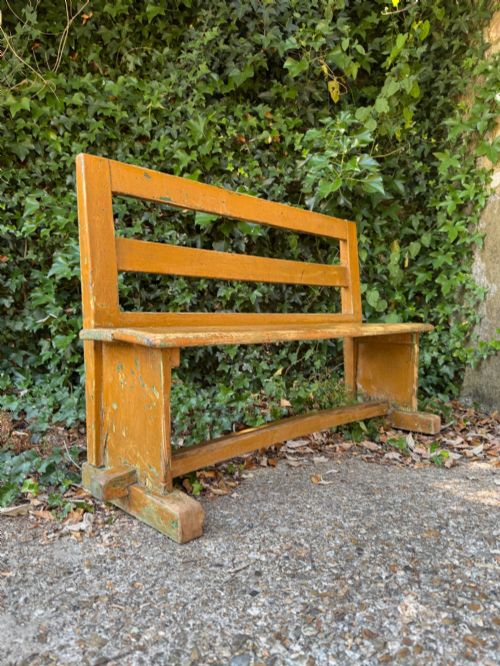
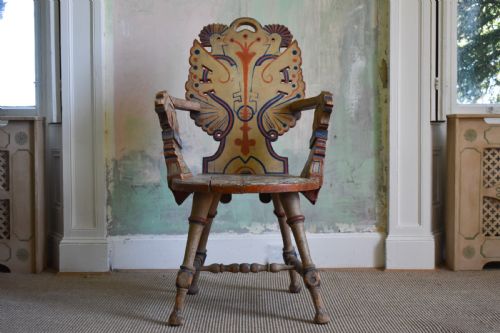
Rustic painted chairs encompass diverse seating forms from the eighteenth, nineteenth, and early twentieth centuries, spanning domestic Windsor chairs, armchairs, benches, settles, and garden seating. These objects originate from various regional traditions including Welsh vernacular, Scandinavian folk art, and French country workshops.
The version most commonly met on this page is the nineteenth-century country chair or bench, often constructed from local timbers such as pine, elm, ash, and oak. Surviving examples frequently display original surface treatments, ranging from simple painted finishes to folk art motifs.
Materials and construction
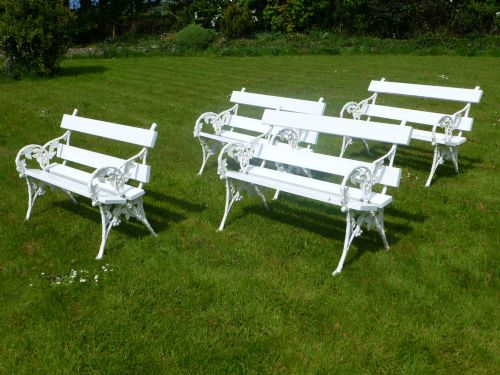
Construction relies on traditional woodworking techniques using regional timbers like ash, elm, pine, and oak, often combined with painted finishes or cast iron for garden variants. Artisans shaped solid wood components into Windsor stick backs, hooped frames, and dug-out seats.
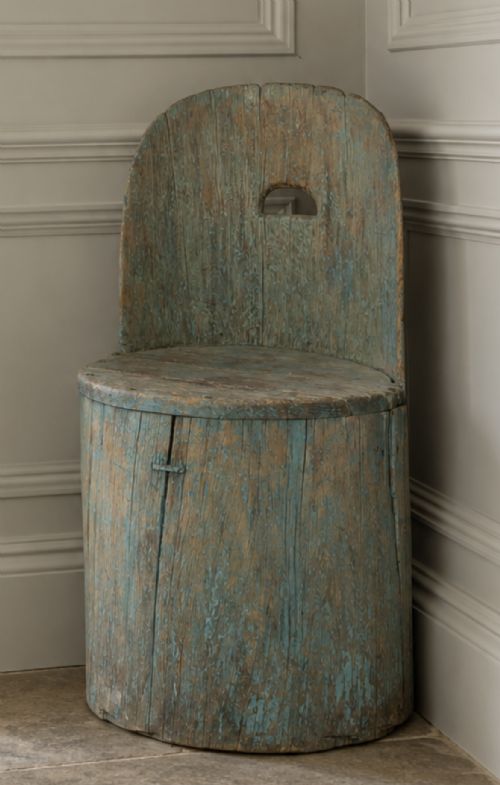
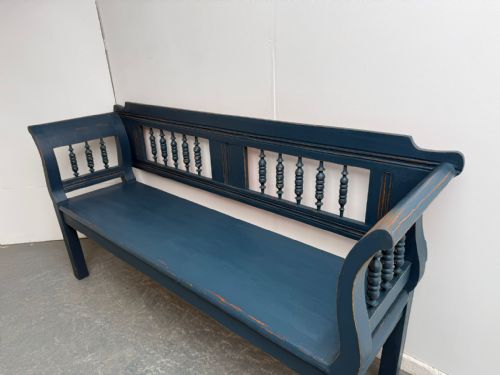
Surfaces received layers of paint, sometimes in blue, grey, or ebonised tones, which weathered over decades of domestic or garden use. Seats occasionally incorporate plaited straw, known as súgán, or fabric inserts to support everyday seating.
Quality variations
Quality in these pieces depends upon the integrity of the original timber frame and the survival of early or original painted surfaces. Chairs retaining authentic regional characteristics, such as specific Welsh or Scandinavian vernacular turnings, command greater interest.
Structural proportion and the balance between rustic utility and decorative folk art execution distinguish standard domestic seating from finer artisan or foundry work. The character of the surface patina, showing genuine age through wear, dictates the visual depth of the piece.
Falkirk foundry
The Rustic Painted Chairs Glossary
- Windsor chair
- A wooden chair built with a solid saddle-shaped seat into which the legs and back spindles are separately inserted. This form has evolved through numerous regional British and European variations over centuries.
- Súgán
- A type of plaited straw or hay rope traditionally used to form flexible seats in vernacular Irish chairs. It provides a resilient seating surface woven directly onto the wooden frame.
- Faux bois
- An artistic imitation of wood grain applied to materials such as cast iron or stone. This technique was popular in nineteenth-century garden furniture to mimic natural timber.
- Settle
- A wooden bench with a high solid back, solid arms, and often a storage box beneath the seat. Historically placed near fireplaces to block draughts in farmhouse kitchens.
- Folk art
- Decorative and utilitarian objects created within a specific regional culture by self-taught or local artisans. These pieces rely on traditional motifs and local materials rather than academic design rules.
Rustic Painted Chairs: Frequently Asked Questions
What periods do these chairs come from?
The pieces span from the eighteenth century through the Victorian and Edwardian eras up to the early twentieth century. Most examples date from the nineteenth century.
Regional vernacular styles often adhere to traditional local methods that persisted across generations without strict adherence to changing academic design periods.
Where were these rustic chairs used originally?
They served as everyday seating in farmhouses, cottages, and provincial homes, as well as outdoor seating in gardens and terraces. Hungarian and Austrian pieces often functioned as domestic benches or box settles.
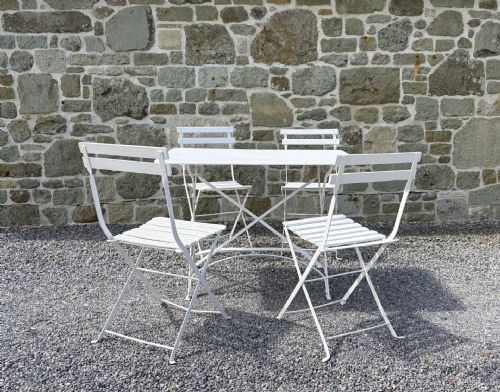
Garden variants utilised durable cast iron and painted wood to withstand outdoor conditions in nineteenth-century landscapes.
How do I identify a Windsor chair?
A Windsor chair is characterised by a thick wooden seat base into which the legs and back spindles are joined directly. They frequently feature stick-back or hooped designs.
Regional variations include elm or ash frames with distinctive turned legs and supporting armbows.
Are the painted finishes original?
Many pieces retain early or original painted surfaces, showing patination from decades of domestic use. Colours range from muted greys and blues to ebonised finishes.
Examining the layers of paint reveals how the furniture was maintained and updated within traditional rural homes over time.