



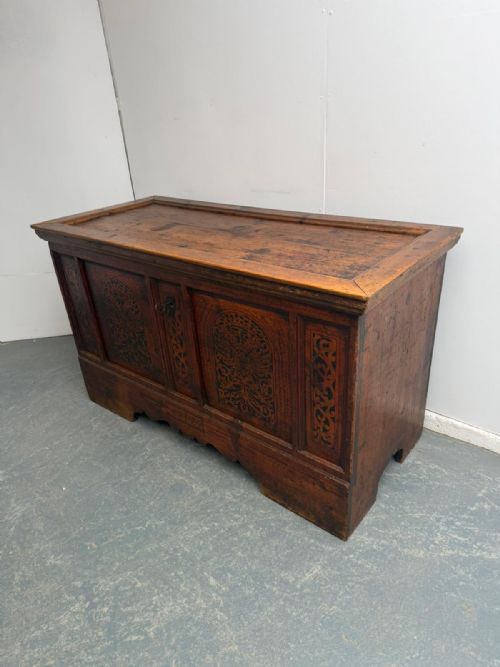


Folk Art Blanket Box
These heavy wooden chests carry decades of decorative pigment, regional craft and domestic history into modern rooms.
Folk Art Blanket Box
A folk art blanket box is a utilitarian storage container transformed by decorative painting, carved motifs and regional vernacular styles. When searching for a folk art blanket box, buyers encounter pieces intended for dowries, marriages and domestic storage originating from Scandinavian, Hungarian, Alpine and British workshops.
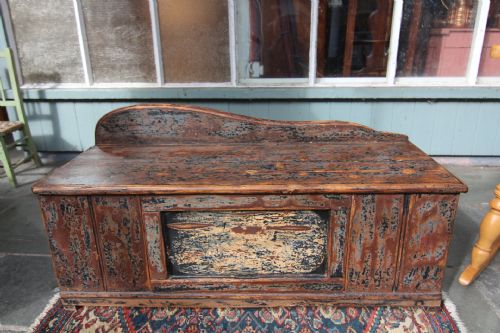
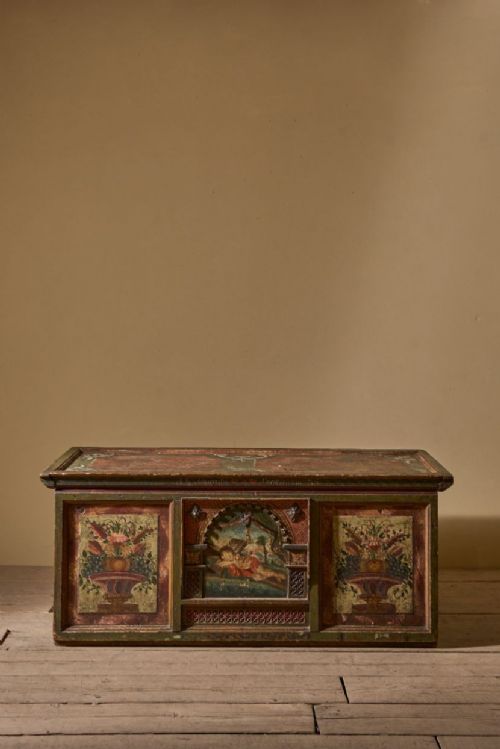
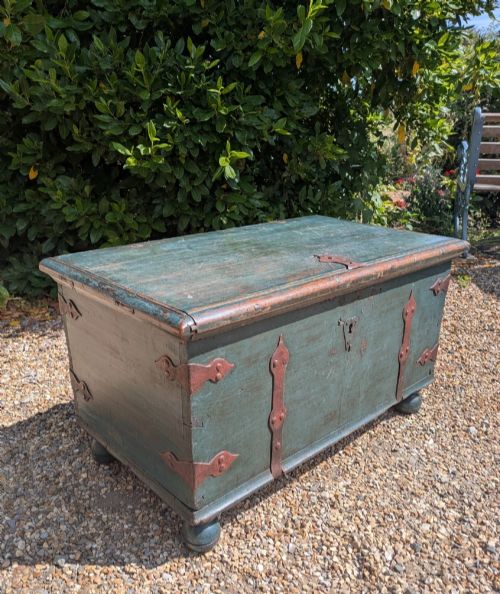
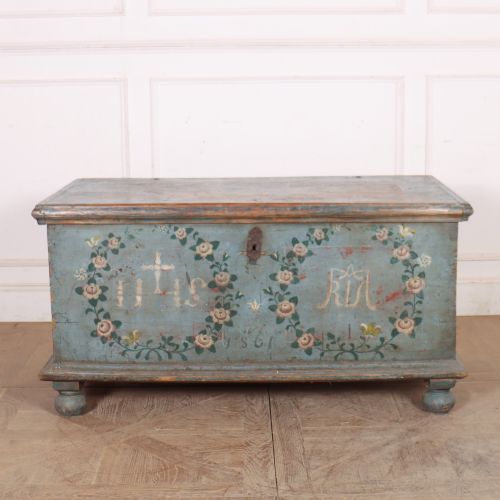
The most common examples on this page are pine chests dating from the eighteenth and nineteenth centuries, often retaining their original painted surfaces. These range from large dome-top marriage chests to smaller coffer boxes and shaped trunks on stands.
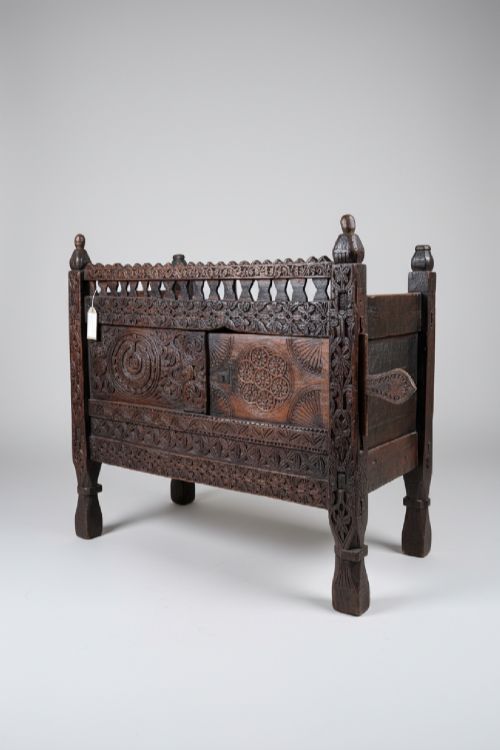
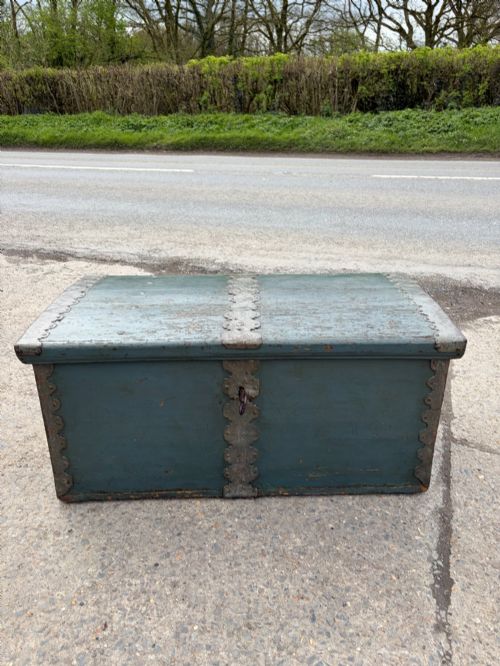
Forms vary from sturdy seaman's chests and primitive shepherds coffers to ornate dowry chests decorated with floral patterns or estate scenes. Each piece reflects the specific domestic traditions and decorative preferences of its region of origin.
Materials and construction
Makers constructed these boxes primarily from pine, oak and assorted hardwoods, joined with traditional methods suited to heavy daily use. Surfaces were then prepared to receive layers of pigment, creating painted finishes that frequently survive in remarkably original states.
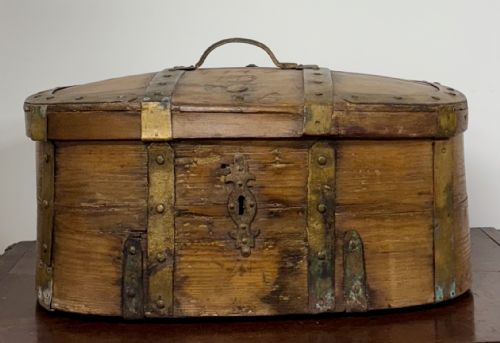
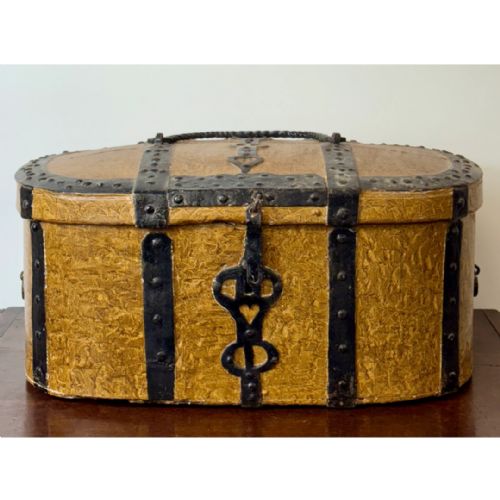
Iron and wrought iron hardware, including hand-forged strapwork, hinges and stout carrying handles, provided structural reinforcement and security. Brass accents also appear on specific regional variants, adding contrast to the timber and pigment.
Current listings feature pieces constructed from pine, oak and hardwood, spanning the eighteenth, nineteenth and early twentieth centuries.
Assessing quality and authenticity
Quality rests primarily on the survival and originality of the painted surface, with untouched period pigment commanding the strongest interest. Pieces that retain their authentic decorative scheme without later repainting offer a more genuine historical record.
The crispness of hand-carved details and the skill of the hand-forged iron strapwork distinguish superior regional examples from simpler utility pieces. Structural integrity, original hardware and untouched domestic patination further elevate the standing of a chest.
The Folk Art Blanket Box Glossary
- Coffer
- A heavy wooden chest traditionally used for storing valuables, documents or textiles before fitted wardrobes became common. These often feature robust plank construction and hinged lids.
- Cassone
- A large Italian marriage chest or coffer, typically decorated with elaborate painting or carving to celebrate a union. They formed a central part of a bride's dowry.
- Dome top
- A rounded lid profile designed to shed water and increase internal storage capacity. This shape frequently appears on nineteenth-century Scandinavian and Alpine travel chests.
- Strapwork
- Decorative or reinforcing bands of iron laid across the exterior of a chest. Hand-forged examples provide both structural strength and visual contrast against the timber.
- Pigment
- The raw colouring matter used to mix the paints applied to vernacular furniture. Original pigment layers provide vital evidence of a box's age and regional style.
Folk Art Blanket Box: Frequently Asked Questions
How were blanket boxes used historically?
These chests served primarily to store household textiles, blankets, woollens and clothing in domestic spaces. They also functioned as dowry chests to transport a bride's possessions to her marital home.
Many doubled as seating benches or tables within smaller homes, while specialised versions like seaman's chests and strong boxes protected personal valuables during travel.
How do I identify original paint?
Original painted surfaces display natural craquelure, consistent fading, and wear patterns appropriate to the age of the timber beneath. Under magnification, the pigment layers should show genuine integration with the wood rather than modern synthetic binders.
Traces of underlying preparation layers and tool marks help confirm that the decoration belongs to the period of manufacture.
Where did regional painted styles originate?
Painted vernacular furniture developed across rural Europe, with distinct aesthetic traditions flourishing in Sweden, Hungary, the Alpine regions and the Swat Valley. Local craftspeople adapted prevailing folk motifs, floral patterns and colour palettes to suit community customs.
British examples often leaned towards simpler painted pine or regional estate-made construction rather than dense folk painting.
How do I care for an antique painted chest?
Keep painted wooden chests away from direct sunlight, radiators and damp environments to prevent timber movement and pigment flaking. Maintain a stable indoor humidity level to preserve both the wood and the fragile historic paint layers.
Dust the surface gently with a dry, soft cloth and avoid applying modern polishes, waxes or solvents that could damage original painted finishes.