





Antique Blue Trunk
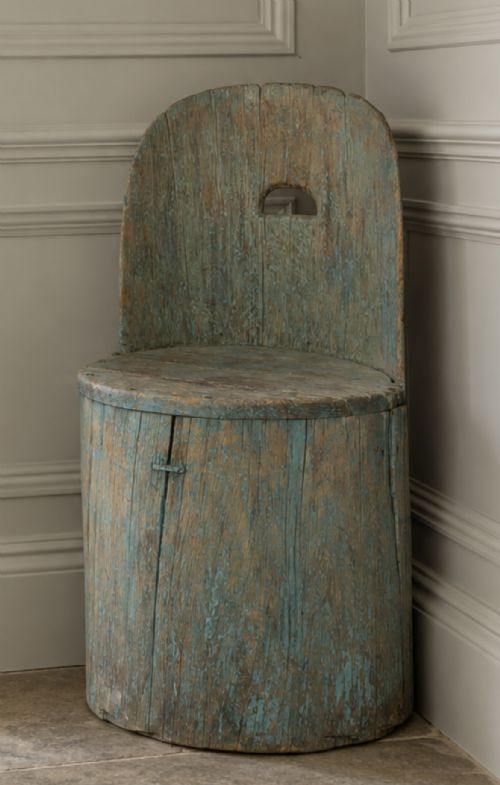
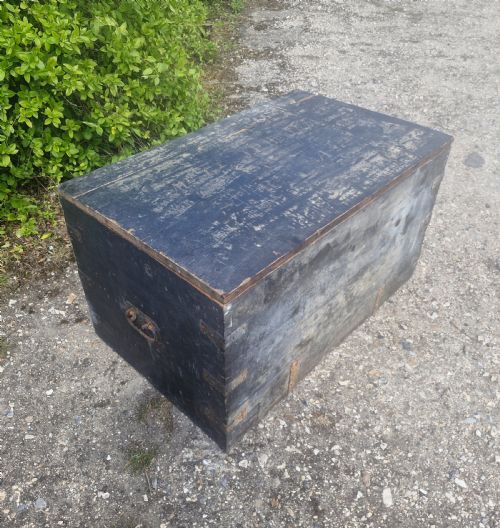
An antique blue trunk brings centuries of folk art and travel history into a room, offering robust storage disguised in vibrant pigment.
Antique Blue Trunk
When you search for an antique blue trunk, you encounter a robust range of storage vessels including marriage chests, dowry boxes, and campaign trunks. These pieces span from the 18th century through the early 20th century, originating primarily from Scandinavian, Hungarian, and Alpine regions alongside military contexts.
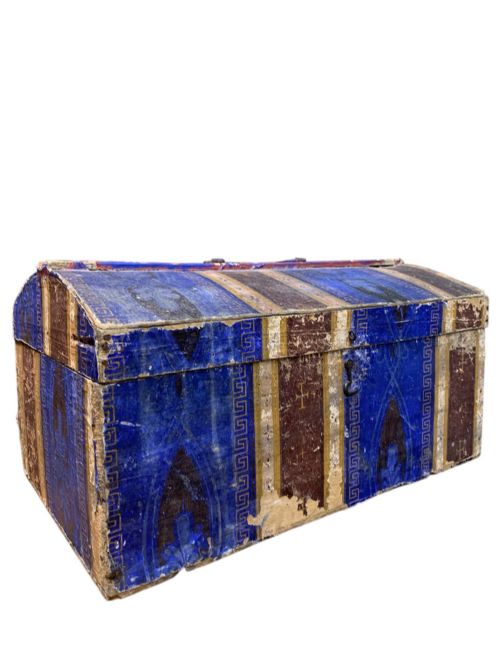
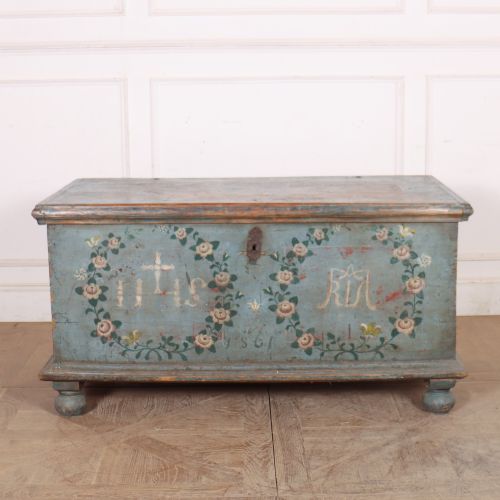
The version you are most likely to meet on this page is a pine coffer or dome-top chest bearing original hand-painted surfaces. Such items served domestic and travel purposes, carrying textiles or personal belongings across farms, villages, and military campaigns.
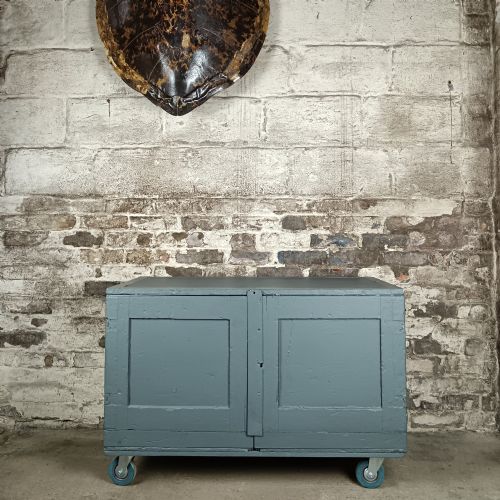
Mule chests and blanket boxes also populate this category, providing deep interior cavities beneath hinged lids. These domestic containers bridge the gap between utilitarian storage and decorative folk art.
Materials and construction
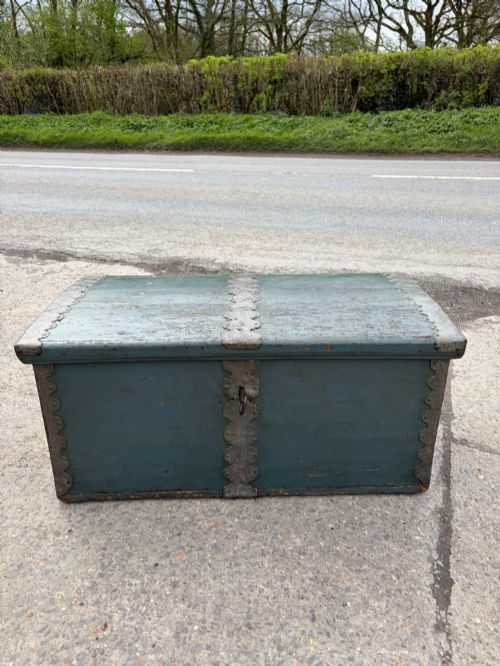
Makers built these pieces predominantly from solid pine and oak, joined with traditional carpentry methods suited to heavy service. Iron and wrought iron reinforcements, such as strap hinges and metal bindings, secured corners and lids against the strains of transport.
Surfaces received treatments of tempera paint, oil paint, or block-printed paper applied directly to the timber. This pigmentation often defined regional folk traditions, creating vibrant blue finishes that endure across centuries.
Antique Blue Trunk Retail Price Guide 2026
Typical asking prices for blue trunk among the pieces listed under this phrase on Sellingantiques today, from the lower quarter to the upper quarter. They describe what is for sale here now, not the wider market.
Several Swedish marriage chests carry the ghosts of long-ago dowries inside, where block-printed paper linings survive undisturbed.
Assessing quality in painted chests
The distinction between ordinary utility items and exceptional pieces rests in the preservation and artistry of the painted surface. Original untouched paintwork commands greater interest than later repainting, showing authentic wear that tells the history of the object.
Structural integrity of the timber and survival of original ironwork, including locks and brackets, separate intact survivals from heavily restored examples. The nuance of folk art motifs and regional execution further elevates the stature of an individual coffer.
The Antique Blue Trunk Glossary
- Cofer
- A large strongbox or chest used for storing valuables, linen, or travel goods. These heavy wooden containers typically feature hinged lids and iron mountings.
- Mule chest
- A traditional storage box featuring one or more drawers beneath the main internal compartment. They combine the storage capacity of a chest with the accessibility of a chest of drawers.
- Dome top
- A rounded lid construction designed to shed water during travel and provide increased internal volume for bulky textiles. This silhouette appears frequently on Scandinavian and campaign coffers.
- Cassone
- A traditional Italian large painted chest used historically for marriage ceremonies to transport a bride's trousseau. These ornate containers often display elaborate pictorial decoration.
Antique Blue Trunk: Frequently Asked Questions
How are antique blue trunks cleaned?
Maintenance requires only a soft, dry cloth to remove dust from fragile painted surfaces.
Moisture and modern chemical cleaners must be avoided to protect original tempera or oil paint layers.
Can these chests be used for daily storage?
Their deep interiors accommodate blankets, pillows, and bulky items with ease while introducing texture to a room.
Interior spaces should remain dry to prevent damage to historical timber and paper linings.
What indicates original paint on a trunk?
Original pigment shows natural craquelure, fading, and wear consistent with age rather than uniform modern coverage.
Surface inspection often reveals multiple layers of historical application beneath minor losses.
Where were painted marriage chests made?
Rural workshops across Sweden, Hungary, and Alpine regions produced these vibrant containers for domestic milestones.
Local folk traditions heavily influenced the specific hues and decorative motifs applied to each piece.