




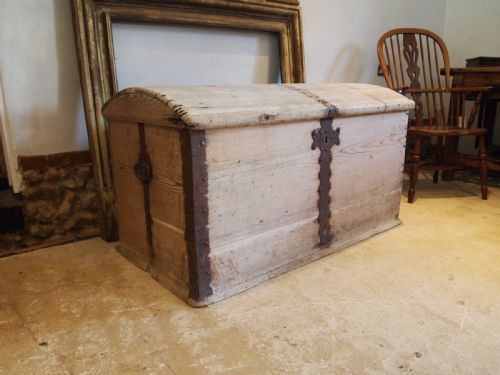


18th Century Folk Trunk
An 18th century folk trunk is a utilitarian box of pine or oak, painted, papered, or iron-bound, offering rustic charm and historic storage.
18th Century Folk Trunk
When you search for an 18th century folk trunk, you encounter dowry chests, marriage boxes, and domed caskets created for domestic storage. These pieces originate primarily from Scandinavian and European rural workshops, reflecting regional traditions and local joinery.
The items listed here span storage chests, coffers, and miniature boxes, often associated with domestic milestones like marriage. Pine and oak provide the primary structural timber, shaped into both small tabletop boxes and large floor chests.
How they were made
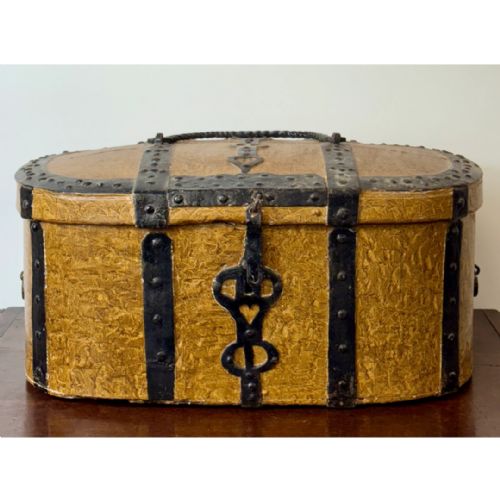
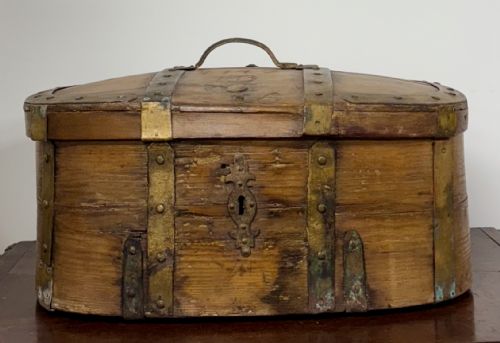
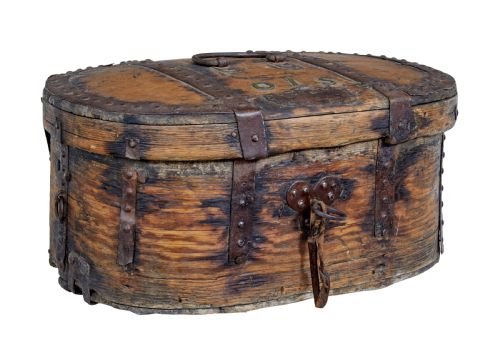
Carpenters constructed these trunks using solid pine or oak boards, joined with traditional methods and reinforced with heavy wrought iron straps and mounts. Iron hardware served both a structural purpose to secure the lid and an aesthetic function across the exterior.
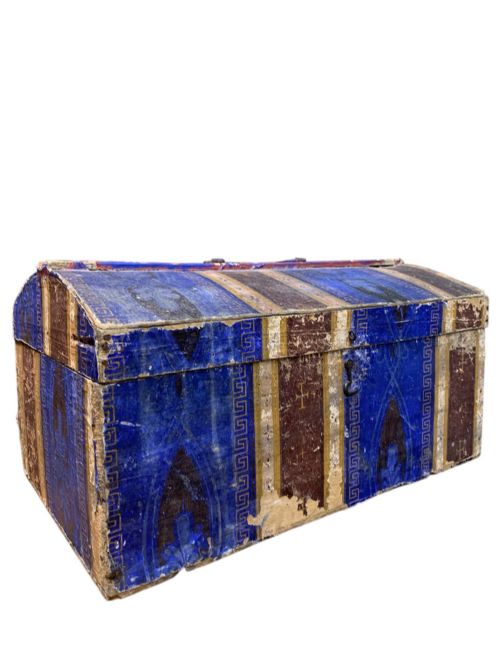
Surfaces frequently received hand-applied paint, decorative block-printed paper linings, or intricate painted motifs such as labyrinths. These decorative layers were applied directly to the bare wood, utilising pigments available locally.
18th Century Folk Trunk Retail Price Guide 2026
Typical asking prices for 18th century folk trunk among the pieces listed under this phrase on Sellingantiques today, from the lower quarter to the upper quarter. They describe what is for sale here now, not the wider market.
What varies in quality
Quality rests in the survival of original decorative surfaces, from untouched historic paint to early block-printed paper interiors. Pieces retaining their primary finish and authentic ironwork command greater interest than those stripped or heavily restored.
The complexity of regional decoration, such as specialised folk art motifs or baroque carving, distinguishes standard storage boxes from exceptional examples. Structural integrity combined with untouched patination dictates the standing of each piece.
The 18th Century Folk Trunk Glossary
- Cassone
- A large Italian marriage chest used historically to hold a bride's trousseau. These pieces were often elaborately painted or carved.
- Dowry box
- A smaller container given to mark a marriage or household establishment. They frequently feature initials, dates, or symbolic painted decoration.
- Block-printed paper
- Paper patterned using carved wooden blocks, commonly used to line the interiors of historic boxes. It provides a colourful contrast to plain exterior wood.
- Baroque
- A decorative style prevalent in the seventeenth and eighteenth centuries, characterised by robust forms and dramatic ornamentation. In regional furniture, it manifests in heavy mouldings and strong iron mounts.
- Wrought iron
- Iron beaten into shape by hand while hot, used for hinges, brackets, and carrying handles. Its uneven texture marks it out from machine-made metal.
18th Century Folk Trunk: Frequently Asked Questions
What is an 18th century folk trunk used for?
These trunks served primarily for storing household textiles, blankets, and valuable personal belongings in rural homes. Many functioned specifically as marriage or dowry chests to hold a bride's possessions.
Today, they suit living spaces as coffee tables, blanket boxes, or statement storage pieces that add historic character to a room.
How do I care for a painted folk trunk?
Keep wooden trunks away from direct sunlight and strong heat sources to prevent the historic paint and timber from drying out. Dust them gently with a dry, soft cloth without applying modern polishes or cleaning chemicals.
Maintain a stable room humidity to protect both the wood and any delicate block-printed paper linings from moisture damage.
How do I identify Scandinavian folk art pieces?
Scandinavian pieces often feature distinct regional painting styles, pine construction, and robust iron mounts influenced by local baroque traditions. Look for characteristic motifs, dark patination, and traditional joinery typical of Swedish or Scandinavian country workshops.
Many examples include specific marriage dates or geometric designs like labyrinths painted directly onto the pine surface.
Are these trunks made of solid wood?
Yes, these rural pieces utilise solid boards of native timber such as pine and oak rather than veneered panels. Craftsmen selected local woods sturdy enough to withstand heavy domestic use and transport.
This solid construction allows the boxes to survive centuries of use while maintaining their structural form.