


Folding Top Side Table
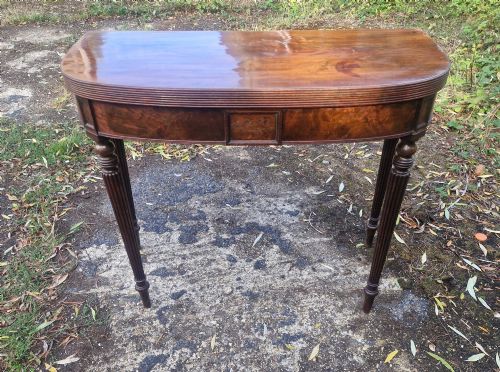
When you search for a folding top side table, you find adaptable dual-purpose furniture designed to expand surface space or conceal cards when needed.
Folding Top Side Table
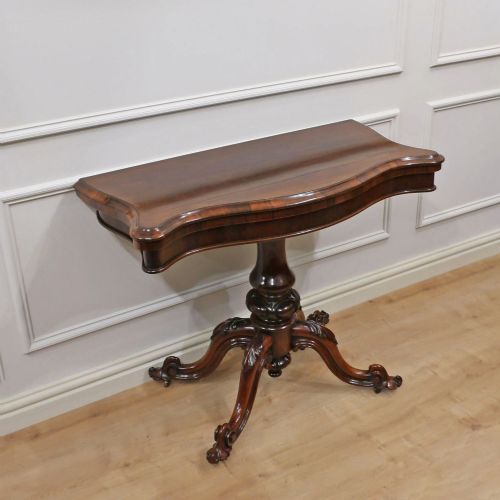
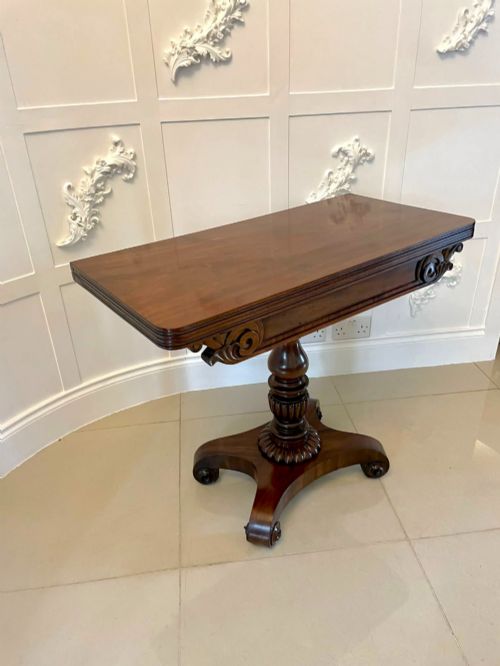
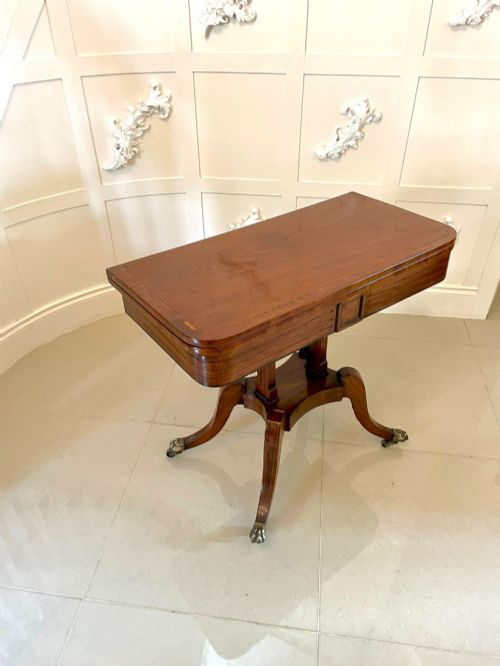
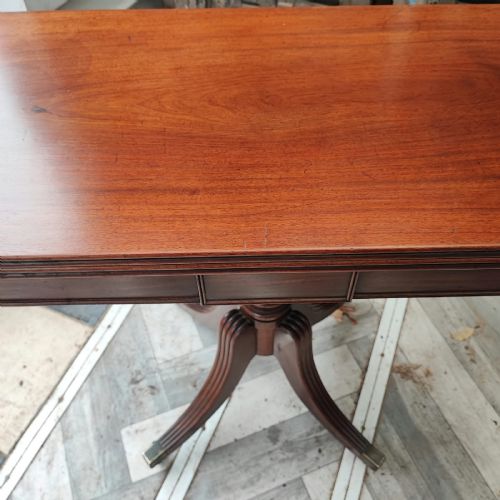
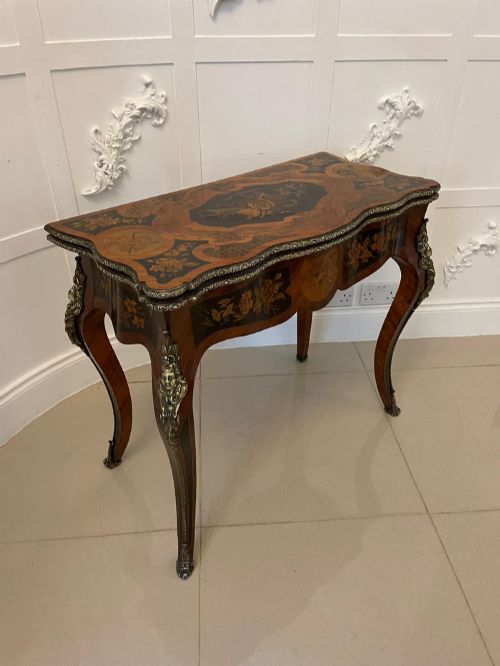
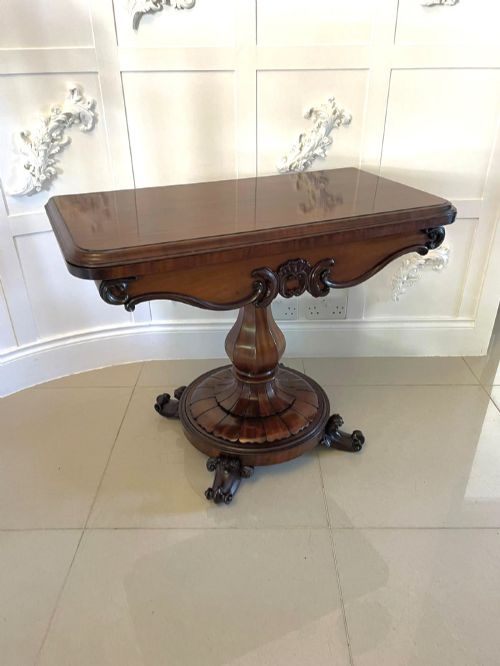
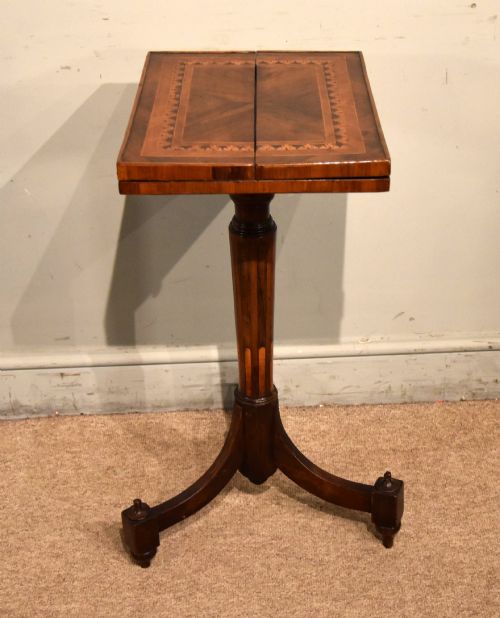
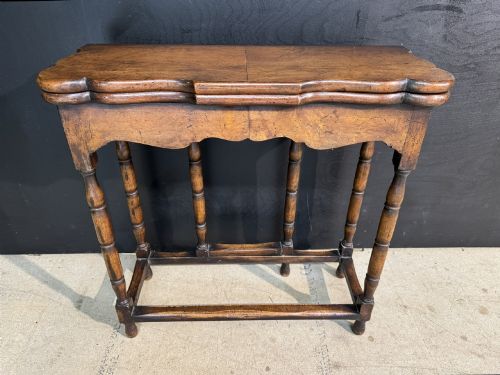
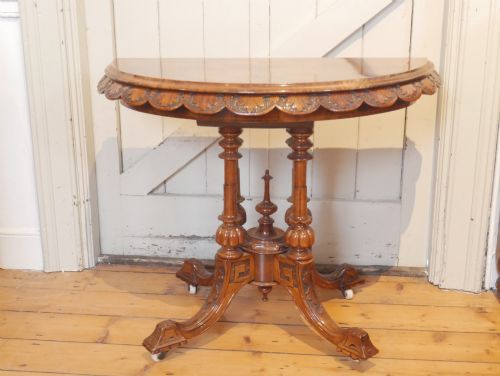
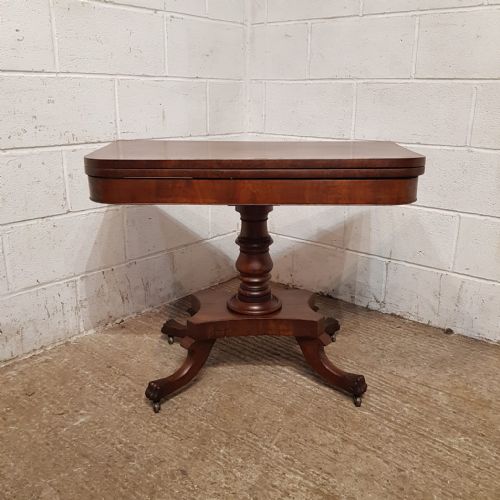
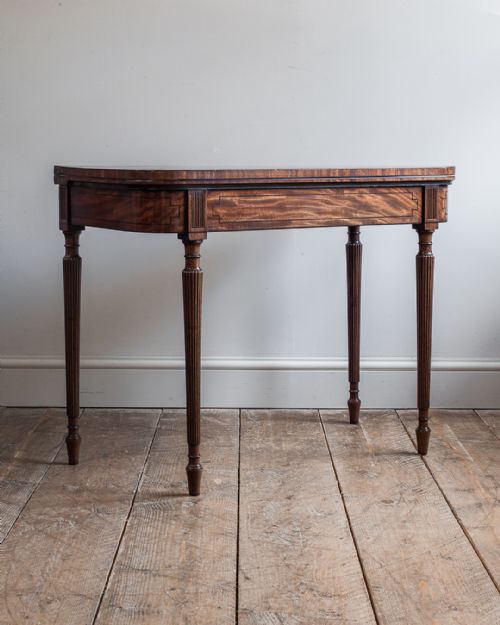
A folding top side table operates primarily as a versatile item of domestic furniture designed to adapt its surface area according to immediate requirements. When searching for this form, buyers encounter variants that double as tea, card, games or console tables through clever hinged tops. These pieces originate from periods spanning the Georgian era through to the Edwardian period, with nineteenth-century examples appearing frequently.
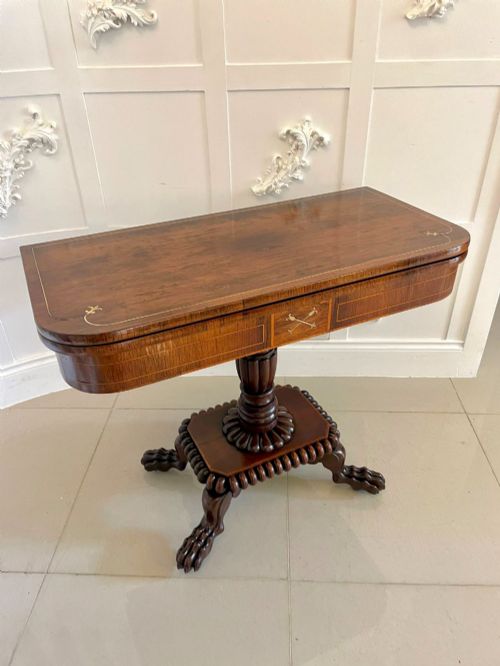
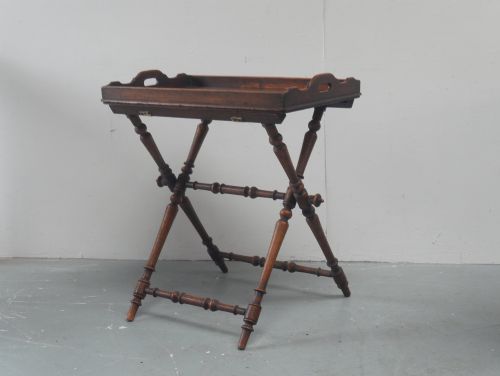
The assortment on this page includes forms such as D-shaped tea tables, serpentine card tables, and butler's trays mounted on folding stands. Materials range from dense timbers like mahogany and walnut to exotic veneers such as satinwood, amboyna and rosewood. Regional interpretations also emerge, including Anglo-Indian carved teak and inlaid Damascus constructions.
How they were made
Cabinet makers constructed these tables using solid timber frames faced with figured mahogany, walnut or rosewood veneers to create striking surface grains. Secondary timbers like oak or pine often form the internal structures and drawer linings of the pieces. Joinery relied on precise dovetailing and sturdy tenons to support the weight of folding leaves and pivoting tops.
Decoration involved brass inlay, delicate wood marquetry, and carved details such as sabre legs or paw feet. Specialised hinges and rotating mechanisms allowed top leaves to turn smoothly and rest flat when opened for dining or gaming.
Folding Top Side Table Retail Price Guide 2026
Typical asking prices for folding top side table among the pieces listed under this phrase on Sellingantiques today, from the lower quarter to the upper quarter. They describe what is for sale here now, not the wider market.
Listings feature woods including mahogany, walnut, satinwood, rosewood, oak, ebony and amboyna alongside brass and mother of pearl inlay.
What varies in quality
The distinction between standard examples and superior pieces rests on the choice of timber and the precision of the veneer work. Tables featuring highly figured mahogany or intricate contrasting wood inlay demonstrate a higher level of workshop ambition. The crispness of hand-carved elements, such as pedestal bases or moulded table edges, further separates accomplished cabinet work from basic production.
Structural integrity of the folding mechanism dictates daily usability, where tight hinges and well-fitted pivots ensure the top remains level when open. Original brass mounts, intact internal compartments, and well-preserved surface polishes preserve the integrity of the piece over centuries of domestic use.
Gillows
The Folding Top Side Table Glossary
- Fold-over
- A table design featuring a hinged top that doubles the surface area when opened out flat. This mechanism often conceals a baize-lined interior used for card games.
- Marquetry
- Decorative patterns formed by fitting together thin pieces of veneer into wooden panels. Artisans use various coloured woods to create intricate floral or geometric designs.
- D-shaped
- A tabletop configuration forming a semi-circle with a straight back edge against the wall. These tables often stand in pairs or combine with console sections.
- Butler's tray
- A removable wooden tray with hinged or shaped sides designed to sit upon a folding stand. This portable form served dining and tea-serving functions in large houses.
- Ormolu
- Gilded bronze mounts applied to furniture edges and legs for decorative effect. This French technique adds metallic contrast to dark cabinet timbers.
Folding Top Side Table: Frequently Asked Questions
What is a folding top side table used for?
These tables served multiple functions in historic interiors, acting as compact sideboards against walls before opening out for tea or card games. The pivoting or folding mechanisms allowed households to save floor space until guests arrived.
Today, owners continue to utilise them in living rooms and hallways as lamp tables that can quickly expand into large serving surfaces when entertaining.
How do I tell a card table from a tea table?
Card tables generally feature a lined interior surface, often covered in baize or felt, designed for playing games with counters or cards. They frequently include small corner recesses for candlesticks or money.
Tea tables usually present a polished wooden top across the entire surface when unfolded, intended for holding porcelain tea services without gaming markings.
Are these tables sturdy when opened?
Well-constructed historic tables rely on a pivoting fifth leg, a swinging frieze drawer, or a gateleg action to support the weight of the open leaf. When the mechanism functions correctly, the weight distributes evenly across the frame.
Care must be taken not to lean heavily on the unsupported edge of an open leaf, as the leverage can strain historic hinges and wooden pivots.
How do I identify the period of a table?
Cabinet styles, timber choices, and leg designs offer clear indicators of date, ranging from straight Georgian legs to Regency sabre supports and Victorian carved paw feet. Examining secondary woods inside drawers also helps confirm the manufacturing era.
Consulting construction methods, such as hand-cut dovetails and traditional screw types, provides further evidence for dating an antique piece accurately.