



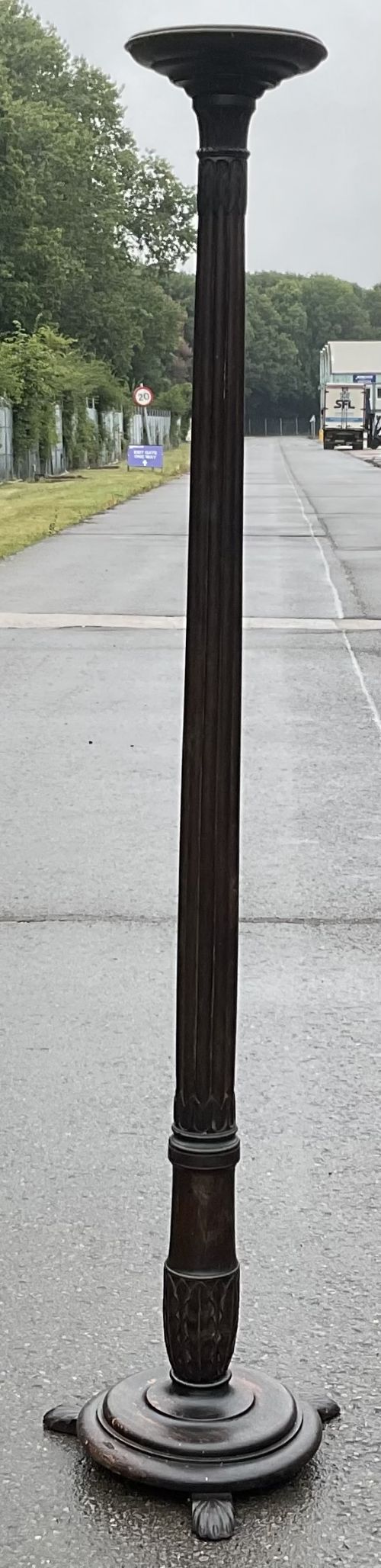


Fluted Wooden Pedestals
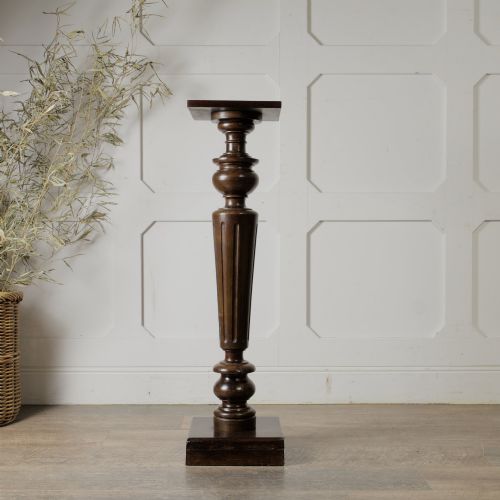
Fluted wooden pedestals are stately columns and stands used to elevate sculpture, lamps, and plants with classical proportion.
Fluted Wooden Pedestals
When searching for fluted wooden pedestals, buyers encounter architectural columns, tall torcheres, and plant stands designed to elevate decorative objects within a room. These vertical furnishings emerge across the eighteenth, nineteenth, and early twentieth centuries, spanning periods from the Georgian era through to Edwardian and revival designs.
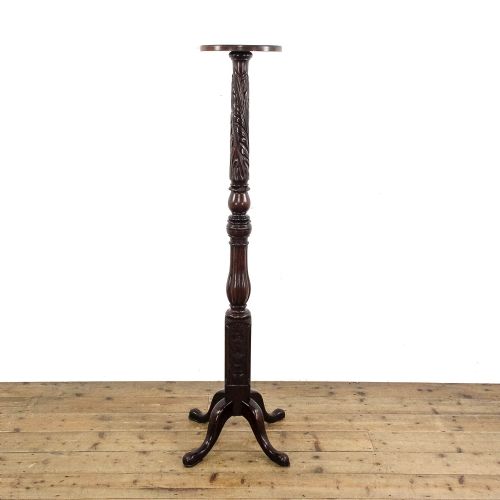
The version most frequently met on this page is the Victorian or nineteenth-century mahogany torchere or column stand. These tall supports often feature turned shafts and carved capitals, serving as display furniture for busts, urns, and floral arrangements in period interiors.
Beyond standard plant stands, the selection includes occasional tables, side tables, and architectural salvage pieces shaped from hardwood. Examples range from slender tripod-based torchere stands to monumental country house columns and matched pairs.
Materials and construction methods
Timber selection centres predominantly upon mahogany, walnut, satinwood, and beech, chosen for their grain and structural stability when turned to height. Cabinetmakers shaped these woods on lathes or carved them by hand to create the characteristic vertical grooves known as fluting.
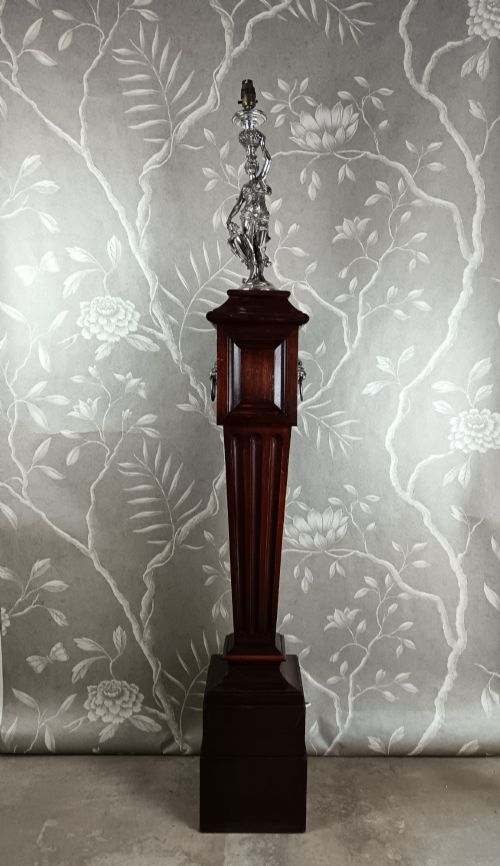
Surface finishes applied to the timber include traditional polish, paint, and gold leaf over gesso, particularly on neoclassical and revival pieces. Certain examples incorporate brass fittings, silver plating, or specialised elements such as secret compartments within the column.
At least one nineteenth-century pedestal conceals a secret compartment within its fluted wooden column.
Judging the quality of pedestals
Quality in these vertical supports rests upon the crispness of the carved fluting and the stability of the base construction. Heavier timber weights and substantial tripod or stepped bases prevent tipping when heavy sculpture or urns sit atop the column.
The sophistication of the stylistic revival, whether Georgian, Adam, or Hepplewhite, dictates the refinement of the carved capitals and base mouldings. Finer pieces display deliberate hand-carving and careful timber matching rather than plain mechanical turning.
The Fluted Wooden Pedestals Glossary
- Fluting
- Shallow, vertical parallel grooves carved into the shaft of a column or pedestal. This decorative technique derives from classical architecture.
- Torchere
- A tall stand or floor lamp designed to hold a light source or display an object at height. These slender pieces often feature tripod bases.
- Plinth
- The lower base block that supports a column, statue, or pedestal. It provides stability and visual grounding to tall furniture.
- Gesso
- A plaster-like mixture applied to wood as a base for painting or gilding. It creates a smooth surface for gold leaf application.
Fluted Wooden Pedestals: Frequently Asked Questions
What were fluted wooden pedestals used for?
These tall stands served primarily to elevate decorative items such as bronze busts, ceramic urns, lamps, and plants above floor level. Placing objects on columns drew the eye upward and highlighted important decorative pieces in principal rooms.
In country houses and period drawing rooms, they acted as standalone display furniture rather than utilitarian surfaces. Their height allowed sculptures and floral arrangements to occupy empty corners effectively.
How do I tell Georgian pedestals from Victorian ones?
Georgian pedestals typically display restrained neoclassical carving, finer mahogany grain, and proportions drawn directly from ancient architectural orders. They rely on understated elegance and precise joinery.
Victorian and later revival examples often feature heavier turning, bolder mouldings, and sometimes gilt or painted surfaces. Cabinetmakers of the nineteenth century frequently reinterpreted earlier Georgian and Adam styles with greater mass.
Can these stands support heavy stone sculptures?
Solid mahogany and hardwood columns with wide tripod or weighted base structures generally offer strong support for substantial decorative objects. Examining the base construction reveals whether the stand balances heavy loads safely.
Slender or tall pedestals require careful placement on level flooring to prevent tipping. Lighter plant stands suit botanical displays better than massive marble figures.