


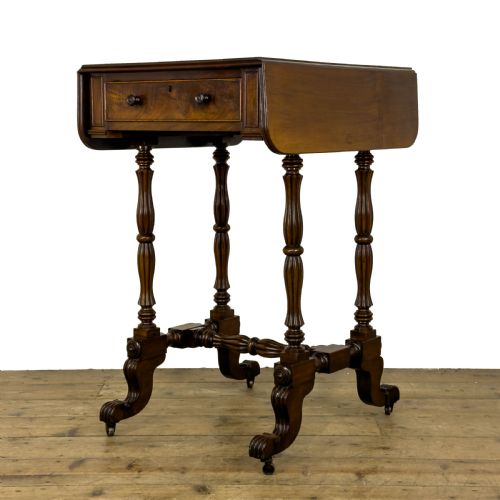
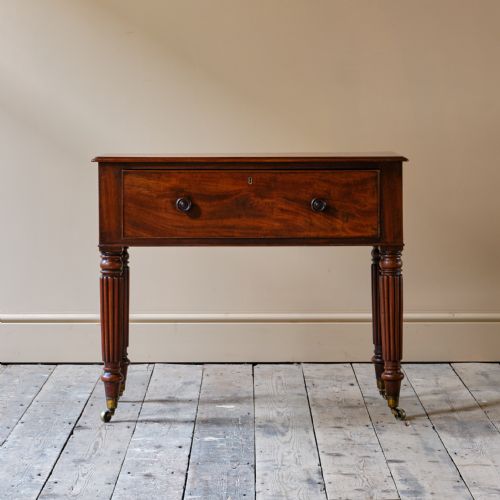


Fluted Leg Sofa
A fluted leg sofa is a seating piece defined by carved vertical channels along its supports, offering classical elegance for formal rooms.
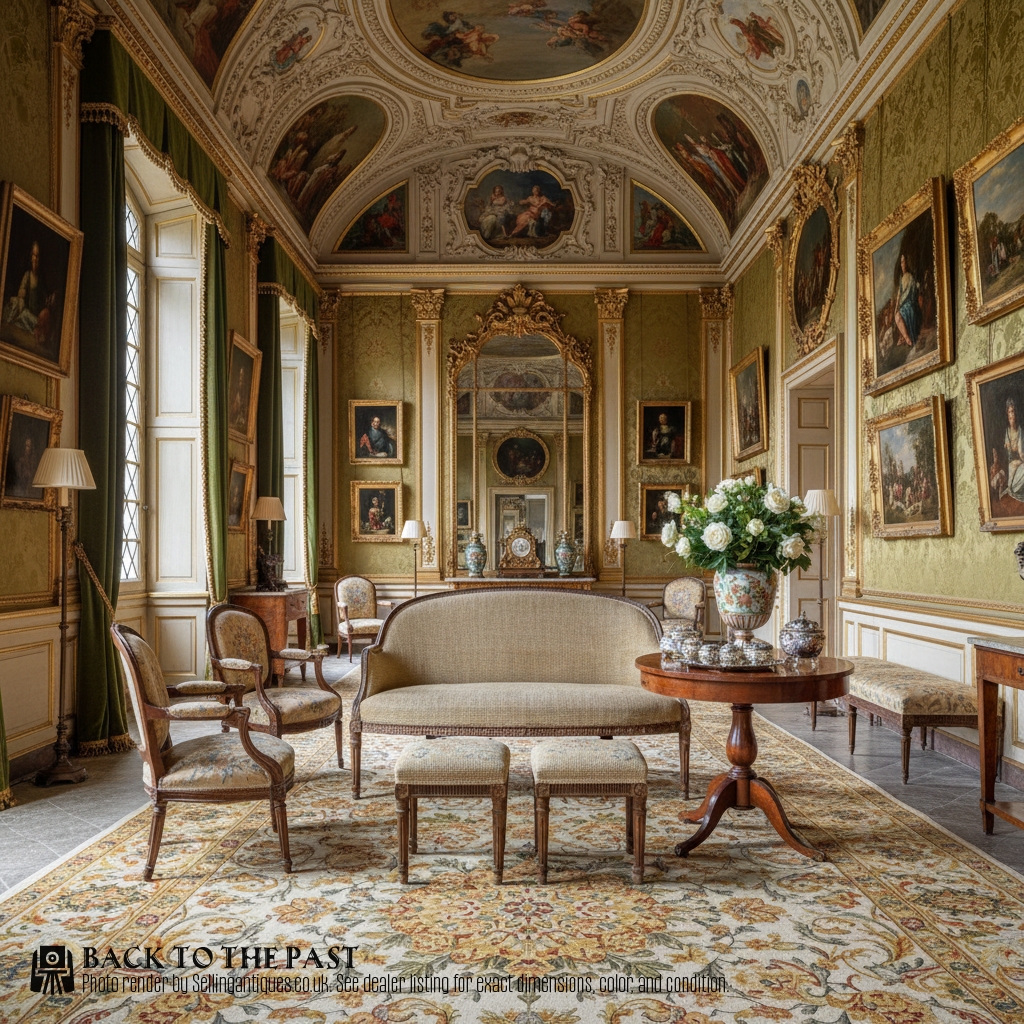
Fluted Leg Sofa
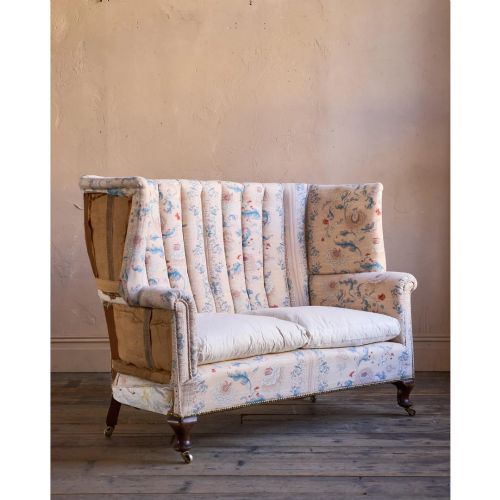
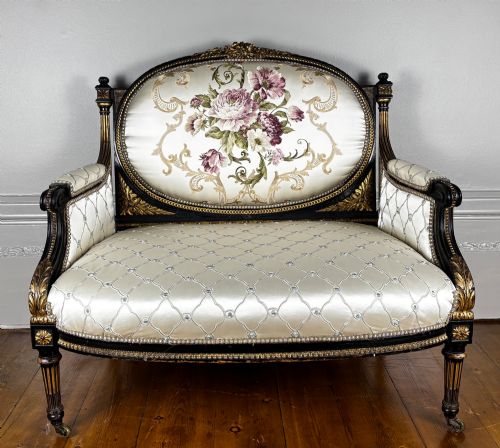
When you search for a fluted leg sofa, you encounter seating ranging from eighteenth-century Swedish frames to nineteenth-century French giltwood models and twentieth-century revivals. These pieces span Georgian, Regency, and Louis XVI styles, where structural uprights feature distinct vertical grooves derived from classical architecture.
The versions most common in these listings combine mahogany, walnut, or giltwood frames with upholstered bodies or caned panels. You will find large three-seater settees alongside compact French-inspired love seats and salon suites.
Origin points stretch across English workshops, French ateliers, and Italian studios, reflecting centuries of neoclassical taste. The unifying element remains the carved fluting on the lower supports, whether straight or slightly tapered.
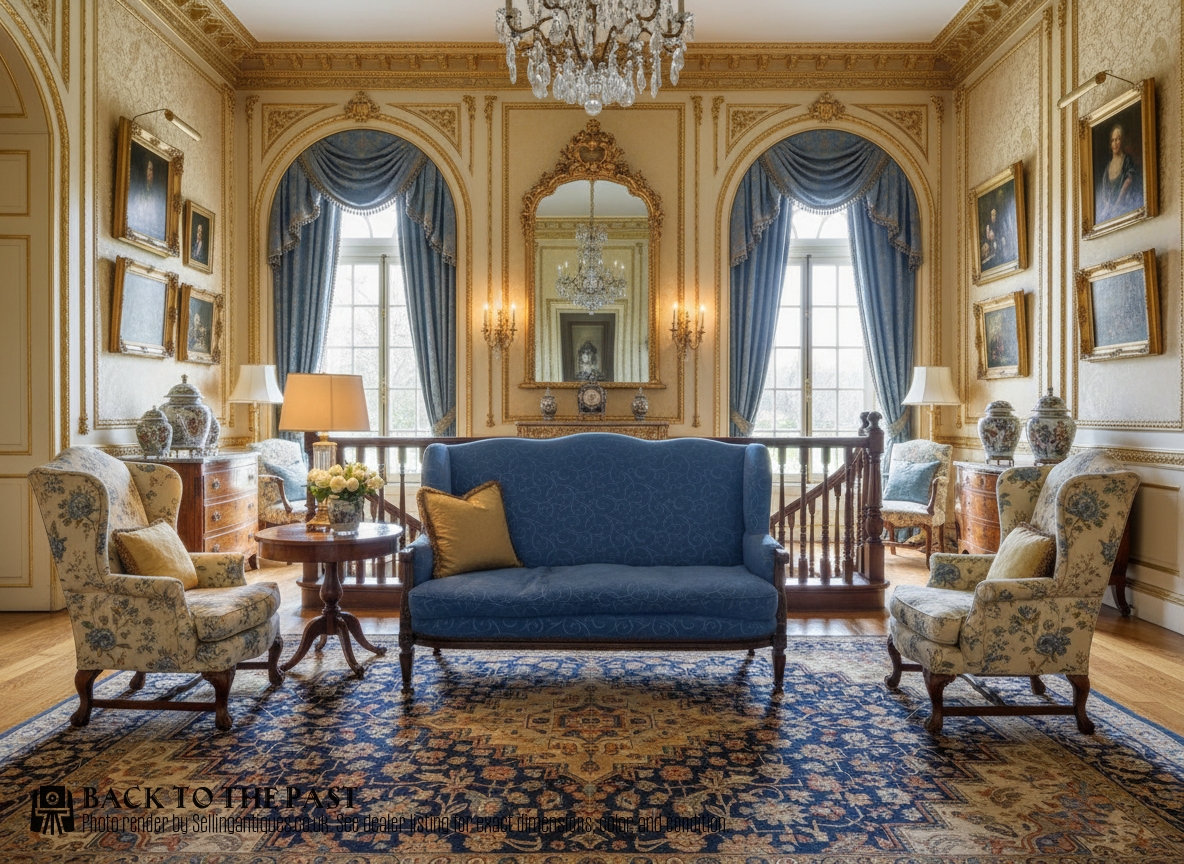
How they were made
Cabinetmakers shaped these frames from solid hardwoods such as mahogany, walnut, and pine, often applying surface treatments like ebonisation, parcel gilt, or paint. Carvers cut the vertical flutes by hand into the timber before assembling the structural components.
Upholstered sections relied on traditional stuffing techniques using materials like hessian and linen beneath the top fabric cover. Caned panels, where present, were woven directly into pierced wooden frames using split rattan.
Fluted Leg Sofa Retail Price Guide 2026
Typical asking prices for fluted leg sofa among the pieces listed under this phrase on Sellingantiques today, from the lower quarter to the upper quarter. They describe what is for sale here now, not the wider market.
Some nineteenth-century frame makers hid their joinery marks beneath layers of horsehair stuffing, leaving secret signatures for future restorers to uncover.
What varies in quality
The standard of a fluted leg sofa depends heavily on the crispness of the hand-carved channels and the structural integrity of the timber frame. Superior examples display precise, evenly spaced fluting that follows the classical proportions without wobble or soft edges.
Upholstery foundations and frame joints dictate longevity, separating robust antique seating from decorative reproductions. Pieces retain greater merit when their original decorative finishes, whether giltwood or painted layers, survive intact beneath later interventions.
Gillow Lancaster
The Fluted Leg Sofa Glossary
- Fluting
- Vertical parallel grooves carved into a column, pilaster, or furniture leg. This decorative detail derives from ancient Greek and Roman architecture.
- Canapé
- A French term for an ornamental sofa or settee, typically featuring an exposed wooden frame and upholstered seat. These pieces often showcase elaborate carving along the crest rail and rails.
- Giltwood
- Timber treated with a thin layer of gold leaf applied over a prepared gesso ground. It appears frequently on formal French and neoclassical salon furniture.
- Serpentine
- A furniture form featuring a undulating front edge that curves inward centrally and bows outward at the ends. This contour adds visual movement to console tables and sofa rails.
- Demi-lune
- Half-moon shaped, describing tables or structural elements with a flat back edge for placement against a wall and a semicircular front.
Fluted Leg Sofa: Frequently Asked Questions
How do I identify Louis XVI style sofas?
Louis XVI style sofas are characterised by straight lines, neoclassical symmetry, and restrained ornamentation. You will often spot exposed wooden frames with carved fluting on the legs.
These frames frequently incorporate giltwood, paint, or fine mahogany, contrasting with upholstered backs and seats finished in silk or linen.
Where should I place a settee?
Settees suit formal reception rooms, large hallways, or bedrooms where their decorative frames can be viewed from multiple angles. Their compact scale compared to standard sofas allows placement against panelled walls or beneath tall windows.
Ensure the piece has adequate clearance so the carved leg details remain visible rather than obscured by heavy drapery.
How do I care for antique upholstery?
Maintain antique fabrics by vacuuming gently with a soft brush attachment to remove dust without stressing fragile textile fibres. Keep wooden frames and upholstered surfaces away from direct sunlight and heat sources to prevent timber splitting and fabric fading.
Professional conservation cleaning is recommended for antique horsehair stuffing and delicate period textiles like brocade or linen.