



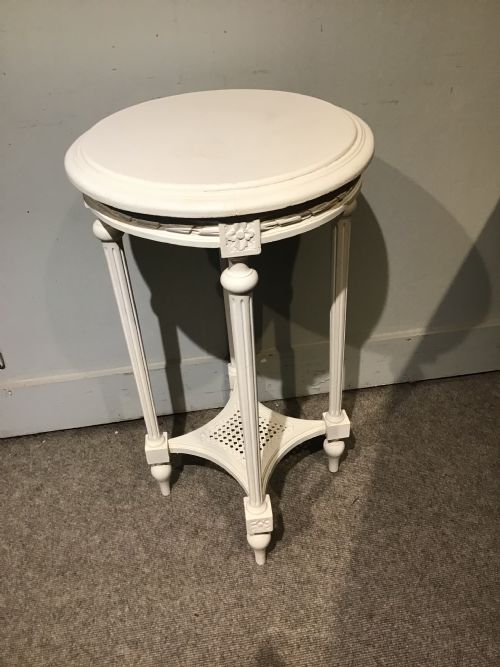


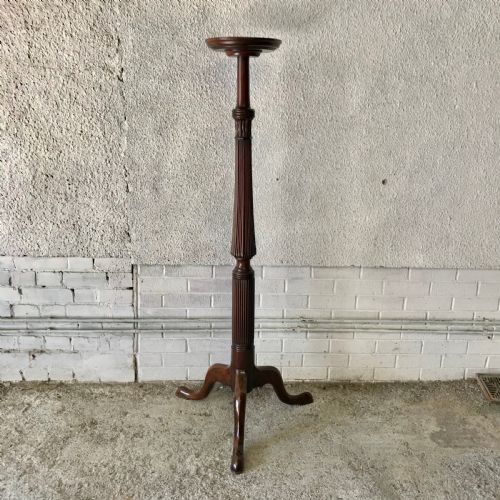
Fluted Leg Plant Stand
These fluted leg plant stand pieces bring architectural elegance to a room, offering elevated display surfaces rooted in classic design.
Fluted Leg Plant Stand
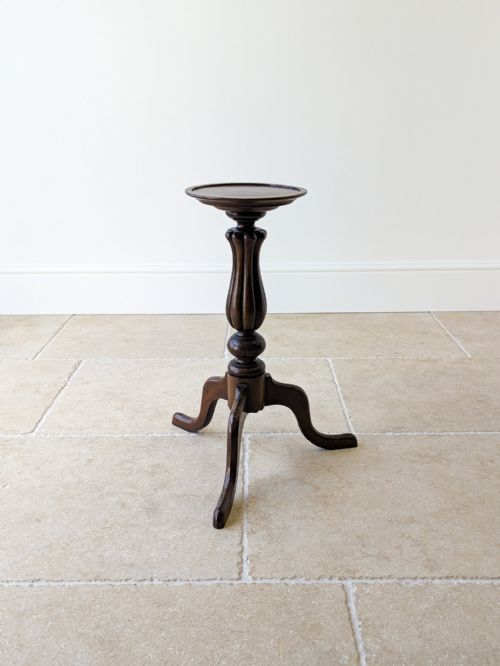
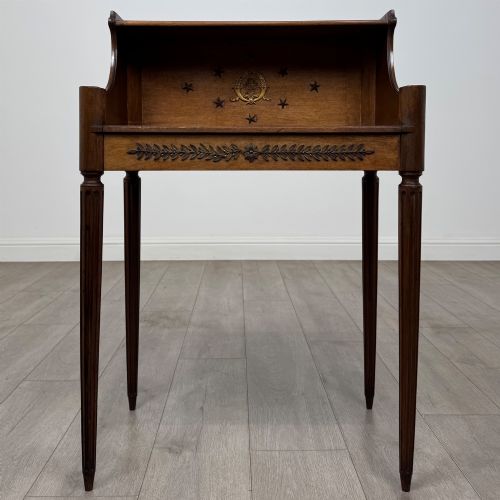
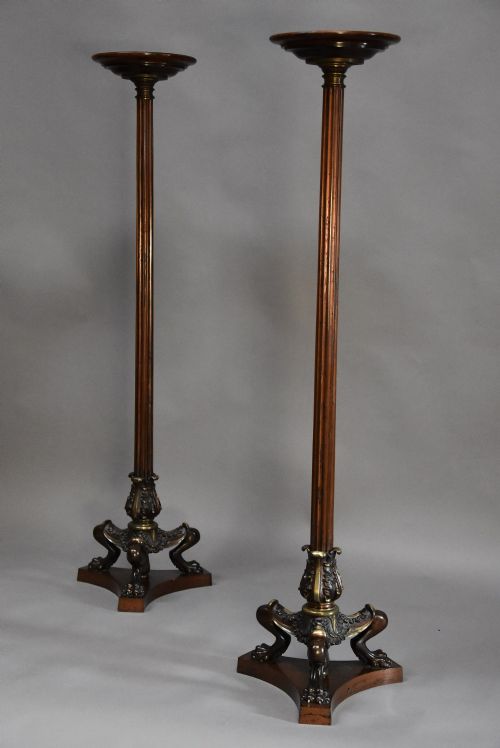
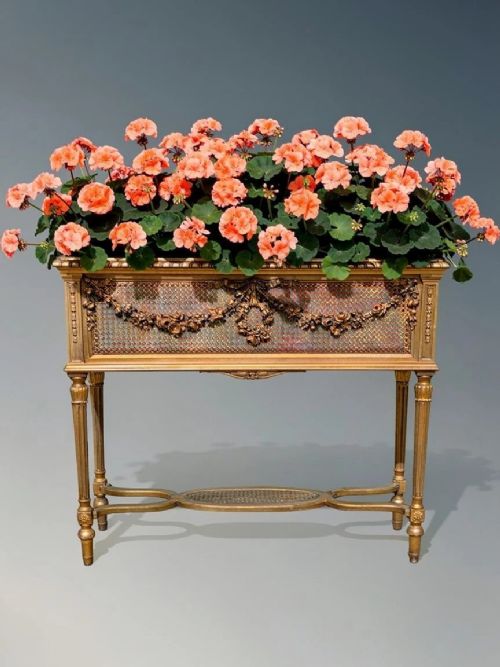
A fluted leg plant stand brings height and structural interest to interiors, drawing from styles like French Neoclassical, Louis XVI, and Regency Revival. Buyers searching for a fluted leg plant stand will encounter various forms, most commonly torcheres, occasional tables, and plant stands with vertical column supports.
The pieces on offer span the Victorian and Edwardian eras, reaching back to the mid nineteenth century and forward into the twentieth century. Mahogany remains the dominant wood across these forms, frequently accompanied by marble, brass, or ormolu mounts.
Makers drew on French Empire and Georgian traditions to create these tall display pieces, often incorporating cane or giltwood details. This selection focuses on side tables, torcheres, and jardinieres designed to hold greenery or decorative objects.
How they were made
Craftsmen shaped these stands primarily from mahogany, utilising turning and carving techniques to produce the characteristic fluted legs. Ormolu, bronze, and brass mounts were cast and applied to enhance the classical aesthetic of French Empire and Louis XVI inspired pieces.
Surfaces frequently feature inset marble tops or cane work, demanding precision joinery and material pairing. Giltwood and painted wood finishes provide further textural contrast across the selection, applied over solid timber frames.
Fluted Leg Plant Stand Retail Price Guide 2026
Typical asking prices for fluted leg plant stand among the pieces listed under this phrase on Sellingantiques today, from the lower quarter to the upper quarter. They describe what is for sale here now, not the wider market.
Mahogany and brass dominate the materials across these nineteenth and twentieth century pieces.
What varies in quality
Quality reveals itself in the crispness of the fluted carving on the legs and the integration of bronze or ormolu mounts. Finer examples display meticulous attention to proportion, where classical architectural details align seamlessly with the structural frame of the stand.
The choice of secondary materials, such as heavy marble tops or finely woven cane, separates standard production from superior craftsmanship. The depth of the mahogany finish and the quality of the casting on metal elements dictate the standing of each piece.
The Fluted Leg Plant Stand Glossary
- Torchere
- A tall stand designed to support a lamp, urn, or plant. These slender vertical pieces often feature decorative fluting on the main support column.
- Ormolu
- Gilded bronze applied to furniture and decorative objects as mountings. This technique originated in France and characterises Louis XVI style pieces.
- Jardiniere
- An ornamental pot or stand intended for holding plants or flowers. They appear in materials like mahogany, giltwood, and cane.
- Etagere
- A piece of furniture consisting of a set of open shelves for displaying small objects. These tiered stands provide multiple surfaces for ornamental use.
- Giltwood
- Wood that has been coated with gold leaf or gold paint. This finish highlights carved details on classical revival frames.
Fluted Leg Plant Stand: Frequently Asked Questions
What is a torchere used for?
A torchere functions primarily as an elevated display surface for plants, urns, or lighting.
Historically placed in corners or between windows, these tall stands lift greenery to eye level.
How do I identify French Empire style?
French Empire style relies on classical antiquity, featuring dark woods accented with gilt bronze and ormolu mounts.
These pieces emphasise symmetry and architectural columns, often incorporating fluted legs.
Where should I place a plant stand?
Plant stands suit entryways, corners, or living spaces where vertical height breaks up room proportions.
They display trailing greenery or decorative items without occupying significant floor space.
How do I distinguish Victorian from Edwardian pieces?
Victorian pieces from the mid to late nineteenth century tend to use heavier timber like mahogany and rich finishes.
Edwardian examples often lean towards lighter painted wood or refined occasional table forms.