

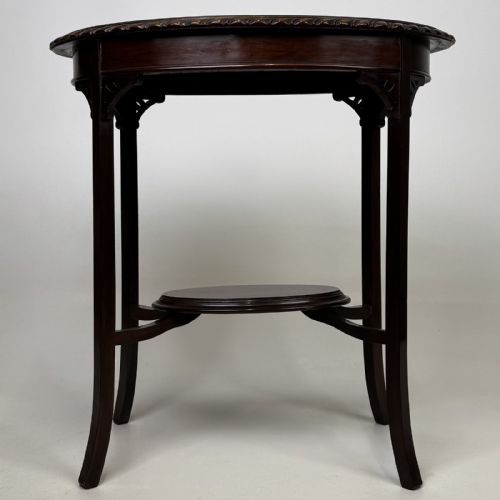
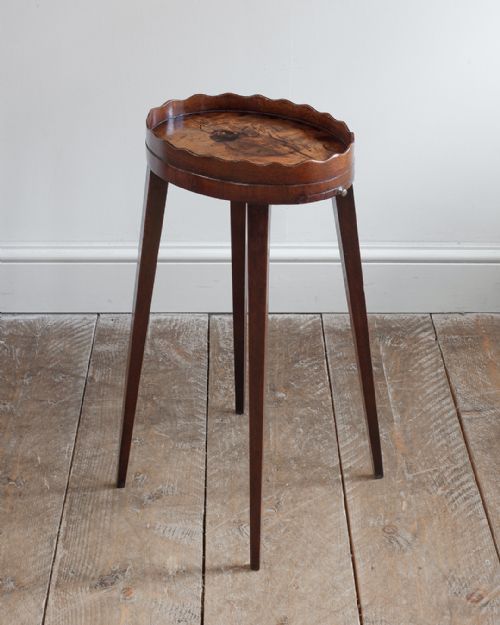

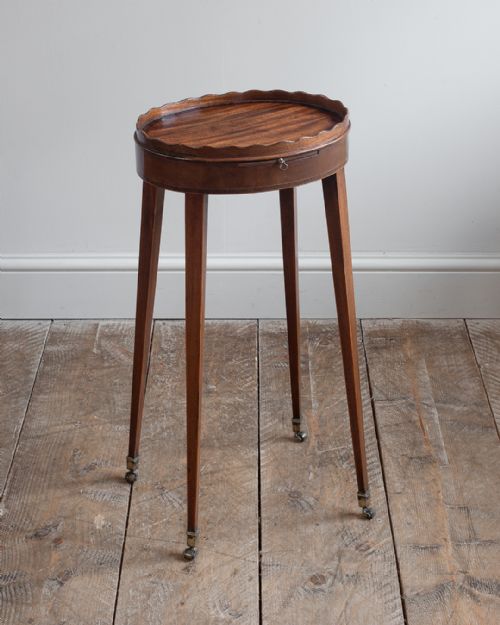
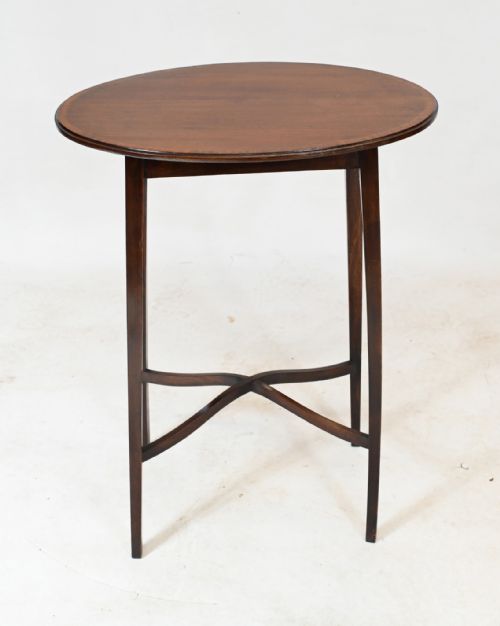




Oval Mahogany Plant Table
An oval mahogany plant table brings warmth and botanical display together, offering an elegant surface for your greenery.
Oval Mahogany Plant Table
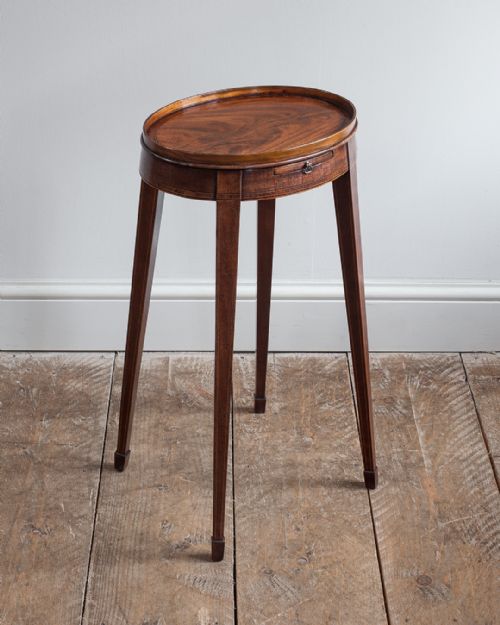
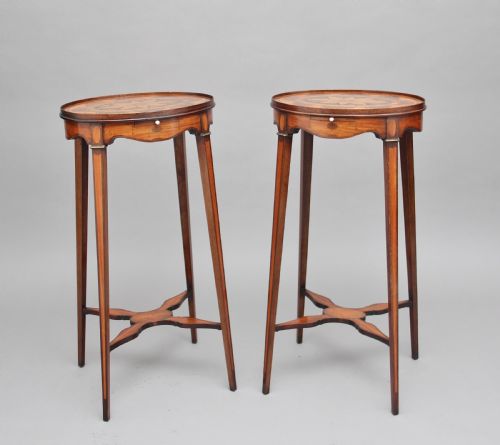
An oval mahogany plant table serves primarily as an urn stand, jardiniere, or occasional lamp table, designed to elevate greenery and small decorative objects in a room. When you search for an oval mahogany plant table, you encounter diverse forms ranging from Georgian urn stands to Edwardian occasional tables.
The selection spans several periods, notably the Georgian era, the Edwardian period, and the late nineteenth century. You will frequently find pieces attributed to the Sheraton Revival and Aesthetic Movement, alongside French Louis XVI style influences.
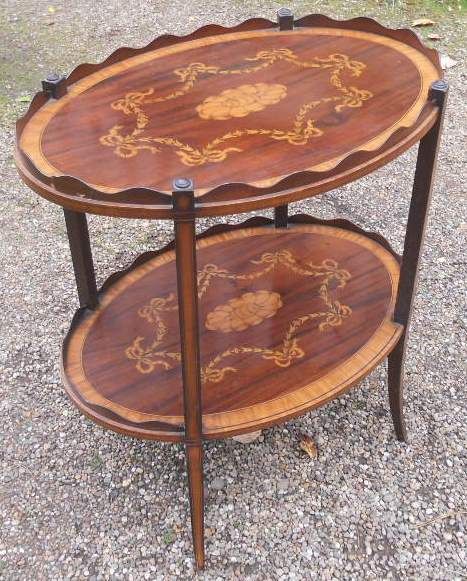
Makers utilised rich timber varieties to shape these tables, often producing side tables, two-tier centre stands, and etageres. Their compact footprints make them versatile additions to drawing rooms and hallways.
How they were made
Cabinet makers constructed these tables predominantly from solid and veneered mahogany, frequently selecting figured timber for the top surfaces. The warm grain provides a sturdy foundation for displaying plants and decorative ceramics.
Craftsmen enriched the mahogany frames using contrasting wood inlay, incorporating satinwood and ebony details to delineate borders and motifs. Additional decorative elements include brass fittings, bone accents, and cast ormolu mounts.
Oval Mahogany Plant Table Retail Price Guide 2026
Typical asking prices for oval mahogany plant table among the pieces listed under this phrase on Sellingantiques today, from the lower quarter to the upper quarter. They describe what is for sale here now, not the wider market.
Listings feature pieces spanning from the eighteenth century through the Edwardian era, incorporating styles from the Aesthetic Movement to Sheraton Revival.
What varies in quality
The standard of timber selection and the precision of the cabinet work dictate the distinction between simpler pieces and finer examples. Subtle details such as crisp Sheraton Revival stringing and well-executed wood inlay elevate an occasional table.
Design complexity also marks the range, separating straightforward side tables from elaborate two-tier centre stands, etageres, and carved urn stands. The integration of materials like brass, bone, or ormolu further distinguishes the visual depth of a piece.
The Oval Mahogany Plant Table Glossary
- Jardiniere
- A decorative stand or receptacle specifically designed to hold plants or flowers indoors. These pieces often feature waterproof liners or raised rims to protect the surrounding timber.
- Urn stand
- A tall, slender occasional table traditionally used to support a tea urn or decorative vase. They frequently feature oval mahogany tops suited for display.
- Inlay
- A decorative technique where contrasting materials such as satinwood or ebony are inserted into recessed cavities of the base wood. This creates intricate geometric or floral patterns across the surface.
- Etagere
- A set of open shelves or tiers designed for displaying small objects and ornaments. These multi-level pieces allow for varied arrangements of plants and decorative items.
Oval Mahogany Plant Table: Frequently Asked Questions
What is an oval mahogany plant table used for?
These tables are traditionally designed to elevate potted plants, urns, and jardinieres, bringing greenery up to eye level within a room.
Beyond botanical display, their compact surfaces function well as lamp tables, side tables, or occasional stands in reception rooms.
How do I identify a Georgian plant table?
Georgian and eighteenth-century pieces typically display understated proportions, refined timber selection, and classical joinery without heavy revival ornamentation.
Later Sheraton Revival pieces from around nineteen hundred often emulate these earlier forms while incorporating delicate satinwood inlay and lighter framing.
What materials are used in these tables?
Mahogany forms the primary structural and visual base of these items, valued for its rich colour and durable grain.
Cabinet makers frequently enhanced the timber with contrasting wood inlay, satinwood, ebony, brass fittings, bone details, and ormolu mounts.
Where should I place an etagere table?
Two-tier centre stands and etageres suit corners or wall spaces where vertical display adds interest without obstructing pathways.
The multiple tiers allow you to balance plants on one level and books or decorative objects on another.