




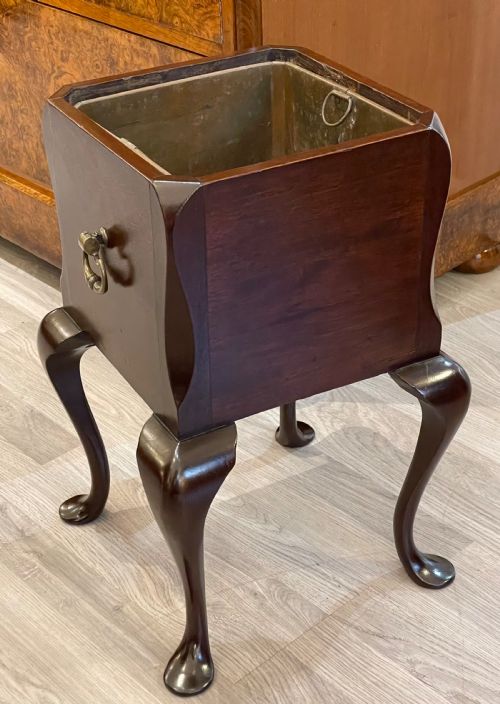


Wooden Cellarette Planter
A wooden cellarette planter brings period character indoors, combining sturdy timber construction with watertight linings to house house plants and flowers.
Wooden Cellarette Planter
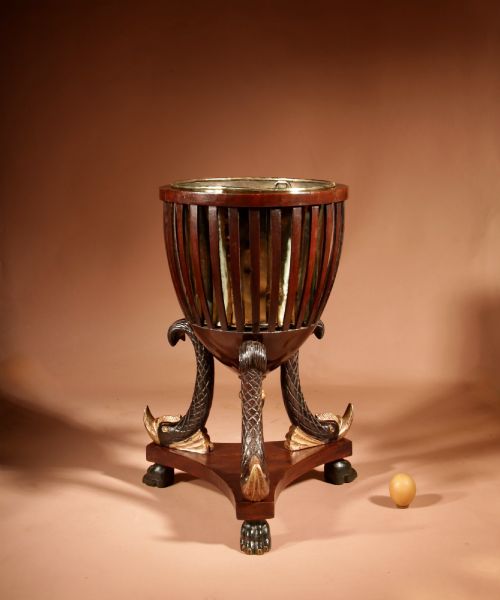
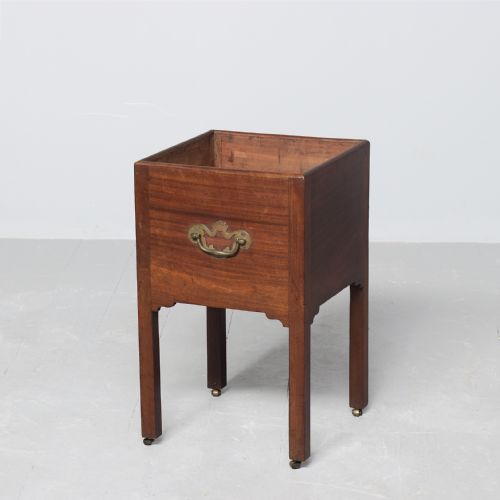
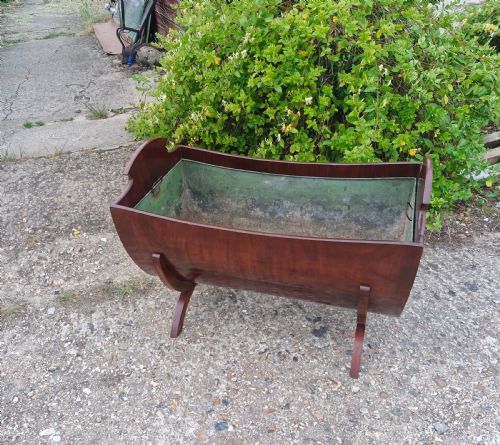
A wooden cellarette planter combines the historic forms of wine coolers, cellarettes, and jardiniere stands into functional vessels for indoor planting. When you search for a wooden cellarette planter, you encounter pieces that originated as bottle storage or tea stores, alongside dedicated jardinieres adapted for botanical displays.
The selection spans from Georgian and Regency eras through to the twentieth century, including revival pieces. Most examples take the form of mahogany, walnut, or rosewood vessels, frequently reinforced with brass bands for structural strength and visual contrast.
How they were made
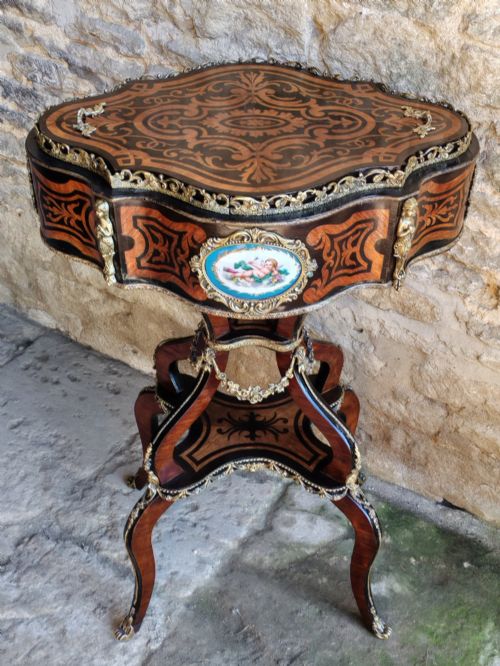
Cabinet makers utilised dense hardwoods such as mahogany, walnut, satinwood, and box tree, often employing marquetry inlays or ebonised wood details. Timber sections were coopered or joined carefully to hold weight and moisture.
Metal components played a structural and decorative role, featuring brass bands, ormolu mounts, and drop handles. Protective metal or zinc interiors were fitted to contain damp soil and water.
Wooden Cellarette Planter Retail Price Guide 2026
Typical asking prices for wooden cellarette planter among the pieces listed under this phrase on Sellingantiques today, from the lower quarter to the upper quarter. They describe what is for sale here now, not the wider market.
Several items started life chilling claret before retiring to a gentler life holding ferns.
What varies in quality
Quality rests upon the selection of timber figures, such as burr walnut or rich mahogany, and the crispness of marquetry inlay work. Finer items exhibit precise dovetail or coopering joints and well-cast brass hardware.
The integrity of the internal lining and the survival of original stands or pedestals distinguish superior examples. Alterations to adapt old wine coolers into planters affect the overall character and classification of the piece.
The Wooden Cellarette Planter Glossary
- Cellarette
- A lockable container originally designed for storing bottles of wine near the dining table. They frequently double as planters in modern interiors.
- Jardiniere
- An ornamental pot or stand intended for holding plants or flowers. These vessels appear in various woods and metals across the nineteenth and twentieth centuries.
- Marquetry
- Decorative veneer work created by fitting pieces of different woods, satinwood, or rosewood into geometric or floral patterns. This technique highlights high-end cabinet making.
- Ormolu
- Gilded bronze ornamentation applied to furniture and decorative objects during the French Empire and nineteenth century. It provides bright metallic contrast against dark woods.
Wooden Cellarette Planter: Frequently Asked Questions
Are these watertight?
Many pieces retain their original metal or zinc liners designed to hold damp soil and water safely. However, checking the interior condition is sensible before planting directly inside.
Using a separate nursery pot inside the wooden vessel protects the antique timber from moisture damage over time.
How do I date a piece?
Dating relies upon timber choice, construction methods, and stylistic details such as brass banding or marquetry inlay. Georgian and Regency pieces show specific proportions and joinery distinct from later twentieth-century revivals.
Comparing the hardware and secondary woods helps confirm the likely period of manufacture.
What is the difference between a cellarette and a jardiniere?
Cellarettes were originally built to hold wine bottles in dining rooms, while jardinieres were made specifically to display plants. Over time, their similar wooden tub and stand formats led makers and collectors to use the terms interchangeably.
Many listings combine both names because these adaptable vessels serve both roles equally well today.