
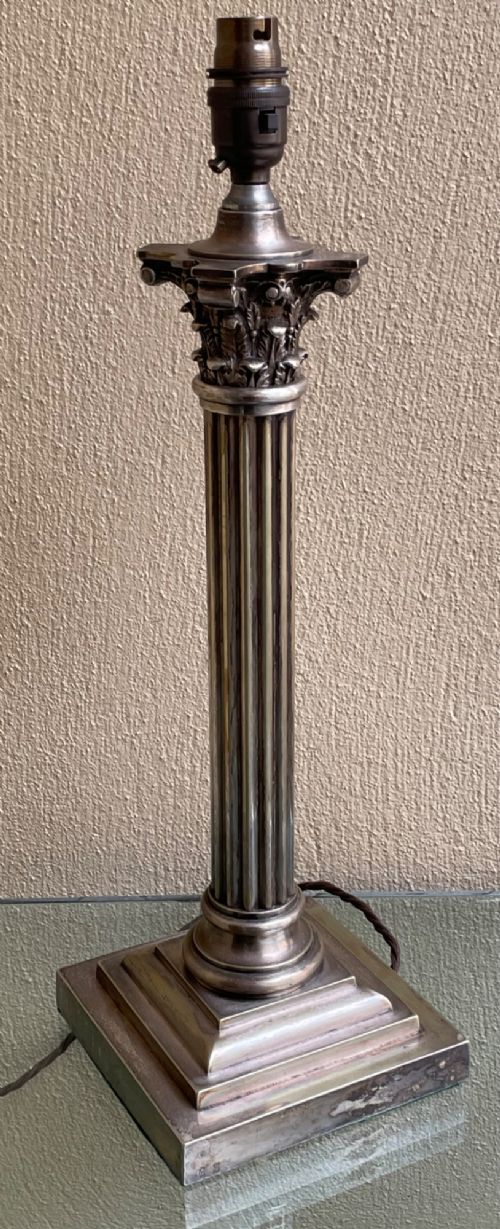
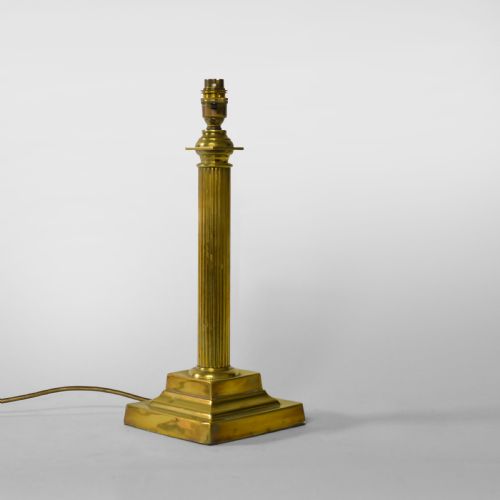
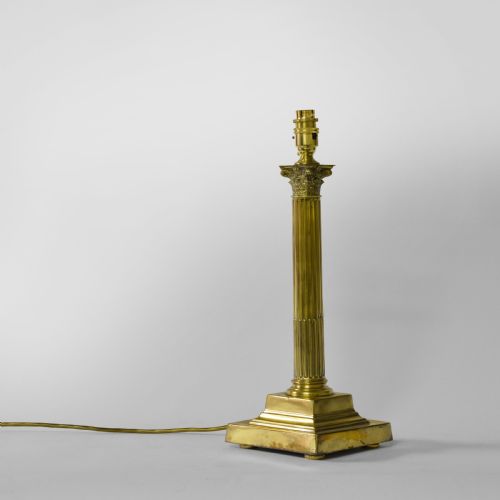


Fluted Column Pedestal
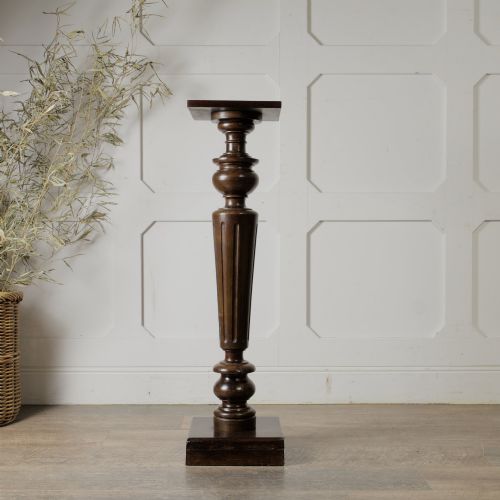
A fluted column pedestal lifts a bust, lamp or urn with classical proportion, bringing architectural strength to an interior.
Fluted Column Pedestal
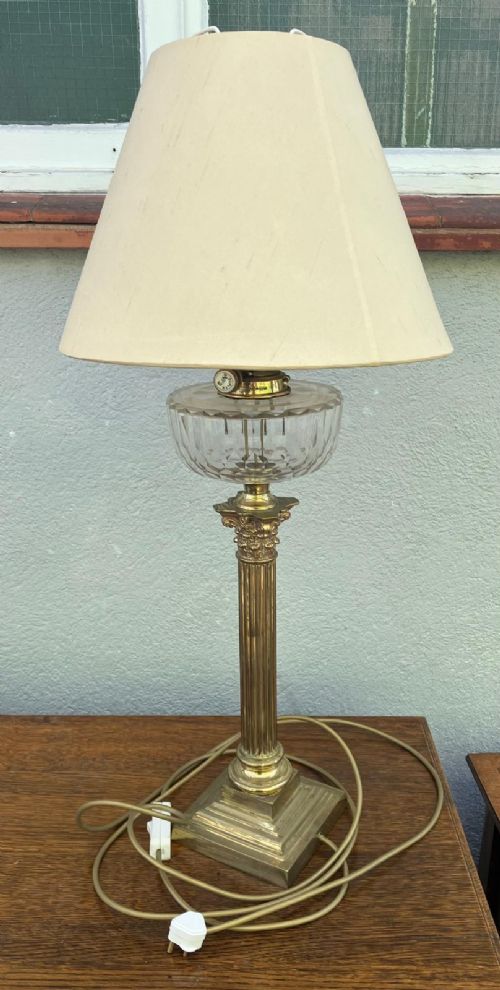
When searching for a fluted column pedestal, a buyer encounters architectural supports designed to elevate objects of importance within a room. These pieces draw directly on classical idioms, taking forms that span the Georgian, Victorian and Edwardian eras.
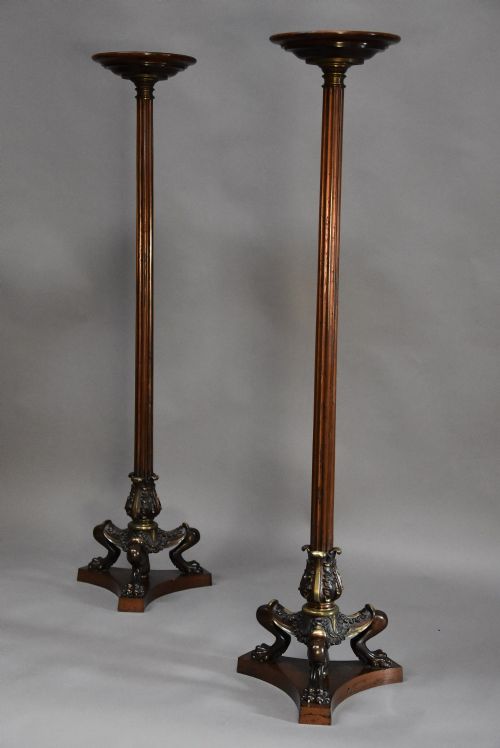
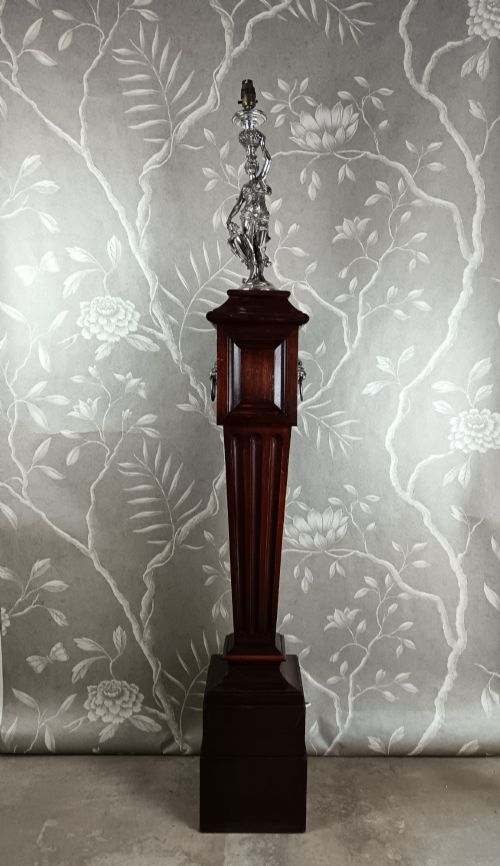
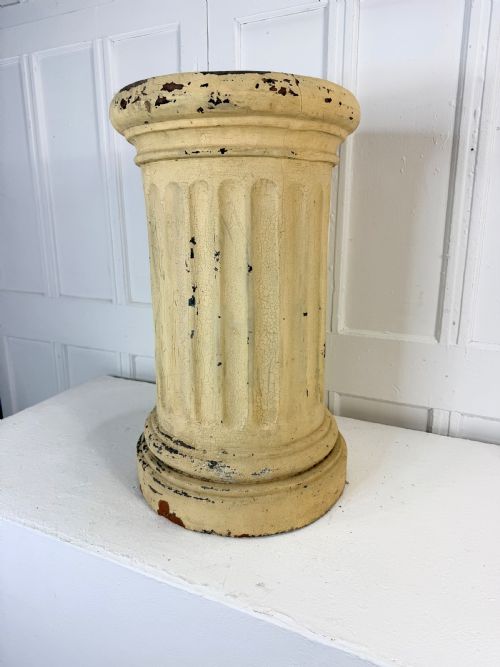
The versions most commonly met on this page combine timber, brass or marble to form sturdy stands, torcheres and display columns. They serve practical roles as plant stands and lamp bases alongside their primary function as sculptural display plinths.
Materials and Construction
Makers utilised solid timbers such as mahogany and walnut, turning them on lathes to create the distinctive vertical channels that define the fluted column pedestal. Where a more monumental presence was required, artisans turned to cast brass, bronze or simulated and solid marbles.
Surface finish played a vital role, with original painted treatments, gilding and French polish sealing the wood and metal components. Structural integrity relied on robust jointing methods, heavy weighted bases for tall torcheres, and precise detailing on Corinthian or ionic capitals.
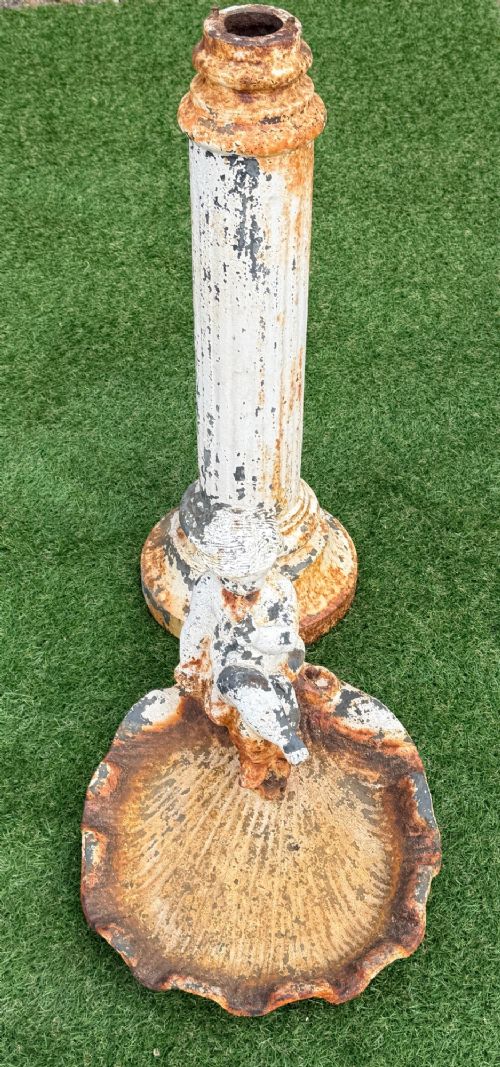
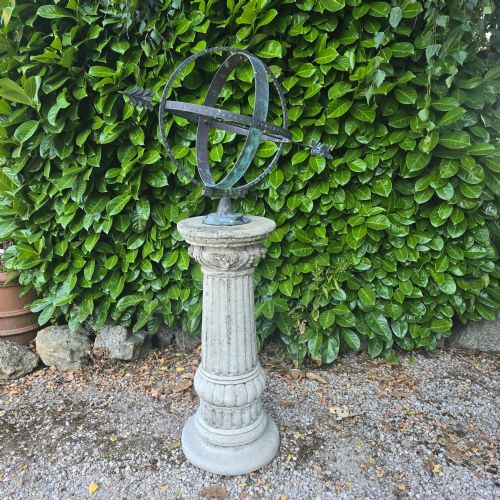
Listings feature turned mahogany, cast brass, and carved marble columns spanning the Georgian, Victorian, and Edwardian periods.
Assessing Quality and Execution
The distinction between standard examples and the finest pieces lies in the crispness of the carved or cast fluting and the selection of materials. Superior columns display deep, clean channels and well-proportioned capitals without soft edges or mended breaks.
Stability and weight distribution dictate the quality of taller stands, where heavy bases prevent tipping. The choice of figured mahogany, rich patinated bronze or genuine marble rather than painted substitutes separates workshop pieces from master works.
George Smith·Thomas Hope·WMF·Eduardo Giolli
The Fluted Column Pedestal Glossary
- Fluting
- Vertical parallel grooves carved or cast into the shaft of a column or pedestal. This decorative technique originates in classical architecture and adds linear rhythm to the piece.
- Torchere
- A tall, slender stand or floor lamp designed to hold a light source or decorative object. These pieces frequently share the column form to maximise height in a room.
- Capital
- The uppermost member of a column, situated above the shaft. Styles visible in this category include Corinthian and ionic orders.
- Plinth
- A heavy flat block or base upon which a column, statue or pedestal rests. It provides both visual grounding and physical stability to the structure.
Fluted Column Pedestal: Frequently Asked Questions
What were fluted column pedestals used for?
These pieces served primarily to elevate items such as urns, bronze figures, lamps and large plants within grand interiors. By raising the object, makers ensured it caught the eye and occupied a specific sightline in a room.
Over time, homeowners adapted them from strict architectural display to functional floor stands and torcheres. Their solid construction meant they could bear significant weight without shifting.
How do I style a pedestal at home?
A pedestal looks best placed in an empty corner, framing a doorway or anchoring a large wall space where standard furniture feels too heavy. Pair the column with a contrasting object, such as a marble bust or trailing plant, to break up the vertical lines.
Ensure the weight of the object placed on top matches the physical stability of the base. Tall brass or wooden columns require careful placement away from high-traffic walkways to maintain safety.
How can I tell the period of a column?
Dating relies heavily on material choice, turning technique and the style of the capital carved at the top. Georgian and Regency examples often feature dense, hand-turned mahogany with fine classical proportions.
Victorian and Edwardian pieces frequently incorporate cast brass capitals, painted finishes or industrial metals. Comparing the tool marks and joinery inside the base provides further clues to its age.
Are these pedestals solid wood?
Construction methods vary according to the date and the workshop that produced the piece. Many examples utilise solid mahogany, walnut or pine for the turned columns, while others employ painted or gilded surfaces over base timbers.
Heavier versions incorporate cast iron, bronze or solid marble to achieve stability. Inspecting the underside and joints reveals whether the timber is solid throughout or applied over a secondary core.